What is the typical sequence of stages for a star similar in mass to the Sun after the red giant phase?
Answer
Planetary Nebula White Dwarf
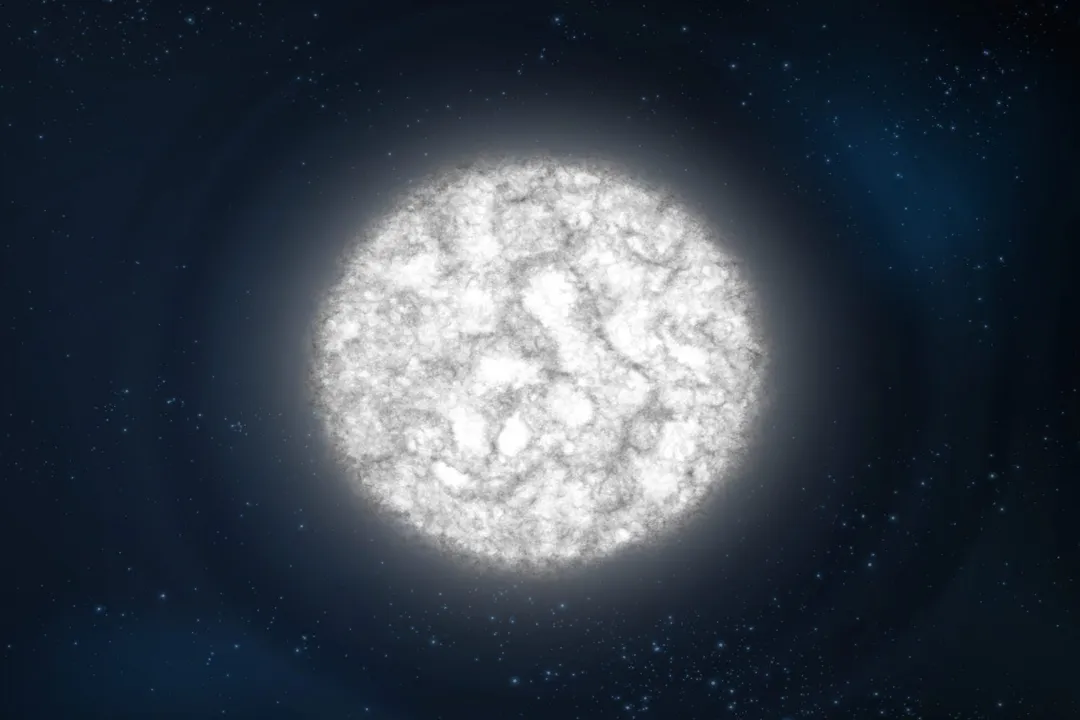
Stars up to about eight times the Sun's mass undergo a gentle shedding of material after the red giant phase, forming a planetary nebula and leaving behind a white dwarf.
#Videos
Why Do Red Giant Stars Expand Their Outer Layers? - YouTube
Related Questions
What primary element do stars fuse in their cores during the main sequence phase?What event immediately precedes and causes a star's outer layers to expand dramatically?What change in color and size characterizes a star becoming a red giant?What specific fusion process ignites immediately after core hydrogen depletion to cause rapid outward pushing?What factor is the single most critical determinant of a star's entire evolutionary path and final remnant?In stars significantly more massive than the Sun, what element's fusion ultimately leads to catastrophic core collapse?What is the typical sequence of stages for a star similar in mass to the Sun after the red giant phase?Why were expanding shells of ejected stellar material historically named 'planetary nebulae'?Approximately how large is a white dwarf remnant compared to Earth?What is the theoretical final, cold state a white dwarf eventually fades into after cooling?