What change in color and size characterizes a star becoming a red giant?
Answer
Expanded size and shifted color to red
As the outer layers expand due to intense shell fusion, they cool down, causing the star's color to shift from white or yellow to a deeper red.
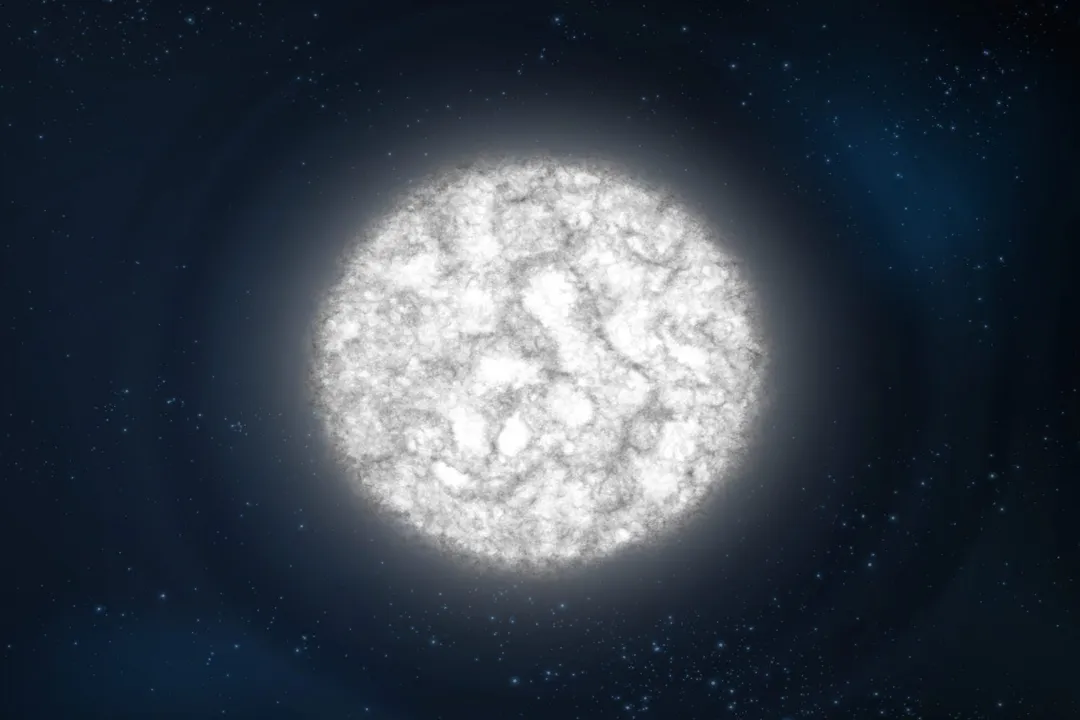
#Videos
Why Do Red Giant Stars Expand Their Outer Layers? - YouTube
Related Questions
What primary element do stars fuse in their cores during the main sequence phase?What event immediately precedes and causes a star's outer layers to expand dramatically?What change in color and size characterizes a star becoming a red giant?What specific fusion process ignites immediately after core hydrogen depletion to cause rapid outward pushing?What factor is the single most critical determinant of a star's entire evolutionary path and final remnant?In stars significantly more massive than the Sun, what element's fusion ultimately leads to catastrophic core collapse?What is the typical sequence of stages for a star similar in mass to the Sun after the red giant phase?Why were expanding shells of ejected stellar material historically named 'planetary nebulae'?Approximately how large is a white dwarf remnant compared to Earth?What is the theoretical final, cold state a white dwarf eventually fades into after cooling?