What are the primary drivers behind the intense mass ejection observed during the post-red giant phase?
Answer
Thermal pulsations and strong stellar winds
The transition phase makes the star highly unstable, resulting in strong thermal pulsations. These pulsations, combined with exceptionally powerful stellar winds, physically drive vast amounts of gas and dust away from the star's surface.
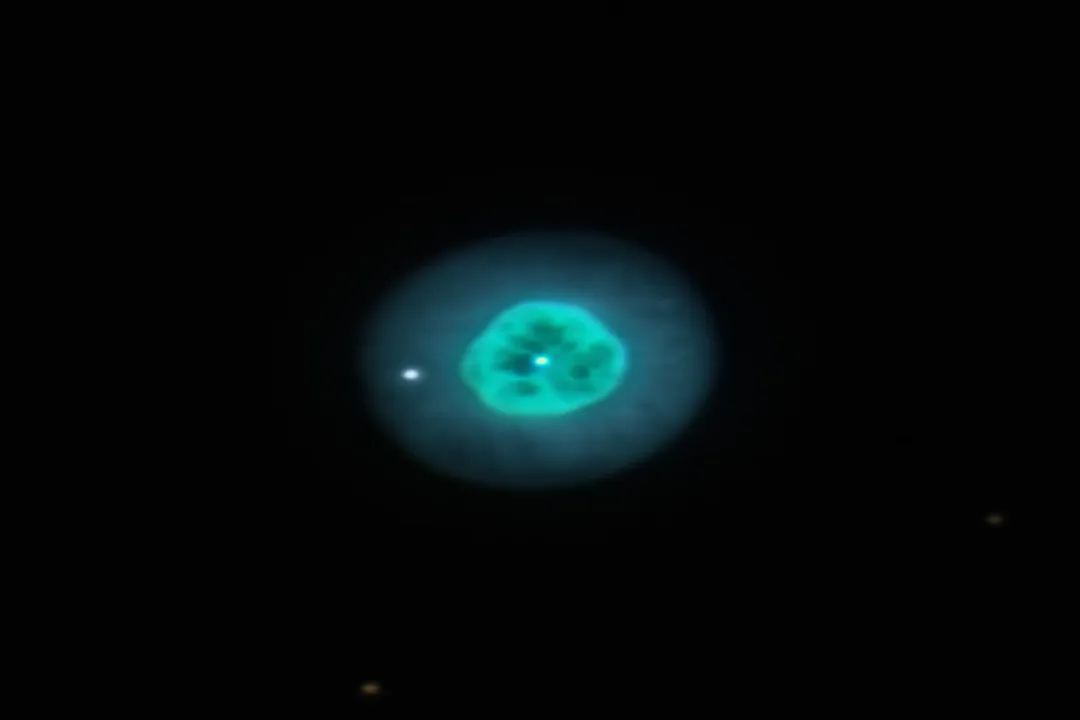
#Videos
How Does A Red Giant Become A Planetary Nebula? - YouTube
How Do Red Giants Create Planetary Nebulae? - Physics Frontier
Related Questions
What initiates the transition from the Main Sequence phase for a Sun-like star?What physical changes cause a star leaving the Main Sequence to become a red giant?What are the primary drivers behind the intense mass ejection observed during the post-red giant phase?Compared to the hydrogen-fusing lifetime, how long does the entire post-red giant transformation last?What describes the remnant core exposed after the outer envelope has been expelled?What causes the ejected shell of gas to become visible as a planetary nebula?What is a characteristic temperature of the exposed white dwarf remnant responsible for creating the nebula?Why is the term "planetary nebula" considered a historical misnomer?What factors contribute to the diverse structural shapes observed in planetary nebulae?What is the ultimate fate of the remnant core after the planetary nebula fades away?