What are the uses of carbonic acid in everyday life?
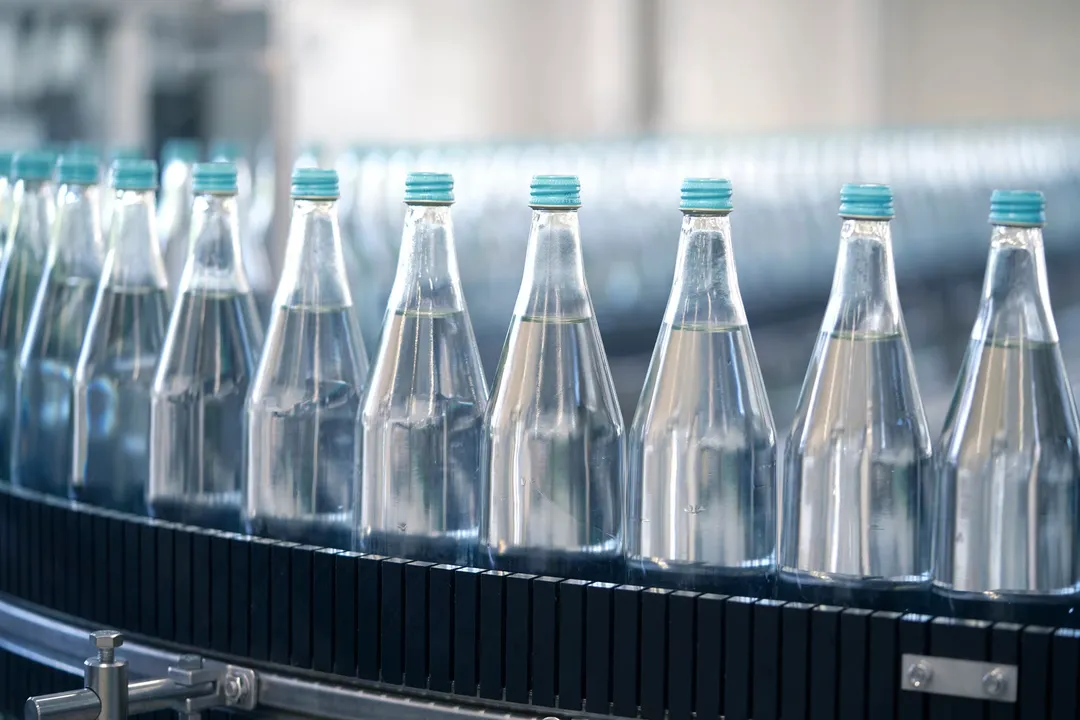
The substance known as carbonic acid () might sound like a purely academic chemical, confined to textbooks on equilibrium reactions, but its influence touches many parts of our daily existence, from the drinks we consume to the very air we breathe. [1][4] It is not a substance typically bottled or stored on its own; rather, it exists as a transient, weak acid formed when carbon dioxide gas dissolves in water. [2][4] Understanding its presence helps explain why a cold soda fizzes or how our bodies maintain a stable internal environment. [3]
# Formation Chemistry

Carbonic acid is fundamentally derived from the interaction between water () and carbon dioxide (). [4] This reaction is an equilibrium process, meaning it constantly moves back and forth:
Because carbonic acid is classified as a weak acid, it only partially dissociates into hydrogen ions () and bicarbonate ions (). [3][5] This partial dissociation is why it causes a milder effect on compared to strong acids like hydrochloric acid. [4] The exact ratio between the dissolved and the actual carbonic acid molecules shifts based on temperature and pressure. [1] For general purposes, especially in chemistry discussions related to natural waters or beverages, the term carbonic acid is often used to describe the total dissolved species present. [7]
# Beverage Fizz

The most immediate and familiar everyday application of carbonic acid is undeniably in carbonated beverages. [1][2] Whether you are enjoying a can of sparkling water, a cola, or a pint of beer, the sensation you experience is directly due to the presence of this acid. [7]
The process of creating carbonated drinks involves dissolving large amounts of gas into water or another liquid under high pressure. [1] Once the seal is broken, the pressure drops, and the comes out of solution, creating the familiar bubbles. [7] These escaping gas bubbles are the reverting from its dissolved state (carbonic acid) back into gas form. [7] The slight acidity ( typically around 3 to 4 for sodas) is what provides that characteristic sharp, tangy bite. [1]
It is interesting to note how consumer experience correlates with the underlying chemistry. When you chill a bottle of soda, the lower temperature increases the solubility of , meaning more stays dissolved, thus maximizing the concentration of carbonic acid present before opening. [1] If you open a warm bottle, the release of gas is much more immediate and violent because less can remain dissolved at that higher temperature. The resulting drink tastes less "fizzy" because the equilibrium has already shifted toward the gas phase, leaving less carbonic acid to provide that initial mouthfeel.
# Biological Regulation
Beyond our glassware, carbonic acid plays an absolutely essential, though largely invisible, role within the human body, central to our survival. [4] It is the key player in the bicarbonate buffer system, which manages the of our blood. [3][5]
Human blood must maintain a very narrow range, typically between $7.35$ and $7.45$. [4] If the blood becomes too acidic or too alkaline, essential bodily functions begin to fail. The body handles this fine-tuning by constantly managing the balance between (which forms carbonic acid) and bicarbonate (). [3]
When our cells metabolize, they produce as waste. This diffuses into the bloodstream, where it immediately reacts with water to form carbonic acid. [3] The acid then dissociates, releasing hydrogen ions () and buffering agents. [4] Our respiratory system acts as the main controller: rapid, deep breaths exhale more , driving the reaction away from carbonic acid formation and making the blood less acidic. Conversely, holding one's breath allows to accumulate, increasing the concentration of carbonic acid and making the blood more acidic. [5] This constant, involuntary adjustment is a testament to the critical nature of this weak acid in maintaining internal chemical stability. [4]
# Natural Water Systems
Carbonic acid is not just an artificial creation; it is naturally present in nearly all forms of water on Earth, including rainwater, rivers, and groundwater. [1][5] Atmospheric carbon dioxide, even at lower concentrations than those found in soda, dissolves into precipitation as it falls through the air. [4] This creates a very weak solution of carbonic acid in the water. [1]
This naturally occurring weak acid has geological consequences. While it is extremely dilute, over vast timescales, this mildly acidic water interacts with the environment. [4] For example, when rainwater seeps through soil and rock, the carbonic acid can react with minerals like calcium carbonate (found in limestone). [4] This chemical weathering slowly dissolves the rock, contributing to the formation of features like caves and underground aquifers. [5] Although the process is slow, it highlights that the interaction between and is a foundational chemical reaction governing large-scale environmental processes. [1]

# Applications in Industry and Cleaning
While biology and beverages dominate the discussion, carbonic acid, often generated in situ (on the spot), finds utility in various non-food applications due to its mild, controlled acidity. [1][6]
# Mild Etching and Surface Treatment
In certain industrial settings or specialized cleaning tasks, strong mineral acids are often too aggressive, leading to unwanted etching or corrosion of equipment or materials. [6] Carbonic acid offers a gentler acidic environment. [1] Its use in metal surface preparation is sometimes preferred because the resultant residue (water and ) is environmentally benign and easy to rinse away or simply dissipate. [6] This contrasts sharply with strong acids that require extensive neutralization procedures. [1]
# Gas Removal
Conversely, the equilibrium itself can be exploited. In processes where excessive dissolved needs to be removed from a liquid stream, stripping techniques are employed which essentially reverse the formation reaction—driving the carbonic acid back into gaseous so it can escape. [7] This is crucial in some chemical processing stages where dissolved gases can interfere with subsequent reactions or product purity. [7]
# Comparing Chemical Properties
It is helpful to compare carbonic acid to its more aggressive relatives to appreciate its everyday role.
| Acid Name | Chemical Formula | Relative Strength | Primary Everyday Context |
|---|---|---|---|
| Carbonic Acid | Weak | Carbonated drinks, blood buffering [3][4] | |
| Acetic Acid | Weak | Vinegar [4] | |
| Hydrochloric Acid | Strong | Stomach acid, industrial cleaner [4] |
The key difference lies in dissociation. Strong acids like almost completely release their hydrogen ions in water, making them highly corrosive and effective at protonating other molecules. [4] Carbonic acid, being weak, provides only a slight lowering of . [4][5] This difference is why you can drink a glass of carbonated water but should never intentionally ingest muriatic acid (a common name for ). [4]

# Summary
The seemingly simple act of dissolving carbon dioxide in water yields carbonic acid, a compound that acts as a gentle chemical agent in many arenas. [1] From providing the refreshing prickle in a soft drink to serving as the fundamental mechanism by which our bodies keep our blood perfectly balanced, this weak acid is an ever-present component of modern and natural chemistry. [3][4] Its mild nature is its strength, allowing it to participate in subtle environmental changes and carefully controlled industrial applications without causing undue damage. [1][6]
#Videos
Why You Should Drink Carbonated Water - YouTube
Related Questions
#Citations
What are the properties and applications of carbonic acid?
What are some of the main uses of carbonic acid? - Quora
Carbonic Acid Structure - BYJU'S
Carbonic acid - Wikipedia
Carbonic acid Facts for Kids
Carbonic Acid Facts For Kids | AstroSafe Search - DIY.org
Carbonic Acid in Water - Water Lexicon - Gerolsteiner Brunnen
Carbonic Acid | Formula & Uses - Britannica
Why You Should Drink Carbonated Water - YouTube