Which of the following lists the correct order of the life cycle of massive stars?
The true sequence detailing the destiny of a truly massive star—one significantly larger than our own Sun—is a dramatic, rapid process dictated entirely by gravity and nuclear fire. Unlike the relatively gentle retirement of Sun-like stars, these giants follow a violent path marked by increasingly heavy element fusion and a catastrophic finale. The correct chronological progression of a massive star’s life cycle begins with its birth in cold cosmic dust and culminates in either a hyper-dense stellar corpse or a gateway to a singularity. [5][6]
# Cosmic Dust
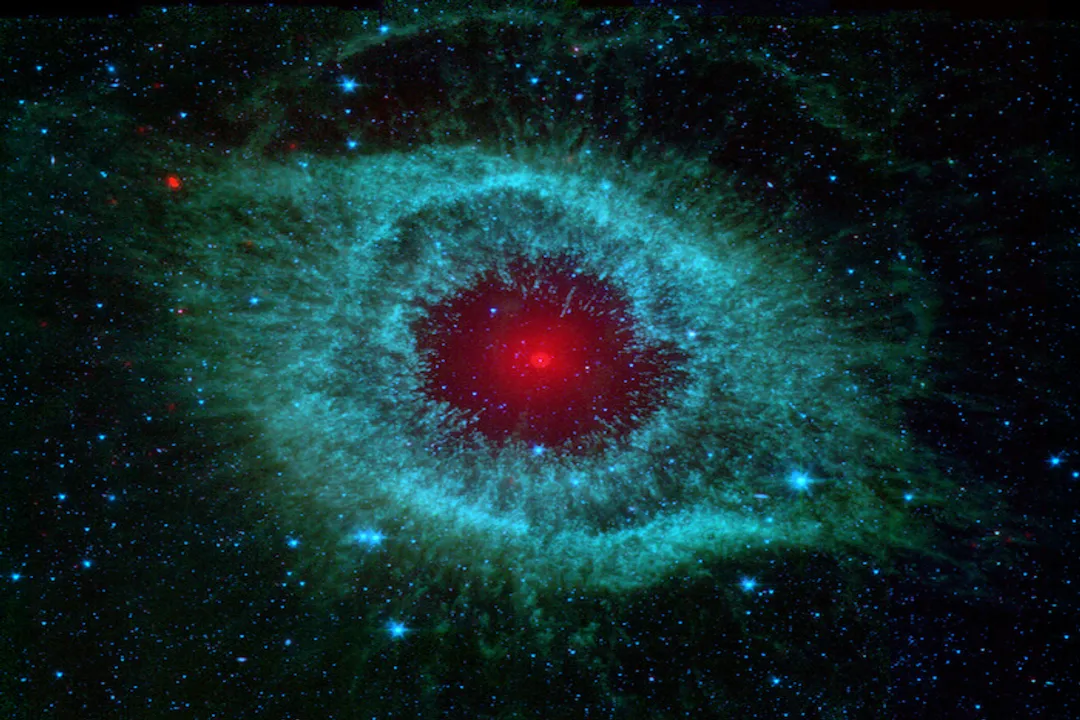
Every star, irrespective of its final size, commences its existence within a Giant Molecular Cloud or Nebula. [5][6] These vast, cold nurseries are interstellar clouds composed primarily of hydrogen and helium, along with traces of heavier elements forged in previous stellar generations. [5] Within these clouds, density variations trigger gravitational collapse. Regions that gather enough material begin to shrink, spinning faster as they contract, a process reminiscent of an ice skater pulling in their arms. [6] This initial collection of matter is the seed from which all subsequent stellar structures grow. [5]
# Proto Star Form
As the cloud fragment continues to collapse under its own gravity, the core heats up intensely due to the conversion of gravitational energy into thermal energy. This hot, dense, collapsing core is known as a Protostar. [5] During this nascent phase, the object is not yet a true star because its core temperature has not reached the threshold required to ignite sustained nuclear fusion. It glows brightly, powered solely by the ongoing gravitational contraction. [5] This stage continues until the internal pressure generated by heat balances the crushing force of gravity, a state astronomers refer to as hydrostatic equilibrium. [6]

# Main Sequence
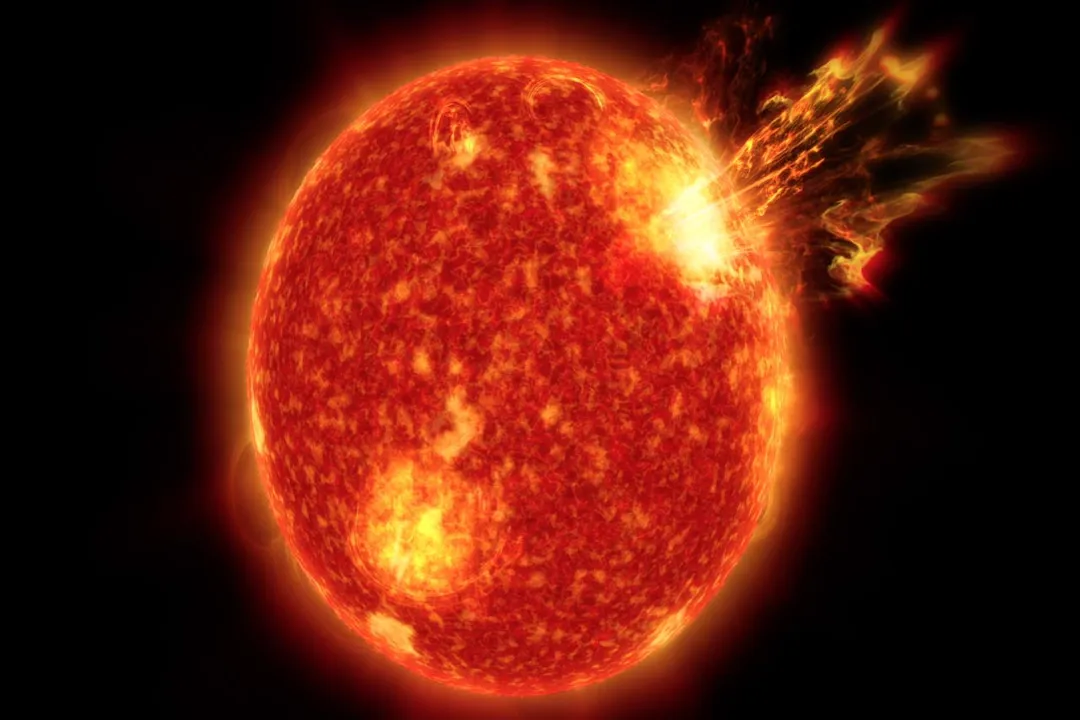
Once the core temperature exceeds approximately 15 million Kelvin, the star achieves true stellar status by initiating the fusion of hydrogen into helium in its core. This crucial step defines the Main Sequence stage. [3][6] For a star classified as "massive" (generally exceeding about eight times the mass of the Sun), this phase is relatively brief compared to the billions of years a smaller star like the Sun will spend there. [6] Massive stars are exceedingly hot and luminous, consuming their nuclear fuel at an astonishing rate due to the immense gravitational pressure requiring higher fusion rates to maintain stability. [6] Because they burn so rapidly, a massive star might only remain on the main sequence for a few million years, a mere cosmic blink. [6]
# Super Giant Swell
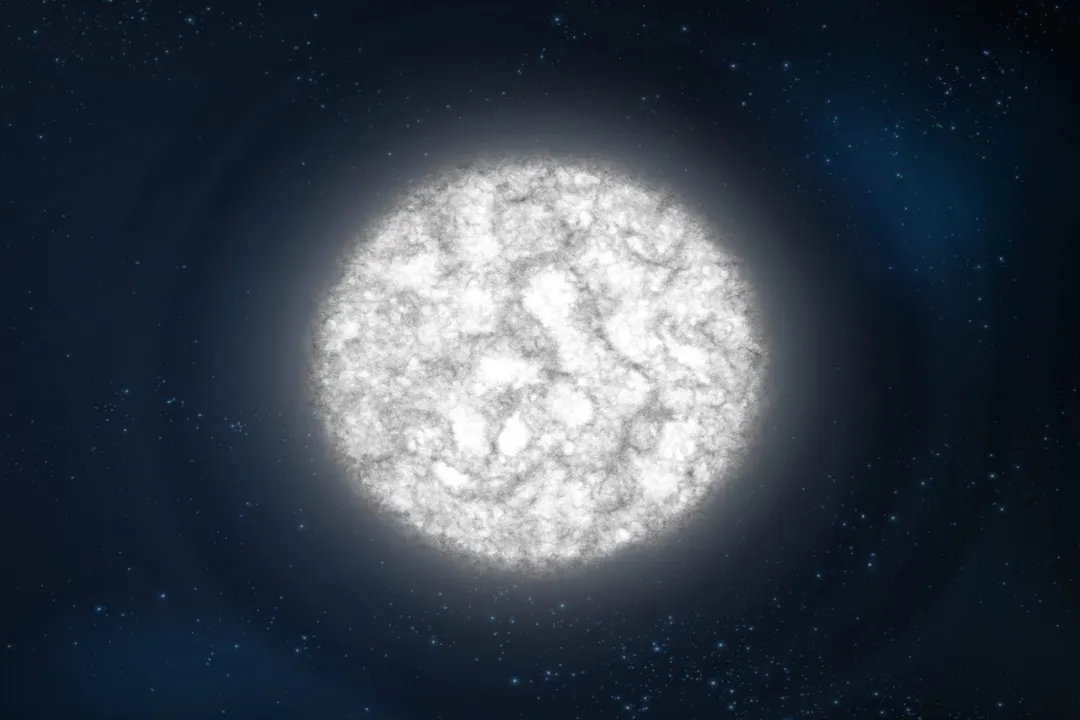
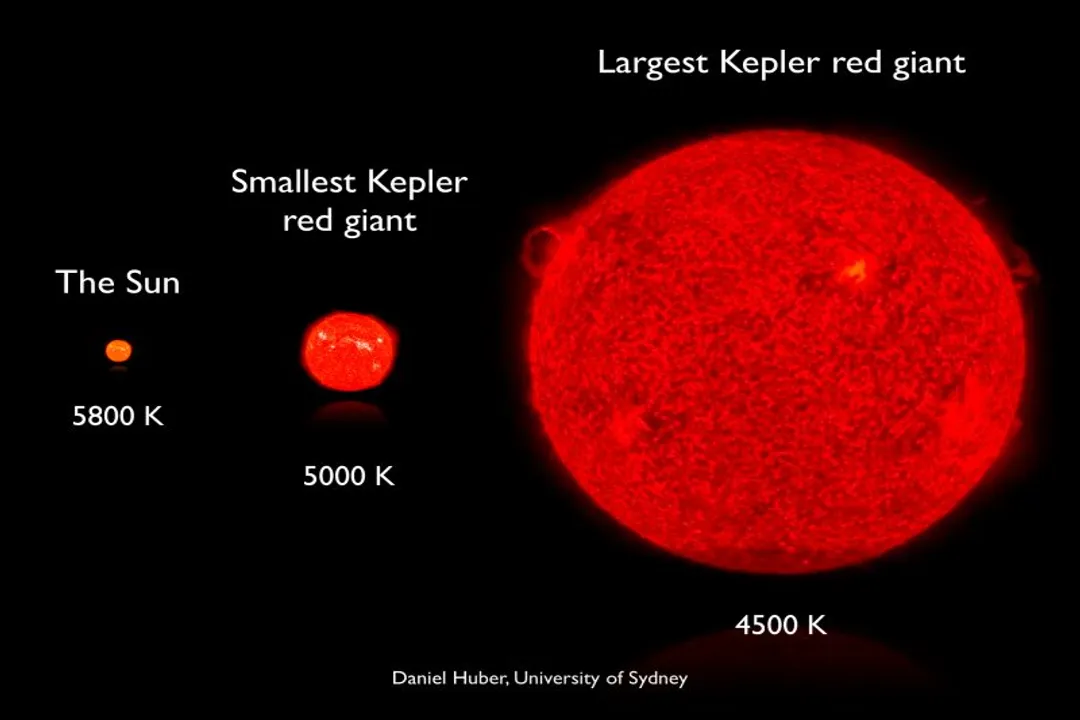
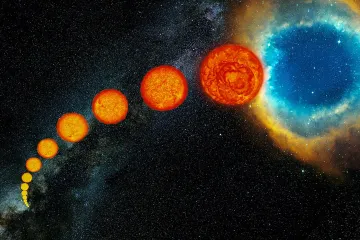
When the hydrogen fuel in the core is exhausted, the core contracts again, causing the outer layers of the star to expand dramatically and cool down. For a massive star, this results in the formation of a Red Supergiant. [1][4][6] This phase is characterized by a shift in the star’s engine. Instead of just fusing hydrogen, the massive core now begins fusing helium into carbon and oxygen. [6] Due to the star's enormous initial mass, this process does not stop there. Subsequent gravitational collapse allows the core to reach temperatures high enough to fuse progressively heavier elements, creating shells of different burning materials around the center, such as neon, oxygen, silicon, and eventually, iron. [1][4]
The sheer complexity of the burning layers within a Red Supergiant is astounding. Imagine an onion with layers of fusion occurring simultaneously: hydrogen burning outside, then helium, carbon, neon, oxygen, and silicon, all leading inward to the iron core. This layered structure represents the last moments before the star’s structure fails. [1][4]
# Core Failure
The fusion chain halts abruptly when the core becomes predominantly iron. [1][6] Iron fusion, unlike the fusion of lighter elements, does not release energy; instead, it consumes energy. This means the core loses its primary source of outward thermal pressure instantaneously. [1] With nothing to counteract the overwhelming gravitational force, the iron core collapses catastrophically in on itself, shrinking from the size of the Earth to a size of just a few miles across in mere fractions of a second. [1][6] This inward implosion generates a massive shockwave that reverses direction and blasts the star’s outer layers into space in a spectacular event known as a Supernova. [1][4][6]
# Violent Demise
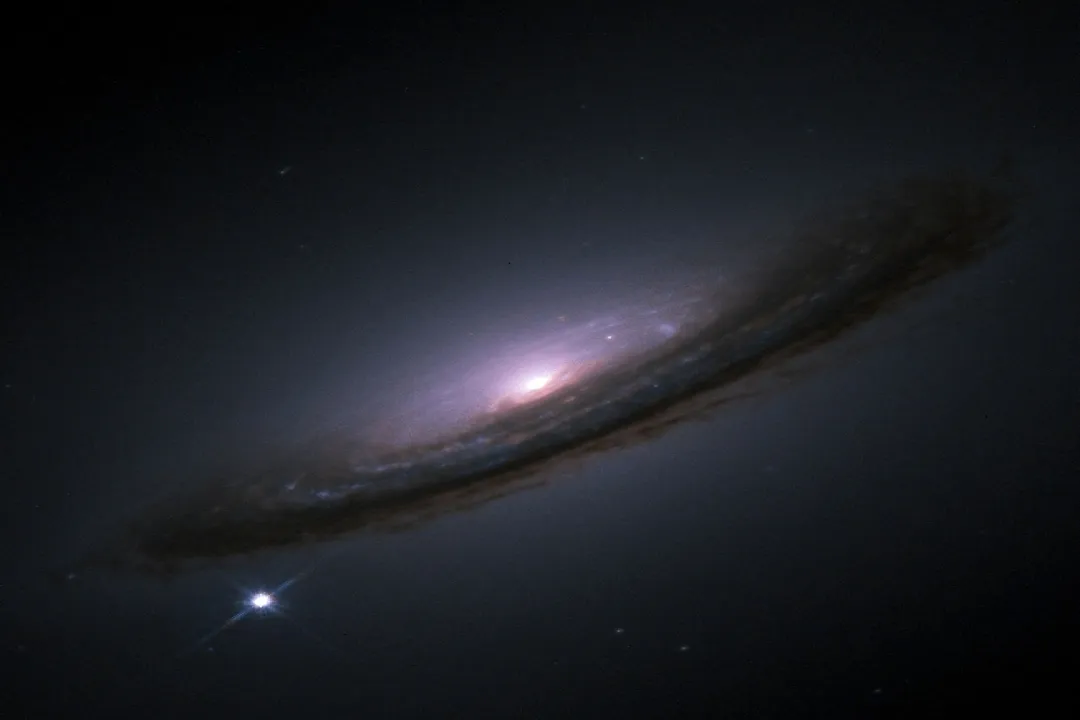
The Supernova explosion is one of the most energetic events in the universe, briefly outshining entire galaxies. [4][6] The incredible energy released during this blast is what synthesizes elements heavier than iron, scattering them throughout the cosmos—including the elements that make up rocky planets and life itself. [1][4] The correct sequence clearly places this explosion immediately following the core collapse of the Red Supergiant. [6] The debris from this explosion forms a supernova remnant, painting the interstellar medium with heavy elements. [4]
# Stellar Remnants
What remains after the supernova depends critically on the mass of the collapsed core that was left behind. If the remnant core mass is between roughly 1.4 and 3 solar masses, the core compresses into an incredibly dense Neutron Star. [1][4] These objects are composed almost entirely of tightly packed neutrons, possessing densities where a single teaspoon of material would weigh billions of tons. [4] However, if the initial star was exceptionally massive, the remnant core will exceed the maximum stable mass for a neutron star (the Tolman-Oppenheimer-Volkoff limit), causing gravity to overcome even neutron degeneracy pressure. In this most extreme scenario, the core collapses completely into a Black Hole, an object with gravity so strong that not even light can escape its grasp. [1][4]
The definitive correct order for the life cycle of massive stars, based on the stages detailed across astronomical descriptions, is: Giant Molecular Cloud Protostar Main Sequence Red Supergiant Supernova Neutron Star or Black Hole. [1][4][6]
# Time Scale Contrast
Observing these stages reveals a crucial difference in stellar evolution based on mass. A fascinating aspect is the sheer disparity in the main sequence lifespan. While our Sun is expected to live for about 10 billion years, a massive star of, say, 25 times the Sun's mass may only spend around 7 million years on the main sequence before it begins its dramatic transition to a red supergiant. [6] This means that for every day a massive star lives out its main-sequence life, the Sun lives through more than 1,400 days. This rapid fuel consumption underpins the spectacular and swift ending these large stars experience.
# Mass Determination
A key insight into stellar evolution, often overlooked when focusing only on the sequence, is that the initial mass sets the trajectory, but the final mass of the core dictates the outcome. While the Red Supergiant phase involves significant mass loss through stellar winds and, eventually, the supernova explosion itself, the critical factor determining the remnant is the mass of the object left after the explosion. [1][4] If the remnant core lands below the threshold that leads to a black hole, it becomes a neutron star; if it surpasses that limit, the ultimate fate is a black hole. It is this final mass assessment, rather than just the initial stellar classification, that assigns the star its final label. [4] Understanding this transition point—the mass limit defining the boundary between a neutron star and a black hole—is essential for accurately modeling the end state of the universe's largest stars.
Related Questions
#Citations
Life Cycle of Stars Flashcards - Quizlet
Solved: Which of the following list the correct order of the life cycle of ...
What is the correct order of the life cycle of massive stars? Option 1
The Life Cycle of a Star - Little Passports
How Stars Form: A Star's Life Cycle in Six Stages - KiwiCo
Stellar Evolution - | The Schools' Observatory