Did supernovas create life?
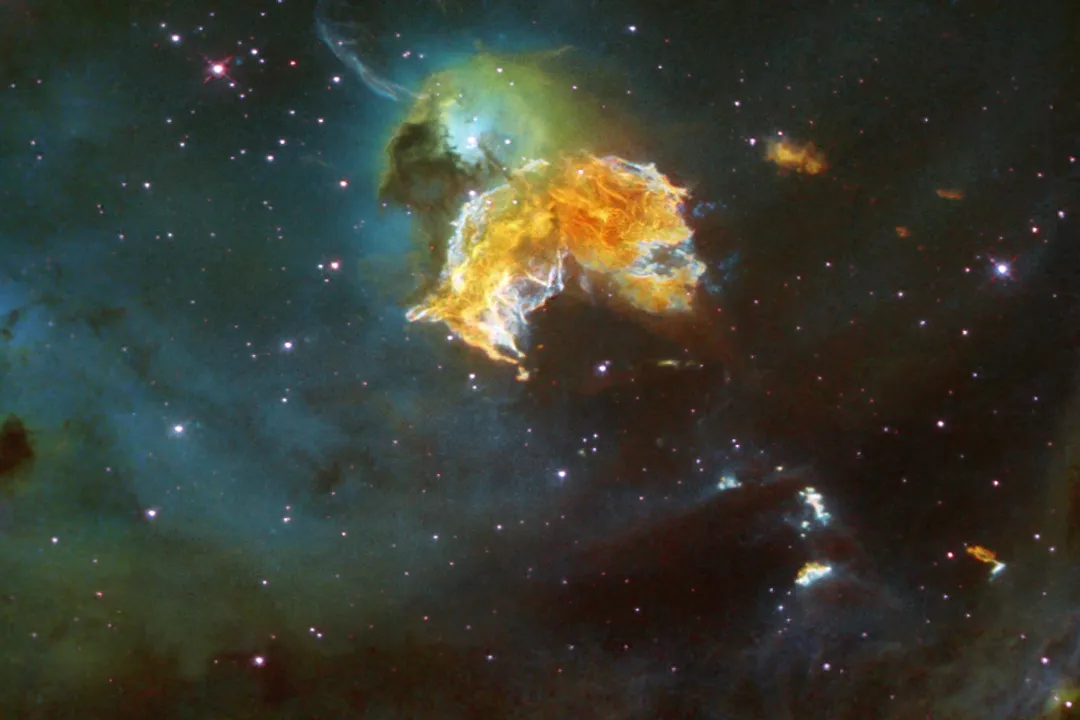
The remnants of colossal stellar explosions litter the cosmos, and it is true that the very atoms making up our hands, our planet, and the air we breathe owe their existence to these cataclysmic events. [2][4] When we look at the question of whether supernovae created life, the answer is complex, resting on the distinction between providing the necessary chemical building blocks and instigating the biological processes themselves. Supernovae are undeniably responsible for manufacturing and distributing the heavy chemical elements required for any known form of life to emerge. [5][7]
# Stellar Cooking
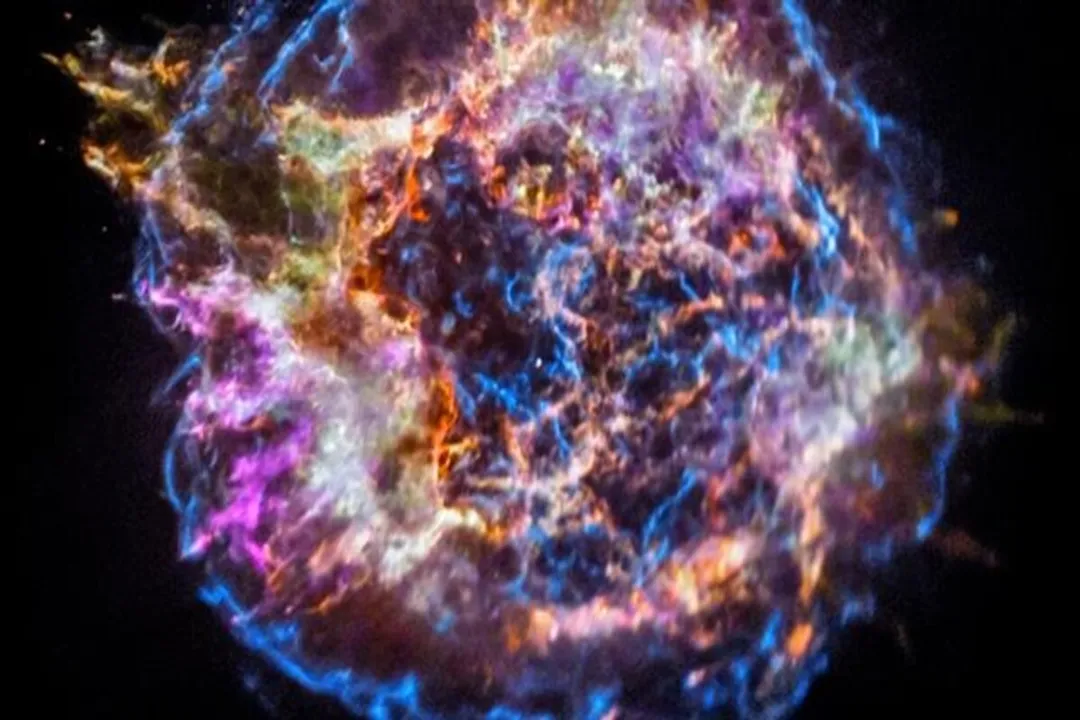
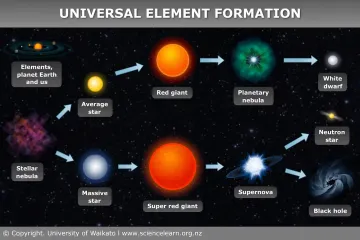
Stars spend the majority of their lives in a stable state, engaging in nuclear fusion deep within their cores. [1] Throughout this long, calm phase, they act as giant furnaces, converting lighter elements into heavier ones through standard fusion processes. [1] Hydrogen fuses into helium, and as the star ages and heats up, it moves on to fuse helium into carbon, and so on, building up the periodic table one step at a time. [1] This stellar alchemy stops, however, when the core converts its fuel into iron. [1] Iron represents a kind of chemical dead-end for normal stellar life; fusing iron actually consumes energy rather than releasing it, leading to the star's inevitable gravitational collapse. [1]
# Heavy Element Birth
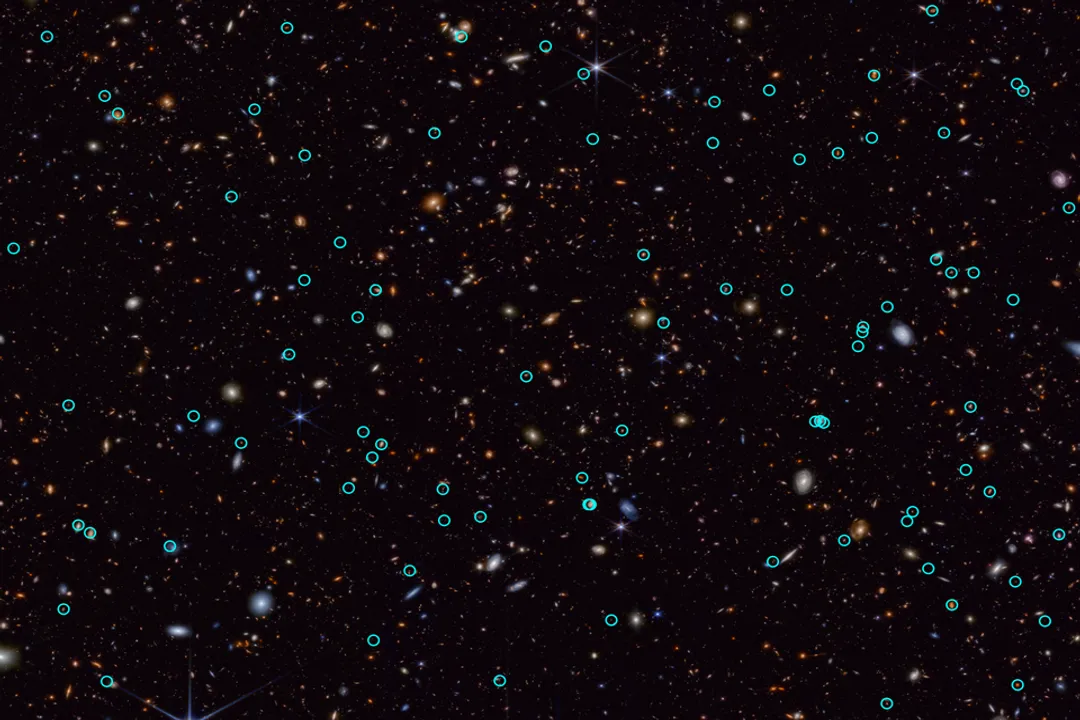
The true chemical artistry happens only when that massive star runs out of fuel and its core collapses violently in a supernova explosion. [1][7] This explosion is far more energetic than routine fusion, generating the extreme pressure and heat necessary to force atomic nuclei together in ways that are impossible under normal stellar conditions. [1] It is in this brief, spectacular moment that elements heavier than iron—such as gold, silver, and uranium—are forged. [1][4] This rapid creation process, often involving the capture of many neutrons very quickly, ensures that the universe is seeded with the rare and weighty materials that constitute much of what we interact with daily. [1] Without this explosive event, our stellar neighborhoods would be largely limited to hydrogen, helium, and the elements up to iron. [1]

# Cosmic Seeding
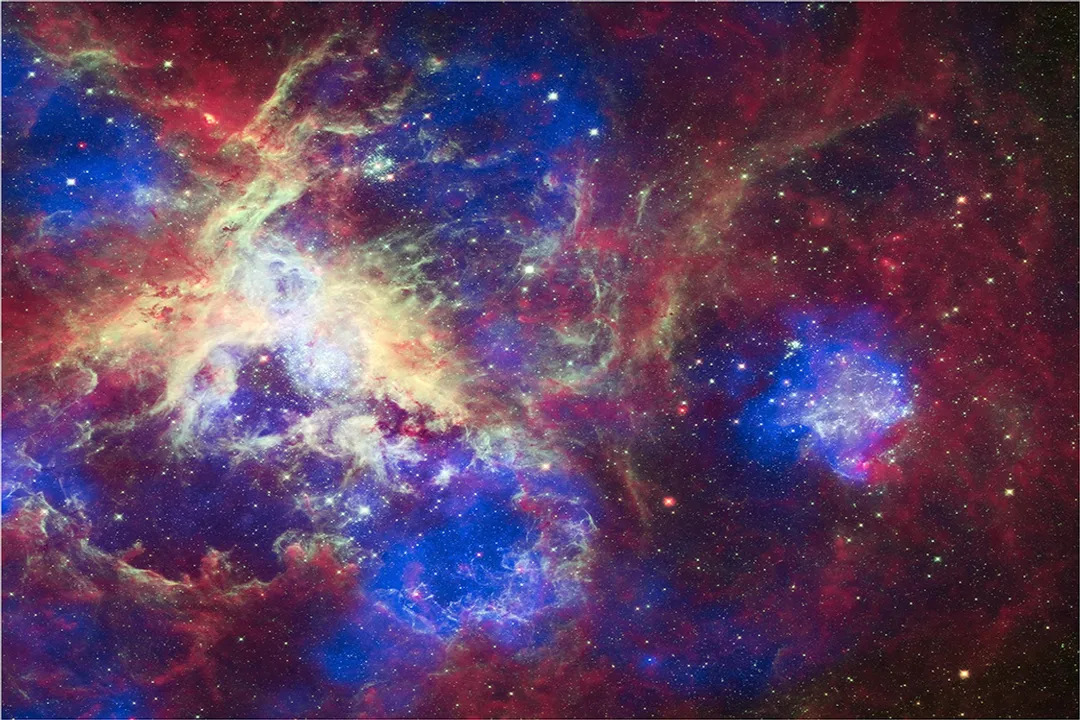
Once these heavy elements are created in the furnace of a dying star, they need a way to get out. The supernova explosion is the mechanism for this dispersal. [4] The shockwave generated by the collapsing core blasts the newly synthesized material outward into the interstellar medium at incredible speeds. [4][6] This enriched material then mixes with existing clouds of gas and dust floating between stars. [4] Over vast stretches of cosmic time, these enriched clouds can eventually clump together under gravity to form new generations of stars and, importantly, the planetary systems orbiting them. [4] For instance, the remnants of a supernova explosion like Cassiopeia A, which occurred around 340 years ago (in astronomical terms), continue to be studied today as a source of expanding, chemically rich material in our galaxy. [9] This process is essentially cosmic recycling, ensuring that subsequent stellar generations begin with a richer chemical inventory than the first. [6]
# Stardust Identity
The elements distributed by supernovae are precisely the ones that life on Earth depends upon. We are, quite literally, made of this recycled stellar ash. [2] Consider the basic needs of terrestrial biology: carbon forms the backbone of all organic molecules; oxygen is essential for respiration and water; nitrogen is required for DNA and proteins; and iron is vital for transporting oxygen in our blood. [2][5] All these elements were initially cooked inside stars, with the heavier ones like iron gaining their crucial structure through the violent supernova mechanism. [2]
This necessity for specific elemental proportions suggests a fascinating layer to the equation. It is not merely that the elements exist; it is that the right elements must exist in the right ratios and be made available relatively recently in cosmic history for complex biology to take hold. [2] If our solar system had formed in a region far too poor in carbon and oxygen, or conversely, one overwhelmingly saturated with highly radioactive, short-lived elements leftover from an immediate prior explosion, the stable conditions needed for billions of years of evolution simply would not have materialized. [4] The environment must be chemically ripe, not just chemically present.
# Timing Proximity
While supernovae manufactured the raw ingredients, the claim that they created life implies a more direct mechanism, perhaps even seeding life itself. The evidence points toward them being the essential precursors rather than the initiators. [7] Life, as we understand it, requires complex chemistry, liquid water, energy sources, and time—a lot of time.
If we consider a nearby supernova event that happened, say, only 50 million years before the Sun formed, the resulting Solar Nebula might have been too hot, too dense, or too irradiated to allow for the slow accretion of rocky planets like Earth. [4] A nearby, recent supernova could have blasted the forming solar system with lethal levels of cosmic rays, potentially sterilizing any nascent biological activity or preventing planetary cores from stabilizing properly. Conversely, if the required heavy elements had taken an extra billion years to be synthesized and distributed by supernovae, the building blocks for Earth's iron core—which helps generate the protective magnetic field—might not have been available when the Sun formed, leaving a planet vulnerable to solar winds. [7] The existence of life on Earth required a specific sequence: massive stars had to live, die, and then have enough time pass for the resulting debris cloud to settle, cool, and begin forming a stable, second-generation solar system. [6]
# Further Investigation
Studying the chemical signatures within supernova remnants helps scientists trace these origins. [5] Techniques allow researchers to analyze the ejected material, confirming the presence of elements formed only under those extreme conditions. [9] This detective work confirms the path from stellar core to terrestrial biology. [5] Therefore, to say supernovae created life might be slightly inaccurate terminology; it is more precise to say they initiated the chemical evolution required for life to become possible. [7] They provided the periodic table that life then ingeniously organized. [2] The explosion did not write the first DNA strand, but it delivered the carbon and oxygen atoms that would eventually form it. [5]
#Videos
Discover How Ancient Supernovas Created Life | Science Channel
Related Questions
#Citations
ELI5: how do elements formed in stars make their way to Earth if the ...
Are we made of stardust? | Natural History Museum
Discover How Ancient Supernovas Created Life | Science Channel
How supernovae have affected life | Astronomy.com
Studying Supernovae, Finding the Origins of Life | Weizmann USA
Supernovas & Remnants | Center for Astrophysics
Supernova - Wikipedia
Is it true that supernovae created life on Earth? - Quora
See How a Massive Supernova Released the Building Blocks of Life