How do vaccines create long-term immunity?

The ability of a vaccine to provide protection that lasts for years, sometimes a lifetime, hinges on its power to teach the body’s defense system a very specific, yet safe, lesson. This process is less about instantly building an impenetrable wall and more about creating a highly specialized, ready-to-deploy security force within the body. The goal of vaccination is to mimic the process of natural infection just enough to generate immunological memory without the severe consequences of the actual disease. [2][4]
# Immune Training
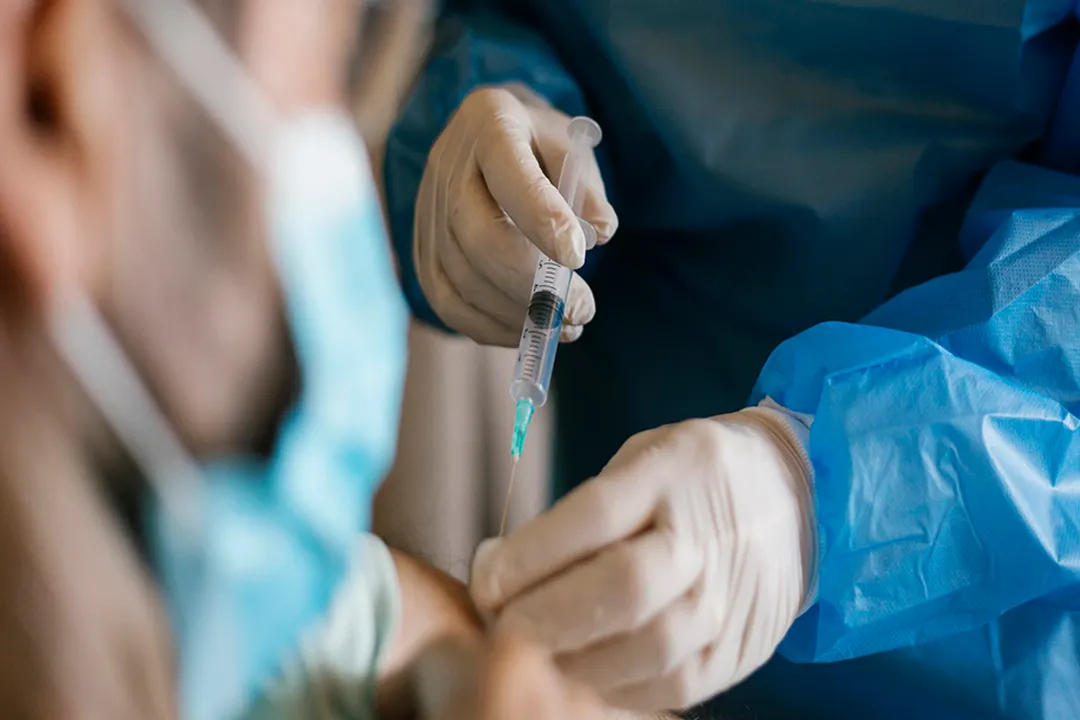
Vaccines work by presenting the immune system with an antigen—a molecular structure from a pathogen (like a virus or bacterium) that the body recognizes as foreign. [1][4] This introduced material can take several forms: it might be a killed version of the germ, a severely weakened living version, or even just a small piece of the germ’s protein coat or genetic code. [1][2][6] Regardless of the format, the presentation must be convincing enough for the immune system to take notice and react. [4]
When the vaccine is administered, the body treats the antigen as if a genuine invasion is underway. Specialized cells called antigen-presenting cells engulf the material and travel to nearby lymph nodes, which are essentially the training grounds for the immune response. [4] Here, they show the antigen to naïve T cells and B cells—the cells that have never encountered this specific threat before. [1][4] This initial encounter is the primary immune response.
# Cellular Memory
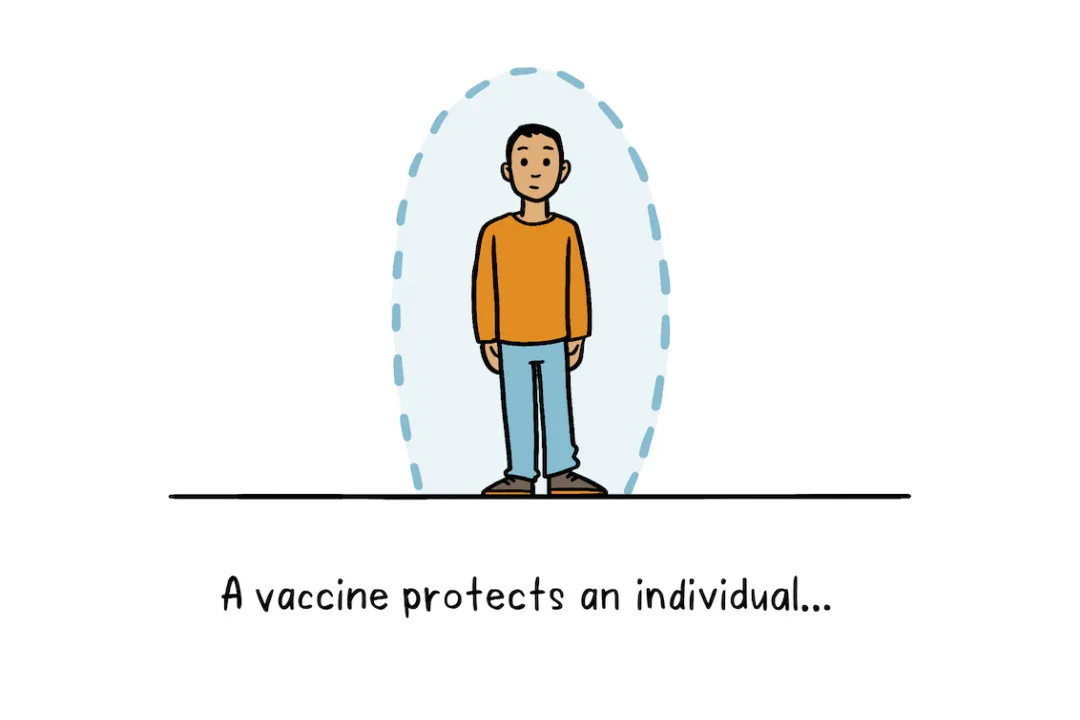
Long-term immunity is fundamentally dependent on the creation of memory cells. [1][4] During the primary response, after the B and T cells have worked to neutralize the perceived threat, most of the activated cells die off once the "danger" has passed. [4] However, a subset of these highly specialized cells transforms into long-lived memory B cells and memory T cells. [1][4]
These memory cells are the biological archives of past infections. They patrol the body for years, sometimes decades, remaining relatively quiet unless they encounter the specific antigen they were trained to recognize. [4] Think of it like a specialized reserve unit. The initial training is intense, involving rapid proliferation and differentiation to build up forces capable of fighting the current threat, but the long-term asset is the smaller, highly experienced reserve squad that remains on standby. [1] These memory cells circulate in the blood and reside in tissues, poised for immediate action. [4]
# Rapid Response

The real magic of long-term vaccine-induced immunity manifests when the body encounters the real, dangerous pathogen later on. If an unvaccinated person is exposed to a pathogen, their immune system must start from scratch—identifying the threat, activating the correct naïve cells, multiplying them, and finally producing protective antibodies. This takes time, often several days or weeks, which is the window during which the person gets sick. [1]
In contrast, a vaccinated person benefits from the secondary or anamnestic response. [1] Upon re-exposure, the memory B and T cells recognize the invader almost instantly. [4] This recognition triggers a much faster, more powerful mobilization than the first time around. Memory B cells quickly multiply and start producing much higher quantities of antibodies, and memory T cells are ready to directly destroy infected cells. [1] Because this process is so swift, the pathogen is typically stopped before it can replicate enough to cause noticeable illness. [2]
To put this into perspective, the primary response to a pathogen might take 7 to 10 days before sufficient functional antibodies are circulating. The secondary response, however, can begin producing effective levels of antibodies within 1 to 3 days, sometimes even faster, depending on the vaccine and the pathogen. [1]
| Response Type | Stimulus | Key Cell Activity | Time to Effective Protection |
|---|---|---|---|
| Primary | First exposure (natural or vaccine) | Naïve cell activation and proliferation | Days to Weeks |
| Secondary | Re-exposure (real pathogen) | Memory cell activation and massive proliferation | 1 to 3 Days |
# Immunity Duration
The length of time a vaccine protects an individual isn't fixed; it varies significantly depending on the disease, the vaccine technology used, and the individual’s own immune system health. [7] While some vaccines, like those for measles, confer protection that often lasts a lifetime after two doses, others require periodic reinforcement. [7]
The decline in protection occurs because the numbers of circulating memory cells slowly decrease over time, and the concentration of protective antibodies in the bloodstream naturally wanes. [7] This fading effectiveness does not necessarily mean the person is completely unprotected, as long-lived memory cells are still present, but the immediate "firepower" against a sudden high-dose exposure is reduced. [4] This is where booster shots come into play. A booster dose is essentially a strategic, controlled re-exposure designed to reactivate those quiescent memory cells and refresh the system's awareness. [7] It doesn't just top up the antibody levels; it significantly expands the pool of memory cells, ensuring a larger, more potent army is ready for any future encounter with the real germ. Consider it like mandatory annual refresher training for a highly specialized team; the skills are retained, but performance peaks after the regular drill. [7]
# Natural Versus Vaccine Protection
Both surviving a natural infection and receiving a vaccination result in immunological memory, but the paths to that memory carry vastly different associated risks. Natural infection forces the immune system to mount a full, often complex, defense against a replicating pathogen, which can lead to severe illness, hospitalization, or even death. [2] Furthermore, the severity of the initial infection can sometimes negatively impact the quality or durability of the resulting memory. [8]
Vaccines, by design, bypass this dangerous trial-and-error process. They deliver the necessary signal—the antigen—in a way that avoids widespread systemic damage while still activating the full spectrum of immune components needed for memory formation. [2][8] While some vaccines might induce a milder, temporary side effect representing the immune system working, this is a vastly preferable trade-off compared to the potential complications of the actual disease. For example, achieving immunity to polio naturally requires the virus to enter and potentially attack the central nervous system, a risk entirely eliminated by the inactivated polio vaccine. [8]
# Antibody Titer Levels
When tracking long-term protection, scientists often measure the antibody titer, which is the concentration of protective antibodies circulating in the blood. [1] While a high titer is a good indicator of immediate protection, it is not the sole determinant of long-term immunity. The memory B cells are the true guarantors of sustained protection. [4] A person might have a low, barely detectable antibody titer months or years after vaccination, yet still be perfectly protected because their memory cells can rapidly generate a massive antibody response upon re-exposure. [1][4] Research continues to refine our understanding of what constitutes the correlate of protection—the minimum level of immune response needed to prevent infection or severe disease for various diseases. [1]
# Sustaining Defenses
The commitment of the body to maintaining long-term memory is remarkable, but it requires a clear biological signal. For some diseases, the immune system is extremely adept at remembering the threat for decades, perhaps due to the nature of the pathogen itself or the way the vaccine presented the antigen. [7] For others, the memory response needs regular stimulation, which is why childhood immunization schedules are so critical—they ensure that memory banks are continually reinforced during periods of rapid growth and immune system development. [7] Maintaining this protection is a continuous biological process, not a single, static event achieved on vaccination day. [8]
Related Questions
#Citations
Explaining How Vaccines Work
How do vaccines work?
Vaccines
The Biology of Vaccines | Johns Hopkins
Immune Response to Vaccine Antigens - NCBI - NIH
Vaccine Science: How Are Vaccines Made?
Why Some Vaccines Last A Lifetime and Others Don't
Why vaccination is important and the safest way to protect ...
Blood test can predict how long vaccine immunity will last ...
How Vaccines Help Prevent Disease