How long does poison last in soil?
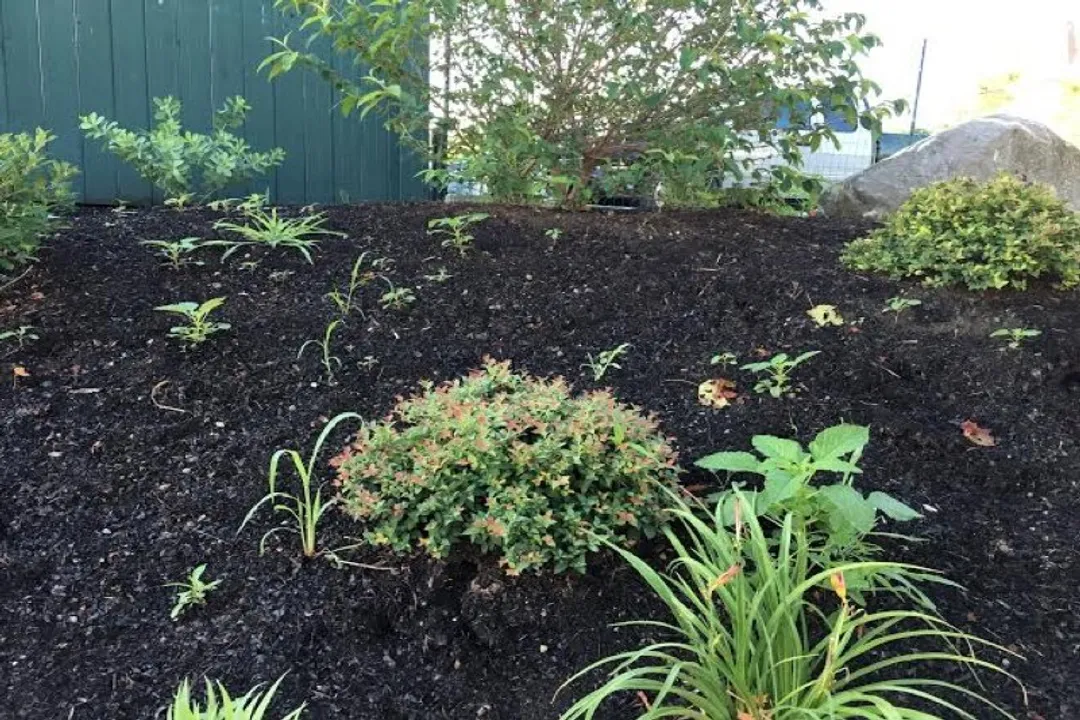
The persistence of undesirable chemicals in garden soil is a significant concern for anyone cultivating food, maintaining a lawn, or simply wanting a healthy patch of earth. Determining how long a poison lasts isn't a simple matter of checking a calendar; the answer depends entirely on the specific substance involved and the environment it encounters. What might deactivate in a week could leave a residue that lasts for years, and the term "poison" covers everything from common systemic herbicides to natural oils. [1][3][9]
# Chemical Variation
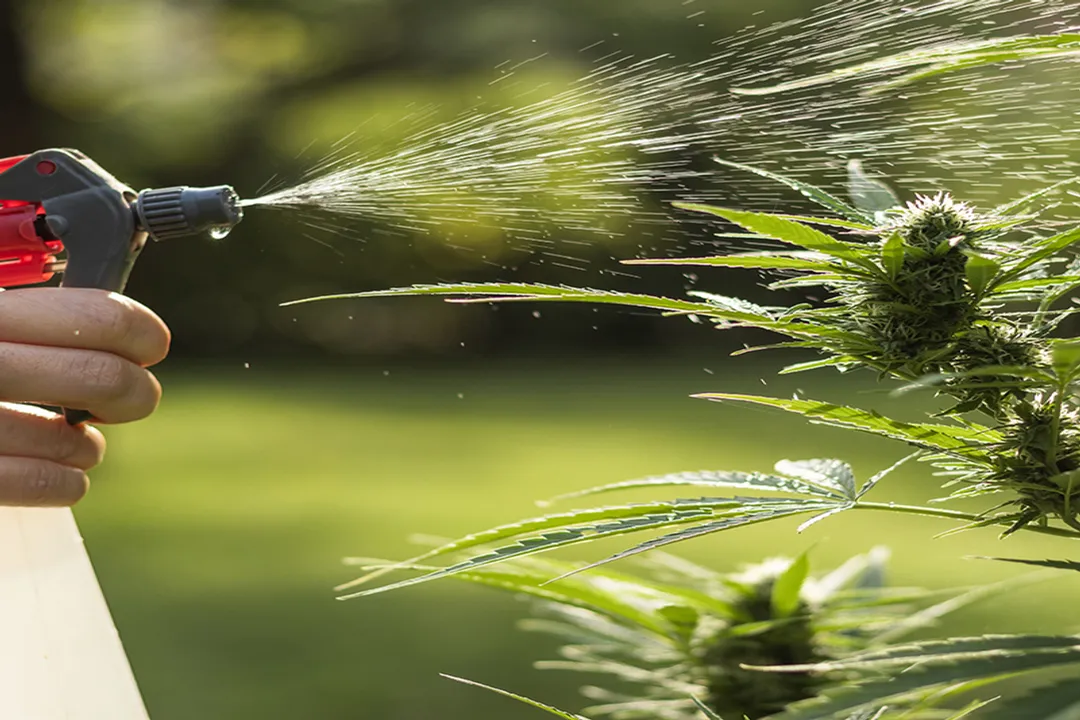
It is essential to first differentiate between the types of chemicals that might contaminate soil. Many common residential weed control products fall into two broad categories: those that act immediately upon contact with foliage, and those designed to offer residual control by staying active in the soil for a period. [1] Products meant to prevent weed seeds from germinating, for instance, must remain active in the upper soil layers for weeks or months to be effective against new growth. [3] Conversely, contact herbicides or systemic herbicides like glyphosate are often characterized by their relatively short soil half-lives. [5]
Comparing the breakdown of entirely different substances highlights the range of persistence. For instance, the oil urushiol, the substance responsible for the rash from poison ivy or poison oak, is chemically very different from synthetic herbicides. [9] Urushiol has been observed to persist in the soil for significant periods, potentially spanning several years depending on the site conditions. [9] This contrasts sharply with widely used broad-spectrum herbicides, which often break down much faster. [2][7]
# Glyphosate Duration
The most frequently discussed chemical in online forums and homeowner discussions is glyphosate, the active ingredient in many popular "weed and kill" products, often branded as Roundup. [2][5][7] When glyphosate enters the soil, it generally binds quickly to soil particles, which inactivates its herbicidal properties. [7] This rapid binding is crucial because it means that while the molecule is physically present, it may not be biologically active enough to harm subsequent plantings. [2][7]
Reports suggest that glyphosate itself can often be broken down by soil microbes within a few weeks. [3] Many anecdotal reports and expert opinions estimate that the effective presence of glyphosate, meaning the time before you can safely plant sensitive crops, is short—sometimes cited as only a few days to a couple of weeks. [2][5] One expert assessment indicated that while the detectable chemical may linger, inactivation can occur quite rapidly. [7] However, it is important to remember that these timelines are averages; a period of one to six weeks is a more conservative estimate for full clearance in some contexts. [5]

# Factors Driving Change
The speed at which any poison breaks down is highly dependent on the specific environmental conditions of the soil itself. [1][3][6] This variability explains why one person might see quick results while another experiences prolonged issues with the same product.
Microbial activity is perhaps the single most important driver of chemical breakdown in the soil. [3][6] Healthy, active soil teeming with diverse microorganisms will naturally degrade many organic compounds, including herbicides, far more quickly than depleted or sterile soil. [3] Temperature plays a direct role here; warmer soils generally support more active microbes, speeding up degradation compared to cold winter months. [1]
Moisture is another critical element. While the soil cannot be waterlogged—as that can starve microbes of necessary oxygen—a soil that is too dry will drastically slow down the biological processes required for breakdown. [1][3] The soil’s physical and chemical structure also matters immensely. Soils high in organic matter, like rich compost or heavy clay, tend to bind chemicals more tightly than sandy soils. [1] This binding can temporarily make the chemical unavailable to plants, but it can also shield the molecule from microbial attack, sometimes slowing its ultimate degradation. [1] Furthermore, soil pH can influence chemical stability; certain compounds are more stable and less prone to breakdown in specific pH ranges. [3]
Here is a comparative look at how some factors influence persistence:
| Condition | Effect on Biodegradation | Example Change |
|---|---|---|
| High Organic Content | Can slow degradation by binding | A clay loam vs. pure sand |
| Warm Temperature | Accelerates microbial action | 80°F vs. 40°F soil temperature |
| Adequate Moisture | Supports active microbe population | Moist soil vs. arid soil |
| High pH | May stabilize some compounds | Chemical longevity slightly increased |
The inherent formulation of the product is equally important. Even within the category of residual herbicides, one product might break down in three months while another is engineered to last six months or more for season-long weed control. [1][3] If a product is specifically labeled as a pre-emergent or residual herbicide, the expectation should be that it remains active for the duration stated on the label, which could be months. [1]
# Considering Oils
When looking at natural contaminants, the decay timeline shifts dramatically. Urushiol, as mentioned, is notoriously long-lived. [9] While sunlight, temperature fluctuations, and the presence of certain microbes can eventually neutralize it, this process is slow and unpredictable in an outdoor soil setting. [9] In a garden where someone is concerned about contact dermatitis from handling poison ivy trimmings, the residual urushiol in the soil beneath the plant mass could be a factor for several growing seasons. This highlights a crucial point: even naturally occurring compounds, if toxic or allergenic, can persist far longer than synthetic chemicals designed for rapid environmental deactivation. [9]
# Soil Assessment
For the average gardener dealing with an unknown chemical history, waiting passively may not be the best course of action, especially if planting vegetables soon. Since microbial action is the key to breaking down most herbicides like glyphosate, a gardener can actively encourage this process. [3][6] A practical step is to amend the soil generously with high-quality, mature compost or aged manure. [3] This practice instantly increases the microbial biomass available to consume the contaminant. Lightly tilling or working the top few inches of soil can also help aerate the area, further boosting the microbes' ability to function efficiently, provided the soil isn't too compacted or wet to begin with. Another actionable technique involves planting "accumulator" cover crops—non-edible plants known for their ability to uptake compounds—though this requires careful research to select a plant that specifically aids in breaking down the suspect chemical rather than simply storing it.
The concept of persistence versus availability often confuses people trying to interpret soil test results or wait times. A chemical residue can be technically present in the soil, meaning a highly sensitive lab test could detect trace amounts years later, but it might be so tightly bound to clay or organic matter particles that it is biologically inert—it cannot be absorbed by plant roots or interact with soil life. [7] Therefore, for practical gardening purposes, the concern is less about the absolute zero-parts-per-million measurement and more about the period when the concentration is high enough to cause phytotoxicity (harm to plants). [7] Often, the perceived persistence is much longer than the actual period of active toxicity.
# Managing Residue
When in doubt about a persistent chemical, especially those used for residual control, physical removal or soil replacement is the most certain, albeit drastic, remedy. [1] For small areas, carefully excavating the top six to twelve inches of contaminated soil and replacing it with fresh, clean topsoil can provide immediate peace of mind for sensitive crops. [1] For larger areas, one might consider planting a "sacrificial crop" that is highly tolerant of the specific herbicide in question, effectively using that crop as a biological sponge to draw down the active ingredient over a full season before proceeding with desired plantings. [6] This is a calculated risk that requires knowledge of the chemical's mode of action.
Ultimately, soil is a living system, and it possesses an impressive, albeit sometimes slow, capacity for self-remediation. [3][6] While certain highly stable, man-made chemicals can linger for decades, most common residential weed killers have environmental half-lives measured in days or months, governed by the combined forces of sun, water, temperature, and microbial action. [1][3] Understanding what was applied and what conditions your soil currently offers for microbial life provides the clearest path forward for judging the remaining lifespan of any unwanted substance in your garden bed.
Related Questions
#Citations
How Long Does Weed Killer Last In The Soil - Gardening Know How
How long does roundup stay in the soil? : r/homeowners - Reddit
How Long Does Weed Killer Stay Toxic? Non-Toxic Herbicides to Try
Soil poison application time and plant safety - Facebook
How long does roundup last in the soil? - Quora
How Long Does Weed Killer Stay in Soil? - SNS Blog
weed control - How long before poisons like Round-up become inert?
How long does a systemic stay in the soil? - Permies.com
How long for urushiol to break down in soil? - Houzz