What effects could chemicals have if they get into soil?
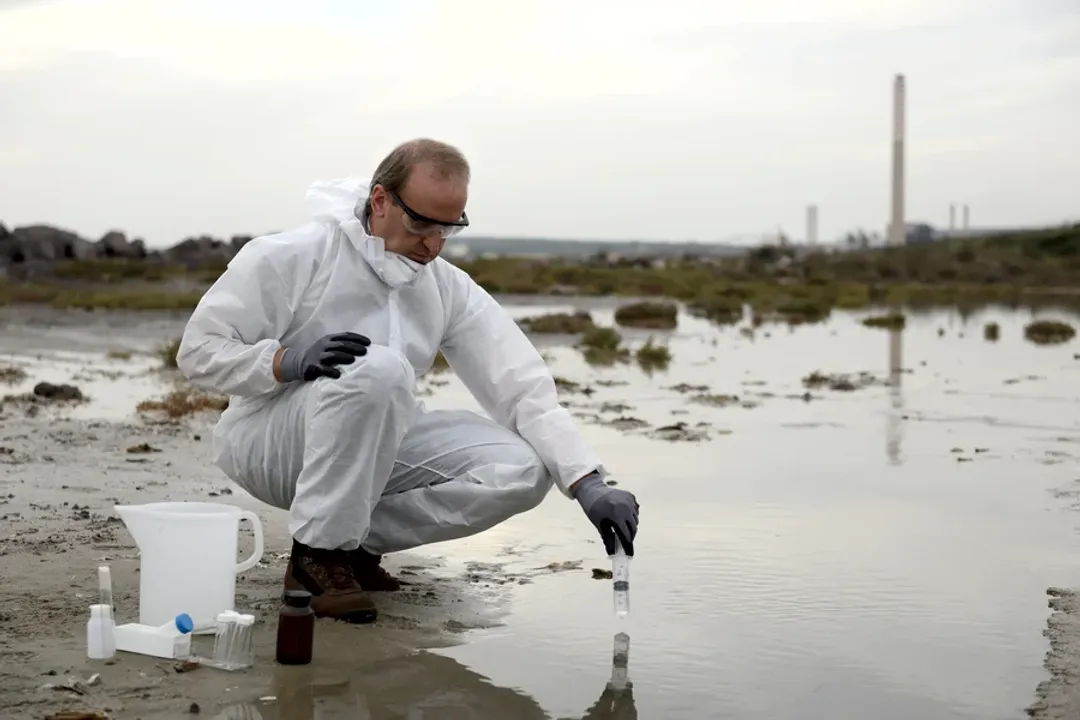
The health of the ground beneath our feet is intrinsically linked to the health of everything that grows in it, drinks from it, and lives within it. When various chemicals find their way into the soil, the resulting effects ripple outward, touching everything from microscopic life to human populations. Soil contamination isn't just about discoloration or bad smells; it involves complex chemical interactions that alter the very structure and function of this vital natural resource. [6] The introduction of pollutants can disrupt essential nutrient cycles, harm beneficial organisms, and create long-term hazards for anyone living near or utilizing the affected land. [1][8]
# Entry Points

Understanding the effects requires first acknowledging how these unwelcome guests arrive. Soil contamination stems from both natural processes and, more commonly in recent history, human activities. [6][9] While some elements, like arsenic, can occur naturally, the most significant problems arise from anthropogenic sources. [9] Industrial activities are major contributors, releasing byproducts or disposing of waste improperly, leading to the introduction of heavy metals and various organic compounds. [2][9] From an environmental law perspective, legacy sites often face litigation concerning contamination stemming from historic waste disposal practices that were not regulated by modern standards. [4]
Agriculture adds another significant pathway. The widespread application of pesticides, herbicides, and fertilizers, designed to protect crops or boost yields, inevitably leaves residues behind. [8] While these chemicals aim for specific targets, they are rarely contained perfectly, and runoff or leaching moves them into the wider soil matrix. [8] Furthermore, domestic sources, like improper disposal of household chemicals, leaking underground storage tanks at gas stations, or even the simple deposition of atmospheric pollutants, all contribute to the overall chemical load in the soil environment. [2][6][9]
# Contaminant Mobility
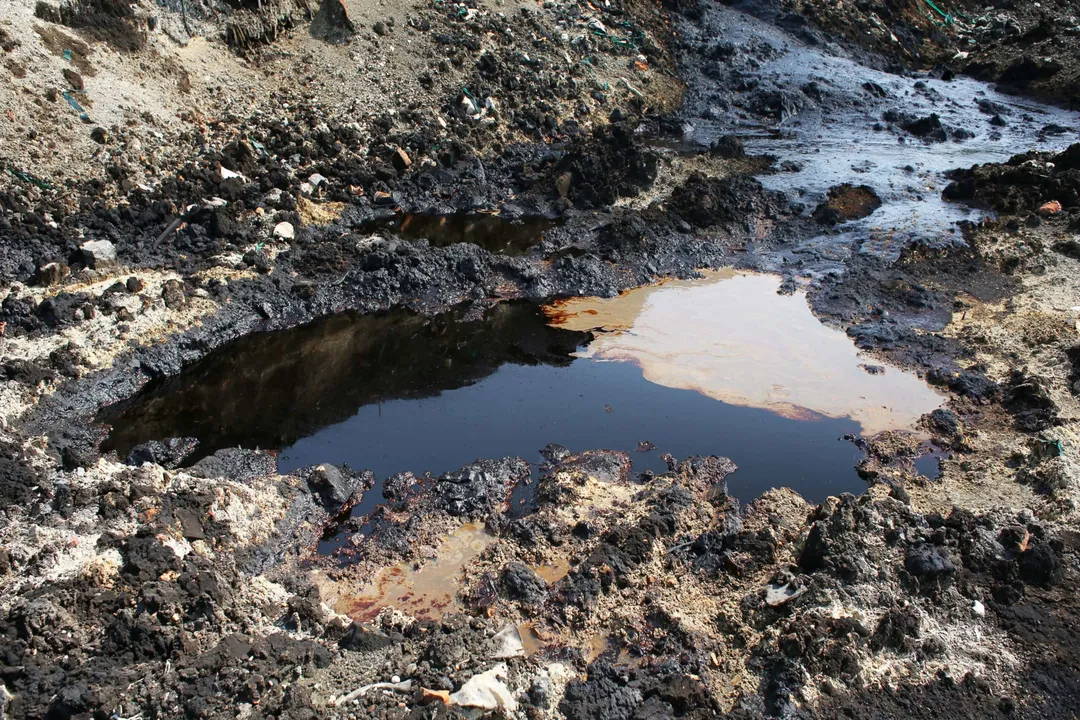
Once a chemical enters the soil, its subsequent effects are heavily dictated by how it moves or doesn't move. This mobility is a critical factor in determining the scope and immediacy of the hazard. [6] Different compounds interact with soil particles—clay, silt, sand, and organic matter—in varied ways. Some chemicals readily bind to soil components, meaning they stay relatively localized near the contamination source, perhaps building up to very high concentrations over time. [6] For instance, certain heavy metals tend to adsorb strongly to soil particles, resisting easy movement. [1]
Contrast this with highly mobile substances. Solvents or certain petroleum products may not bind as strongly, allowing them to move downward through the soil profile, a process called leaching. [6] This downward movement can lead to the contamination of groundwater resources, which serve as drinking water supplies for many communities. [1] A rapid leaching contaminant poses a threat to subsurface water resources relatively quickly, whereas a strongly bound contaminant presents a chronic exposure risk to anything rooted in that specific layer of soil, like vegetable gardens or trees. [6] Thinking locally, if your property has sandy soil with low organic content, mobile contaminants will move much faster than they would in rich, dark loam, demanding a different assessment of the immediate threat zone. [1]
# Human Exposure Routes
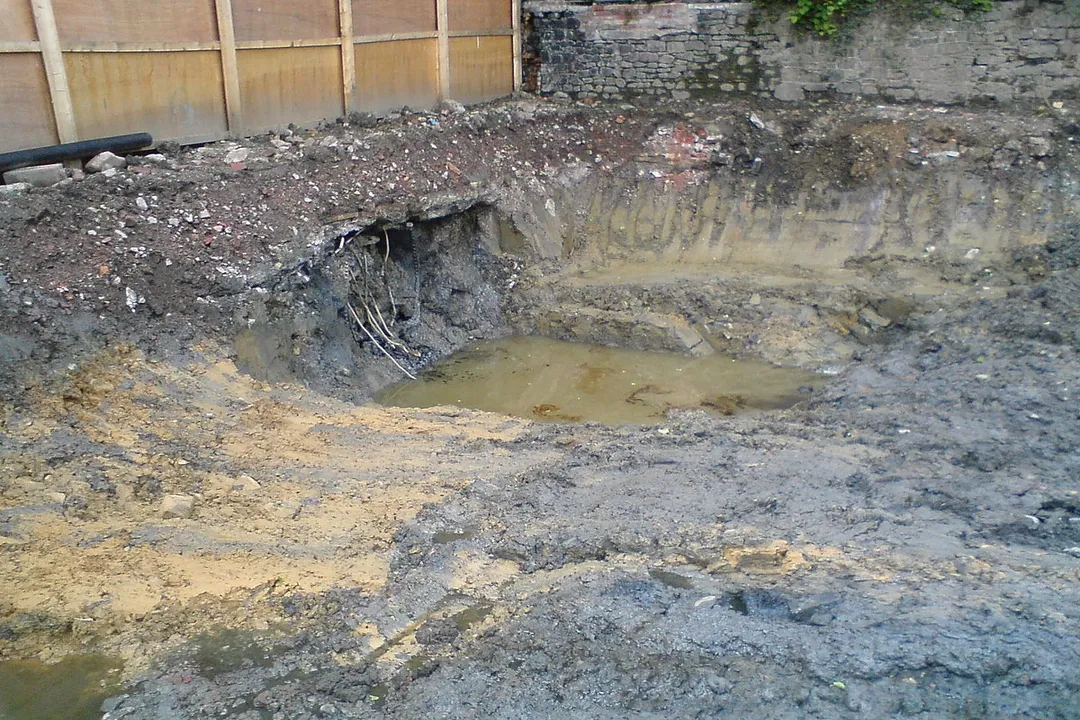
The presence of a chemical in the soil does not automatically equate to harm; exposure must occur. [1] For nearby residents or workers, several pathways exist through which these contaminants can enter the human body. [1][7]
One primary route is ingestion. This can happen directly, especially for small children who play outdoors and may put contaminated soil or dust into their mouths (a common concern on older, potentially lead-contaminated residential properties). [1] It can also happen indirectly: contaminated soil washes into surface water used for recreation or irrigation, or chemicals taken up by food crops (vegetables, fruits) are consumed. [1][5]
Inhalation is another significant factor, particularly in dry, dusty conditions or at sites where volatile organic compounds (VOCs) are present. [1] These chemicals can volatilize from the soil into the air, especially if the soil is disturbed during construction or landscaping, creating airborne particulates or vapors that are then breathed in. [1]
Finally, dermal absorption occurs when chemicals pass directly through the skin upon contact. [1] While often considered a lesser risk than ingestion or inhalation, prolonged contact with highly toxic substances, especially when the skin is compromised, remains a valid concern, particularly for cleanup workers or those working the land. [1] The specific toxicological risks vary widely depending on the chemical; for example, some contaminants are known carcinogens, while others are linked to neurodevelopmental or reproductive issues. [5][7]
# Impact on Biota
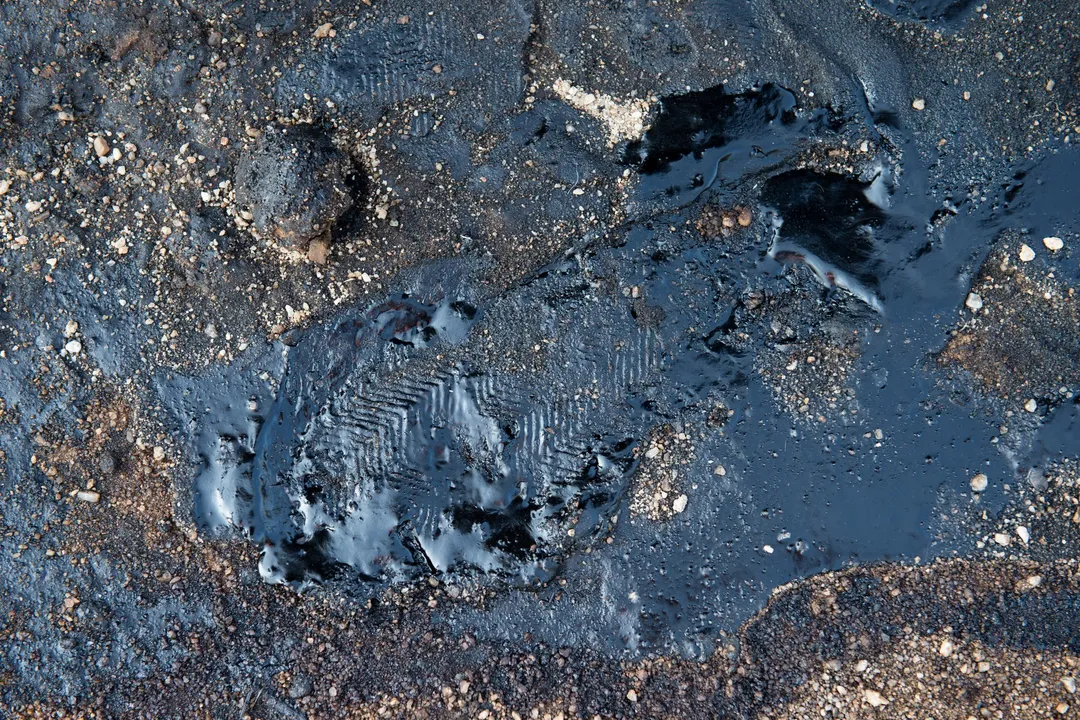
The effects are not limited to human health; soil contamination fundamentally alters the environment for non-human life. [1] Soil is a complex ecosystem teeming with bacteria, fungi, earthworms, and insects that are essential for soil structure, nutrient cycling, and decomposition. [8]
When certain chemicals are introduced, they can be highly toxic to these organisms. [8] For instance, the heavy use of pesticides, while aimed at controlling pests, can inadvertently kill beneficial insects like pollinators or vital soil microorganisms. [8] If the microbial community responsible for breaking down organic matter is significantly diminished, the soil's fertility declines, affecting its capacity to support healthy plant growth. [8]
Plants absorb contaminants through their roots, potentially incorporating heavy metals or organic pollutants into their tissues. [1] This process, known as bioaccumulation or uptake, directly impacts crop safety and the herbivores that consume those plants. [5] A field showing visible signs of stress—like stunted growth or chlorosis (yellowing)—is often an immediate, visible indicator that the soil chemistry is severely impaired. [1] The damage cascades up the food chain; organisms that consume contaminated insects or plants accumulate higher concentrations of the pollutant over time, a process termed biomagnification. [5]

# Long-Term Presence
One of the most difficult aspects of chemical contamination is its persistence. Unlike a physical spill that can sometimes be scooped away, many chemical pollutants break down very slowly, if at all, within the soil matrix. [6] This longevity means that contamination can remain a threat for decades or even centuries, depending on the substance and environmental conditions. [6]
Heavy metals like lead, mercury, and cadmium are elemental; they do not degrade chemically into harmless substances. [5] They simply remain present, capable of being mobilized again by changes in soil pH (acidity) or through erosion. [5] Organic pollutants also vary widely in their persistence. Some may break down relatively quickly via microbial action or sunlight exposure, while others, like certain persistent organic pollutants (POPs), are extremely resistant to natural degradation processes. [6] This resistance is what makes legacy contamination a significant challenge for communities dealing with former industrial sites or heavily farmed land. [4] If soil testing reveals high concentrations of a persistent chemical, remediation—the active cleanup of the site—often becomes necessary to mitigate future risks. [6]
# Hazard Differentiation
It is useful to view soil hazards through two lenses: immediate toxicity versus long-term accumulation. A spill of a highly volatile, acutely toxic solvent might create an immediate, localized air quality emergency and potentially contaminate a shallow water source rapidly. [6] This demands an immediate, high-priority response. However, these acute, mobile threats might eventually dissipate or be flushed out.
Conversely, consider the low-level, chronic exposure posed by a long-term accumulation of lead near an old paint factory or along a busy roadway where vehicle emissions settled for decades. [5] The concentration is low in any single year, but because lead does not degrade, the total amount in the topsoil continually increases. [5] While perhaps not causing acute poisoning, this steady buildup alters the entire chemical character of the soil, impacting nutrient availability for plants and presenting an insidious, low-dose risk to humans and wildlife over generations. [1] A practical step for any landowner dealing with older property is to prioritize baseline testing for heavy metals (lead, arsenic) first, as these are non-negotiable long-term reservoirs of risk, even if the site seems clean today. [4][5]

# Remediation Challenges
When cleanup is deemed necessary, the chemical's properties directly dictate the difficulty and cost of the solution. [6] Treating soil contaminated with mobile organic compounds might involve in situ chemical oxidation, where reactive agents are injected into the ground to break down the pollutant. [6] For contaminants that are strongly bound, such as some heavy metals, removal (digging up and hauling away the soil) or in situ stabilization (chemically locking the metal into a less bioavailable form) are often the only options. [6] The complexity arises when a site has mixtures of both types—mobile toxins leaching downwards alongside heavy metals fixed in the surface layer. Deciding which layer needs attention first, and how to treat them concurrently, requires specialized expertise in environmental toxicology and hydrogeology to ensure the chosen method doesn't inadvertently worsen another part of the problem. [1]
Related Questions
#Citations
Common Soil Pollutants and Their Impact on Health and Environment
When Soil Becomes Contaminated With Toxic Substances, What ...
Soil Contaminants, Health Linkages: Soil, Human Health
What Causes Soil Contamination & Its Environmental Hazards?
Soil Contaminants - Illinois Department of Public Health
Soil contamination - Wikipedia
Soil Contamination | Wilentz, Goldman & Spitzer, P.A.
Pesticides and Soil Health - Center for Biological Diversity
Where do Soil Contaminants Come from?