How to get chemicals out of soil?
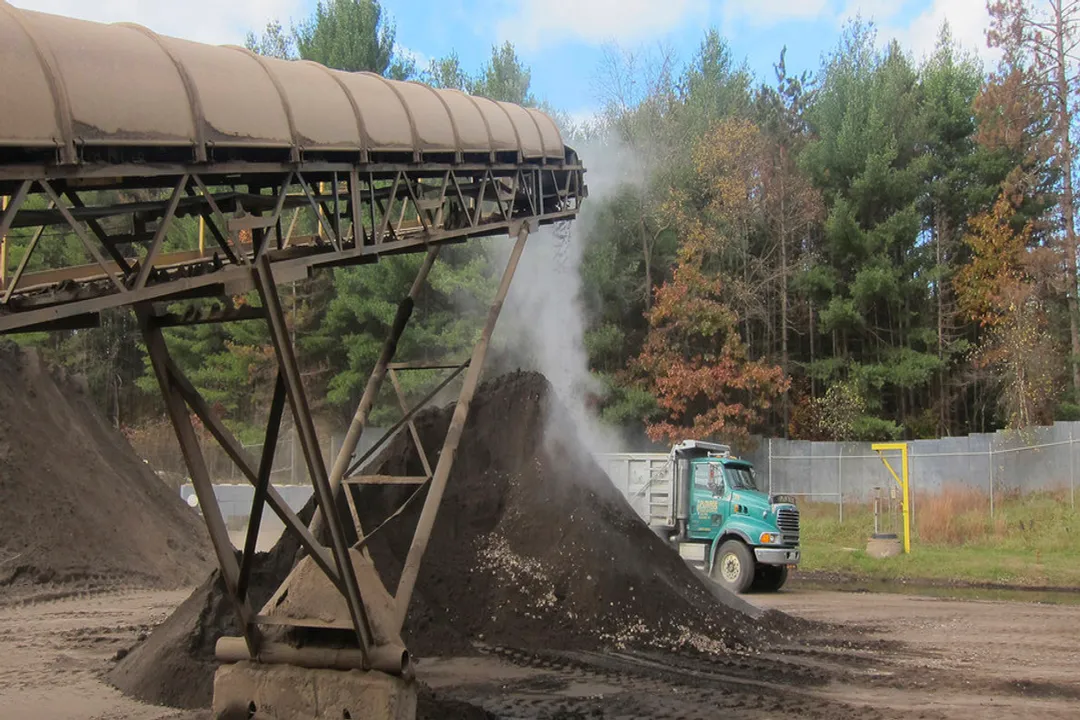
The presence of unwanted chemicals in soil, whether from industrial fallout, agricultural runoff, or historical site use, presents a significant hurdle for gardeners, farmers, and land developers alike. Addressing soil contamination is not always about wholesale removal; sometimes, the objective shifts toward neutralizing the danger by reducing how available those toxic substances are to plants and subsequently, to people. The path you choose depends heavily on the contaminant type, the concentration, the soil structure, and the intended future use of the land.
# Natural Mitigation
For many situations, especially in residential or smaller agricultural settings, the initial and often most practical steps involve working with nature to encourage the natural breakdown or immobilization of pollutants. This approach relies on boosting the soil’s existing biological community.
# Microbial Boosters
Microbes, including bacteria and fungi, are nature’s cleanup crew, capable of breaking down or transforming certain pollutants into less harmful byproducts. You can give these essential workers a major advantage by applying a thick layer of high-quality compost. Compost introduces a diverse array of beneficial organisms, helping to establish a healthier soil food web. If you cannot source high-quality bulk compost, a bio-active compost tea can also be applied to introduce these necessary microorganisms.
# Fallowing and Cover Crops
One of the easiest, albeit slowest, remediation strategies is simply allowing the land to rest and grow vegetation naturally—a process known as laying the land fallow. A more proactive version of this involves planting cover crops or green manures. The goal here is to feed the diverse bacterial and fungal populations with a variety of biomass. After a growth period, these crops can be chopped and dropped back into the soil, adding organic matter and sustaining the rejuvenation process. For some herbicide residues, such as glyphosate, studies suggest that maintaining the soil in good condition—warm, moist, and rich in organic matter—is key to encouraging the rapid microbial breakdown of the chemical. Following organic certification processes, for instance, a plot may be considered clean after a few years of recorded non-use, often achieved through repeated cover cropping.
# Adjusting Soil Chemistry
Sometimes, making slight chemical adjustments to the soil can lock contaminants in place, making them biologically unavailable without actually removing them. Adjusting the pH level, often through liming treatments, is one tactic that can help change how metals are bound to the soil particles. While these methods do not remove the contaminant, they significantly reduce the immediate risk of uptake by plants or leaching into groundwater, which is a vital step for immediate safety. A healthy soil nutrient balance, with a pH near neutral (around 6.5 to 7.0), supports overall soil health, which in turn aids in pollutant management.
# Plant Power Phytoremediation
Harnessing the capabilities of specific plant life, known as phytoremediation, is often cited as one of the most affordable and eco-friendly techniques for dealing with metal contamination. This is not one technique but a collection of methods dependent on how the plant interacts with the toxin.
# Methods of Plant Cleanup
- Phytoextraction: This is the most direct removal method, where plants take up contaminants through their roots and accumulate them in their harvestable above-ground parts (shoots and leaves). The metal-enriched biomass is then harvested and must be disposed of or processed safely.
- Phytostabilization: This method focuses on immobilization rather than removal. Plants with dense root systems stabilize the soil structure, and the roots chemically bind or precipitate heavy metals in the rhizosphere (the root zone), preventing them from spreading via wind or water runoff. This technique is suitable when complete removal isn't practical.
- Rhizodegradation: This involves the plant roots fostering a microbial community that degrades organic pollutants in the soil surrounding them.
- Phytovolatilization: Some plants can absorb contaminants and then release them into the atmosphere through transpiration. This is rarely used for heavy metals like mercury, as the vapor can simply redeposit elsewhere, and it requires careful consideration of wind patterns to avoid off-site air pollution.
# Accumulator Plants for Home Use
For homeowners looking to physically remove metals like lead, cadmium, or zinc from their garden beds, specific, common plants are known to be effective accumulators. Sunflowers, for instance, are versatile, accumulating lead, arsenic, and zinc in their roots, stems, and leaves. Mustard greens are noted for their powerful extraction of lead and cadmium. Willows (Salix species) are effective, non-edible options for zinc remediation, often used for their fast growth and deep roots. In areas with arsenic contamination, certain ferns, such as the Chinese brake fern (Pteris vittata), are hyperaccumulators that store exceptionally high levels in their fronds.
It is important to note that when using these plants for metal extraction, they must be treated as contaminated material. Never compost plants used for metal phytoextraction; doing so would reintroduce the concentrated toxins back into your soil or compost pile. Disposal must follow local hazardous waste guidelines.
# Chemical and Physical Remediation
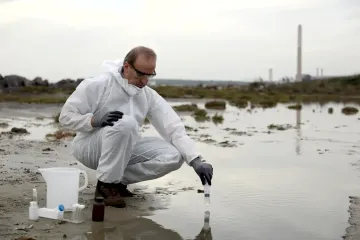
When contamination levels are high, or a quicker solution is needed than the multi-season commitment required by plants, more intensive, engineering-based methods come into play. These often move contaminants rather than destroying them, requiring careful handling of the resulting waste stream.
# The EDTA Wash
A newer, novel chemical approach developed at Stanford involves using a chemical bath, somewhat akin to brewing coffee, to clean heavy metals like lead and cadmium. Researchers found that a water mixture containing a chemical called EDTA (ethylenediaminetetraacetic acid)—a substance also used to treat heavy metal poisoning in humans—was highly effective at prying heavy metals loose from the soil structure. Once the toxic liquid brew was collected, it was passed through an electrochemical filter. This filter separates the heavy metals from the water and EDTA, allowing the water/chemical mixture to be recycled for use on more contaminated ground. This method offers a potentially much faster cleanup than traditional methods like phytoremediation, which can take many years of repeated harvests.
# Traditional Intensive Treatments
Other established techniques address contamination through physical separation or destruction:
- Soil Washing: This physically separates fine-grained soil (where contaminants tend to bind) from larger soil pieces using a cleaning fluid and water solution. A major consideration here is that the contaminant is moved to the washing solution/sludge, not destroyed.
- Chemical Oxidation: This involves injecting reactive chemical oxidants directly into the contaminated zone to destroy organic contaminants, such as petroleum products (TPH) or PCBs. This is often sought when rapid control is needed for things like underground storage tank leaks.
- Thermal Treatment: Also known as in situ heating, this applies heat underground via electric current or steam injection to volatilize contaminants like solvents or creosote, allowing crews to collect them via wells.
In all these aggressive clean-up scenarios, the resulting contaminated material—whether soil slurry or extracted sludge—is typically classified as hazardous waste and requires transportation by licensed vendors to specialized disposal or treatment facilities, which is costly and complex.
# Practical Safety in the Garden
If you suspect contamination, particularly in an older urban area, the first action should be soil testing to determine what is present and how much. Even without professional remediation, gardeners can significantly reduce risk through simple management changes.
When preparing a garden on potentially affected ground, the best defense is creating a physical barrier and diluting the existing soil. Building raised beds deep enough for your plants and then filling them with new, clean soil mixed with compost or manure is an excellent strategy. It is also important to cover any bare patches of ground with a layer of mulch—like straw, wood chips, or bark—which helps suppress dust and prevents soil (and any particles containing contaminants) from splashing onto low-growing crops.
When harvesting food crops, the primary risk for ingestion is often dirt or dust sticking to the surface, especially on leafy greens and root vegetables. Therefore, thorough washing and peeling produce—especially roots and tubers—are critical practices to maintain safety, even after a soil management plan is in place.
While many advanced techniques exist, from electrochemical filtering to genetically engineering plants for better metal uptake, the decision to use them hinges on scale and budget. For the average homeowner concerned about everyday gardening, focusing on soil health through composting and utilizing non-edible accumulator plants for targeted, slow removal provides an accessible, low-cost entry point into soil remediation. The time commitment varies wildly; while microbial processes might take a couple of years of dedicated cover cropping, engineered chemical washes aim for faster results, though they require complex infrastructure to scale up.
#Videos
Getting Rid of Chemicals in Soil | Pantry Chat Podcast Short
Related Questions
#Citations
What management practice can be done to remove herbicides ...
Clean-Up of Heavy Metals from Contaminated Soil by ...
How To Clean Up Contaminated Soil
Landscaping and gardening in arsenic and lead contaminated soil
FAQ-4-How do I fix my contained soil - Urban Soils Institute
Getting Rid of Chemicals in Soil | Pantry Chat Podcast Short
A new approach to cleaning heavy metals out of soil
Using Common Plants to Remove Heavy Metals from Garden Soils