How long do contaminants stay in soil?
The duration a substance remains an issue in soil is not a fixed number; it is a highly variable timeframe dictated by the chemical nature of the contaminant and the environment it has entered. [1][4] Understanding how long soil remains "contaminated" requires separating pollutants into two major categories: those that can chemically break down, and those that cannot.
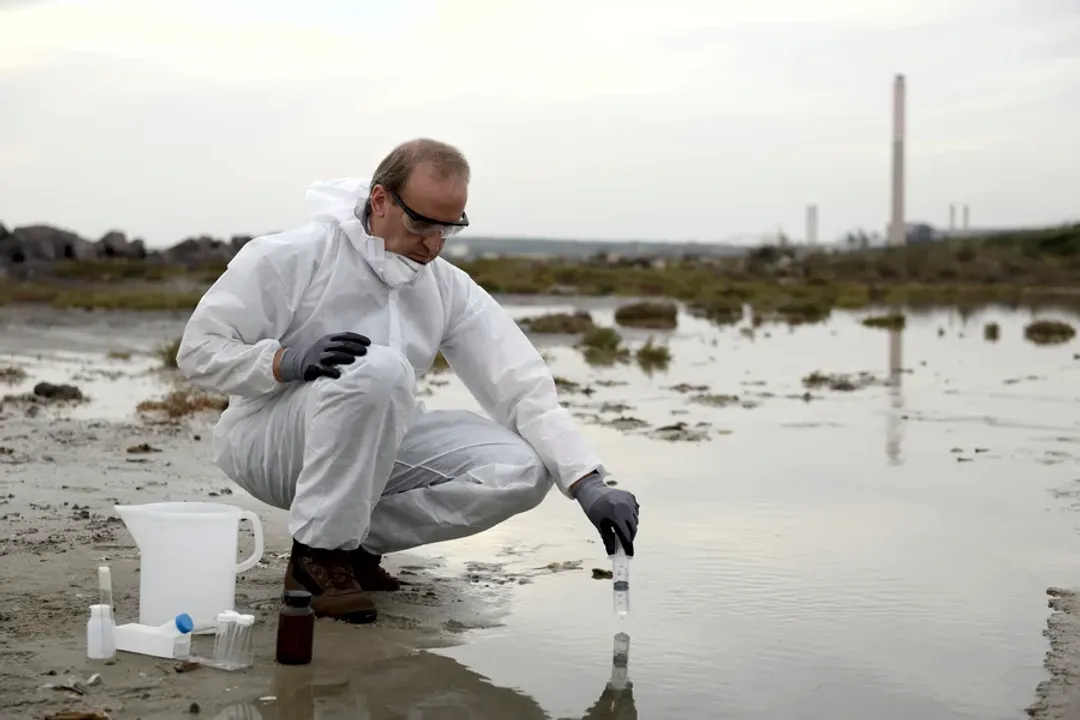
Soil contamination can arise from many sources, ranging from accidental spills and historical industrial activities to the regular application of agricultural chemicals. [6][7] The resulting persistence can range from a few days to millennia, depending on the chemistry involved and the local site conditions. [1]
# Degradable Chemicals
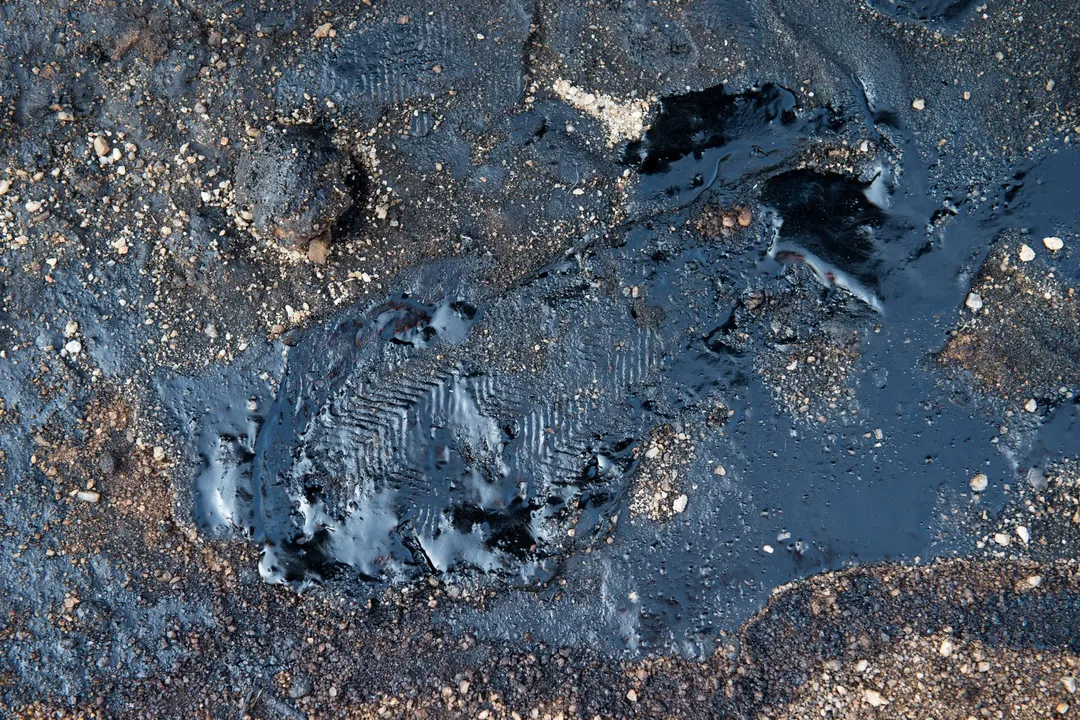
Organic contaminants, such as certain pesticides, herbicides, and petroleum products, generally possess a half-life in the soil environment. [3] This means that over a specific period, half of the initial amount will have broken down into simpler, less harmful compounds through natural processes like microbial action or chemical hydrolysis. [4]
For common herbicides like glyphosate (Roundup), persistence can be surprisingly short or moderately long. Some data suggest that in favorable conditions, the residue might break down within a few weeks. [10] However, if the soil has high organic matter content or the chemical binds tightly to soil particles, the effective half-life can extend significantly, potentially lasting months. [3][5]
Other organic contaminants, like certain chlorinated solvents or persistent organic pollutants (POPs), behave differently. While they can degrade, the necessary soil microorganisms might be absent or inactive, or the contaminant might be locked away in soil micropores, effectively halting the degradation process for very long periods. [4]
A key consideration often overlooked is the difference between total concentration and bioavailability. Even if a pesticide molecule breaks down relatively quickly into smaller fragments, if the initial compound was strongly adsorbed (stuck) to soil organic matter, the resulting breakdown products might remain chemically bound to the soil matrix for decades as that bulk organic matter itself slowly turns over. [1][3] Therefore, the risk timeline is not always identical to the chemical half-life timeline.
# Metal Endurance
In stark contrast to organic molecules, inorganic contaminants such as heavy metals—lead, arsenic, cadmium, and chromium—do not degrade. [6] They are elements, and they cannot be chemically destroyed in the soil environment. [1]
For these persistent contaminants, the concept of "disappearance" does not apply. Instead, the contamination profile changes based on mobility and chemical speciation. For instance, arsenic can shift between more toxic and less toxic chemical forms depending on soil oxygen levels and . [4] Lead might become more or less soluble based on soil acidity. [3] If a heavy metal becomes tightly bound to soil minerals, it becomes much less likely to leach into groundwater or be taken up by plants, effectively reducing the immediate risk, but the element itself remains in the soil forever. [1]
Sites contaminated by historic industrial waste or the long-term use of leaded gasoline can remain hazardous indefinitely, requiring management strategies like capping or physical removal rather than waiting for natural attenuation. [6][9] When preserving soil samples for heavy metal analysis, such as arsenic, the stability of these elements means they are relatively safe to store for extended periods before analysis, unlike samples potentially containing volatile or fast-degrading organics. [8]

# Soil Variables
The rate at which any contaminant—especially organic ones—leaves the soil is profoundly influenced by the soil itself and its climate. [1] Soil texture, which refers to the proportion of sand, silt, and clay, plays a major role in retention. Soils high in clay and organic carbon tend to adsorb organic chemicals more strongly, which can slow down the degradation process by making the chemical unavailable to soil microbes, even if those microbes are present. [3][1]
Microbial life is arguably the most important engine for cleaning up organic pollution. The diversity and activity of bacteria and fungi are crucial for breaking down foreign chemicals. [4] Factors that boost this activity—like adequate moisture, moderate temperatures, and sufficient oxygen—will accelerate cleanup. Cold, waterlogged, or extremely dry soils essentially put the natural cleanup crew on pause, extending the persistence of contaminants. [1]
Consider two hypothetical sites contaminated with the same herbicide: Site A is a warm, slightly moist loam in an active agricultural zone; Site B is a cold, dense, sandy subsoil layer near a stream. Site A might see the chemical dissipate in months because the environment favors microbial activity and movement. Site B, lacking the necessary biological engine and perhaps having conditions that favor leaching over binding, might retain the contaminant in a toxic form for much longer, or it might have already moved the contamination into the groundwater, presenting a different long-term problem. [9]
# Management Contexts
When examining real-world contamination scenarios, the timeline for recovery often relates to the source of the pollution. A residential spill might be managed in a matter of months or a few years once the source is removed and the topsoil is treated or excavated. [7] Industrial sites, however, present different challenges.
For example, areas surrounding old wastewater treatment plants that disposed of sludge on land can show persistent contamination, particularly with heavy metals, for decades after the plant ceases operation. [9] The long-term fate of contaminants released decades ago dictates modern remediation planning.
When assessing risk for regulatory purposes, we often look at the worst-case scenario for persistence. If a chemical has a documented half-life of one year, but local conditions are poor for degradation, regulators must plan for many years of environmental stewardship. If the contaminant is a heavy metal, the stewardship plan shifts from waiting for it to break down to managing its mobility over centuries, perhaps by adding materials to raise the soil to immobilize metals like lead, effectively locking them in place until natural soil-forming processes slowly dilute the concentration over geologic time. [1]
The decision on how long to wait for natural cleanup versus applying aggressive remediation techniques (like soil washing or thermal desorption for organics, or complete removal for metals) often comes down to a cost-benefit analysis weighed against the long-term risk exposure, sometimes stretching far beyond a single human career. [7]
Related Questions
#Citations
How long would it take for soil to recover from nuclear fallout?
When Soil Becomes Contaminated With Toxic Substances ...
How long does it take for the chemical residue of pesticides ...
Remediation techniques for elimination of heavy metal ...
How long are CL contaminated soil and objects dangerous ...
Where do Soil Contaminants Come from?
Soil contamination 101: understanding—and improving— ...
How long can I keep soil samples before analyzing heavy ...
Soil and Water Contamination - how long after a ...