What is the primary reason that inorganic contaminants, such as heavy metals, do not disappear from the soil?
Answer
They are elements and cannot be chemically destroyed in the soil environment
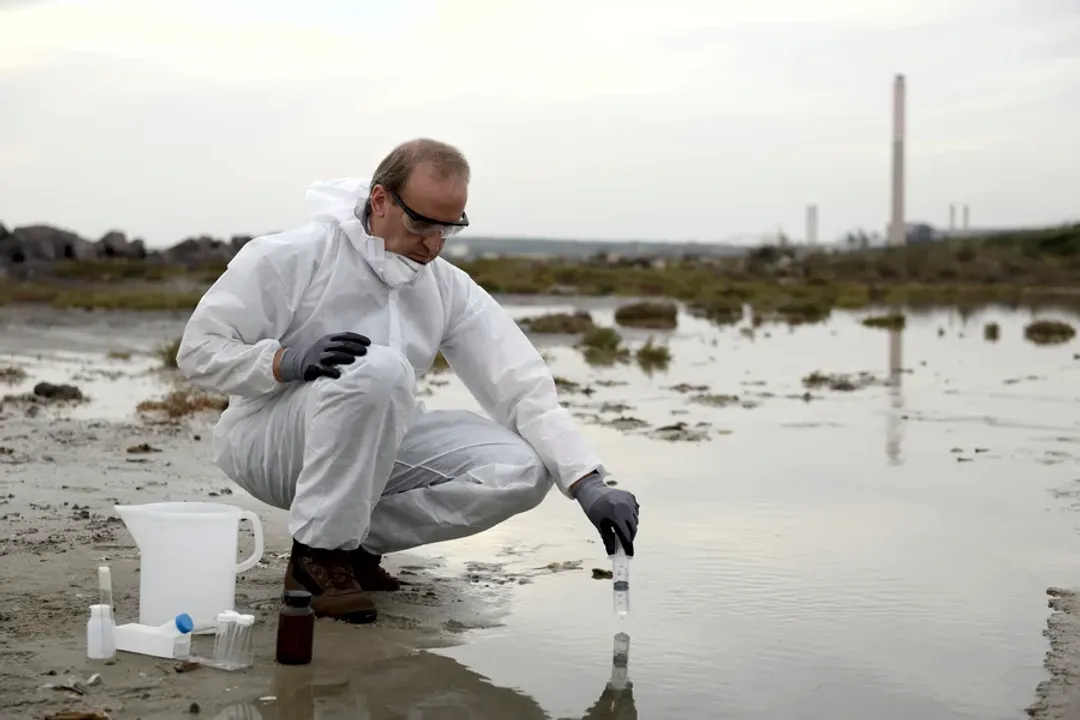
Heavy metals like lead, arsenic, cadmium, and chromium are elements; they do not degrade and cannot be chemically destroyed in the soil environment. Their contamination profile changes based only on mobility and speciation.
Related Questions
What two primary factors dictate the duration a substance remains an issue in soil?What process generally characterizes the fate of organic contaminants like certain pesticides in soil?What factor can significantly extend the effective half-life of a common herbicide like glyphosate in the soil?What is the primary reason that inorganic contaminants, such as heavy metals, do not disappear from the soil?How does strong adsorption of an initial pesticide molecule affect the long-term risk timeline?Which soil variables tend to slow down the degradation process of organic chemicals?What environmental conditions put the natural cleanup crew (microbial life) on pause, extending contaminant persistence?For heavy metals, what is the appropriate management strategy instead of waiting for natural attenuation?What is a key difference noted in the persistence of chlorinated solvents compared to common, fast-degrading herbicides?In contrast to organic contaminants, what happens to the contamination profile of arsenic in the soil?What remediation planning approach must be taken for sites contaminated by persistent heavy metals from historic industrial waste?