How long do toxins stay in soil?
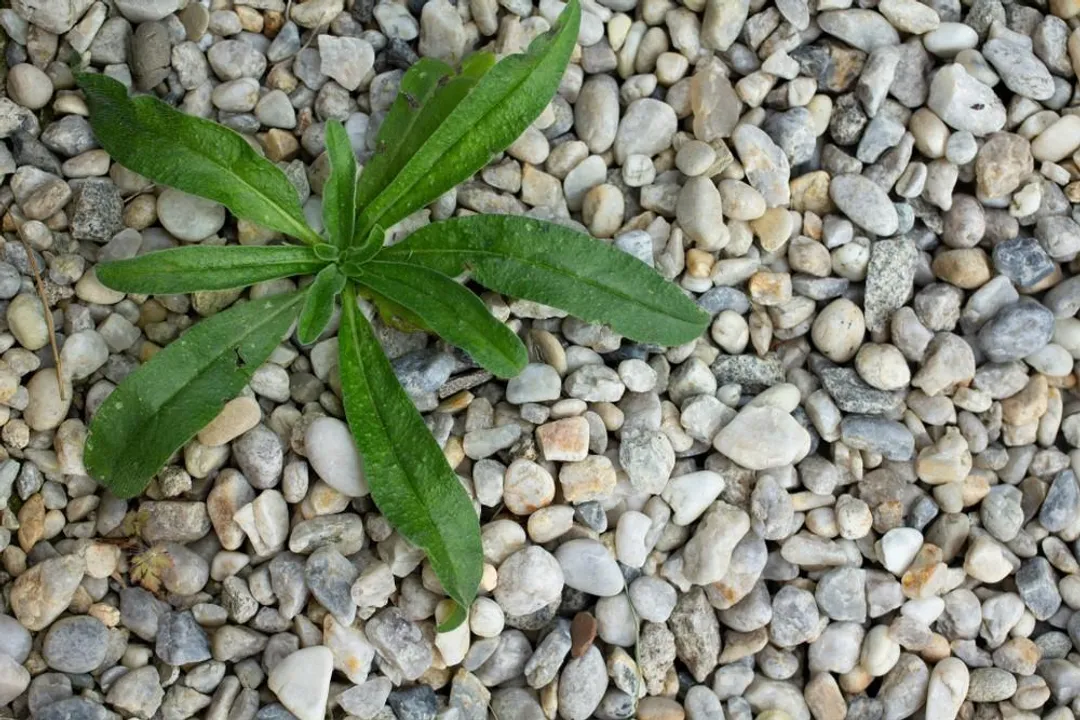
The time contaminants spend lingering in soil is a highly variable measure, stretching anywhere from a matter of hours to multiple years, depending entirely on the substance introduced and the precise conditions of the environment it contaminates. [2][3] Understanding persistence is vital, whether dealing with agricultural runoff, accidental spills, or the routine application of lawn care products, because residual chemicals can affect subsequent planting, water quality, and overall soil health. [5][7] We are not dealing with a single waiting period; instead, the longevity of a soil toxin is a complex calculation involving chemistry, biology, and climate variables. [8][9]
# Half-Life Explained
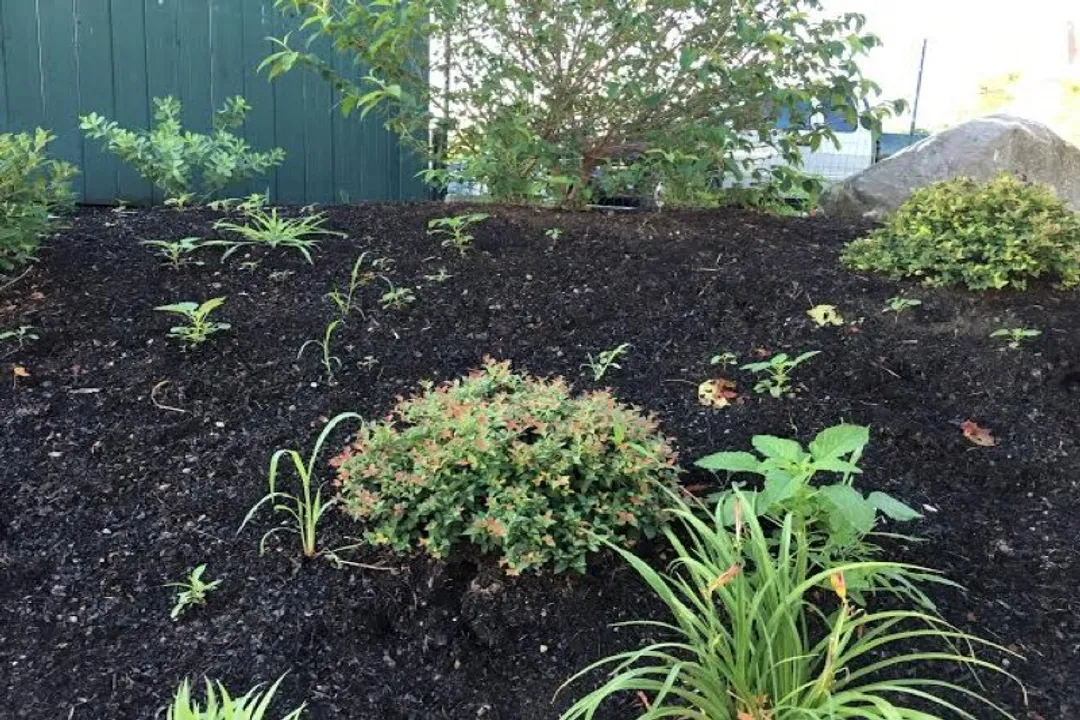
A standardized scientific way to describe how long a toxin stays active or present in the soil is through the concept of half-life, often noted as . [2] This value represents the time required for exactly half of the original amount of the chemical substance to break down or disappear from the soil matrix. [2]
The range for chemical half-lives in soil is exceptionally wide. [2] Some pesticides can be essentially gone within less than a day, meaning half of the initial application is degraded within hours. [2] Conversely, some persistent organic pollutants or certain types of residues can have half-lives exceeding two years. [2][9] This vast spectrum means that while some applications cause very short-term concerns, others necessitate long-term monitoring or remediation efforts. [3] Furthermore, for certain compounds that break down very rapidly through immediate physical or chemical processes, there may not even be a measurable soil half-life recorded, as they are inactivated almost immediately upon contact with the soil environment. [3]
# Chemical Breakdown Times
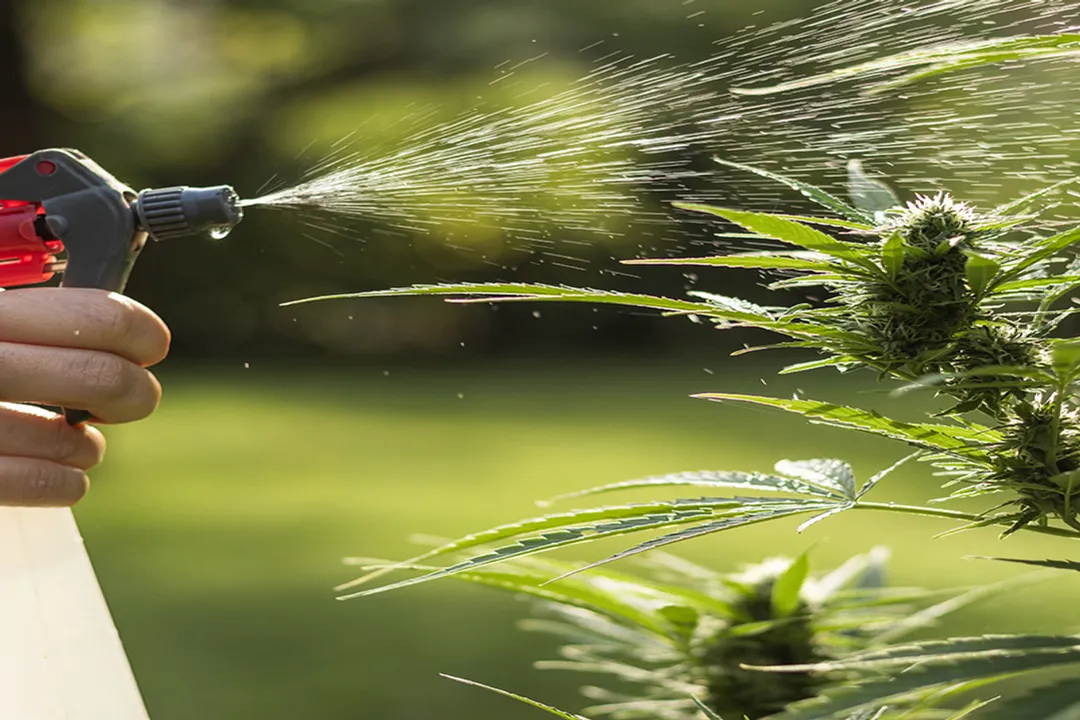
When examining specific classes of common soil contaminants, such as herbicides, we see this variation playing out in real-world application scenarios. For instance, the active ingredient in the widely used herbicide Roundup, glyphosate, tends to bind tightly to soil particles. [1] This binding action can physically limit its movement, such as leaching into groundwater, but it does not immediately equate to detoxification. [1][6] The active period for glyphosate in the soil is often cited as lasting from just a few days up to several weeks. [1]
However, anecdotal experience suggests that while the immediate herbicidal action might cease relatively quickly, the chemical itself might still be detectable in the soil for a longer duration, potentially spanning several months, depending on how the soil is tested. [4] This highlights a key distinction: the toxic half-life (when it stops killing plants) might be shorter than the analytical half-life (when instrumentation can no longer detect it). [4]
For other types of compounds, such as insecticides, persistence can follow a similar pattern but with different chemical drivers. [9] Whether dealing with herbicides, fungicides, or insecticides, the rate at which the chemical is transformed into harmless byproducts dictates the ultimate time frame before the soil is considered clear. [7]

# Environmental Modifiers
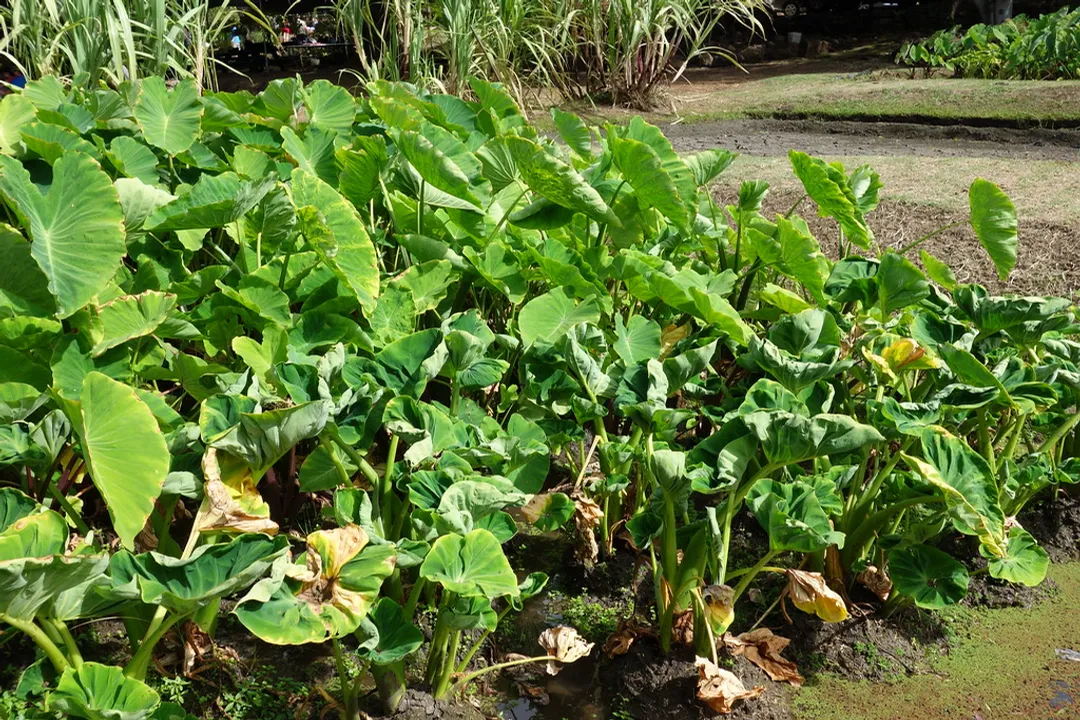
The speed at which any toxin degrades is not predetermined by the chemical alone; it is governed by a dynamic interplay of environmental factors. [6][9] Four factors are consistently cited as being critically important: soil composition, moisture level, ambient temperature, and the nature of the soil's microbial population. [2][5][7]
# Microbial Activity
The primary route for the degradation of most herbicides is biological action—microorganisms in the soil consume and break down the chemical as an energy source. [5] If the soil health is poor, lacking a diverse and active microbial community, the degradation process will significantly slow down. [8] A rich, healthy soil full of earthworms, bacteria, and fungi acts like a massive internal filtration and breakdown system, working constantly to neutralize residues. [5]
# Soil Chemistry
Soil acts as a significant control switch for degradation rates. [8] For certain chemicals, an acidic soil environment can dramatically slow down the chemical or biological breakdown process, effectively extending the time the toxin remains active. [8] Conversely, other chemicals might degrade faster in one range over another. [5] Organic matter content also plays a crucial role. [5][7] High organic matter means more surface area and carbon for microbes, but it also provides more binding sites for the toxin. [5][7]
A practical way to think about this complexity is to imagine two garden plots. Plot A has high clay content and a of 5.5 (acidic). Plot B has loamy soil rich in compost and a of 7.0 (neutral). A chemical that is broken down primarily by microbes will likely persist longer in Plot A, where the low inhibits microbial action, even though the soil is chemically active. In contrast, a chemical that relies more on binding to organic carbon might degrade faster in Plot B, assuming the microbial population is more vigorous there.
# Climate Effects
Temperature and moisture are often the most rapidly changing variables and thus have an immediate impact on persistence. [2][6] In cold weather, microbial activity plummets, stalling the degradation process significantly. [2] Similarly, if the soil becomes too dry, the microbes become dormant, and the water-dependent chemical reactions cease or slow down substantially. [2][6] Excessive moisture, leading to saturation and anaerobic conditions, can also inhibit the specific microbes needed for rapid breakdown of certain compounds. [9]
# Persistence Comparison Table
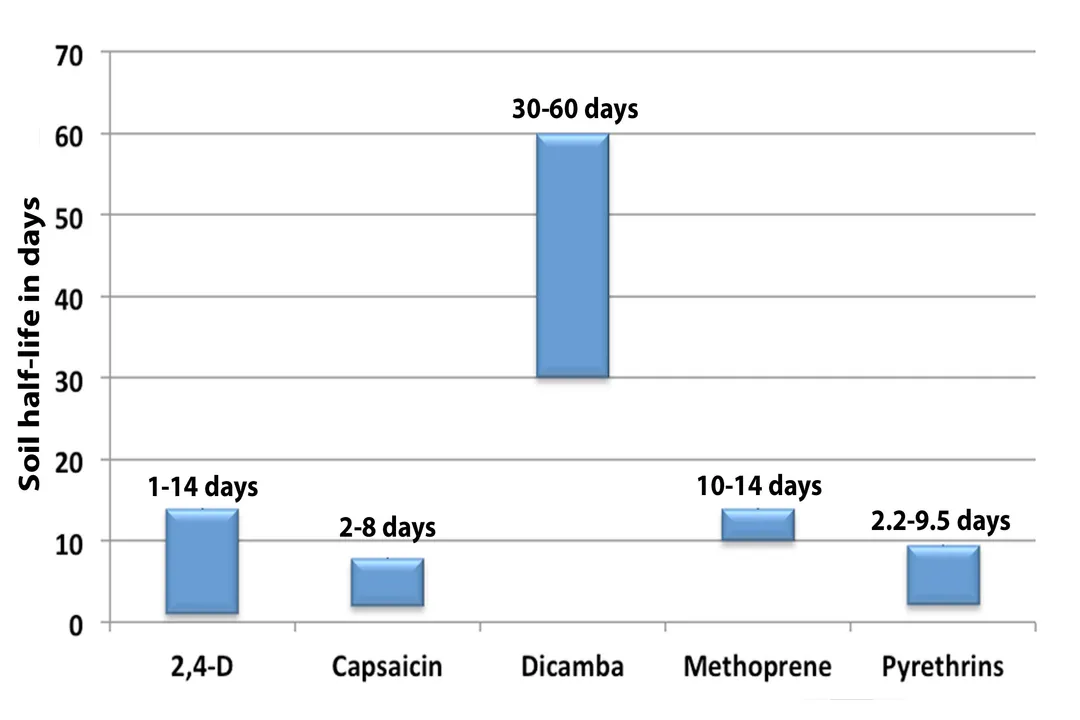
To better visualize the range of persistence factors, we can contrast the general effects:
| Factor | Tendency for Faster Degradation | Tendency for Slower Degradation | Source Influence |
|---|---|---|---|
| Temperature | Warm () [2] | Cold/Freezing [2] | Microbial activity thrives in warmth [2] |
| Moisture | Moist (but not saturated) [6] | Very dry or waterlogged [2][9] | Needs adequate water for chemical/microbial action [2] |
| Soil pH | Near Neutral () [8] | Highly Acidic or highly Alkaline [8] | directly impacts chemical stability and microbe function [8] |
| Organic Matter | Optimal levels for microbial habitat [5] | Extremely low or extremely high binding [5][7] | Provides structure but also binding sites [5] |
# Carryover Risk
For gardeners and farmers, the most significant concern regarding soil persistence is herbicide carryover. [7] This occurs when residues of a product applied to one crop or weed survive long enough to damage or kill a sensitive, desirable crop planted afterward in the same location. [7]
The potential for carryover is directly linked to the chemical's half-life and the concentration applied. [7] For example, if a herbicide has a of six weeks, planting a sensitive crop after only three weeks means that half of the original chemical load is still present and potentially available to cause damage. [7]
The risk isn't uniform; it depends on the specific chemical applied and the next crop planned. [7] Chemicals are often categorized by their potential for carryover—some are known to persist for months or even years under certain conditions, while others are considered safe for use before rotation with most crops. [5]
When considering planting sensitive species, a useful action is to always look for the "plant-back interval" listed on the product label. [7] This interval is the manufacturer's mandated minimum time you must wait between application and planting the next crop, based on lab data regarding crop safety. If you are applying a product for the first time or if the growing season has experienced unusual weather (like a prolonged drought or extreme cold), it is wise to add an extra week or two buffer to the recommended interval, especially if your soil tends toward heavier clay or is consistently cold. [6]
# Degradation Pathways
While we often focus on how long toxins last, understanding how they disappear is equally important. [5] For many modern agricultural chemicals, microbial degradation is the dominant pathway. [5] This process relies on the living components of the soil, which is why soil structure and biology are intrinsically linked to detoxification rates. [8]
For herbicides like glyphosate, the chemical tends to strongly adsorb, or bind, to soil particles, particularly those high in clay or organic matter. [1][6] While this binding reduces the chemical's ability to move vertically into deeper soil layers or into water sources (reducing leaching risk), [1] it does not instantly neutralize the toxicity. [6] In some cases, if the chemical is too tightly bound, it might become less available for microbial breakdown, potentially extending its effective persistence even if the microbes are present and active. [5]
The general takeaway across insecticides and herbicides is that environmental factors dictate whether a residue resolves in days or persists into the next growing season. [9][7] A toxin that degrades quickly in warm, moist, neutral soil might remain a threat for many months in cold, dry, or highly acidic ground. [2][8] Therefore, determining how long a specific toxin stays in the soil requires looking up its known half-life and then adjusting that estimate based on the local conditions observed throughout the growing season. [2]
Related Questions
#Citations
How Long Does Roundup Stay Active in the Soil?
Pesticide Half-life
How Long Does Weed Killer Stay in Soil? - SNS Blog
How long does roundup stay in the soil? : r/homeowners - Reddit
What to Consider Before Using Soil Sterilant or “Bare-ground ...
How Long Does Weed Killer Last In The Soil - Gardening Know How
Herbicide Carryover in Hay, Manure, Compost, and Grass Clippings
How Long Does Weed Killer Stay Toxic? Non-Toxic Herbicides to Try
[PDF] HOW LONG DO INSECTICIDE RESIDUES PERSIST?