How long would it take for a body to decompose on Mars?
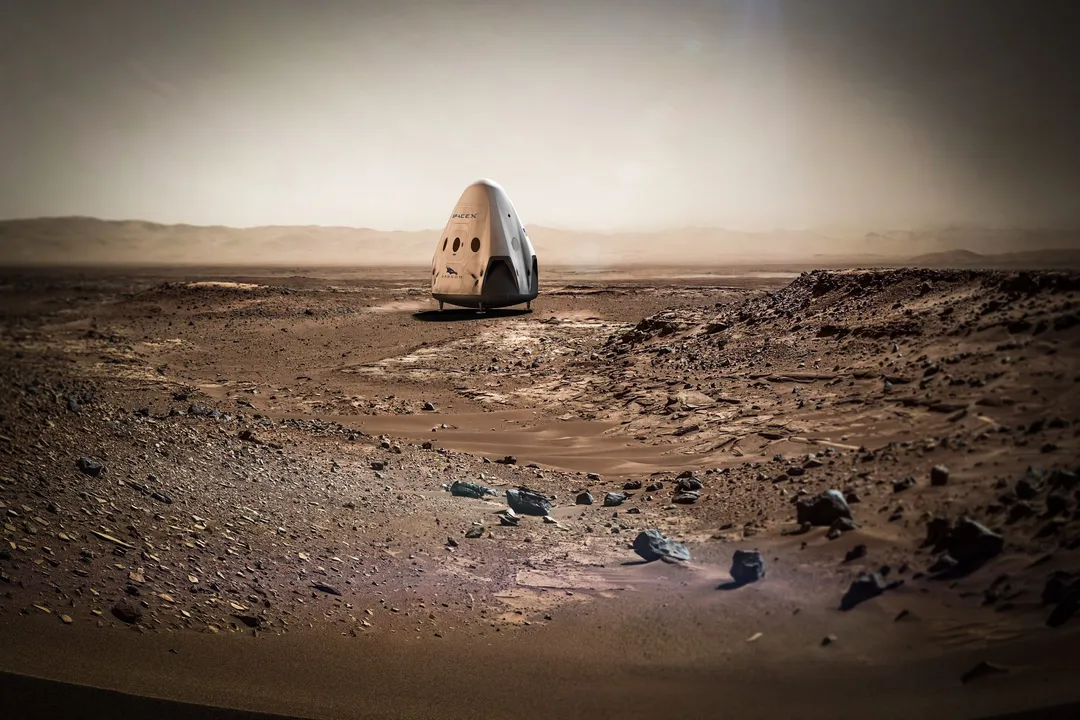
The simple question of how long it takes a human body to decompose on Mars yields a complex, and perhaps unexpected, answer: it might never truly "decompose" in the way we understand it on Earth. The processes we associate with decomposition—rotting, being consumed by microbes, and returning to the soil—are fundamentally dependent on conditions that simply do not exist on the Martian surface. [4]
The first thing to understand is what drives decay here on Earth. Decomposition is an aggressive, active process driven primarily by Earth’s biosphere. It requires three critical ingredients: water, oxygen, and microbial life, specifically bacteria and insects. [1] A warm, moist environment accelerates the breakdown of soft tissues incredibly fast. Mars offers none of these ideal conditions for biological decay. [4]
# Biological Absence
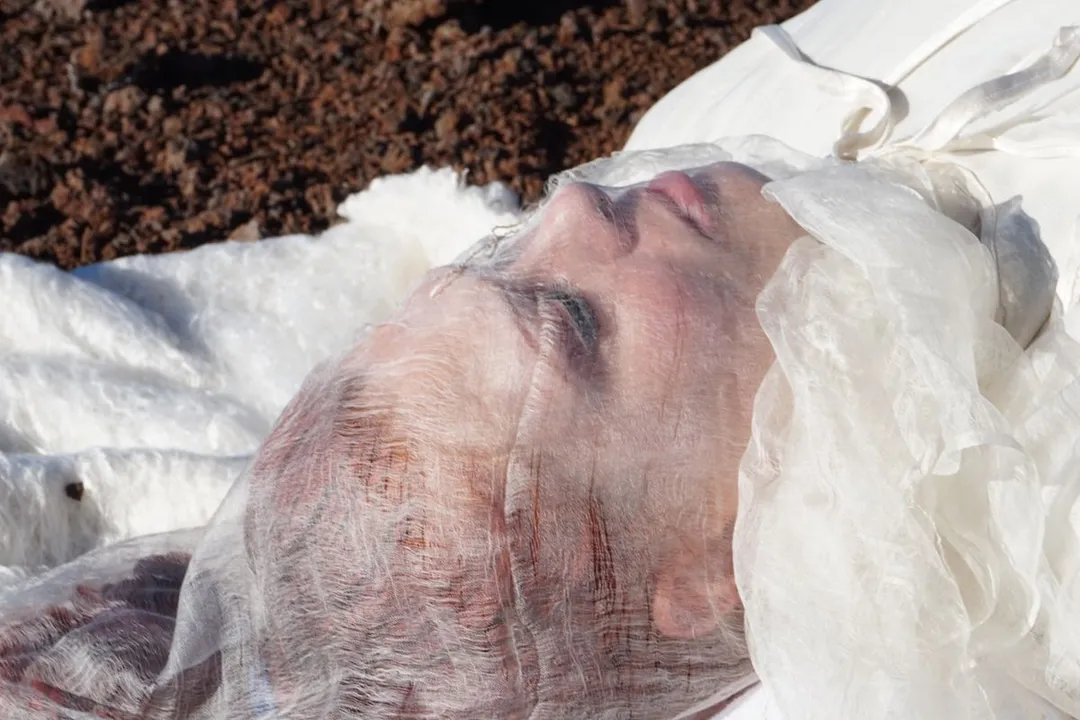
The Martian environment is incredibly hostile to the organisms responsible for decomposition. [1] Earth-based bacteria and fungi, which thrive in moisture and moderate temperatures, cannot survive the pervasive cold and the near-vacuum atmosphere of Mars. [1][4] There are no scavengers, no worms, and critically, no free-standing liquid water on the surface for microbes to swim in and multiply. [4] Therefore, the typical timeline of decomposition—where a body is reduced to bone in a matter of months or a few years—simply does not apply. [1]
# Rapid Drying
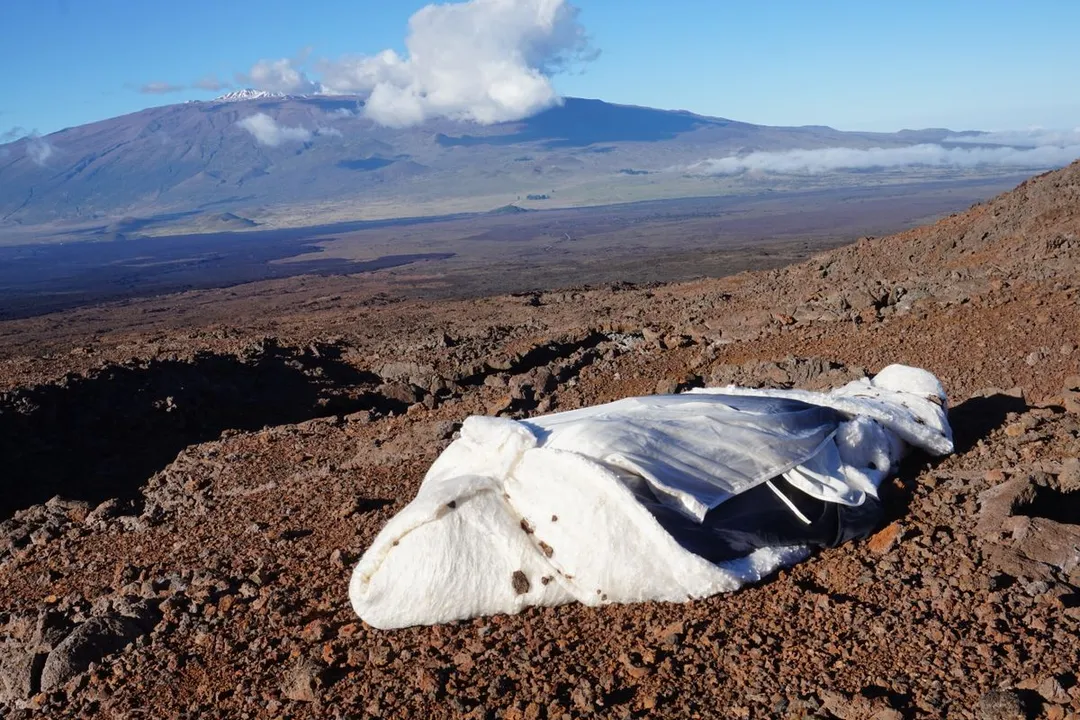
If a person were to die on the surface of Mars, the immediate and most dramatic effect would be driven by the atmospheric pressure, or lack thereof. [2] Mars’s atmosphere is extremely thin, possessing a pressure less than one percent of Earth's at sea level. [2] When this pressure drops below a certain threshold, water transitions directly from a liquid state to a gas state through a process called sublimation or flash evaporation. [2]
For the human body, this means that the water inside soft tissues would rapidly boil off, even if the ambient temperature is well below freezing. [2] Imagine stepping into a near-vacuum chamber; the body's internal moisture would attempt to escape immediately. The result would not be a rotting corpse, but rather an extremely desiccated, freeze-dried remnant. [2] This rapid desiccation effectively halts bacterial activity right from the start, preserving the structure of the body in a mummified, shriveled state for a significant period. [1][3] The body would essentially become a sealed, dry package.
This immediate desiccation effect is far more significant than the temperature in the first few days. While Mars averages around -81 degrees Fahrenheit, the incredibly low pressure ensures that the water inside the tissues boils before it has a chance to freeze slowly and uniformly, preserving cellular structure through simple freezing. Instead, the tissue is structurally compromised by the rapid removal of moisture. [2]
# Cold and Rays
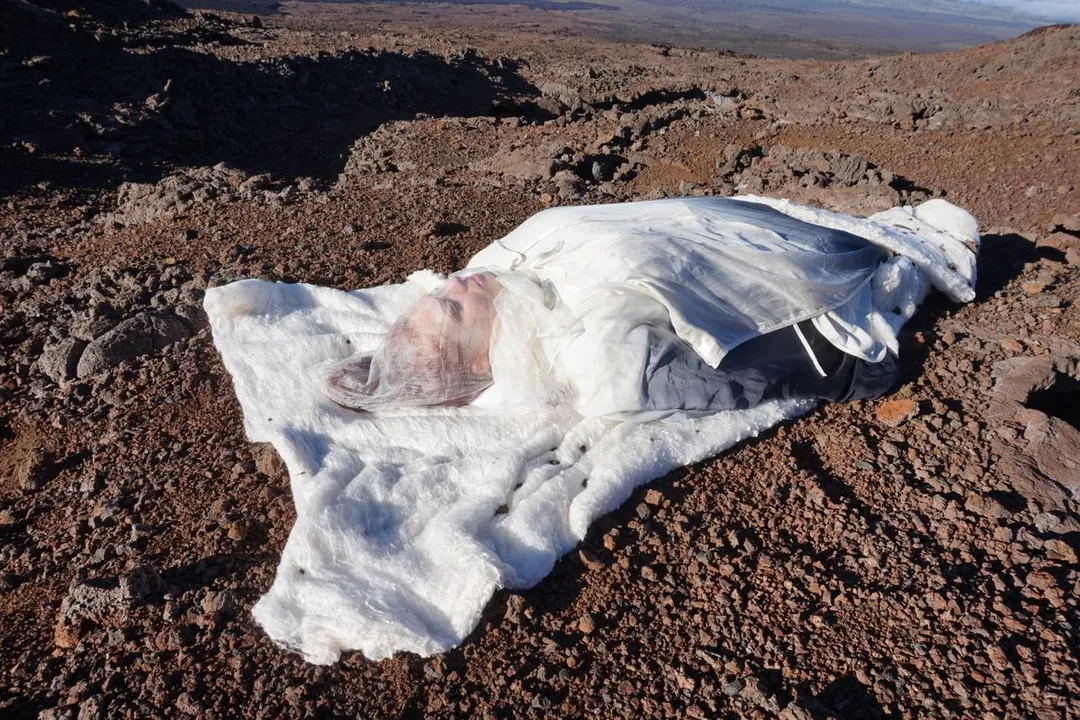
Once the initial rapid drying phase is complete, the remaining material—essentially a complex organic mummified structure—is subject to Mars's other environmental extremes: cold and radiation. [1][3]
The ambient temperatures are far too cold for any lingering terrestrial biological activity to occur. [1] Even if pockets of moisture were somehow sealed within the tissues, they would remain permanently frozen.
The second long-term destructive agent is radiation. Mars lacks the thick atmosphere and global magnetic field that protect life on Earth. [1] A body exposed on the surface would be constantly bombarded by ultraviolet (UV) radiation from the Sun and high-energy cosmic rays. [3] This radiation provides the necessary energy to chemically break down complex organic molecules over vast timescales. [1] While this isn't "decomposition" driven by biology, it is radiolysis—the chemical destruction of matter by radiation. [1] This process is exceedingly slow compared to bacterial decay.
# Millennia Change
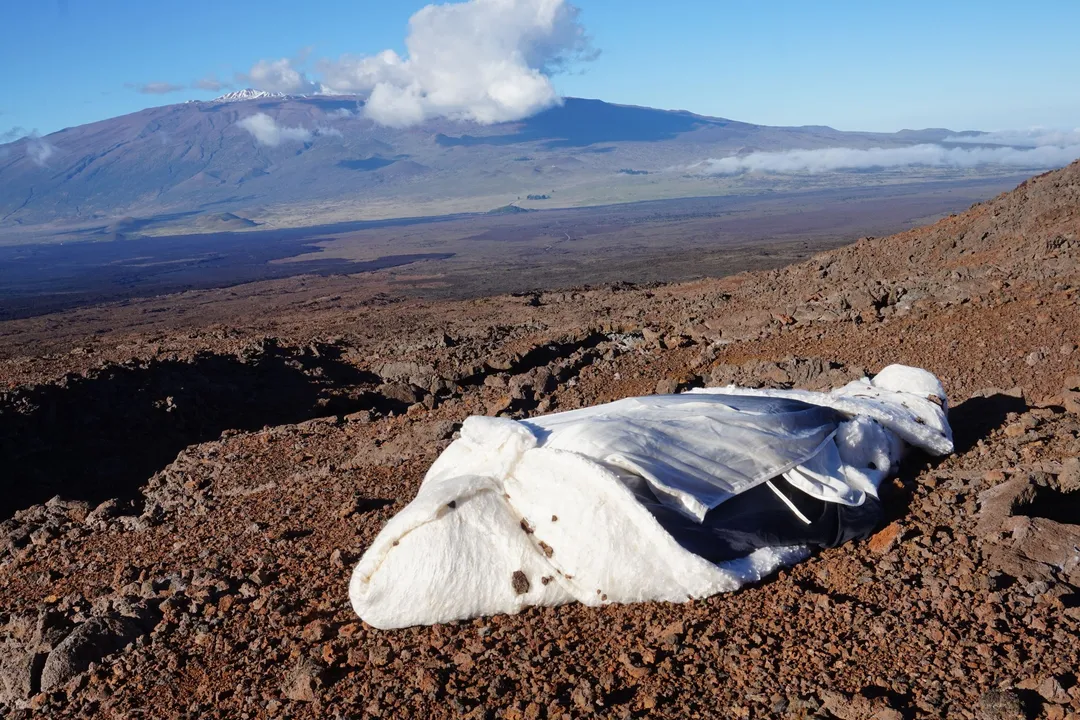
To put the timelines into perspective, decomposition on Earth is measured in weeks, months, or years. [1] On Mars, the timeline shifts to geological scales. The freeze-dried structure might remain largely intact for thousands of years. [3] The UV and cosmic rays will slowly erode the molecular bonds, causing the material to become brittle, darkened, and fragmented over many millennia. [1]
Consider a comparison based on location. If the body were placed in a location like the polar caps, where subsurface ice might exist, the body could potentially enter a state of deep freezing, similar to how prehistoric remains are preserved in Earth's permafrost, though again, without the protective layer of soil or atmospheric gases to slow down the high-energy radiation hitting the surface. [3] If the body were buried a few meters deep, the temperature variation would be less extreme, and the body would be shielded from the most immediate surface UV radiation, but the lack of microbial agents means decay would still be negligible compared to terrestrial standards. [4]
# Burial Effect
If the body were intentionally interred just a short distance beneath the surface, the process changes slightly, though the end result is similar: long-term preservation rather than decay. [4] Burial offers protection from the intense surface solar radiation, significantly slowing the breakdown of organic compounds due to UV light. [1][3] It also provides a slightly more stable, albeit still frigid, thermal environment. [4]
However, burying the body does not introduce bacteria or liquid water. It merely trades one form of environmental stress (intense surface radiation) for another (stable, extreme cold and continued cosmic ray bombardment). The body would remain mummified, perhaps for tens of thousands of years, until sufficient energy from radiation or tectonic activity (if any) caused further structural failure, or until a future mission excavated the site.
Ultimately, if a human were to expire on Mars, their remains would become a permanent, if slowly degrading, artifact of human presence—a desiccated, frozen structure that, lacking the necessary biological support system, would refuse to rot. [4] The length of time it would take for the body to become unrecognizable dust is likely measured in hundreds of thousands, if not millions, of years, far surpassing any timescale seen in terrestrial forensic science. [1]
#Videos
What Happens to Your Body If You Die on Mars? - YouTube
Related Questions
#Citations
How would humans decompose on Mars? - Astronomy Magazine
A dead body left on Mars would dry out and mummify so ... - Reddit
What Happens If Someone Dies on Mars? - Atlas Obscura
If a person were to die on the Moon or Mars, would the body ...
What happens to a human body on Mars after death? - Facebook
What Happens to Your Body If You Die on Mars? - YouTube
Will a body really not decompose on Mars like they claim in ... - Quora
What happens if someone dies on Mars
How to die on Mars | Space