How does inflammation protect the body?
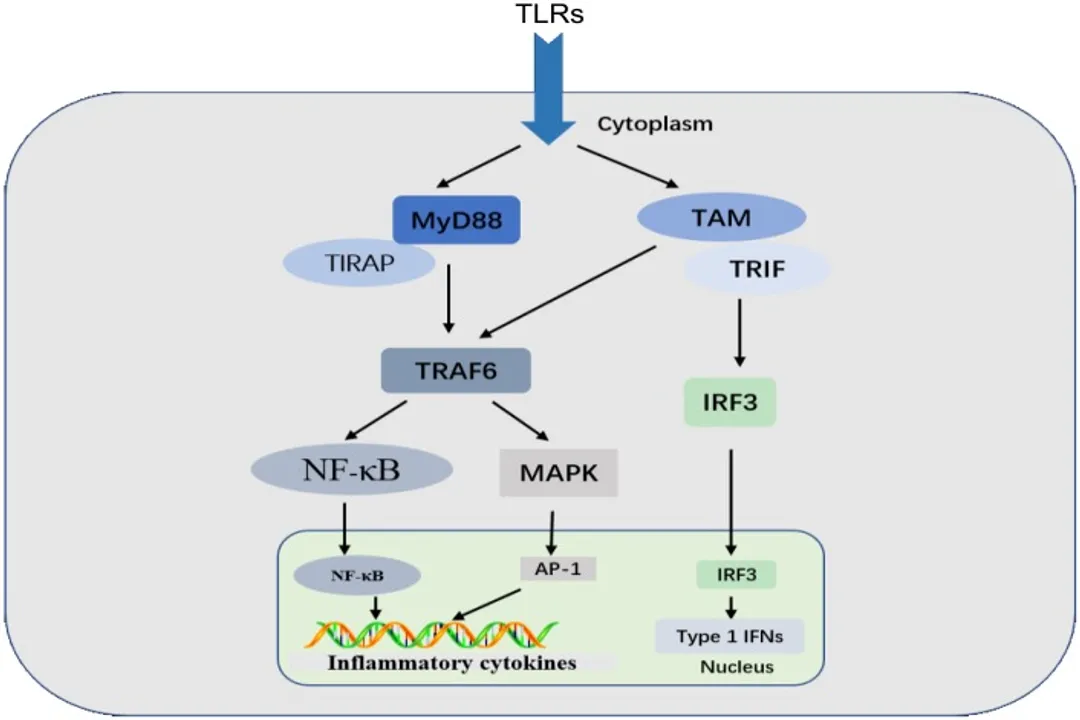
Inflammation is not inherently a bad thing; quite the opposite, it is a fundamental, necessary reaction by the body’s immune system to protect itself from harm. [4][5] When tissues are damaged, either through injury or invasion by pathogens like bacteria or viruses, the inflammatory response immediately kicks into gear. [2][5] This process is essentially the body marshaling its forces to contain the damage, clear out the intruders, and initiate the repair sequence. [2] Without this complex signaling cascade, we would be defenseless against minor cuts, scrapes, or everyday microbial exposure, often leading to severe, untreatable infections. [4]
# Immediate Defense
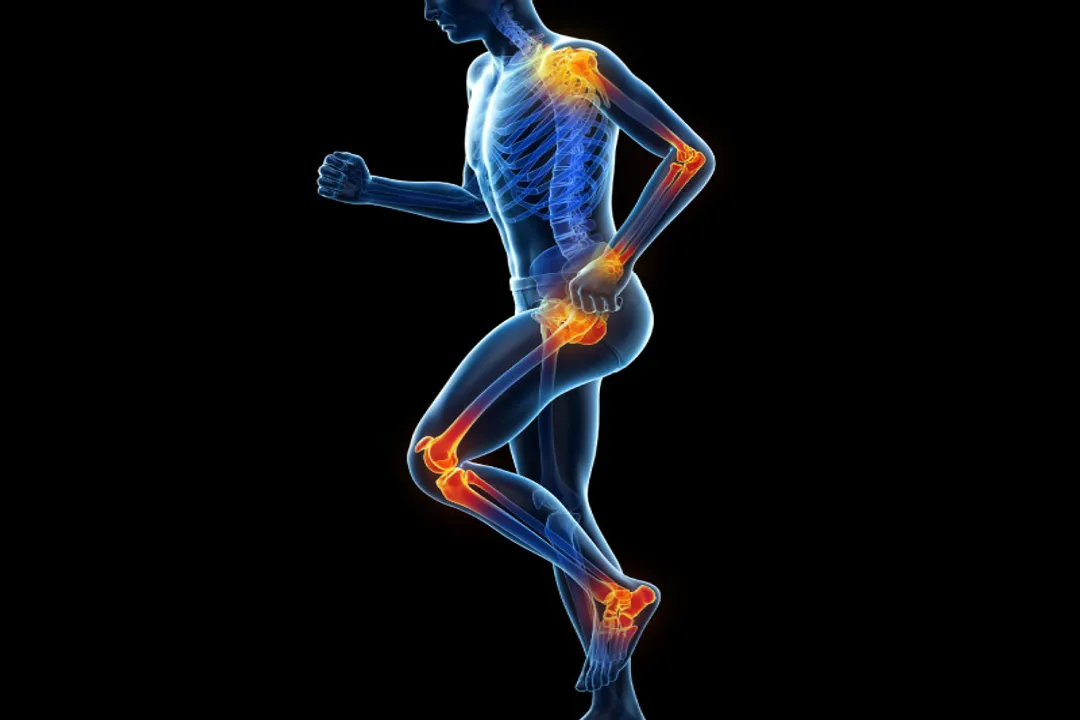
The protective role of inflammation relies on speed and precision. Once injury occurs, resident cells in the affected tissue, such as mast cells, release chemical mediators. [4] These chemicals act as alarms, signaling nearby blood vessels to widen and become more permeable. [1][5] This increased permeability is key, as it allows defensive elements—chiefly blood plasma and immune cells like white blood cells (leukocytes)—to exit the bloodstream and rush to the site of distress. [2][4]
This targeted deployment ensures that the healing agents are delivered exactly where they are needed most, like sending specialized emergency crews directly to an accident site. [4] The body recognizes inflammation as a necessary first step toward resolving any threat, whether it is a splinter under the skin or a deep muscle tear. [5]
# Visible Changes

The classic signs associated with inflammation—heat, redness, swelling, and pain—are direct, visible, and tactile manifestations of this protective mobilization. [1][5] Each symptom serves a specific, albeit sometimes uncomfortable, protective purpose.
- Redness and Heat: These occur because the blood vessels dilate, increasing blood flow to the area. [1] More warm blood rushing in causes the localized temperature and color to rise. This increased circulation speeds up the delivery of necessary materials for defense and cleanup. [5]
- Swelling (Edema): This is caused by the increased leakiness of the capillaries, allowing fluid and white blood cells to pass into the surrounding tissue. [1] While it causes pressure, this fluid buildup physically wall off the injured or infected area, preventing the potential spread of harmful substances or microbes to adjacent, healthy tissue. [1][4]
- Pain: Pain, often mediated by chemical signals irritating nerve endings, acts as an important behavioral deterrent. [1] It serves as an urgent warning to the person to stop using or moving the injured part, allowing the containment and repair processes to occur without further damage. [1]
If you look at the timeline, acute inflammation—the beneficial kind—is characteristically short-lived, resolving within days or weeks once the threat is neutralized and tissue cleanup is complete. [2] Its success is measured by its ability to terminate itself once the goal is achieved.

# Body Communication
Inflammation is not strictly confined to the immediate site of injury; it involves complex communication that spans different systems in the body. [6] For instance, in the central nervous system (CNS), specialized immune cells known as microglia reside within the brain and spinal cord. [6] When signals of systemic stress or damage reach the CNS, these microglia become activated, initiating an inflammatory response within the nervous tissue itself. [6] This localized CNS reaction helps manage potential harm to delicate neural structures, demonstrating that the protective mechanism extends to even our most vital command centers. [6]
These inflammatory signals are chemical messengers—cytokines and chemokines—that direct traffic and orchestrate cellular activities. [4] The entire event is highly regulated, balancing the need for aggressive defense with the necessity of eventually standing down to begin the remodeling phase of healing. [3] The fact that the body has mechanisms to communicate injury across anatomical barriers shows a sophisticated, multi-layered approach to ensuring survival. [6]
It is fascinating to consider the body’s default setting in a crisis. In a completely healthy state, the inflammatory response is incredibly efficient: deliver aid, neutralize the threat, and then retreat, clearing the battlefield for reconstruction. [2] This acute phase is the essence of the body protecting itself from immediate danger. [4]
The duration of this protective phase provides a critical differentiator. An acute response, which is purely protective, might last only as long as a localized infection requires cleanup, perhaps a week. [2] If the process continues for months or years, it suggests the protective mechanism has malfunctioned or is responding to a persistent, non-resolving trigger, which moves it into a dangerous chronic state. [3] A simple way to gauge the intended protective status of an inflammatory event is to assess if the symptoms are clearly related to a known, recent event (like a sprain or cold). If the inflammatory signs appear without a clear external trigger, the body’s internal checks and balances may be struggling to maintain order. [10]
# When Protection Fails
The protective nature of inflammation flips dramatically when the process becomes chronic—when the system fails to switch off after the initial threat is gone. [2][3] Chronic inflammation is generally not a localized event; it often involves the entire system being in a low-grade state of alert. [10] This persistent immune activity is linked to the development and progression of numerous long-term health issues, including heart disease, diabetes, and autoimmune disorders. [3][10]
When inflammation persists, the very cells sent to defend and clean up begin to cause collateral damage. [3] For example, instead of just clearing debris, sustained inflammation can begin to break down healthy surrounding tissue, creating a cycle where the body attacks itself in the effort to remain vigilant. [4] This highlights the paradoxical nature of the immune response; the mechanism designed for acute survival transforms into a source of long-term pathology. [3] The shift from protective acute response to harmful chronic state is less about what the chemicals are, and more about how long they stay active and where they are signaling. [2]
A useful point of comparison lies in how different biological systems handle this prolonged state. While a sore muscle might ache for a few days post-workout (acute protection and repair), persistent, low-grade inflammation affecting the arteries (chronic) damages the vessel lining without any immediate, visible sign of trauma, subtly paving the way for conditions like atherosclerosis. [10] Recognizing this transition, which often lacks the dramatic heat and swelling of acute injury, is key to maintaining long-term health. It requires paying attention to subtle, non-specific symptoms like persistent fatigue or low energy that might otherwise be dismissed. [6] The body protects us by demanding attention when things are wrong; chronic inflammation often whispers when it should be shouting. [10]
#Videos
Inflammation: Immune Response to Tissue Injury or Infection
Related Questions
#Citations
What Is Inflammation? Types, Causes & Treatment - Cleveland Clinic
In brief: What is an inflammation? - InformedHealth.org - NCBI - NIH
Inflammation: A Double-Edged Sword for the Immune System
Inflammation and the Immune System - Arthritis Foundation
What Does Inflammation Do to the Body?
How Systemic Inflammation Affects Your Brain & Central Nervous ...
Inflammatory responses and inflammation-associated diseases in ...
What is Inflammation? Causes, Effects, Treatment - Harvard Health
Inflammation: Immune Response to Tissue Injury or Infection
Why you should pay attention to inflammation