What would happen if there were no hydrogen in the universe?
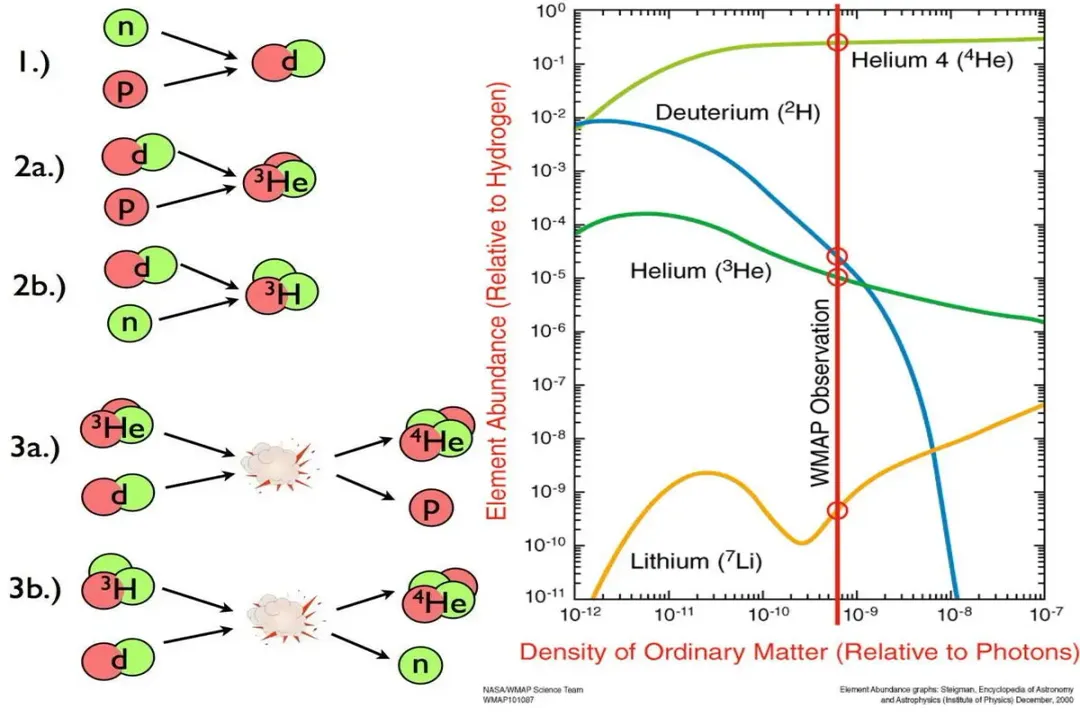
The very fabric of the cosmos, as we understand it, is overwhelmingly defined by a single, simple element: hydrogen. This element, consisting of just one proton and one electron, makes up roughly three-quarters of all the baryonic mass in the universe. [5][6] It is the primordial ingredient, the universe’s primary building block, and the fuel that lights up galaxies. Considering its fundamental status, asking what happens if hydrogen were to vanish is not just a thought experiment about astronomy; it's a query into the very mechanism of existence.
# Abundant Element
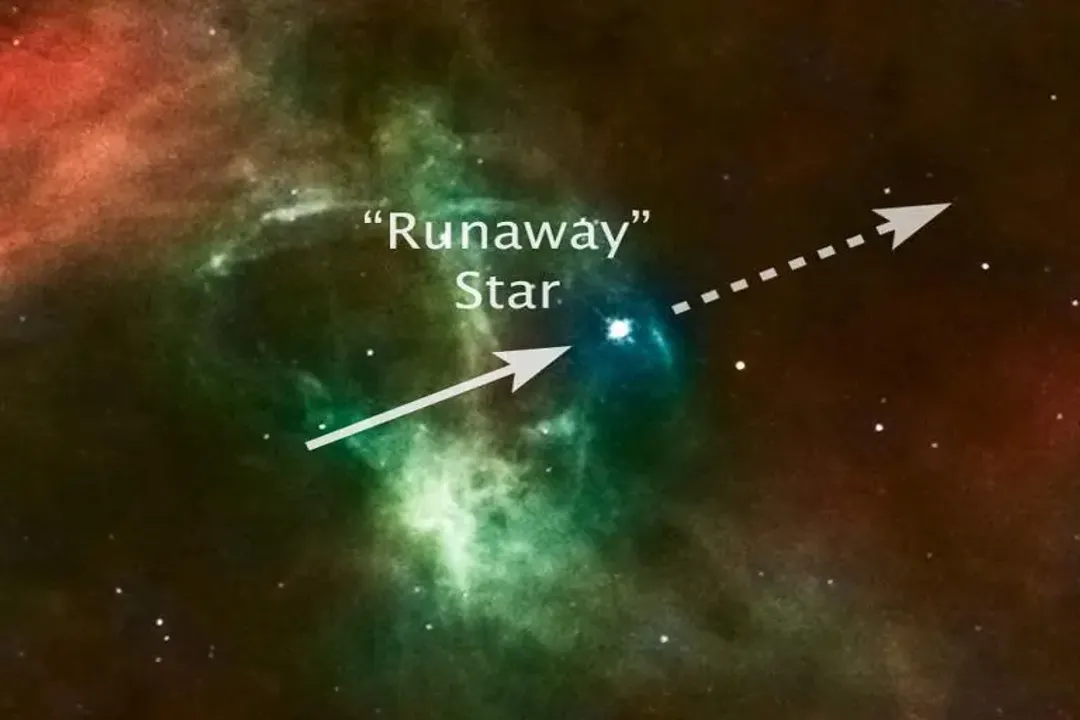
Hydrogen is not just common; it is the foundation upon which everything else is built. It was created in the Big Bang, and almost all stars, including our own Sun, shine because they are massive enough to force hydrogen nuclei together in their cores, a process we call nuclear fusion. [5][6] This fusion converts hydrogen into helium, releasing the colossal amounts of energy that sustain light, heat, and dynamic activity across billions of light-years. [6] Without this continuous stellar furnace, the universe would plunge into darkness almost immediately. [2]
When we look at a star, we are essentially looking at a massive, controlled hydrogen bomb operating over billions of years. The longevity of a stellar object is directly tied to the amount of hydrogen available in its core to burn. [5] Even the heavier elements—the carbon in our bodies, the oxygen we breathe, the iron in the Earth’s core—were forged, one step at a time, starting from hydrogen in the fiery hearts of stars or during supernovae explosions. [6]
# Zero Seconds
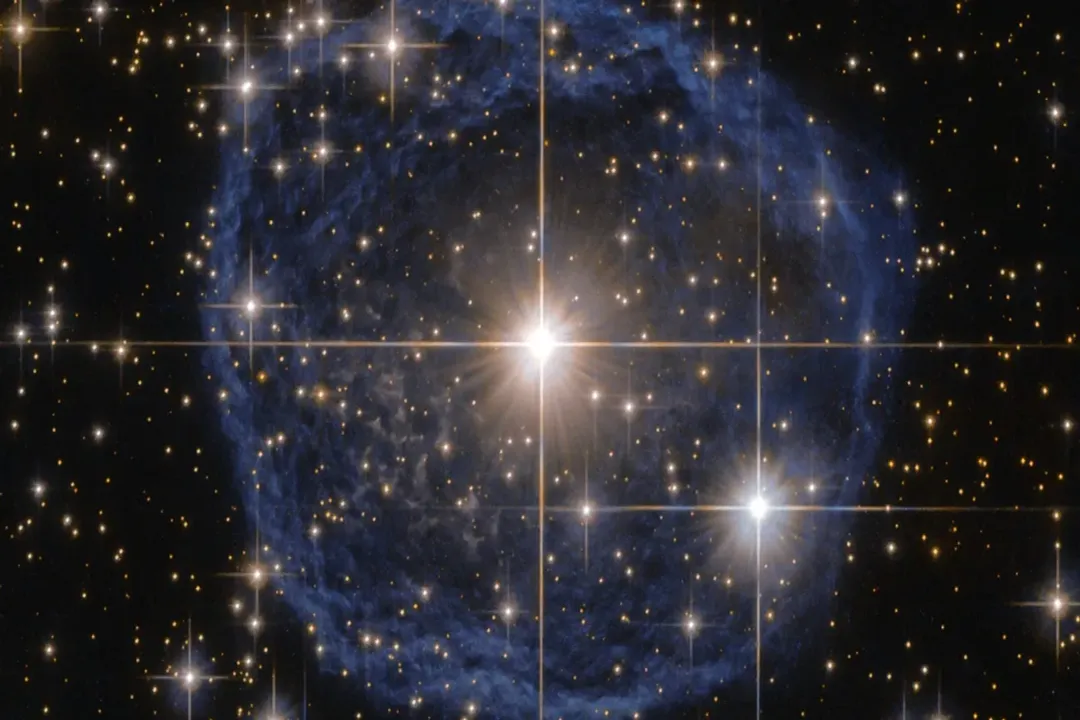
To truly grasp the impact, we have to consider two scenarios: a sudden removal and a slow depletion. The sudden disappearance is the most dramatic. If, hypothetically, every single hydrogen atom in the universe blinked out of existence for just a few seconds, the immediate consequence would be universal blackout. [2]
Imagine the Sun. Its output depends entirely on the steady rate of hydrogen fusion occurring deep within its core. [2] If the fuel source vanishes, the fusion reaction stops instantly. [2] While a star is a gigantic entity, the supply chain for its energy production is tightly coupled to its fuel availability. Even if the star’s outer layers took time to cool, the primary source of electromagnetic radiation would cease the moment the hydrogen atoms disappeared. [2] Across the entire observable universe, every single star, from the smallest red dwarf to the most colossal blue giant, would instantly go dark. [2] Light takes time to travel, so we wouldn't see the change immediately, but for any observer near a star, the illumination would vanish without warning.
Consider this a true physical catastrophe on a cosmic scale, far exceeding any localized supernova. In the hypothetical scenario where the hydrogen vanished for just three seconds, when it snapped back into place, the stars would have to re-ignite their fusion processes. [2] While massive stars might manage this restart relatively quickly, the shock to the system would be immense. For a hypothetical observer on Earth, three seconds of absolute, lightless night caused by stellar extinction would be an unprecedented, terrifying event, even if the darkness was fleeting. [2]
# Star Cessation
If the absence of hydrogen were permanent, the long-term consequences would be far more absolute than a temporary blackout. Stars cannot simply switch to burning helium or heavier elements indefinitely; those fusion pathways require immense pressure and temperature, and they occur much faster and yield less energy per mass than hydrogen fusion. [5]
Existing massive stars, which have already converted a good fraction of their hydrogen to helium, might continue burning for a while, rapidly fusing their remaining heavier fuel reserves. [2] However, once they exhaust the remaining hydrogen and helium, they would die, collapsing into white dwarfs, neutron stars, or black holes, depending on their initial mass. [5]
The critical element missing from this universe is the next generation of stars. Stars are born from vast, cold clouds of gas, which are overwhelmingly composed of molecular hydrogen. [5] Without hydrogen, there is no raw material left to initiate the gravitational collapse required for protostar formation. Even if we left the universe alone for trillions of years, no new light sources would ever appear. [5] The universe would become progressively darker as the existing stellar populations expired, leaving behind only stellar corpses and the diffuse, heavy elements scattered by ancient supernovae. [5]
It is interesting to compare this hypothetical instant end to the known fate predicted by cosmic expansion. In the actual future, the universe is expected to become cold and dark through the "Heat Death" scenario, but this happens over epochs lasting trillions of years as the rate of star formation gradually slows as the available gas is used up or dispersed by expansion. [9] A universe without hydrogen skips the entire long, slow decline; it goes straight to the cosmic finale. The difference is not just the end state—darkness and cold—but the timescale; the hypothetical scenario results in an instantaneous, universe-wide failure of stellar energy production, whereas the real prediction involves a gradual fading. [3][6]
# Nucleosynthesis Ends
The process of element creation, nucleosynthesis, is hierarchical. Hydrogen fuses to helium. Helium fuses to carbon and oxygen (in larger stars). Carbon fuses to neon, and so on, up to iron. [6] If hydrogen—the input material—is gone, the entire chain of creation halts at the heaviest element that was already present when the hydrogen vanished.
If the hydrogen disappeared while stars were still in their active, hydrogen-burning phase, the universe would be instantly frozen in its elemental composition, defined only by whatever had already been forged. [6] Any planet, nebula, or cloud that hadn't yet managed to form its first stars from hydrogen would remain forever as just that—a cold cloud. There would be no way to produce the heavier elements necessary for rocky planets, complex molecules, or magnetic fields generated by convective cores in larger stars. [5]
This chemical stagnation has an interesting implication for technology, even beyond astronomy. Consider modern industrial chemistry. Hydrogen is essential for basic processes, such as creating ammonia for fertilizer (the Haber-Bosch process) or as a fuel source for certain high-efficiency reactions. If hydrogen disappeared, a significant portion of contemporary chemical engineering and agriculture would immediately fail, even if the stars remained alight for a few more million years—a stark contrast to the complete stellar failure but a tangible, immediate crisis for any advanced civilization present at the moment of disappearance. [4][8]

# Future Depletion
While the instantaneous disappearance is a dramatic exercise, physics suggests the universe might not run out of hydrogen completely, though it will cease forming stars. [3] The current consensus leans toward an expanding universe where the average density of matter decreases over time. [9]
As space expands, the gas clouds that fuel star formation become more diffuse, making it harder for gravity to pull them together into dense enough clumps to ignite fusion. [3] Galaxies are slowly consuming their internal reservoirs of star-forming gas. While some galaxies are still quite active, the overall rate of star birth across the cosmos is slowing down. [9] Eventually, perhaps trillions of years from now, the available gas for making new stars will be too spread out to contract effectively. [3] This leads to a scenario where the universe dims, populated only by the cooling embers of long-dead stars, a long, slow descent into cold darkness. [9]
The question then shifts from if stars will run out of fuel to how effectively the remaining fuel will be recycled. In our actual universe, while existing stars consume hydrogen, the ongoing expansion and movement of gas mean that the supply isn't perfectly homogenized or exhausted simultaneously everywhere. [3] Some regions may remain active longer than others, but the eventual outcome is the same: a universe where the primary element for energy production is no longer abundant enough to sustain stellar activity. [9]
# Chemical Foundation
For life as we know it, the absence of hydrogen is an existential non-starter, regardless of whether it happens instantly or over eons. Hydrogen is the second most abundant element, and its participation in chemical bonding is unrivaled. [4][8]
Water (), perhaps the most crucial substance for biochemistry on Earth, requires hydrogen. Organic chemistry—the entire basis of carbon-based life—relies on the ability of carbon atoms to form long chains and rings with hydrogen atoms attached, creating the complex structures that make up proteins, fats, and DNA. [4] Without hydrogen, the universe would be left with elements like helium (an inert noble gas), neon, argon, and the heavier, less reactive elements forged inside stars. [5]
If the disappearance were total, any existing water would immediately vaporize or dissociate as the chemical bonds holding it together, which rely on hydrogen, broke down, assuming the energy from the stars was still present to drive reactions, or it would simply cease to exist in any familiar form. A universe devoid of hydrogen is one devoid of water, alcohols, hydrocarbons, and the vast majority of chemical complexity required to support self-replicating systems or even simple geological processes powered by chemical reactions. It would be a universe of inert metals, rocks, and noble gases floating in eternal darkness, a state that makes the slow dimming predicted by Heat Death seem almost merciful by comparison to the instantaneous structural failure implied by total hydrogen removal. [4][8]
#Videos
Will the Universe Run Out of Hydrogen? - YouTube
Related Questions
#Citations
What happens if the universe eventually runs out of hydrogen?
What would happen if all hydrogen atoms in the universe ... - Quora
The Universe might never run out of hydrogen - Medium
Will the Universe Run Out of Hydrogen? - YouTube
What would happen if our Earth's crust did not have any hydrogen in ...
The Universe might never run out of hydrogen - Big Think
Would our lives be affected if the universe lacked hydrogen?
what will happen if there is no hydrogen in the universe(HOTS)
Will the Universe Run Out Of Energy?