What can happen if we don't help our planet?
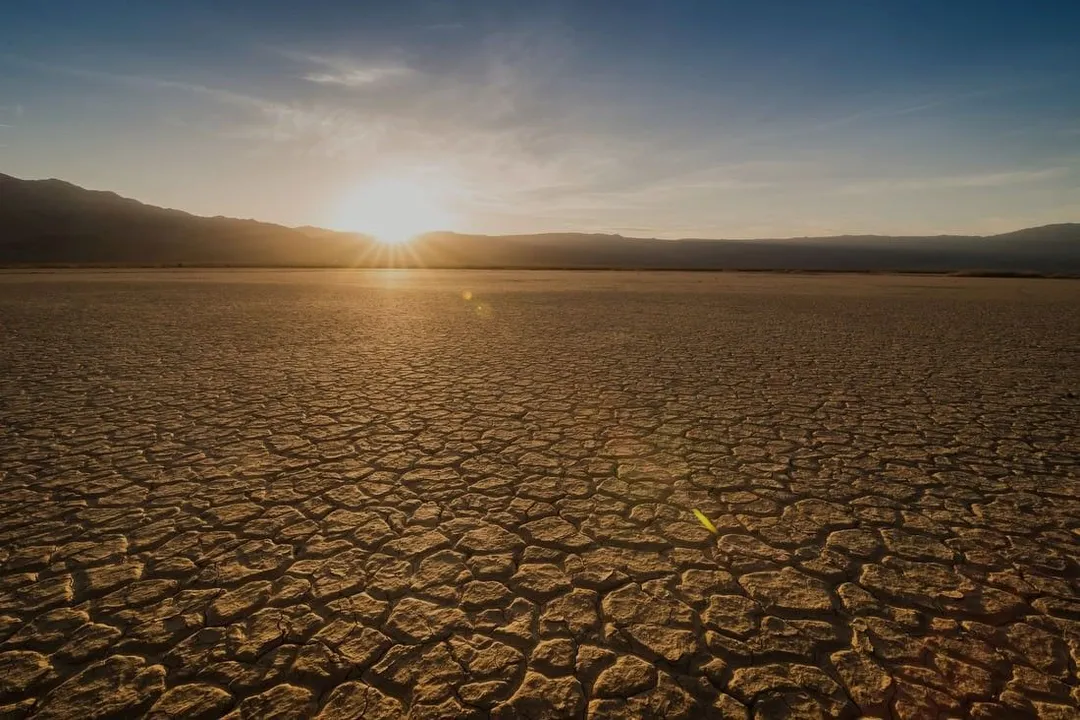
The very air around us, the stability of our coastlines, and the predictable rhythm of our seasons are all threads in a delicate planetary equation. When we discuss what happens if we fail to act on climate change, we are not discussing a distant, abstract future; we are charting a path toward profound, systemic disruption that is already beginning to manifest. Scientists have confirmed that the changes driven by increased heat-trapping gases are happening now, are irreversible for those currently alive, and will worsen the longer humanity continues to release these emissions. The consensus is clear: every fraction of a degree matters, and failing to meet goals like limiting warming to above pre-industrial levels makes increasingly dire outcomes the default.
# Warming Trajectory
Our planet is already roughly () warmer than the late century baseline. Projections suggest that without serious mitigation, we are heading toward a warming trajectory that could reach or exceed within the next few decades. While historical CO2 levels have been higher—sometimes by an order of magnitude—the critical difference today is the rate of change. Climate scientists emphasize that the pace of current warming is among the fastest the Earth has ever experienced, occurring at a rate potentially ten times faster than patterns seen in the last 65 million years. This speed gives natural systems and human civilization little time to adapt through evolution or planning. If we maintain a course of inaction, scenarios that push warming past strongly suggest a major collapse of ecosystems across the globe. One high-emissions path, sometimes modelled as RCP 8.5, could result in warming exceeding by the end of the century, leading to conditions many societies are simply unprepared to handle.
# Coastal Peril
One of the most visible and immediate consequences of continued warming is the fate of our ice and subsequent sea level rise. As global temperatures climb, the melting of glaciers and ice sheets accelerates. NASA data indicates that if all of Earth's land ice melted, sea levels could eventually increase by over 60 meters. While that extreme outcome is not immediate, the IPCC warns that if current trends persist, we could see sea levels rise by more than 1 meter by the close of this century. By 2050, this could translate to an impact on as many as 1 billion people globally.
The threat is not just abstract sea level creep; it manifests as increased coastal flooding, erosion, and the destruction of critical habitats. In the UK alone, a 1.8-foot rise in sea level under a 2-degree warming scenario could wipe out entire towns like Skegness and Grimsby, displacing thousands and incurring massive economic losses from destroyed property and businesses. Globally, coastal infrastructure—ports, roads, homes, and energy facilities—is acutely vulnerable. Furthermore, the loss of polar ice, which helps regulate weather patterns, contributes directly to the increase in extreme weather events felt inland.
Consider the logistical spine of global commerce. Most major ports and hubs are situated near sea level. If we fail to adequately plan for adaptation—or simply ignore the trend—the disruption cascades. For instance, if a major distribution center in a low-lying area shuts down due to repeated storm surges, the sudden halt in incoming and outgoing goods ripples through national supply chains, causing shortages far from the coast. This breakdown in the physical architecture supporting modern life is an often-underestimated consequence of rising water.
# Extreme Weather Intensification
Without significant mitigation, weather events become not only more frequent but markedly more severe.
# Heat and Drought
Heat waves are projected to grow in frequency and intensity. If global warming hits instead of , the number of people exposed to extreme heat waves every five years could jump from 1 billion to 2.7 billion. Regions like Southern Europe may exceed comfortable visitor temperatures during peak summer months, profoundly altering tourism sectors. Beyond discomfort, extreme heat poses a direct threat to human health, increasing summer heat-related deaths and straining energy grids as demand for air conditioning rises, which in turn contributes to further greenhouse gas emissions—a dangerous feedback loop. In regions like the US Southwest, increased heat combines with longer-term drought, leading to reduced agricultural yields and stressing city water supplies.
# Precipitation and Storms
Climate change alters precipitation patterns unevenly; some areas receive more, others less. However, the increased risk is often weighted toward extremes. We can expect more frequent and heavier rainfall, leading to increased flooding risk. Simultaneously, scientists project that the intensity and rainfall rates associated with tropical cyclones (hurricanes) will increase as the climate warms. If current trends continue, the risk of flooding globally could increase by 170% under a scenario, compared to a 100% increase at .
# Wildfire Escalation
Warming temperatures have already extended and intensified wildfire seasons, particularly in the West of the United States, where human-caused climate change is estimated to have already doubled the area of forest burned in recent decades. Without mitigation, projections suggest the land consumed by Western wildfires could increase two to six times by 2050. In drier regions, the risk is obvious, but even traditionally wetter areas like the US Southeast are projected to see wildfire increases of about 30%. The speed at which these fires move when conditions are right—low humidity, high temperatures, and high winds—is terrifying. In some instances, fires can grow from tiny sparks into massive walls of flame, generating their own weather systems that create new lightning, starting more fires in a catastrophic cycle.
# Ecological Collapse
The consequences for the non-human world paint an equally bleak picture. Ecosystems that took millennia to establish are being dismantled in decades.
# Reefs and Oceans
Coral reefs, vital ecosystems that protect coastlines and support immense marine biodiversity and fisheries, are extremely sensitive to rising sea temperatures. Increased temperature causes coral bleaching, where the coral expels the algae that sustain it, leaving it weak and prone to death. If warming reaches , projections suggest the world could lose virtually all of its coral reefs, a significant increase from the 70% loss expected at . The continued heating of the oceans also poses severe risks to marine life.
# Habitat Loss
For terrestrial species, the inability to adapt to rapidly shifting climate zones means habitat loss. At a rise, the risk of insects losing over half their habitat jumps to 18% (compared to 6% at ), with similar escalations for plants and vertebrates. If we continue on a high-emissions path, leading to massive ecosystem collapse, experts suggest that 50% to 80% of existing ecosystems could experience extinction events. Furthermore, the lengthening of the frost-free season, while seemingly positive for agriculture in some northern locales, disrupts established ecological timing, affecting when plants bloom and when animals migrate or breed.

# Societal Fallout
When nature breaks down, human society fractures. The impact extends far beyond environmental statistics and touches health, stability, and economics.
# Health Crises
Climate change is a direct threat to human health. The World Health Organization estimates that an additional 250,000 annual deaths between 2030 and 2050 could be attributed to climate change, primarily through malnutrition, malaria, diarrhea, and heat stress. Those most vulnerable include the elderly, children, pregnant women, outdoor laborers, and people with existing health conditions. In unmitigated scenarios, vast swathes of the equatorial regions could become physically unlivable due to heat waves exceeding .
# Economic Disruption
Tourism, a major global industry, will be dramatically reshaped. Ski resorts face an existential threat as snow cover diminishes, jeopardizing winter sports economies. Simultaneously, Caribbean nations reliant on beach tourism face escalating threats from stronger hurricanes and rising seas. Regions that fail to adapt face job losses and economic decline. Infrastructure damage from extreme weather events—floods, hurricanes, and wildfires—will require trillions of dollars in repairs that may simply not be possible in a failing system, leading to widespread societal disruption.
# Resource Competition and Conflict
As fertile land diminishes due to desertification and changes in reliable rainfall, competition for basic necessities like food and water will intensify. This scarcity exacerbates existing inequalities, potentially leading to the displacement of millions, creating "climate refugees". The resulting pressures on public services and resources can heighten geopolitical tensions between nations already experiencing instability. The historical pattern of resource scarcity leading to conflict suggests that an unmitigated climate crisis could easily spark larger wars or internal civil strife as populations move to find survivable conditions.
It is important to recognize that the impacts will not be distributed equally. Those with wealth and power may insulate themselves, perhaps by investing in secluded, self-sufficient properties, while everyone else fights over shrinking viable resources. This potential social reorganization around resource control suggests a shift away from modern, interconnected civilization toward localized instability and potential kleptocracy in some developed areas.
# The Necessity of Will
The situation is dire, but not yet decided. The existence of various climate scenarios proves that our collective will can still influence the final outcome. We have evidence that large-scale international cooperation can work; the Montreal Protocol, which successfully phased out ozone-depleting substances in under three decades, demonstrates our capacity for swift, unified action when the political will is aligned.
While individual actions—like composting or choosing sustainable energy providers—are important for building momentum and changing cultural norms, the scale of the challenge demands a systemic response. For example, the average person in the US emits around 20 tons of greenhouse gas annually, a figure significantly higher than many global averages. However, the core issue is the system driving those emissions. Realizing the necessary transformation requires that governments and large entities move decisively away from fossil fuels, which requires recognizing that saving the planet is not about austerity but about building a more resilient, clean economy. The window to secure a liveable future is rapidly closing, but as long as we are writing about the possibilities, the future remains a choice, not a fixed fate.
#Videos
2050: what happens if we ignore the climate crisis - YouTube
Related Questions
#Citations
If we Don't Save our Planet, we are Killing Ourselves
Our Planet Is Warming. What's at Stake? - World Wildlife Fund
The Effects of Climate Change - NASA Science
Here's what happens if we don't tackle the climate crisis
what would happen if we just didn't try to prevent climate change?
Is it too late to save our planet? - PlanA.Earth
2050: what happens if we ignore the climate crisis - YouTube