How long do chemicals stay in soil?

The lifespan of a chemical in the ground is rarely a single, fixed number; it is a spectrum determined by the chemical itself and the environment it lands in. When people ask how long a substance like a herbicide or insecticide will remain active in the soil, they are essentially asking about its persistence, a concept often measured by its half-life. [4] This half-life is the time it takes for half of the initial amount of the chemical to break down or disappear from the soil environment. [4] Understanding this duration is critical, especially for gardeners and farmers planning future rotations or simply concerned about environmental impact. [8]
# Chemical Type
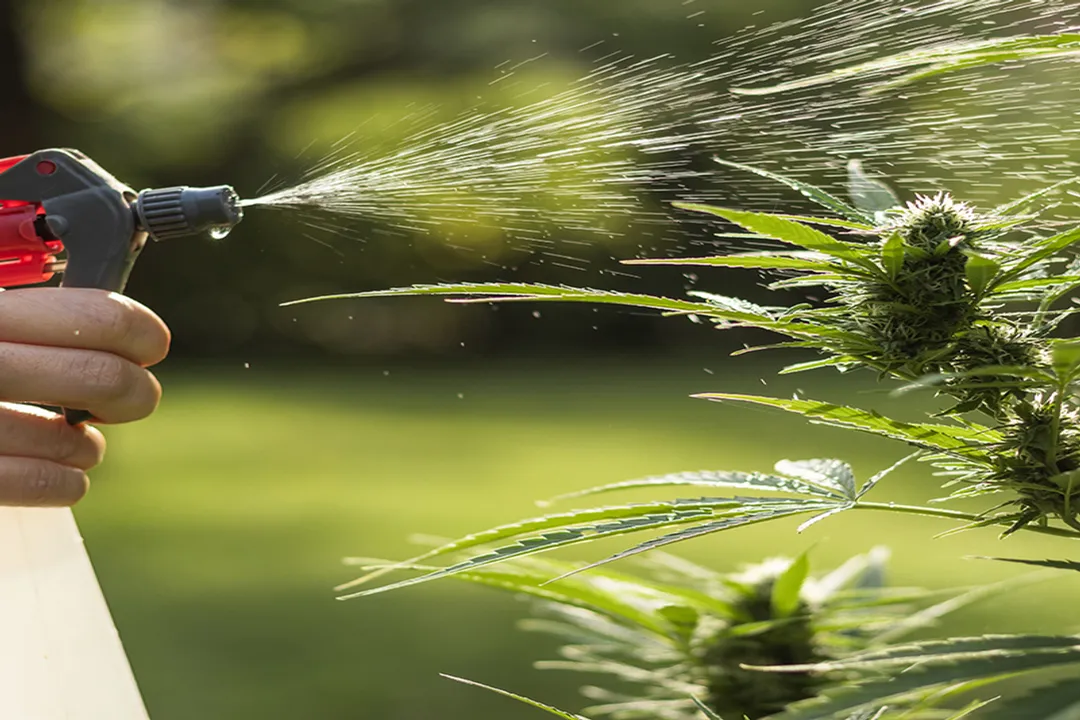
The single most important factor dictating soil residence time is the specific chemical compound involved. Not all pesticides behave the same way; some are designed to break down rapidly upon contact with soil microbes, while others are engineered for longer-term protection. [9] For instance, while common herbicides like glyphosate have garnered significant public attention regarding their soil presence, other classes of chemicals, such as certain insecticides, can linger much longer in the environment. [9] Residues from some insecticides might persist for months or even span multiple years, depending on the specific active ingredient. [9] This variance means that lumping all "soil chemicals" together provides very little useful information; a specific name is necessary to gauge the potential duration of concern. [9]
# Breakdown Mechanics
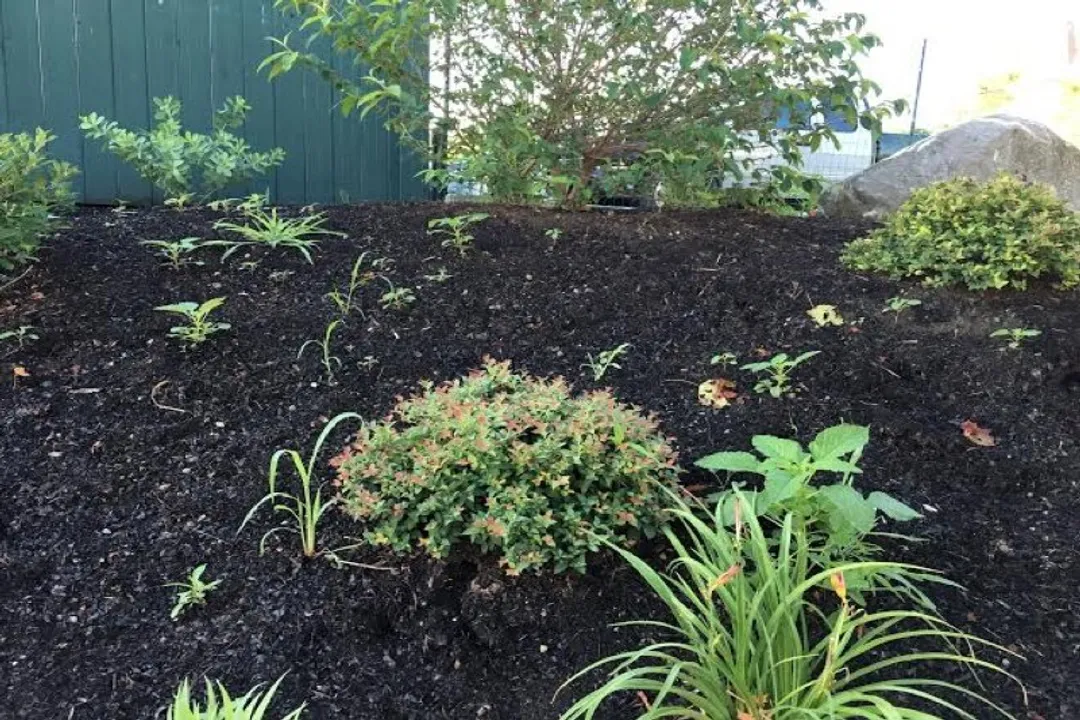
For most organic chemicals applied to the soil, the primary mechanism for disappearance involves microbial degradation. [4] Soil is teeming with life—bacteria, fungi, and other microorganisms—that naturally consume and break down these foreign compounds as a food source. [4] The speed at which this natural cleansing crew works is highly dependent on the immediate environmental conditions surrounding them. Think of it like baking; the same recipe will cook differently in a cold, damp oven versus a hot, dry one. [4]
# Environmental Variables
Several interdependent variables act as the accelerators or brakes on this natural breakdown process. First, temperature and moisture are crucial partners. [4] Warmer soil temperatures generally mean higher microbial activity, leading to faster breakdown. [4] Similarly, moist soil supports a more active microbial population than bone-dry conditions. [4] If soil dries out significantly, microbial action slows dramatically, effectively pausing the degradation clock. [4]
The soil composition itself plays a significant role, often contrasting with intuition. While one might assume that soils rich in organic matter would break down chemicals fastest because they have the most microbes, organic matter and clay particles can also have a high sorption capacity. [4] Sorption is the process where the chemical binds, or sticks, to the surfaces of these soil particles. [4] When a chemical is tightly bound, it becomes less available for microbes to access and break down, potentially slowing its removal from the soil solution, even if microbial life is abundant. [4] Therefore, a sandy soil with low organic content might allow a chemical to dissipate quickly through leaching or immediate biological action, whereas a heavy clay soil might hold onto it longer through binding. [4] Furthermore, the original concentration of the applied chemical and the specific formulation (e.g., whether it includes surfactants or other additives) can influence the rate at which it becomes available for degradation. [4]
# Herbicide Timelines
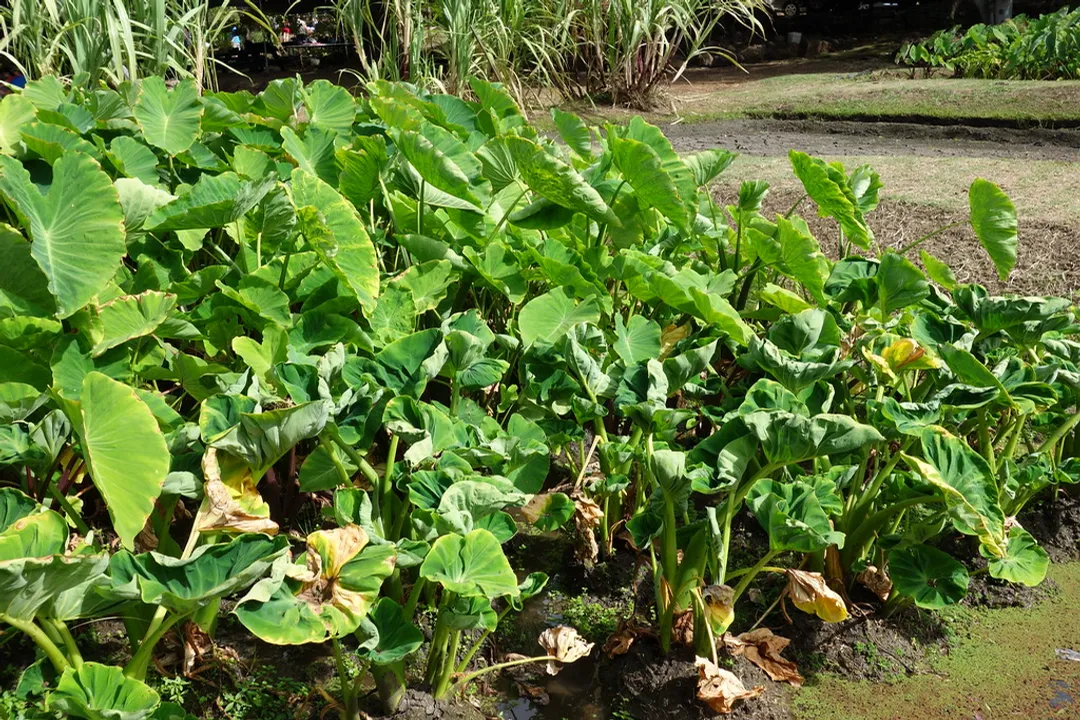
When focusing specifically on widely used herbicides, like glyphosate (the active ingredient in products such as Roundup), the reported persistence varies widely, underscoring the influence of the environmental factors just described. [1][7] In biologically active, warm, moist soils, glyphosate can degrade quite quickly, sometimes showing a half-life measured in days or a couple of weeks. [2][7]
However, if conditions are not ideal—perhaps during a cold snap or a dry spell—the compound will remain intact for longer periods. [4] Anecdotal evidence from homeowners often reflects this variability; while some report being able to plant sensitive crops within a couple of weeks without issue, others express concern about follow-up plantings, suggesting that detectable residues or biologically active amounts lingered longer than expected. [1][5] For instance, one user noted that even after several weeks, there was still a lingering presence, which is entirely plausible if the soil environment was suboptimal for microbial action during that time. [1] This highlights a key difference: 'gone' is not the same as 'inactive,' and detectable residues can remain long after the initial activity has ceased. [7]
It is crucial to contrast these relatively fast-degrading herbicides with what are termed persistent herbicides. [8] Some agricultural chemicals are intentionally formulated to resist rapid breakdown so they can provide residual weed control over an extended season. [8] For gardeners or growers using such products, the chemical warning literature is explicit: these compounds can remain active long enough to injure or kill subsequent rotational crops planted weeks or months later. [8]
# Half-Life Comparison
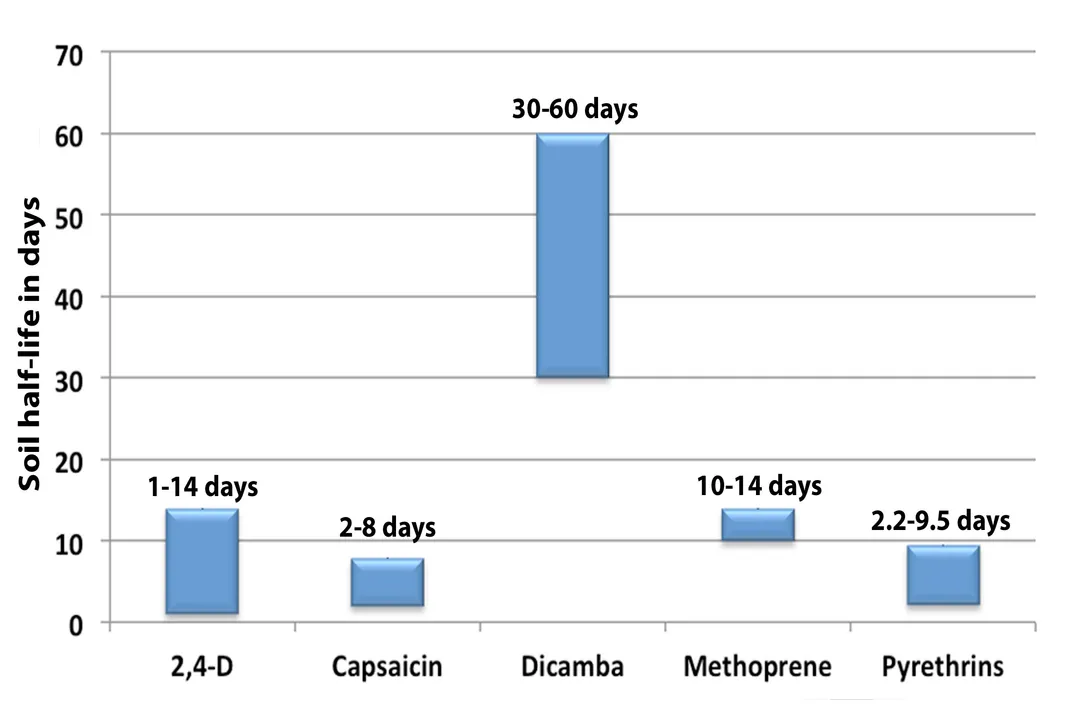
To put the concept of soil longevity into perspective, examining a few typical half-life ranges—even generalized ones—is helpful for readers planning their land use. While specific data for every commercial product is vast and constantly updated, we can see a general trend by contrasting chemical types:
| Chemical Class (Generalized) | Typical Half-Life Range (Approximate) | Primary Removal Factor |
|---|---|---|
| Readily Biodegradable Herbicides (e.g., Glyphosate under ideal conditions) | Days to 3 Weeks | Microbial Breakdown [4][7] |
| Certain Organophosphate Insecticides | Weeks to Several Months | Biological Activity and Sorption [9] |
| Persistent Herbicides (Specific Classes) | Months to Over a Year | Very Slow Degradation [8] |
It is worth noting that even when the parent compound breaks down, it often forms breakdown products, or metabolites, which might themselves have toxicological significance or persistence. [4] Monitoring for the original chemical might show it has vanished, but an underlying issue might still exist in the form of a metabolite that the microbial community has not yet fully addressed. [4]
# Planting Windows
The primary concern for homeowners and farmers isn't just the presence of the chemical, but its biological availability to the next crop. [8] If an herbicide is strongly bound to soil particles (high sorption) or has not been fully metabolized, it might be taken up by the roots of a newly planted, sensitive seedling, causing stunting or death. [4][8] This is precisely why literature from agricultural agencies strongly warns about persistent herbicides potentially affecting subsequent plantings, often suggesting waiting several weeks or even months depending on the product label instructions. [8]
When considering immediate use after application, many users seek assurance based on short timelines, but this is inherently risky without knowing the exact soil conditions. [1] If someone applies a broad-spectrum product to a driveway or path and then wants to plant flowers there the following weekend, they are essentially gambling on perfect, warm, microbe-rich conditions. [2] A responsible approach acknowledges the uncertainty imposed by weather variability and soil type. [4]
A practical consideration for gardeners facing this situation, perhaps after using a residual control product and realizing they need to plant sooner than the label recommends, involves promoting conditions that favor rapid microbial life. While no immediate chemical "fix" exists to instantly neutralize the residue, actively incorporating compost or high-organic matter material—provided it doesn't overly bind the chemical—along with consistent, appropriate watering (without waterlogging) can encourage the native soil biota to work through the residues more efficiently. [4] The goal isn't to wash the chemical away, but to feed the organisms that naturally consume it, effectively speeding up nature's cleanup crew. [4]
# Managing Contamination Concerns
For situations where a significant spill or heavy, non-labeled application has occurred, the process of remediation moves from simple waiting to active management. The principle remains the same: encourage degradation. [4] This might involve tilling the area repeatedly to ensure aeration and mixing, which helps distribute the chemical more evenly, potentially breaking up pockets where concentration is too high or where moisture levels are poor for microbes. [4]
In cases involving older, more persistent chemicals—especially insecticides—where residues have built up over years of use, the half-lives can stretch into multi-year periods. [9] For these substances, long-term rotation to less sensitive crops or leaving the ground fallow under monitored conditions is often the only recourse, as the soil environment alone cannot eliminate the chemical quickly enough for modern agricultural needs. [9] The historical context of what was applied to a piece of land is often as important as the most recent application when predicting soil chemical longevity. If you are buying an older property, asking about historical pesticide use—though often difficult to ascertain—provides crucial context for understanding what might still be lingering below the surface. [9]
Related Questions
#Citations
How long does roundup stay in the soil? : r/homeowners - Reddit
How Long Does Weed Killer Stay in Soil? - SNS Blog
How Long Does Weed Killer Last In The Soil - Gardening Know How
Pesticide Half-life
How long does it take for weed spray chemicals to break down in ...
How long does a systemic stay in the soil? - Permies.com
How long does glyphosate remain active in the soil? - Quora
[PDF] Important Warning Regarding Persistent Herbicides - Maine.gov
[PDF] HOW LONG DO INSECTICIDE RESIDUES PERSIST?