persistence articles

What concept is used to measure the time it takes for half of an initial amount of a chemical to break down in the soil environment?
What is the primary mechanism responsible for the disappearance of most organic chemicals applied to the soil?
How do warmer soil temperatures generally influence the rate of chemical breakdown?
What effect does a high sorption capacity in soil particles, like clay or organic matter, have on chemical degradation?
Which factor is stated as the single most important determinant of a chemical's soil residence time?
Under ideal, biologically active, warm, and moist conditions, what is the typical half-life range for glyphosate?
If monitoring shows the parent chemical has vanished, what potential issue might still present a toxicological concern?
What is the primary concern regarding biological availability when planting sensitive crops after herbicide application?
What active management strategy is suggested to encourage faster degradation of a chemical spill, aside from waiting?
Based on generalized half-life ranges provided, which category of chemical is engineered to resist rapid breakdown for extended control?
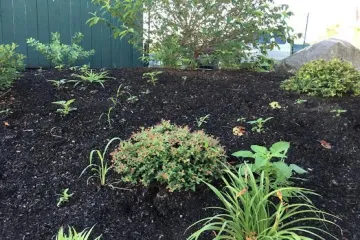
What mechanism causes glyphosate to lose its herbicidal effect shortly after entering the soil?
Which environmental factor is cited as the single most important driver of chemical breakdown in the soil?
How does the persistence of urushiol in soil generally compare to that of widely used broad-spectrum synthetic herbicides?
What practical step encourages the breakdown of herbicides like glyphosate by increasing the necessary biological agents?
How can soils high in organic matter affect the degradation of certain chemicals?
What is often cited as a short-term estimate for the effective presence of glyphosate before sensitive crops can be safely planted?
Why must products intended for residual weed control remain active in the upper soil layers?
What does it mean when a chemical residue is biologically inert despite being technically present in the soil?
How does soil moisture level influence the speed of chemical biodegradation?
What is considered the most certain remedy for dealing with a persistent chemical when immediate peace of mind is required?
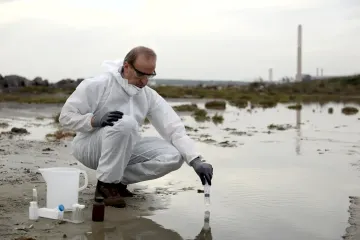
What two primary factors dictate the duration a substance remains an issue in soil?
What process generally characterizes the fate of organic contaminants like certain pesticides in soil?
What factor can significantly extend the effective half-life of a common herbicide like glyphosate in the soil?
What is the primary reason that inorganic contaminants, such as heavy metals, do not disappear from the soil?
How does strong adsorption of an initial pesticide molecule affect the long-term risk timeline?
Which soil variables tend to slow down the degradation process of organic chemicals?
What environmental conditions put the natural cleanup crew (microbial life) on pause, extending contaminant persistence?
For heavy metals, what is the appropriate management strategy instead of waiting for natural attenuation?
What is a key difference noted in the persistence of chlorinated solvents compared to common, fast-degrading herbicides?
In contrast to organic contaminants, what happens to the contamination profile of arsenic in the soil?