Could humans survive the meteor that killed the dinosaurs?
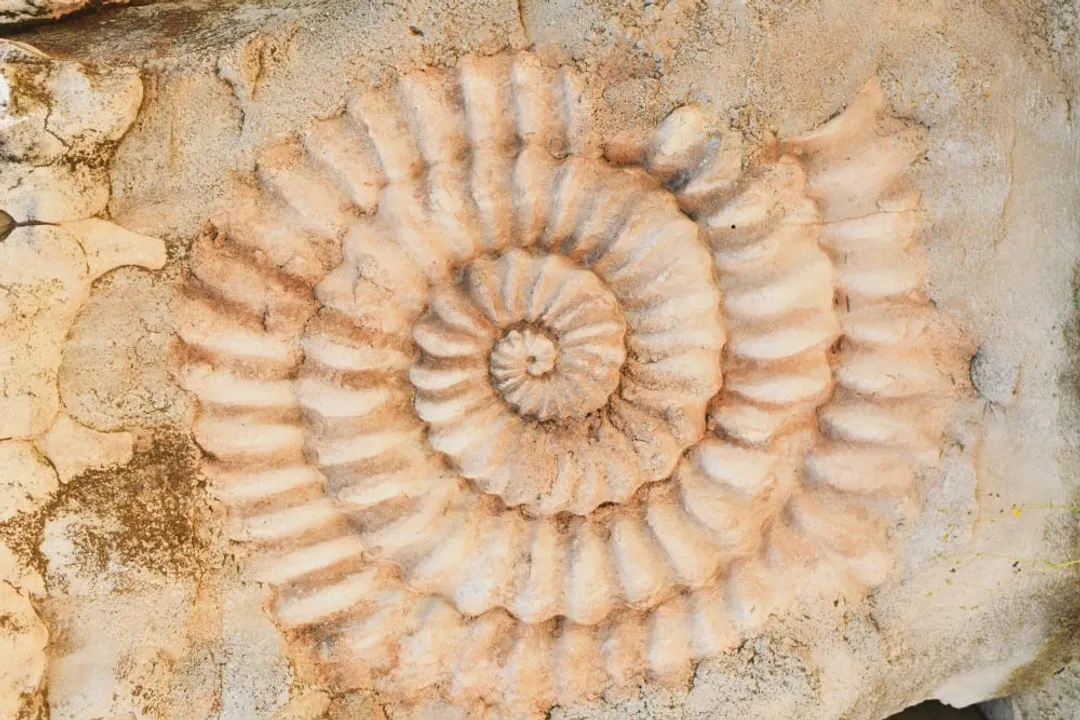
The event that irrevocably altered Earth’s history 66 million years ago, wiping out the non-avian dinosaurs, involved an object estimated to be about 10 to 15 kilometers across plunging into what is now the Yucatán Peninsula. [2][4] This impact released energy equivalent to billions of atomic bombs, fundamentally resetting the planet's biological parameters. [2] To consider whether modern Homo sapiens could endure a repeat performance requires a grim comparison between the survivors of the Cretaceous-Paleogene (K-Pg) boundary and our current, highly specialized existence.
# Meteor Diameter
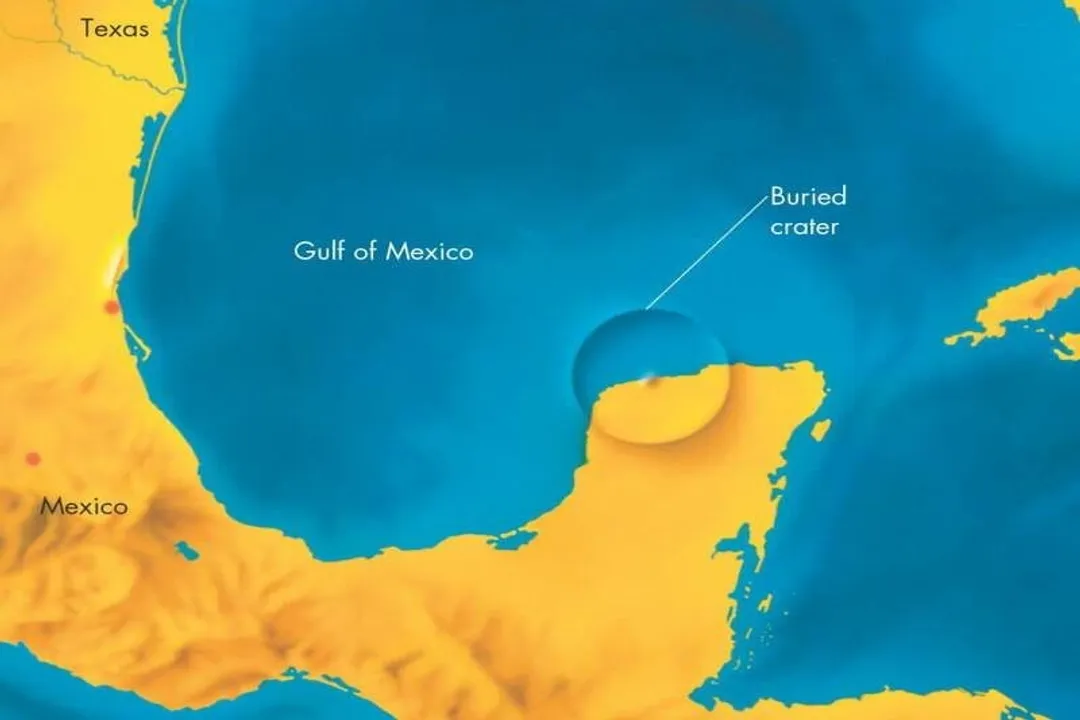
The sheer scale of the Chicxulub impactor sets the baseline for the catastrophe. [4] A 10-kilometer object striking the Earth represents a massive transfer of kinetic energy. [2] While modern asteroid tracking systems are vastly superior to anything available to prehistoric life, the ability to successfully deflect or destroy an object of that specific size—or even detect it years in advance with sufficient confidence to prepare a global response—remains a subject of intense scientific debate. [7] Even if detected a decade prior, the logistical challenge of protecting eight billion people is staggering when compared to the sheer randomness that defined the survival of our distant ancestors. [1]
# Initial Shockwave
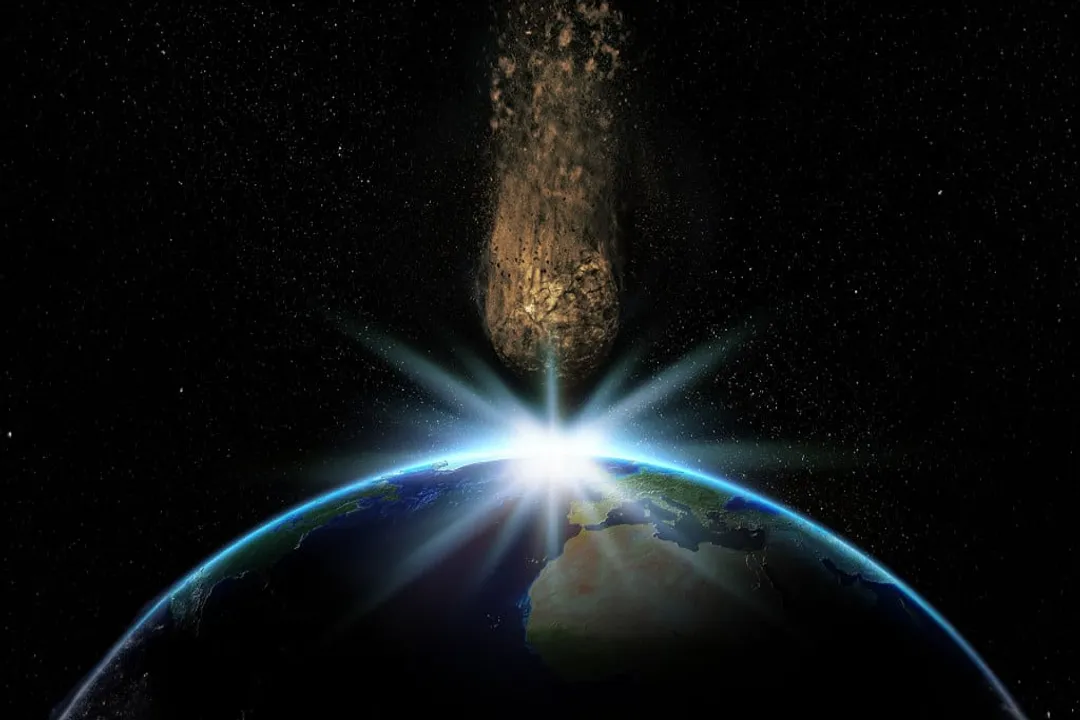
The immediate consequences for anything near the impact zone would be absolute annihilation. Within seconds, a massive fireball would incinerate everything for hundreds of miles, accompanied by a seismic shockwave powerful enough to register globally. [4] Following the initial blast, the kinetic energy drives pulverized rock and vaporized material high into the atmosphere, raining down as superheated ejecta. This re-entry creates an intense thermal pulse across the globe, igniting massive, likely planet-wide wildfires. [2] While early mammals—the ancestors of humans—were small and likely underground, they would still have been exposed to devastating heat waves depending on their specific burrow depth and the duration of the thermal pulse. [5]

# Impact Winter

The long-term, rather than the instantaneous, threat proved most lethal to the established dinosaurs. [9] The sheer volume of dust, soot, and aerosols injected into the stratosphere would have blocked out the sun for months, perhaps years, initiating a severe impact winter. [2][10] This phenomenon rapidly drives down global temperatures, halting photosynthesis. [2] For the large, warm-bodied, high-metabolism dinosaurs, this meant the immediate cessation of their primary food source. Life near the Gulf of Mexico would have faced immediate vaporizing heat, while those farther away would have starved as the base of the food chain dissolved. [4]
# Ancient Adaptations
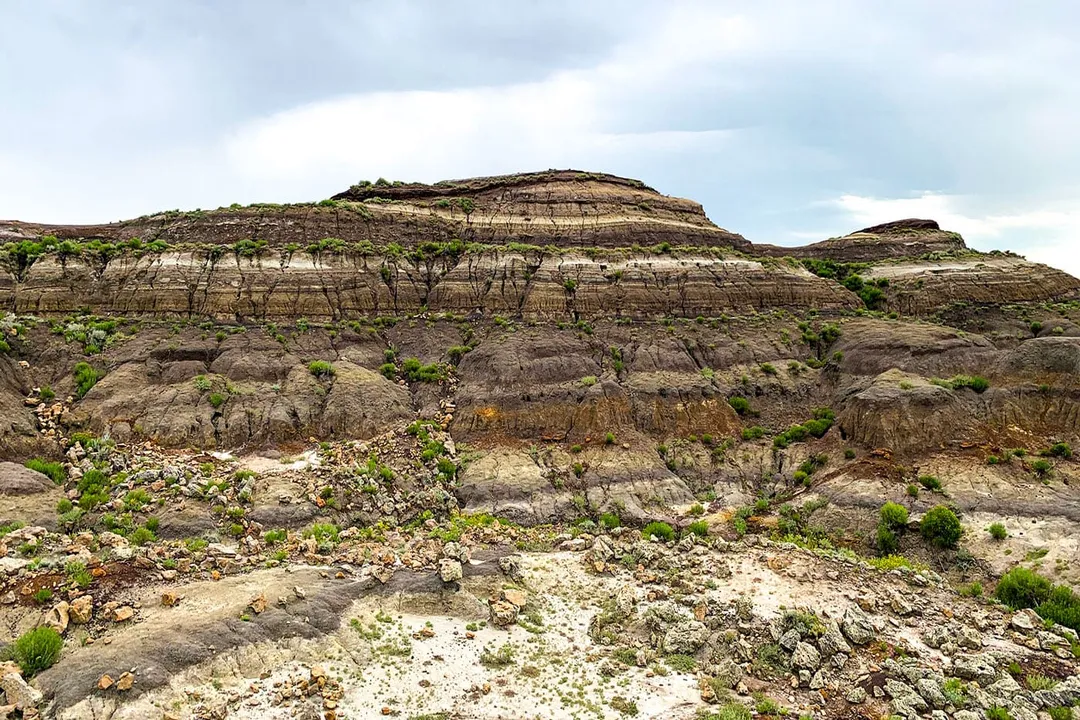
When examining which life forms endured the K-Pg boundary, the profile of the survivor is quite distinct from that of a dinosaur. [5] The groups that succeeded—including small mammals, birds, and crocodilians—shared key characteristics: small body size, a generalized or omnivorous diet, and the capacity to shelter. [5][9] Our mammalian ancestors were likely burrowing, perhaps living in tree roots or underground fissures, subsisting on insects, worms, seeds, and decaying organic matter. [5] This ability to subsist on detritus, material that continues to exist even when plant life dies, is a critical difference. [9]
# Size Matters
The contrast in mass is perhaps the single most important factor in understanding ancient survival versus modern vulnerability. A creature requiring vast amounts of vegetation or large prey to fuel its metabolism faced inevitable starvation when the ecosystem locked up. [9] Small mammals, needing far less energy and able to enter torpor or hibernation, had a distinct advantage. [5] Consider this difference: an average Tyrannosaurus rex required a colossal, consistent caloric intake, likely consuming massive amounts of meat daily, whereas early mammals could survive on minimal resources for extended periods. [9] This metabolic efficiency allowed them to wait out the worst of the darkness and cold. [5]
# Human Demands
Moving from 66 million years ago to the present reveals a species built for stability, not abrupt systemic shock. Humans are fundamentally dependent on a predictable, energy-rich environment sustained by continuous sunlight driving agriculture. [10] Our high caloric needs and the sheer scale of our global population mean that no significant portion of humanity could easily transition to a purely subterranean, detritivore existence. While anecdotal discussions often focus on stockpiling food, the world's grain reserves would be exhausted relatively quickly by a global population of billions if the supply chain fails for even a single year. [1]
A key divergence from our ancestors’ success lies in resource density. Early mammals had sparse, scattered populations reliant on immediate, local resources like leaf litter or soil invertebrates. [5] Modern humanity is clustered into massive urban centers, creating enormous caloric demands in small areas. If the primary food source—sunlight-driven agriculture—vanishes, these population centers become massive, immediate death traps, unable to support the density of life they currently house, even if a small percentage of survivors could find decentralized shelter elsewhere. [4]

# Systemic Risk
Beyond food, modern survival hinges on interconnected, complex infrastructure. Power grids, communication networks, medical supply chains, and clean water systems would all collapse almost instantly under the stress of a global catastrophe followed by societal breakdown. [4] The initial impact might kill some directly, but the secondary and tertiary collapses—loss of medical care, sanitation breakdown, and civil unrest over dwindling non-perishable supplies—would likely claim the majority of the surface population. Even sophisticated, purpose-built bunkers face existential logistical issues: how long can life support run without external resupply or maintenance expertise distributed across the population?[2]
# Early Detection
Our greatest advantage compared to the Cretaceous period is the potential for advance warning. [7] If a Chicxulub-sized object were identified years or decades ahead of time, it shifts the scenario from a natural disaster to a coordinated global engineering problem. Studies suggest that while a planet-killer asteroid impact could be survived by humanity today, the success hinges entirely on preparedness and detection. [7] If we have enough lead time, focused efforts could potentially establish self-sustaining, geographically diverse underground habitats, perhaps near geothermal or deep-sea vents, minimizing reliance on the sunlit surface. [2]
# Shelter Limits
The feasibility of global bunkers presents an interesting engineering counterpoint to the ecological crisis. If we assume a structure or network could be built, capable of housing a small fraction of the population—say, a few million people—the main challenge becomes the duration of isolation and the rate of societal collapse outside. [1] Furthermore, the location of these shelters must account for the impact effects themselves. While a location in, say, the southern hemisphere might escape the immediate blast zone, it would still endure the global thermal pulse and the subsequent years of cold and darkness. [4] A significant original consideration here is the necessary depth: shallow bunkers or those relying on large underground food storage face high risks from seismic activity, ground liquefaction, and the simple inability to sustain complex machinery over decades without external maintenance teams, which defeats the purpose of isolation. Survival here requires not just a steel shell, but a complete, closed-loop biological and mechanical ecosystem capable of operating autonomously for potentially twenty years while the atmosphere slowly cleanses itself. [7]
# Final Assessment
The scientific consensus leans toward the idea that a fraction of humanity could survive the impact itself, provided we had significant warning and could shelter effectively. [7] However, the chances of civilization surviving, or even a large percentage of the total human population, are exceedingly slim when compared to the likely fate of the majority. The mechanism of extinction shifts: dinosaurs died because they were too big and too dependent on a functioning surface ecosystem; modern humans die because we are too numerous and too dependent on complex, interconnected systems built on the expectation of a stable environment. [4][10]
# Speed of Change
When considering the viability of human survival, it is instructive to compare the timescales involved. The ancestors of humans survived because they were already adapted to the low-energy, stable-but-dull condition that followed the impact. [5] They were the ultimate generalists waiting for the specialists to die off. [9] Humans today are the ultimate specialists, having engineered an environment specifically designed to avoid the ecological lottery our ancestors played. [1] If the impactor strikes without warning, the speed at which our globalized systems break down—measured in days or weeks for essential services—is far faster than the multi-year timeline required for the atmosphere to stabilize and photosynthesis to resume reliably. [2] The failure mode for the dinosaurs was starvation across years; the failure mode for modern humanity in an unprepared scenario is systemic collapse followed by resource wars and logistical failure over months. Our very success has manufactured a dependence that makes us acutely fragile against true, abrupt planetary forcing events like the Chicxulub impact. [4]
#Videos
Could Humans Survive the Dinosaur-Killing Asteroid ... - YouTube
Related Questions
#Citations
Could humanity survive the chixculub impact? : r/Astronomy - Reddit
Could Humans Survive the Dinosaur-Killing Asteroid ... - YouTube
If an asteroid that killed the dinosaurs hit the Earth, would mankind ...
Could Humans Survive The Asteroid Impact That Wiped Out The ...
Humans' ancestors survived asteroid impact that killed the dinosaurs
Humanity extinction by asteroid impact - ScienceDirect.com
Humanity Could Survive A 'Planet-Killer' Asteroid, A New Study Says
Could humans have survived the Chicxulub asteroid impact?
How Did Anything Survive the Mass Extinction? | Prehistoric Road Trip
Could humans have survived the asteroid that killed the dinosaurs?