Is cosmic radiation harmful to humans?
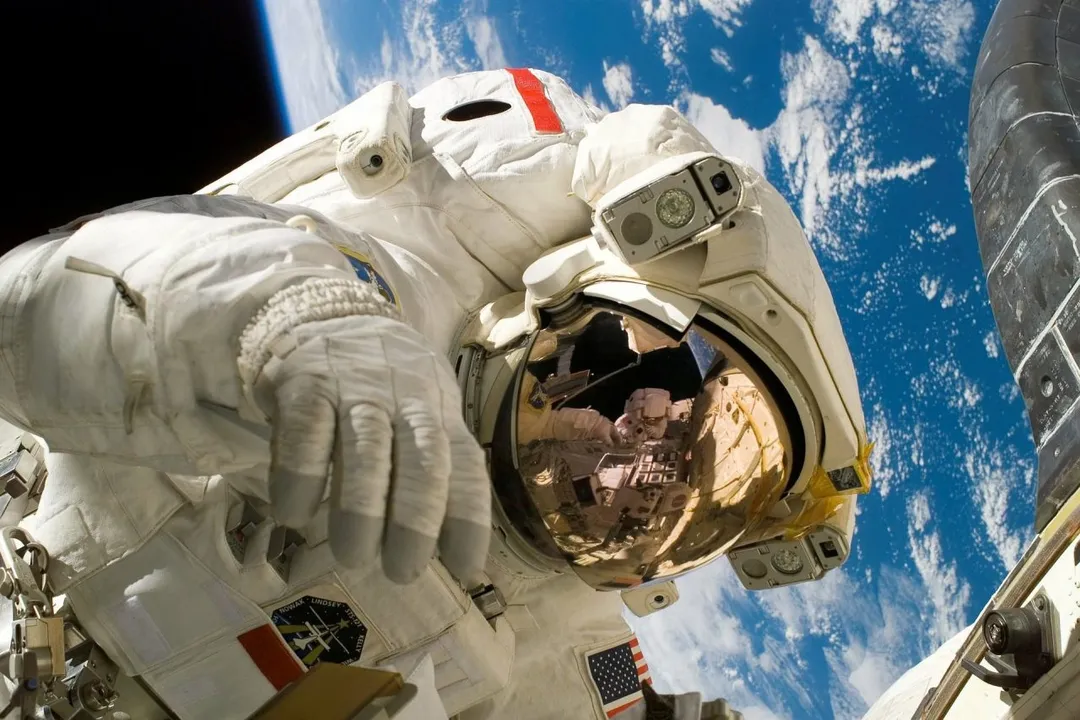
Cosmic radiation is an unavoidable part of our existence, present even as we stand firmly on Earth. The real question shifts from if we are exposed to how much we are exposed to, and whether that exposure poses a genuine threat to human health, particularly when we leave the protective blanket of our planet. [3] For the vast majority of people on the ground, cosmic rays contribute only a small fraction of their total annual radiation dose, but for astronauts traveling beyond low Earth orbit, this silent bombardment becomes the single greatest health risk they face. [1][6] Understanding this risk requires breaking down the radiation itself and where we encounter it.
# Cosmic Components
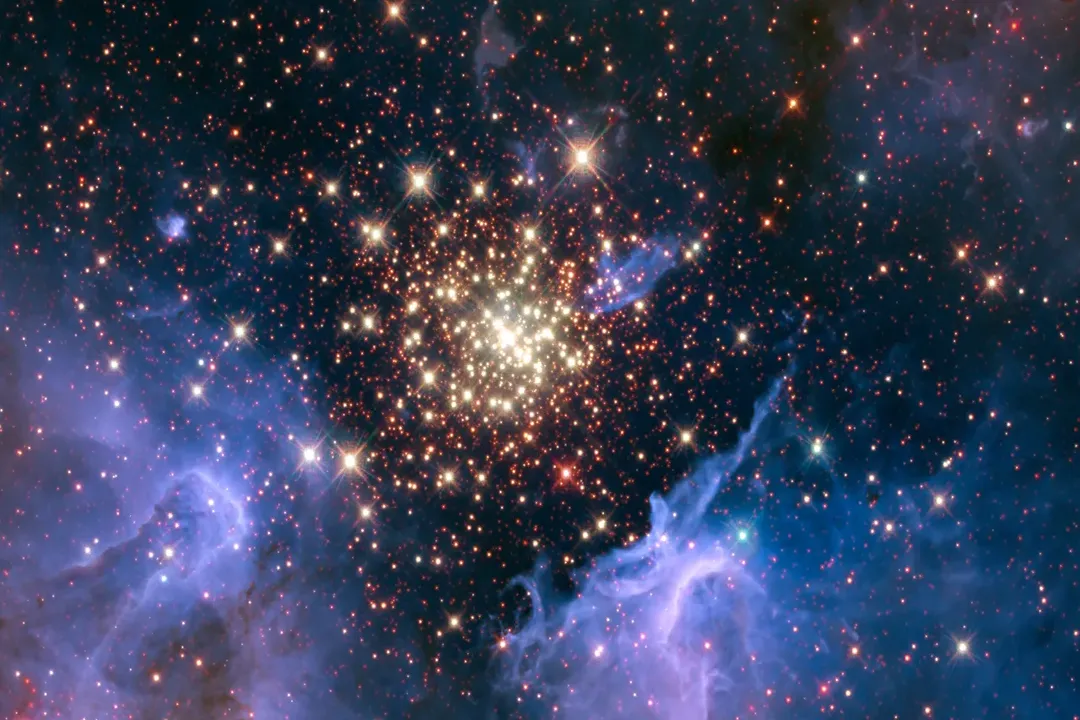
The radiation bombarding Earth, and especially space travelers, is not a single entity; it’s a mixture of high-energy particles originating from outside our solar system and occasional bursts from our own star. [1]
The primary, most persistent component of space radiation consists of Galactic Cosmic Rays (GCRs). [1][6] These are essentially atomic nuclei—protons and heavier ions, stripped of their electrons—that have been accelerated to nearly the speed of light by distant, violent astrophysical events, such as supernovae. [1] GCRs are highly penetrating. Because they possess such high kinetic energy, they interact deeply with matter, meaning they are difficult to shield against effectively. [1][8]
In contrast, Solar Particle Events (SPEs) are less constant but potentially lethal in the short term. [1] These are massive bursts of energetic particles, mostly protons, that shoot out from the Sun during solar flares or coronal mass ejections. [1] While GCRs represent a long-term, chronic hazard, an unshielded SPE can deliver a massive dose of radiation very quickly, posing an acute danger to an astronaut. [8]
# Terrestrial Doses
Life on Earth involves constant exposure to background radiation from various sources, including radon gas, naturally radioactive materials in the soil, medical imaging, and, yes, cosmic rays. [2] The dose an average person receives from cosmic radiation while standing on the ground is relatively low because Earth’s atmosphere and magnetic field act as effective shields. [1]
However, this terrestrial protection is not uniform. Exposure to cosmic radiation increases predictably with altitude and latitude. [2] For example, a person living at sea level receives less cosmic radiation than someone living in Denver, Colorado. Similarly, frequent commercial airline travel exposes crew and passengers to slightly elevated doses compared to those living and working closer to the surface. [2][5] While this increased exposure is measurable, for the general population, it remains within levels that scientists generally do not consider cause for alarm when compared to other background sources. [3] The concern escalates dramatically when considering the environment outside of this atmospheric buffer zone.

# Deep Space Threats
When astronauts venture beyond the protective embrace of Earth's magnetosphere and into deep space, the nature of the radiation problem fundamentally changes. [1] The atmosphere, which stops most low-energy particles, is gone, and the magnetic field no longer deflects incoming GCRs. [1]
The primary concern for missions extending to the Moon or Mars is the cumulative effect of GCRs. [6] Because GCRs are heavy, highly charged ions, they shred biological material as they pass through tissue, depositing energy in dense tracks. [4] This type of damage is qualitatively different and generally considered more damaging than the types of radiation we encounter on the ground, which are usually lower-energy X-rays or gamma rays. [5] Astronauts face a protracted exposure that current spacecraft shielding technology struggles to mitigate completely against GCRs. [8]
A key challenge in mitigating deep space radiation is the trade-off between protection and logistics. While placing thick layers of material—like water, food, or specialized plastics—in front of the crew can block some radiation, adding significant mass to a spacecraft designed for long-duration travel is prohibitively expensive and complex. [8] Furthermore, even shielding can sometimes exacerbate the problem; when a highly energetic GCR hits a shield material, it can create a cascade of secondary, lower-energy particles inside the habitat, which can also damage biological systems. [4]
# Cellular Damage
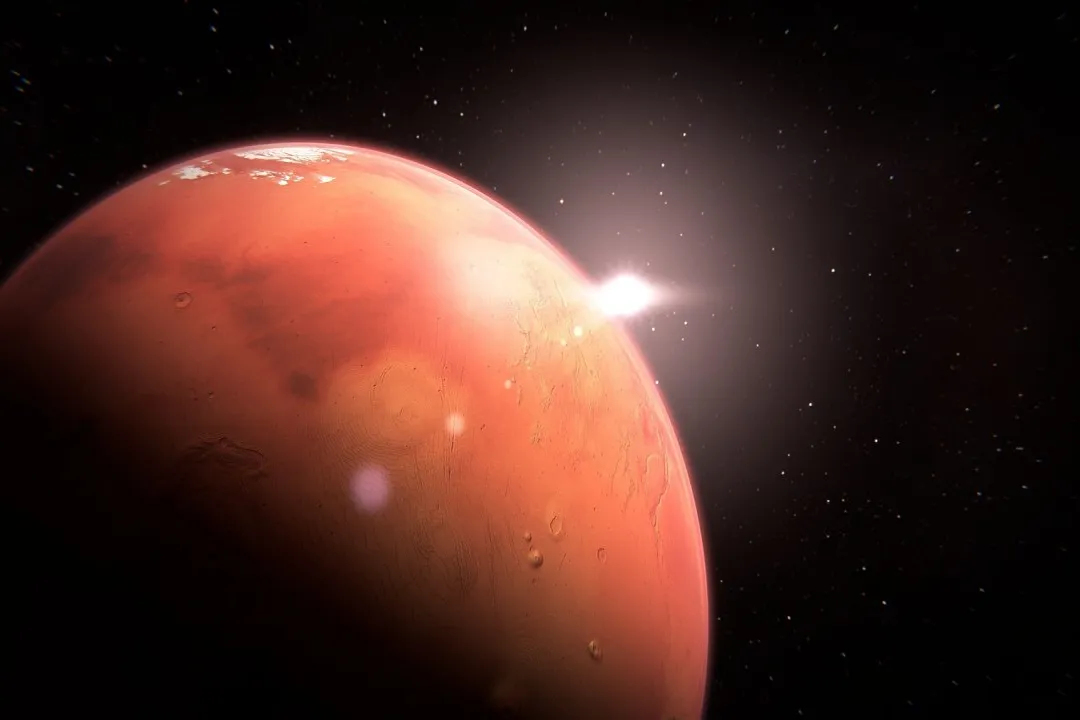
The biological consequences of exposure to high-energy space radiation are multifaceted, affecting everything from immediate organ function to long-term cancer risk. [1]
The most established risks involve cancer development and damage to the central nervous system (CNS). [1][6] High-LET (Linear Energy Transfer) radiation, like that from GCRs, is very effective at causing DNA double-strand breaks. [9] While cells have repair mechanisms, repeated, dense hits from heavy ions can overwhelm these systems, leading to permanent genetic mutations that may manifest as cancer years or decades later. [9]
The impact on the brain and CNS is an area of intense study and mounting concern, particularly for long-duration missions. [7] Space radiation can damage neural circuits, potentially leading to functional impairments. [7] Studies suggest that this exposure can affect cognitive processes, memory, and motor function by altering the cellular environment and disrupting the intricate wiring within the brain. [7] If a mission to Mars takes several years, the cumulative dose received by the crew raises serious questions about their performance and well-being both during the mission and upon their return to Earth. [4]
One important consideration when assessing these risks is the difference in dose quality versus dose quantity. On Earth, if a person receives a dose of 1 Sievert (Sv) from X-rays, the risk profile is well-modeled. However, 1 Sv from GCRs is biologically far more damaging due to the density of ionization. [9] This means that simply translating ground-based safety limits to spaceflight does not accurately capture the true hazard; we must use specialized weighting factors to estimate the true biological impact of space radiation exposure. [1]
# Protection Strategies
For those traveling in Low Earth Orbit (LEO), such as on the International Space Station (ISS), the risk profile is significantly different from deep space missions, largely due to the Earth’s magnetic field. [1] Astronauts aboard the ISS are primarily protected by that field, though they still experience some exposure, particularly during solar particle events that can temporarily penetrate the field lines. [1]
Countermeasures for astronauts fall into several categories:
- Passive Shielding: This involves placing materials around the crew quarters and critical areas of the spacecraft. [8] As mentioned, this is most effective against SPEs, but less so against GCRs unless the shielding is impractically thick. [1]
- Active Shielding: This remains largely theoretical for GCRs and involves using strong electromagnetic fields to deflect charged particles away from the spacecraft. [8] This technology faces immense engineering hurdles related to power generation and field strength.
- Operational Mitigation: This involves timing missions or adjusting travel paths to avoid peak solar activity periods, thus reducing the risk of encountering a major SPE. [1]
When comparing the Earth's protection to a spacecraft, consider the relative efficiency. The Earth's magnetic field deflects most particles by steering them around the planet—a vast, dynamic shield that requires no manufactured material. By comparison, a spacecraft hull relies on a static, passive barrier. This fundamental difference means that for deep space explorers, the best immediate "shield" is often planning a route that minimizes exposure time, though this may extend mission timelines, adding yet another complexity. [8]
# Long Haul Hurdles
The primary reason cosmic radiation remains a major barrier to human exploration beyond the Moon is the estimated dose accumulation over a multi-year mission, such as a trip to Mars. [3][4] NASA has set career exposure limits for astronauts based on their lifetime risk of developing fatal cancer, and exceeding these limits is generally avoided. [1]
For a round-trip mission to Mars, estimates suggest that astronauts could accumulate doses that place them very close to, or even exceed, these career limits, primarily from GCRs. [4] Even if physical symptoms do not appear during the mission, the delayed health effects pose an unacceptable risk for the agency and the explorers themselves. [6]
If we were to calculate the approximate exposure difference, an individual on Earth might accrue about 3 millisieverts (mSv) per year from all sources, with cosmic radiation being a smaller part of that total. [2] An astronaut on a Mars transit, however, could face an annual equivalent dose that is ten to twenty times higher than that background rate, concentrated in only a few years. [1] This vastly accelerated exposure rate, delivered by high-energy particles, is why radiation remains the limiting factor for designing successful, safe, and lengthy human interplanetary missions. [8] Scientists and engineers are actively seeking advanced materials, biological countermeasures, and perhaps even magnetic deflection systems to bring this radiation reality check into a manageable zone for future pioneers. [8]
Related Questions
#Citations
Space Radiation is Risky Business for the Human Body
Facts About Radiation from Space (Cosmic Radiation)
Cosmic Radiation: Why We Should not be Worried
The Effects of Galactic Cosmic Rays on the Central Nervous ...
Just how dangerous is radiation in space? : r/askscience
Cosmic radiation gave the Fantastic Four superpowers. ...
How does radiation in space affect the brain?
Radiation Reality Check: The Hidden Risks of Deep-Space ...
Modeling and countering the effects of cosmic radiation ...