What limits human lifespan biologically?

The relentless march of medical progress has seen average life expectancy climb dramatically over the last century, leading many to wonder if there is a biological hard stop to how long any of us can live. While we have become very good at preventing premature death from infectious disease or acute illness, the question shifts when considering the absolute maximum age a human body can sustain itself. [5][8] Current evidence suggests that despite our best efforts against specific diseases, an intrinsic biological ceiling appears to govern the extent of human longevity. [3][7]
# Theories Debate
The fundamental disagreement regarding lifespan limits often falls into two broad camps: those who view ageing as inevitable, programmed obsolescence, and those who see it as a simple accumulation of unavoidable damage. [4][6] Proponents of the "programmed" view suggest that our genes contain a predetermined limit, perhaps dictating how many times cells can divide or how long certain repair mechanisms are active. [4] Conversely, the damage accumulation theory posits that ageing is the result of wear and tear—the continuous, unrepairable accrual of molecular and cellular insults over time. [1][8] This damage builds up until the complexity of the system fails, regardless of a specific internal clock. [4] Many modern gerontology models suggest the reality lies in the intersection of both, where an innate blueprint interacts with the environment to accelerate or delay the rate of damage accumulation. [6]
# Cellular Decay
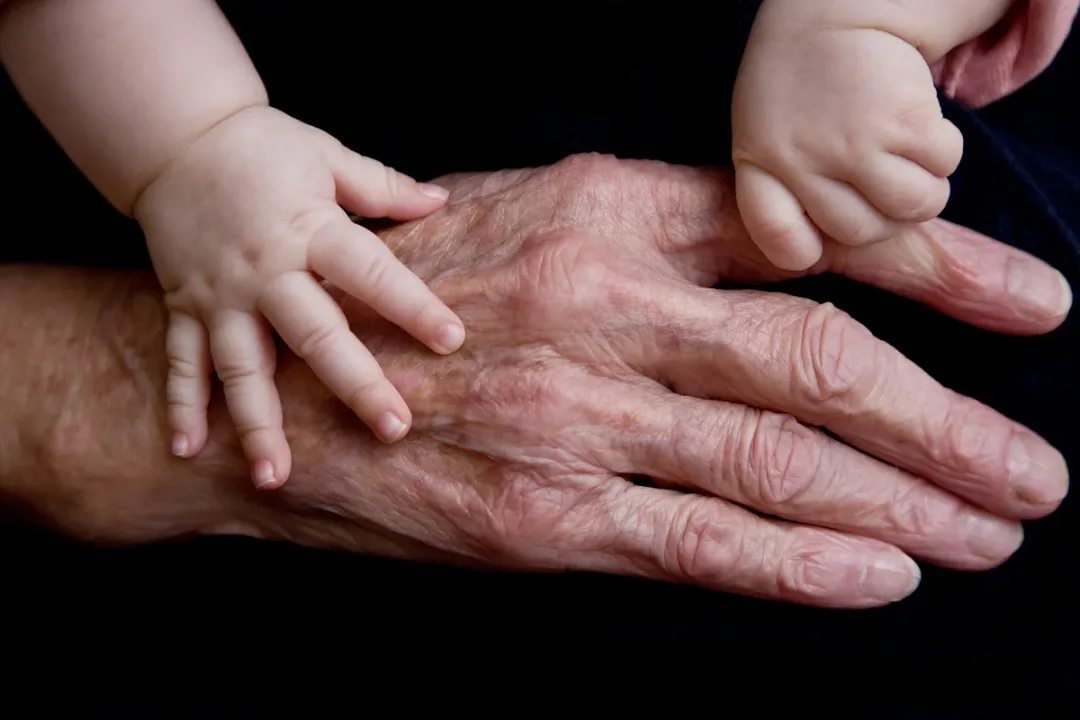
Looking closer at the physical reality inside the body reveals concrete mechanisms that contribute to this decline, often referred to as the hallmarks of ageing. [1] One of the most cited limitations involves the protective caps on our chromosomes called telomeres. [4][6] Every time a normal cell divides, these telomeres shorten, acting like a biological counter. Once they become too short, the cell stops dividing or enters a state of irreversible dormancy known as cellular senescence. [1][6] This senescence contributes to a chronic, low-grade inflammation and poor tissue function throughout the body. [1]
Another critical factor is the maintenance of the cell's machinery, particularly proteins and mitochondria. The failure to properly fold, process, and clear out damaged proteins—a concept called loss of proteostasis—leads to clogs and dysfunction within cells. [1] Similarly, mitochondrial dysfunction, where the cell's powerhouses become less efficient and produce more damaging byproducts, severely limits cellular energy and increases oxidative stress. [1][6] DNA itself is a target; the accumulation of somatic mutations and genomic instability means that the instructions for cellular function become corrupted over time. [1][6] Even if we cured all major diseases—cancer, heart disease, neurodegeneration—these fundamental processes of accumulating molecular errors would still eventually lead to organ failure. [8]
# Longevity Plateau

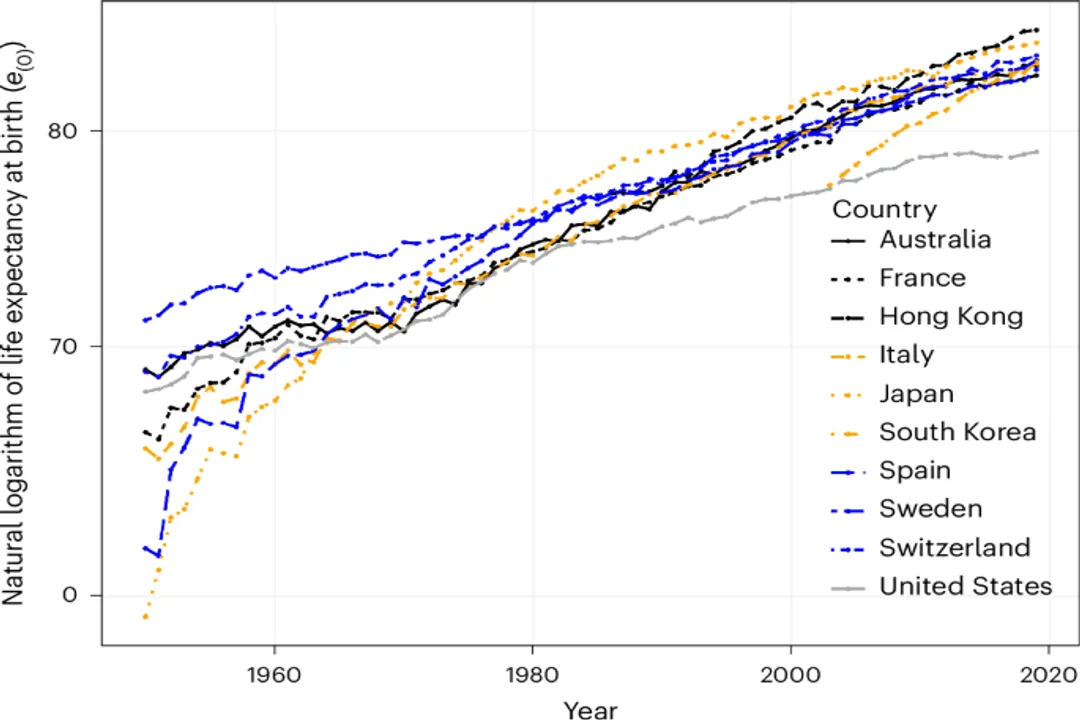
The evidence for a hard limit is often drawn from demographic data, showing a distinct difference between gains in life expectancy and the actual maximum lifespan achieved by humans. [5] Life expectancy—the average number of years a person born today can expect to live—has risen considerably due to sanitation, nutrition, and medicine. [5] However, the record for the longest human life has remained stubbornly fixed since the passing of Jeanne Calment in 1997 at 122 years. [3][7]
Studies analyzing mortality rates show that while we might delay the age at which death becomes likely, the rate of increase in mortality itself appears to slow down significantly after extreme old age, suggesting a ceiling. [2] Researchers analyzing mortality data have found that the maximum lifespan has plateaued, indicating that our species has likely hit an inherent biological speed limit for survival under current conditions. [7] One analysis suggested that, despite improvements in health, the probability of a 110-year-old dying within the next year remains extremely high, suggesting the risk factors associated with extreme age become overwhelming. [3]
# Hard Limit
When scientists look across the vast spectrum of species, they observe varying degrees of lifespan extension possible through intervention, but in humans, the hard ceiling seems stubbornly close. [2] Most estimates for the theoretical maximum age humans can attain settle in the range of 120 to 150 years. [3][7] This range reflects the point where the rate of accumulated, unfixable damage overwhelms the remaining repair capacity of the aging organism. [8]
It is helpful to see the current situation not as a failure, but as a benchmark of our biological constraints. Consider the progress we have made: in the early 20th century, a person surviving past 70 was rare; now, surviving past 90 is common in many developed nations. This shows we are dramatically slowing the rate at which we reach old age, effectively extending the healthspan phase of life. [5] However, if we were to plot the maximum verified age on a graph against time, the line representing the ceiling is noticeably flattening, unlike the steeply rising curve for average life expectancy. [7]
If we were to imagine an intervention that completely eliminated the risk of cancer and cardiovascular disease—two leading causes of death in developed nations—we would still be left facing failures related to neurological function, immune system collapse, and accumulated cellular junk, which define the final years beyond 100. [8] This suggests that the biological limitations are embedded at a deeper, more fundamental level than just the common chronic diseases of old age. [1]

# Healthspan Focus
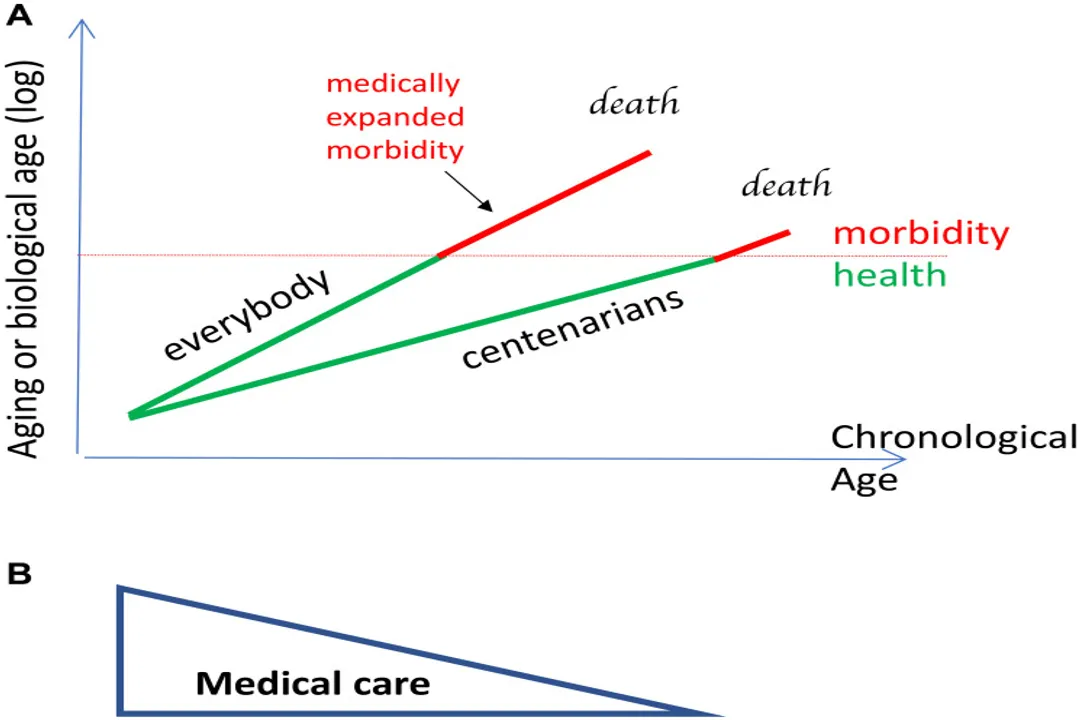
The current biological evidence points toward the conclusion that pushing the absolute maximum lifespan significantly beyond 120 years requires not just better medicine for existing diseases, but a fundamental rewiring of the ageing process itself, perhaps by fixing the core mechanisms like telomere attrition or genomic instability. [6] Given the complexity and the difficulty of achieving such broad systemic repairs, a more pragmatic, immediate goal is increasing healthspan—the number of years lived in good health, free from debilitating age-related disease. [1]
For an individual seeking to optimize their own remaining years, focusing on slowing the rate of internal damage is the most actionable strategy supported by current science. While you cannot easily stop telomeres from shortening or reverse all accumulated DNA errors, managing the inputs that accelerate damage is within reach. This means diligently managing factors known to exacerbate oxidative stress and inflammation, such as chronic poor diet, lack of quality sleep, and persistent stress. [1] For instance, optimizing nutrient sensing pathways—a hallmark of ageing—can be approached practically through intermittent fasting or caloric restriction studies in animal models, offering a model for how the body manages energy reserves to promote repair over immediate growth. [1]
The biological limits are real and are currently being hit, evidenced by the plateau in maximum verified age. [3][7] However, understanding why we stop at 122 gives us the map to potentially slow the journey toward that limit. The current frontier isn't about breaking the 150-year barrier tomorrow, but ensuring that the extra decades gained through public health advances are spent actively living, rather than surviving debilitating illness. [1][8] By concentrating on mitigating the rate of molecular decline, we are addressing the root causes of functional failure, which is the most effective way to "push" that biological ceiling, even if the absolute top number remains stubbornly in sight for now. [6]
Related Questions
#Citations
No limit to maximal lifespan in humans: how to beat a 122-year-old ...
Implausibility of radical life extension in humans in the twenty-first ...
How Old Can Humans Get? | Scientific American
ELI5: The maximum limits to human lifespan appears to be ... - Reddit
Life expectancy may be reaching upper limits—for now
Is there a theoretical upper limit to human life?
Human Lifespan Limits: Are We Approaching a Biological Ceiling?
How long can humans live? Are there any biological limitations to ...