What challenges limit fusion power?
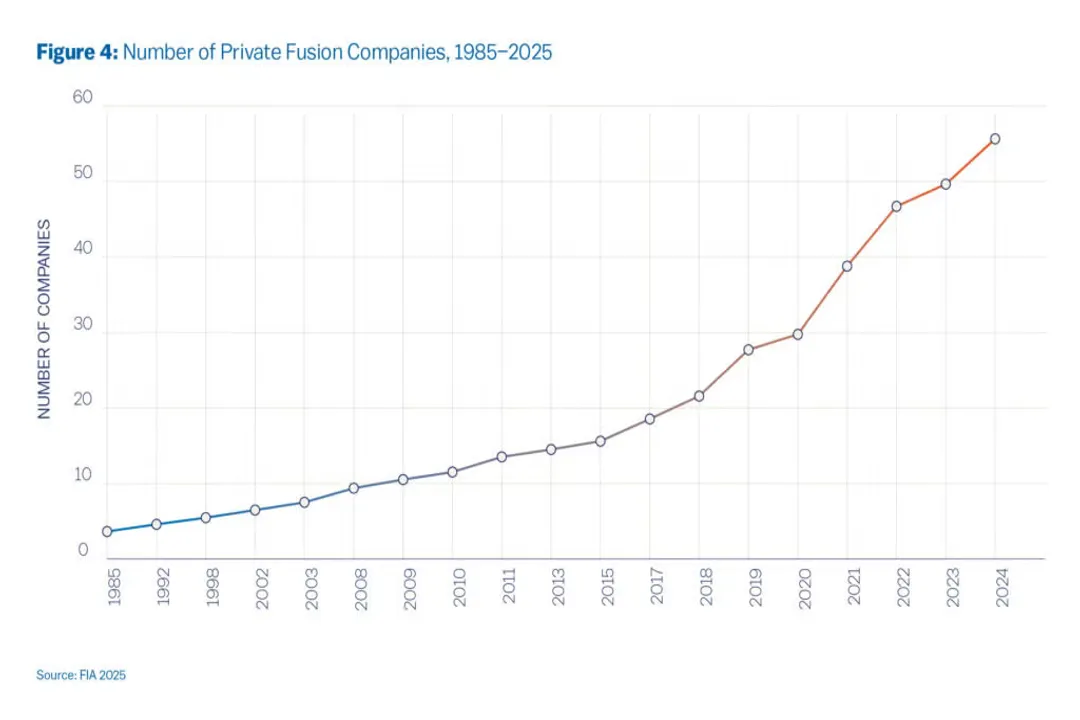
The promise of fusion power—clean, virtually limitless energy derived from processes mimicking the sun—has captivated scientists for decades. Yet, moving this incredible potential from the laboratory bench to a reliable power grid faces a gauntlet of interlocking physical and engineering hurdles. The difficulty isn't in proving the fundamental physics is possible; rather, it lies in forcing nature's most energetic reactions to behave predictably, efficiently, and durably within a human-made machine. [4][1]
# Plasma Confinement

At the heart of the challenge is controlling the fuel: a superheated, ionized gas called plasma. To force light atomic nuclei, typically deuterium and tritium (D-T), to fuse, the plasma must reach temperatures exceeding 100 million degrees Celsius. [4] This temperature is necessary to overcome the natural electrostatic repulsion between the positively charged nuclei. Once these temperatures are reached, the plasma must be held at sufficient density for a long enough time—the famous Lawson Criterion—to ensure that fusion reactions happen more frequently than the plasma cools down or leaks out. [4]
The primary method for achieving this involves magnetic confinement, most notably using devices called tokamaks. [1] These doughnut-shaped reactors use powerful magnetic fields to contain the scorching plasma, keeping it from touching the reactor walls, which would instantly cool it down and destroy the container. [1][4] Stellarators represent an alternative configuration that attempts to create the necessary magnetic twist inherently, rather than relying on electrical currents within the plasma itself. [1]
The complexity here is immense. The plasma is inherently unstable, behaving like a turbulent fluid under extreme conditions. [1] Even small imperfections in the magnetic field lines can cause energy to escape rapidly, leading to a loss of confinement known as a plasma disruption. [5] These disruptions transfer massive amounts of energy to the reactor walls in milliseconds, posing a severe threat to the integrity of the machine. [5][1] While scientists can achieve momentary fusion—producing bursts of energy—the engineering challenge is shifting from achieving ignition (where the reaction starts) to achieving sustained burning that yields a significant, continuous net energy gain necessary for a commercial power plant. [1][3] It is one thing to briefly generate more energy than was put into heating the plasma for a fraction of a second; it is quite another to maintain that state for years of continuous operation, which is the standard required for baseload electricity generation. [1]
# Material Durability
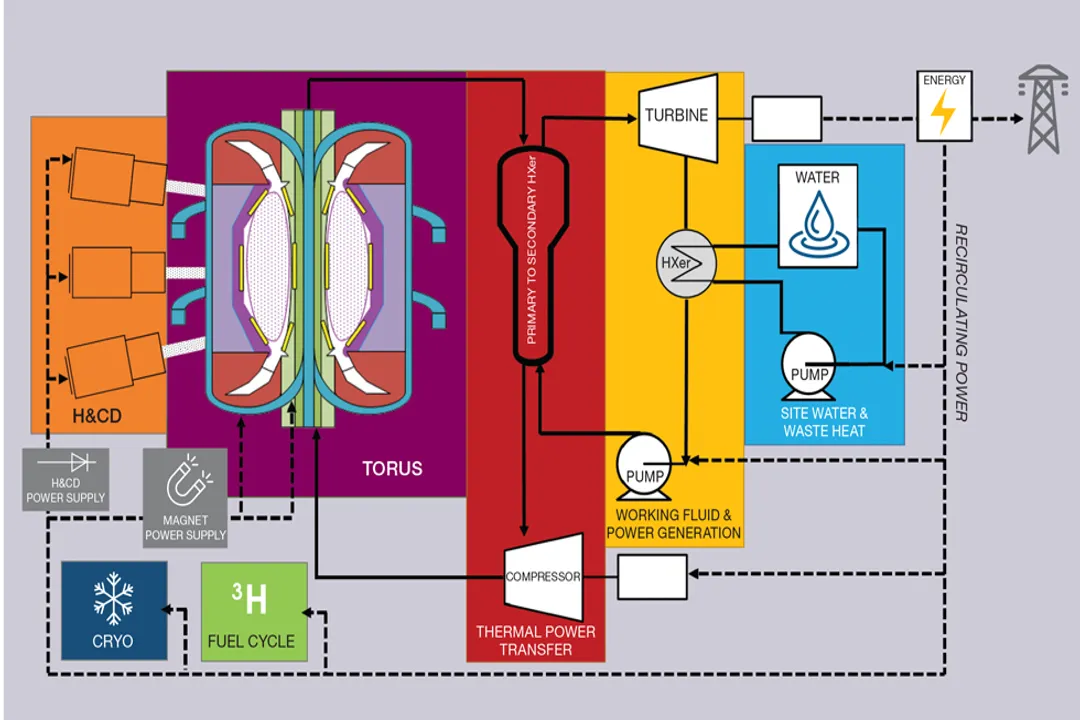
Assuming the plasma stability issue is tamed, the next fundamental barrier is materials science. The fusion process itself releases energetic neutrons. [4] In a D-T reaction, about 80% of the energy output is carried away by these neutrons because they are electrically neutral and thus slip straight through the confining magnetic fields. [1][5]
These high-energy neutrons slam directly into the inner structure of the reactor, often called the "first wall" and the surrounding blanket modules. [5] This bombardment causes two primary problems. First, the material structure degrades significantly due to atomic displacement, leading to embrittlement, swelling, and eventual failure over time—a process much faster and more severe than what fission reactors experience. [1][5] The materials must maintain their structural integrity under conditions of extreme heat flux and intense neutron fluence for plant lifetimes measured in decades. [5]
Second, the neutrons activate the materials, making them radioactive. [5] While fusion's radioactive byproducts are typically shorter-lived than those from nuclear fission, the sheer volume of activated components in a power plant requires developing new, radiation-resistant alloys, such as specialized steels or tungsten composites, that can survive this relentless assault. [2][5] The ability to monitor, maintain, and remotely replace these first-wall components inside a highly radioactive environment further complicates the engineering design and maintenance schedules. [5]

# Tritium Breeding

Fusion power relies on fusing deuterium (which is readily available in seawater) with tritium, a heavy isotope of hydrogen. [4] The challenge with tritium is twofold: it is naturally very rare, and it is radioactive with a half-life of just over 12 years. [5]
For a fusion power plant to be truly self-sufficient and sustainable, it cannot rely on externally sourced tritium; it must breed its own supply inside the reactor itself. [4] This is achieved by surrounding the plasma chamber with a breeding blanket containing lithium. [5] When the high-energy neutrons escaping the plasma strike the lithium, they create new tritium atoms through a reaction: neutron + lithium helium + tritium. [5][4]
This breeding mechanism adds a layer of significant chemical and thermal engineering complexity. The blanket must efficiently capture neutrons, undergo the chemical conversion to tritium, and then allow that tritium to be safely extracted and recirculated back to the plasma fueling system. [5] The efficiency of this "tritium breeding ratio" (TBR) must be greater than one to sustain the reaction, meaning it must produce more tritium than it consumes. [4] Developing a blanket that can manage the intense heat flow while performing this chemical cycling reliably under irradiation represents a major engineering hurdle that must be solved alongside plasma physics. [5]
# Grid Integration
Even if a research facility achieves a significant net energy output in a single pulse—a scientific success—translating that into reliable, grid-scale electricity involves a different set of obstacles. [3] Commercial viability requires moving from demonstrating physics to engineering electricity production. [6]
A successful power plant must manage the enormous heat generated in the blanket and transfer it effectively to a conventional steam turbine system to generate electricity. [3] This requires robust heat exchange systems that can operate continuously with minimal downtime for maintenance. [3] Furthermore, the entire system must be designed for economic competitiveness. The capital costs associated with building fusion reactors, with their complex superconducting magnets and vacuum vessels, are currently enormous. [6] Achieving a low levelized cost of energy (LCOE) depends not just on high performance, but on achieving high availability—the percentage of time the plant is running and producing power. [3] A system that achieves Q=10 (ten times more energy out than in) but only runs 10% of the time is not a viable commercial asset.
A subtle but increasingly relevant limitation arises from the regulatory landscape. Current regulatory bodies and laws were developed primarily with fission reactors or fossil fuel plants in mind. [6] Fusion reactors have a fundamentally different safety profile—there is no risk of a runaway chain reaction meltdown because the reaction stops instantly if the plasma conditions fail. [4] However, the path to licensing and public acceptance for these novel technologies is still being defined, creating an administrative timeline that runs parallel to, and sometimes conflicts with, the technical development timeline. [6] Overcoming this involves establishing clear, risk-informed regulatory pathways that recognize the unique safety characteristics of fusion. [3]

# Economic Pathway Hurdles
The sheer scale and complexity of the required infrastructure also impose economic limitations. Large, government-backed projects like ITER (the international experimental reactor) require massive initial investment and decades for construction and testing. [6] While this scale is necessary to test the physics under power-plant relevant conditions, the cost structure favors smaller, potentially faster, private sector approaches as well. [6]
The competition between large-scale, public/international projects and smaller, often private ventures (which might use different confinement methods or aim for earlier deployment, sometimes accepting a lower Q factor initially) highlights a tension in the development path. [6] The challenge here is capital formation and risk tolerance. Proving the concept sufficiently to attract the multi-billion dollar investments needed for a prototype commercial plant remains difficult when the technical milestones are still years away. [6]
For instance, the success of a plasma team solving a key instability issue—a major scientific breakthrough—does not automatically de-risk the investment for a utility company needing a 30-year guaranteed power source. The path requires demonstrating not just scientific success, but engineering reliability across every system simultaneously: magnets, vacuum, heat extraction, tritium handling, and remote maintenance. [5] The accumulation of these necessary engineering solutions, rather than any single scientific roadblock, often dictates the timeline for fusion power's arrival on the grid. [3] Ultimately, moving fusion from a scientific endeavor to an industrial energy source requires bridging the gap between a highly controlled physics experiment and a resilient industrial machine capable of operating under commercial economic constraints. [6]
Related Questions
#Citations
The challenge of fusion power | Knowable Magazine
r/fusion on Reddit: What are the main challenges to solve before we ...
Bringing Fusion Energy to the Grid: Challenges and Pathways
What is Fusion, and Why Is It So Difficult to Achieve? | IAEA
The Challenges of Developing a Fusion Power Plant
Fusion Energy: Potentially Transformative Technology Still Faces ...
What are the main challenges in the pursuit of fusion energy ... - Quora
Engineering Limitations of Fusion Power Plants | Science
University of Texas-led Team Solves a Big Problem for Fusion Energy