Can geomagnetic storms affect human behavior?

The idea that invisible forces originating millions of miles away in the Sun might influence our daily moods, sleep patterns, or even physical health sparks intense debate. While the immediate, visible effects of a massive solar event—like the spectacular aurora borealis or disruptions to satellite communication—are easily observed, the subtle ways a geomagnetic storm could affect the human body and mind remain a complex area of study, often oscillating between scientific caution and widespread anecdotal reporting. [4][6]
# Storm Basics
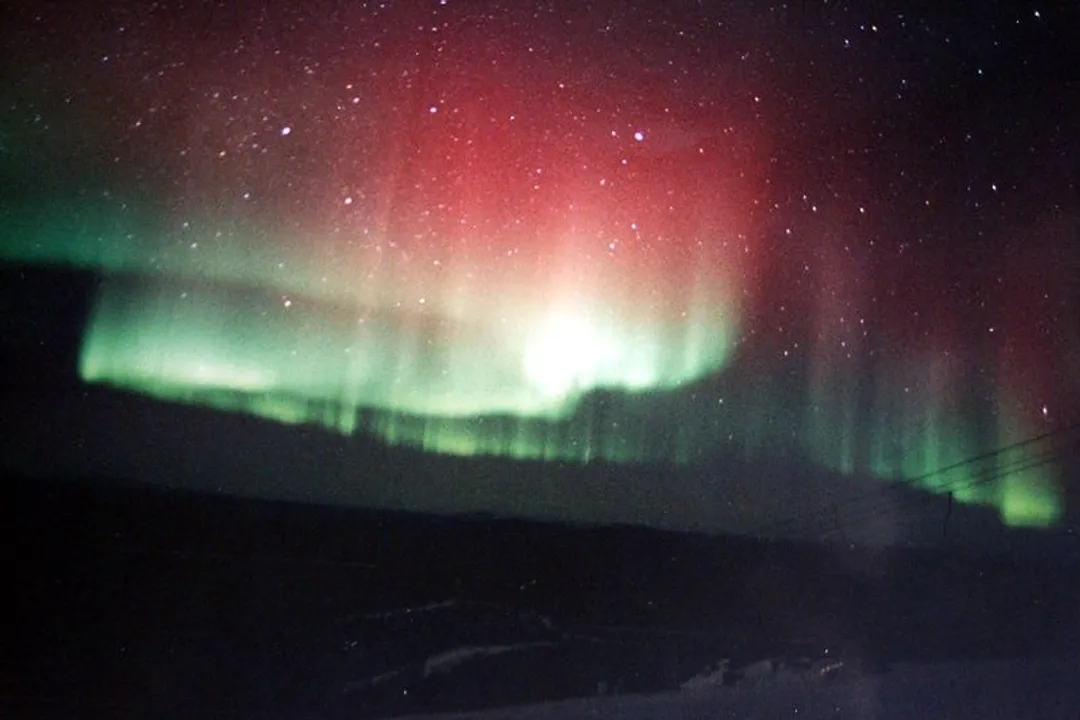
To understand the potential impact, one must first grasp what a geomagnetic storm is. These events are disturbances in the Earth's magnetosphere caused by solar activity, such as coronal mass ejections (CMEs) or high-speed streams of solar wind hitting our planet’s magnetic shield. [4] When the Earth's magnetic field is compressed or buffeted by this influx of charged particles, it creates geomagnetic storms. [4] These storms are typically categorized by intensity, from minor to severe, which dictates the magnitude of the magnetic field disturbance. [8]
The physical mechanisms connecting the Sun to Earth are primarily electromagnetic. When the Sun releases these massive bursts of energy, they travel through space. While our atmosphere and magnetic field generally protect us, fluctuations in the Earth's magnetic field occur at the surface level. [6] These fluctuations can be measured, and they occur on scales that some researchers suggest might be relevant to biological systems, especially given how closely our own biological processes are governed by electrical signals and magnetic fields. [7]
# Health Reports

Anecdotal evidence, often shared in public forums or specialized groups, frequently correlates periods of intense space weather with subjective changes in well-being. [3][5] People report feeling unusually fatigued, experiencing heightened irritability, difficulty concentrating, or even suffering from headaches and spikes in blood pressure during or immediately following strong geomagnetic activity. [2][3][6] Some individuals specifically note changes in sleep quality or an increase in anxiety levels when solar activity is high. [2]
One area that draws significant attention is the potential link between solar flares, geomagnetic disturbances, and acute health events. Reports have suggested a possible connection between solar flares and an increased risk of cardiovascular incidents, such as strokes, though this remains a topic requiring rigorous confirmation. [9] Similarly, some research has examined correlations between intense space weather and reports of psychiatric symptoms, hypothesizing that geomagnetic changes could influence neurological function or the delicate balance of the central nervous system. [1][7] It is important to note that these observed correlations do not automatically prove causation; the connection is still being actively investigated. [7]
It's fascinating to see how specific demographics perceive these effects. For instance, individuals with pre-existing conditions or those working in jobs where alertness is critical—like pilots or control room operators—often keep detailed personal logs, seeking patterns that align with space weather calendars. [5] This active tracking speaks to a perceived real-world impact, even if the underlying science is still finding consensus.
If we consider the known electromagnetic sensitivity of electronic devices, it prompts a natural, if speculative, line of inquiry: If complex machinery can be affected by minute magnetic field shifts, how much more sensitive might the complex, electrochemical machinery of the human body be? This line of reasoning is often cited by those who advocate for deeper study into the magnetosensitivity of humans. [6]

# Research Divide
The scientific community approaches claims of direct behavioral or health impacts with necessary scrutiny, emphasizing the need for controlled studies. [7] While the Earth’s magnetosphere offers substantial protection, the possibility that slight changes in the natural background electromagnetic environment could influence biological processes—particularly those relying on ion transport or electrical signaling, like neuronal activity—is not dismissed outright by all researchers. [7]
One hypothesis centers on the circadian rhythm. Our internal body clock, which regulates sleep, hormone release, and mood, is naturally tuned by external cues, most prominently light cycles. If geomagnetic storms introduce subtle, non-visual electromagnetic noise or field variations, could they slightly desynchronize these delicate internal timings? Research has explored this pathway, though definitive proof linking storm severity directly to widespread, measurable shifts in mood disorders or behavior remains elusive in large-scale epidemiological studies. [1]
The challenge in establishing a clear cause-and-effect lies in isolating the variables. Human behavior and health are influenced by countless factors: stress, diet, weather changes (temperature, pressure), seasonal variations, and pollution. Pinpointing the specific contribution of a momentary shift in the geomagnetic field, which is typically very small at the surface compared to the natural background field, is incredibly difficult. [1][8] This difficulty explains why many mainstream medical texts do not list geomagnetic storms as a confirmed environmental trigger for common ailments.
When analyzing the reported effects, one must distinguish between subjective reports of feeling "off" and clinically verifiable changes. For example, while someone might feel more irritable during a storm, proving that the storm caused the irritability, rather than being a correlation with an unrelated stressor, requires longitudinal, blinded testing that is difficult and expensive to conduct for rare, high-intensity events. [7]
# Tracking Influence
Despite the scientific hurdles, the practice of tracking space weather alongside personal diaries persists, particularly in communities interested in alternative health markers or the intersection of physics and biology. [3][5] Many individuals turn to apps or websites that forecast solar activity, treating them as biological alerts.
For example, a community focused on health monitoring might create a simple internal correlation guide:
| Storm Level (Kp-index estimate) | Expected Subjective Impact | Potential Actionable Step |
|---|---|---|
| Kp 1–3 (Quiet to Unsettled) | Minimal/None | Maintain routine |
| Kp 4–5 (Active/Minor Storm) | Slight fatigue, mild sleep disturbance | Focus on hydration, minimize screen time before bed |
| Kp 6+ (Moderate/Major Storm) | Headaches, mood shifts, anxiety peaks | Practice deep breathing exercises, schedule low-stress activities |
This kind of localized data collection—comparing a personal log of headaches against the established international geomagnetic activity index (Kp-index)—is a form of citizen science, even if the findings are not peer-reviewed. It creates actionable context for the individual, even if the mechanism is unproven scientifically. [5]
It is worth noting the difference in scale. While a severe storm can cause ground currents that impact power grids, the corresponding magnetic field fluctuations measured inside a shielded building are orders of magnitude weaker than what might be required to disrupt cell function in a stable environment. [8] The protective quality of the atmosphere and even standard building materials is significant.

# Biological Vulnerability
If geomagnetic storms do affect behavior or health, the impact is unlikely to be uniform across the population. Biological systems are complex, and sensitivity likely varies based on individual physiology. Factors that might increase vulnerability include:
- Vascular Health: Conditions affecting blood flow or vessel elasticity might make the cardiovascular system more susceptible to minor fluctuations that influence systemic pressure. [9]
- Nervous System Sensitivity: Individuals with known neurological sensitivities, such as migraines, might perceive subtle environmental shifts more readily than the general public.
- Melatonin Production: Since melatonin production is sensitive to light and electromagnetic signals, any interference with this process could cascade into sleep and mood disturbances. [2]
Consider the concept of electromagnetic pollution generally. While geomagnetic storms are a natural phenomenon, they represent an external, global magnetic perturbation. If certain individuals react negatively to chronic, localized electromagnetic noise from power lines or Wi-Fi, it stands to reason they might be more attuned to these massive, transient natural shifts in the field. [7] This points toward an underlying, perhaps genetic, predisposition toward sensing subtle shifts in environmental energy fields.
Furthermore, the stress of anticipation itself could contribute to reported symptoms. If someone knows a major storm is coming and believes it will make them ill, the psychological expectation can manifest as real physical discomfort—a well-documented phenomenon in psychology. [2] Separating this nocebo effect from a direct physical cause is the central difficulty in this field of study.
# Technological Context
The study of space weather is crucial for infrastructure protection, which indirectly supports public health by ensuring stability in communication, power, and navigation systems. [4][8] A catastrophic failure in the power grid due to an extreme storm, for instance, would have far more immediate and severe public health consequences than any subtle neurological effect from the magnetic fluctuations themselves. This practical, engineering focus often overshadows the biological research in terms of immediate funding and priority.
When major solar events are predicted, space weather agencies focus intensely on calculating the impact on satellites, power transformers, and radio communication. [4] This predictive capacity allows grid operators to take preventative measures, like temporarily reducing load on long transmission lines, thereby mitigating the primary physical risk associated with severe space weather. The ability to predict, however, does not yet translate into the ability to definitively predict individual human responses.
To advance the field, we need more sophisticated, long-term monitoring of human physiological data—perhaps wearable tech continuously recording heart rate variability, sleep stages, and EEG patterns—correlating these precise biometrics against high-resolution local measurements of geomagnetic field strength, independent of anecdotal reports. This combination of hard data and subjective experience, meticulously gathered over years, might finally draw a clearer line between solar activity and human behavior, moving the conversation beyond correlation to a verifiable, causal understanding. [1]
Related Questions
#Citations
Effects of geomagnetic activity variations on the physiological and ...
How Solar Eruptions Can Impact Mental Health - The JEM Foundation
Is the Solar Storm affecting us physically? : r/transhumanism - Reddit
Space Weather - NASA
Feeling weird today? Could geomagnetic storms be the cause?
Am I a fool for believing in magnetic storms?Spoiler: not quite
[PDF] Geomagnetic Storms and their Influence on the Human Brain ...
[PDF] GEOMAGNETIC DISTURBANCES and PSYCHOPHYSIOLOGICAL ...
Solar Flares: Can Geomagnetic Storms Affect Your Health?