How does habitat fragmentation affect species?

The transformation of continuous natural space into a collection of isolated remnants—that is the essence of habitat fragmentation. It is not simply about the area that disappears, which is habitat loss; fragmentation specifically refers to the process where a formerly large expanse is broken into smaller patches separated by a matrix of land use unlike the original, such as farms, highways, or cities. While natural events like floods or earthquakes can cause divisions, the accelerating rate is overwhelmingly driven by human development, infrastructure construction, resource extraction, and agricultural expansion. A staggering global finding reveals the pervasive nature of this issue: more than 70% of the world’s remaining forest is now located within 1 kilometer of a forest edge, meaning most remaining habitat is already highly exposed to the negative influences of the surrounding modified landscape.
# Size Quality
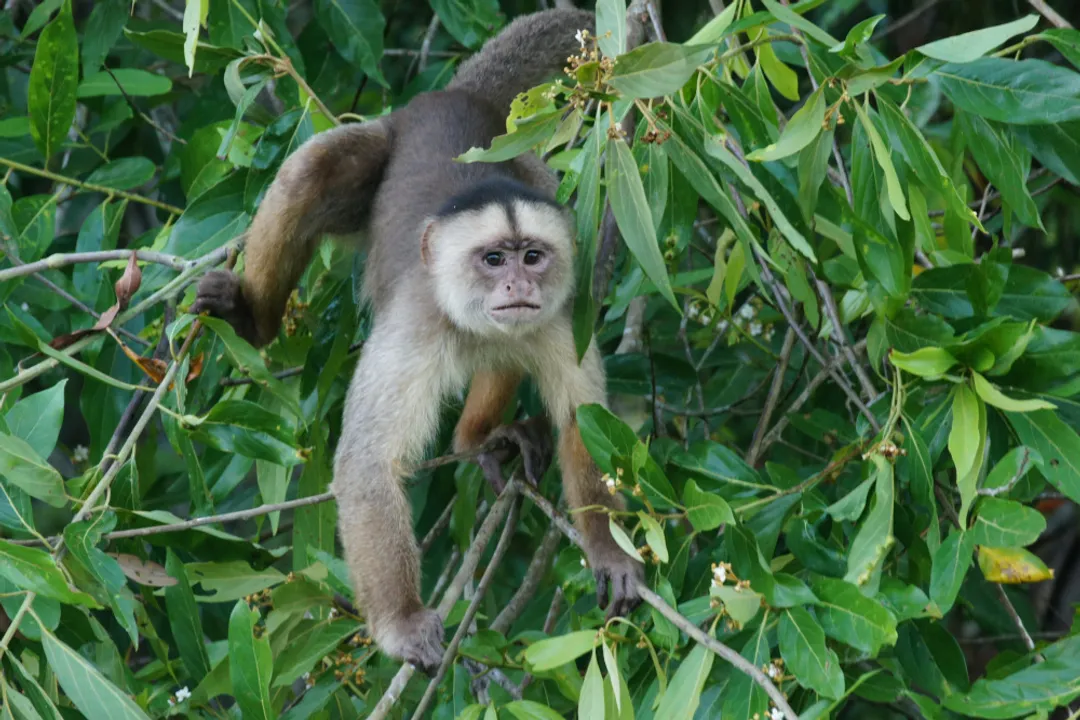
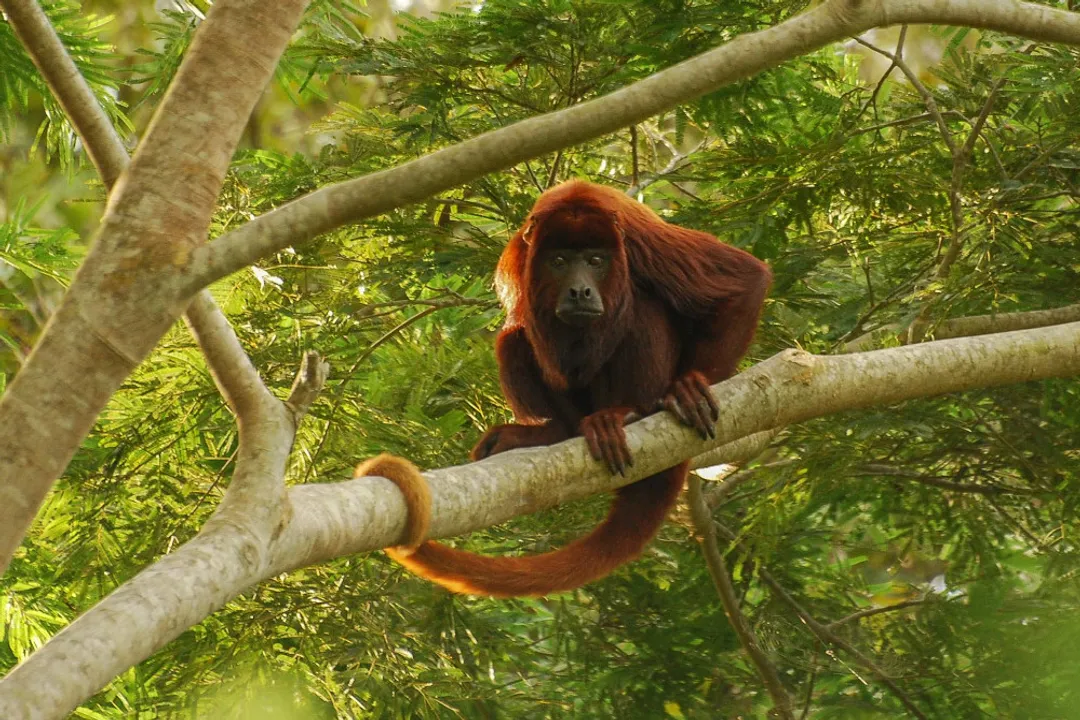
The consequences for wildlife are immediate and multifaceted, but they are not felt equally across the board. Species differ vastly in their tolerance for change, creating distinct winners and losers in a fragmented world. Researchers observing three monkey species in Colombia’s Magdalena Valley, where vast cattle ranches carved up the forest, provided a stark illustration of this differential impact.
The White-Fronted Capuchin, being an adaptable omnivore that forages on the ground and in trees and is capable of long-distance travel, fared the best. Conversely, the Critically Endangered Brown Spider Monkey, which is highly arboreal and dependent on a specific diet of only ripe fruits found high in the canopy, suffered the most, appearing only in the largest, highest-quality fragments. The Venezuelan Red Howler, an energy-conserving leaf-eater, survived better than the spider monkey but showed a clear preference for fragments containing larger, older trees, as they are not adapted to descend to the ground to move between patches.
This comparison highlights a critical nuance in conservation strategy: for specialist species, the quality of the remaining patch—such as the density of the tree canopy or the availability of specific food items—may outweigh the fragment's size or its isolation from neighbors. However, size still matters; the smallest fragment in that study, just 0.7 hectares (1.7 acres), was entirely devoid of any primate life, suggesting an absolute lower threshold for viability.
To summarize how survival capability relates to the degree of specialization:
| Species Type | Key Traits | Fragmentation Success | Key Constraint |
|---|---|---|---|
| Generalist (e.g., Capuchin) | Omnivorous, ground/tree access, adaptable | Highest | Adaptation potential is finite. |
| Slow Specialist (e.g., Red Howler) | Arboreal, slow-moving, leaf-eater | Moderate | Restricted to areas with large, stable trees; avoids ground travel. |
| Strict Specialist (e.g., Spider Monkey) | Highly arboreal, fruit-dependent diet | Lowest | Diet restricted to specific food resources; requires high canopy quality. |
For wide-ranging animals like grizzly bears or mountain lions, even the largest fragments may be insufficient, necessitating the preservation of vast, contiguous territories.
# Perimeter Stress
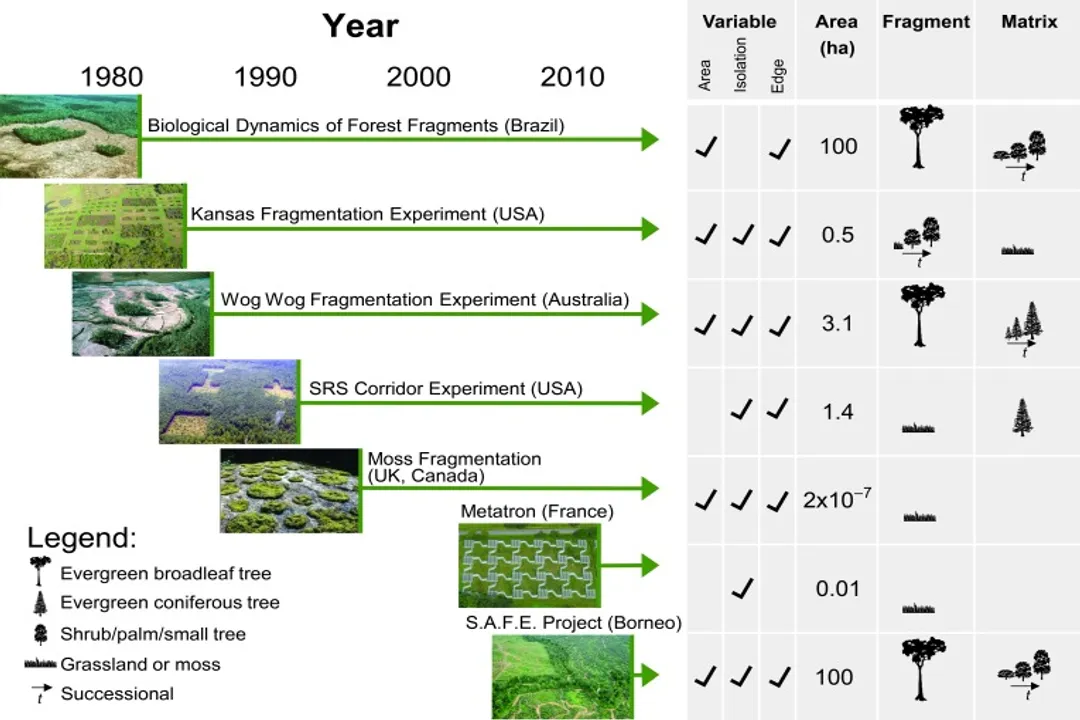
One of the most pronounced ecological changes resulting from fragmentation is the creation of the edge effect. As habitat patches shrink, the proportion of their area that constitutes an “edge” increases dramatically. The physical and biological conditions at an edge—where the interior habitat meets the matrix of human-altered land—are fundamentally different from the deep interior.
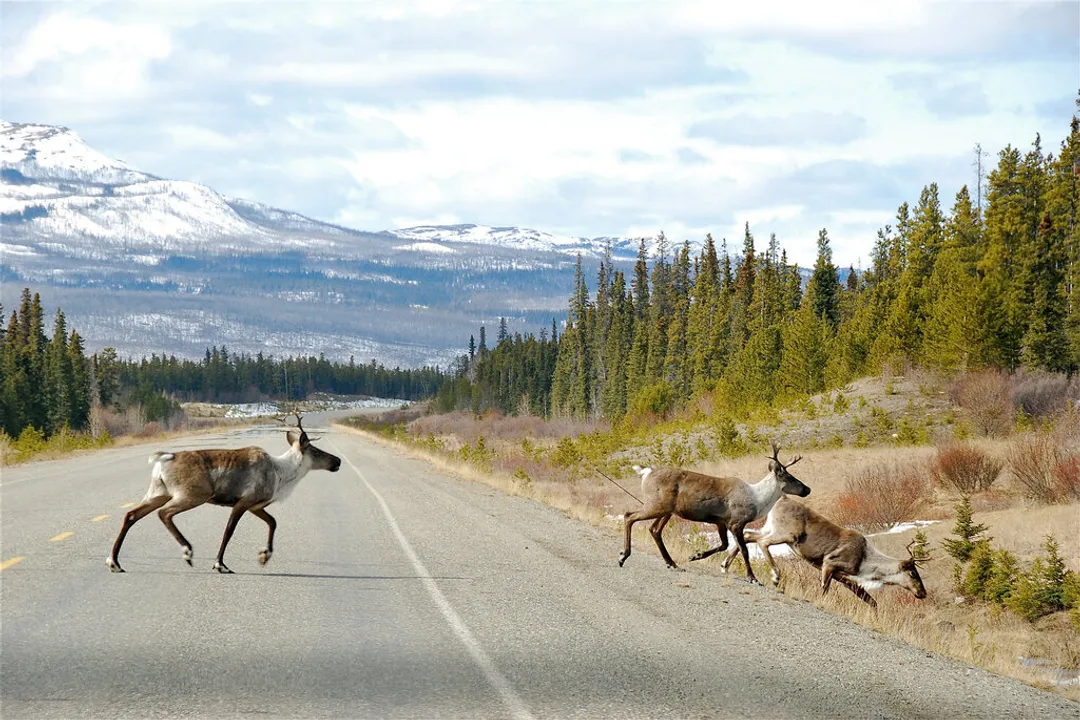
Edges are exposed to more sunlight and harsher, drier conditions, leading to plant life dominated by species tolerant of those factors, which alters the food supply for specialized herbivores. Furthermore, edges serve as invasion routes for outside threats. These include noise, pollution, invasive species, domestic pets, human hunters, and novel predators. For instance, the mountain caribou in North America has seen increased predation by wolves, a phenomenon facilitated by the open space created by fragmentation. Even for species whose habitat is not directly destroyed, this increased boundary exposure can drive up mortality rates and stress, which has been linked to lower reproductive success in some birds, causing them to spend more time perching and provision their nests less frequently.
# Genetic Erosion
Beyond immediate threats, isolation inflicts a slower, chronic harm through its impact on genetics. When populations become restricted to small, disconnected fragments, they are cut off from neighboring groups, severely limiting opportunities for new individuals to enter the gene pool. This isolation accelerates two primary negative genetic processes: genetic drift and inbreeding.
Genetic drift, the random fluctuation of gene variant frequencies, operates much faster in small populations. If a specific gene variant becomes disproportionately common by chance, the population quickly becomes genetically uniform, even if that variant is not adaptive. Reduced mate choice inherently lowers the population’s adaptive potential to future environmental changes. This lack of diversity ultimately increases the risk of inbreeding depression, which can doom a population within a few generations, as seen in studies concerning endangered fish species. Over time, this loss of genetic robustness compromises the long-term health and survival of species trapped within these small islands of habitat.
# Generational Fallout
The negative influence of fragmentation extends to the next generation, particularly for plant life. A global review of plant studies confirms that habitat fragmentation doesn't just reduce the quantity of offspring produced; it diminishes their quality as well. Progeny sired in fragmented conditions generally show reduced genetic diversity, lower vigor, and increased levels of inbreeding compared to those in continuous habitat.
However, this effect shows variation based on plant mating strategy and pollination method. The negative impacts on vigor and diversity appear strongest for species that primarily rely on outcrossing. Interestingly, plants that are primarily pollinated by vertebrates, such as birds or bats, often show no significant negative effect on their genetic variables or progeny quality. This suggests that the high mobility of a key mutualist—the pollinator—can sometimes bridge the landscape gap created by fragmentation, essentially negating the isolation effect for that generation.
For those managing property, whether a small holding or a backyard, mitigating these inter-generational genetic impacts is an actionable goal. Improving local connectivity helps:
- Plant Native Resources: Increase the local supply of native trees, wildflowers, and grasses to support both the plants themselves and their dependent pollinators.
- Establish Natural Boundaries: Utilize hedgerows and dense plantings to create natural-feeling boundaries that animals and, importantly, wind-dispersed seeds can navigate, rather than hard barriers like fences.
- Offer Support: Provide temporary water sources, which can be vital for species struggling to find reliable water in altered microclimates near fragment edges.

# Ecosystem Debt
Perhaps the most insidious consequence of fragmentation is the delayed impact it has on the entire ecosystem structure and function. Ecological studies spanning decades have revealed that the negative effects are often progressive, meaning they become worse over time, leading to concepts like "extinction debt" and "ecosystem function debt".
The extinction debt is the delayed loss of species that are present at the time of fragmentation but are destined to disappear later because the fragment is too small or too isolated to support their long-term survival and successful reproduction. Across various experiments, a species richness decline of over 50% can occur within ten years of fragmentation, and this loss continues to accumulate.
Similarly, ecosystem function debt describes the delayed failure of essential processes. This includes reduced productivity, altered decomposition rates, and impaired nutrient cycling. In some forest fragments, the loss of crucial functions amounted to 80% after a decade when compared to intact habitats. This functional collapse can stem from the loss of keystone species (e.g., the loss of a major predator leading to overpopulation of its prey) or shifts in physical conditions, such as the replacement of large, old trees with smaller, pioneer species. The overall conclusion from long-term experiments is that fragmentation consistently degrades ecosystems in ways that take many years, sometimes decades, to fully manifest.
# Path Forward
The evidence from global analysis and decades of controlled experiments clearly shows that fragmentation imposes severe, long-term burdens on biodiversity and ecosystem services. While the drivers are tied to human expansion—with urban areas predicted to triple in size by 2030—the trajectory is not irreversible.
Conservation efforts must now prioritize connectivity, essentially working to undo the process of fragmentation. This involves several practical considerations, especially in urbanizing landscapes where nature is being squeezed into small green patches. Where creating massive, unbroken tracts is impossible, efforts focus on improving the permeability of the matrix between fragments.
Strategies for improving permeability and connection include:
- Protecting Existing Patches: The highest priority is safeguarding current, high-quality wildlife greenspaces.
- Restoration and Management: Degraded sites must be managed, and destroyed sites (like wetlands) should be restored to re-establish ecological value.
- Corridors and Crossings: Active measures include reforesting farmland to create migration corridors, as seen in initiatives supporting elephants in Africa or the Florida panther. Removing physical barriers, such as obsolete dams or fences, also restores flow. For species like the great crested newt, modeling can identify key routes and the greatest barriers (like specific roads) to focus connection efforts.
In the face of continuing land-use change, the survival capacity of remaining habitats hinges on the total amount, the quality of what is left, and the degree to which these fragments are linked, allowing species to move in response to shifting food supplies or climate conditions. Repairing the damage one acre, one hedgerow, or one wildlife crossing at a time is essential to counter the silent, cumulative ecological debts accumulating across the planet.
Related Questions
#Citations
How habitat fragmentation affects animals - IFAW
How Does Habitat Fragmentation Affect Biodiversity? - Earth.Org
Habitat fragmentation and its lasting impact on Earth's ecosystems
Habitat fragmentation and its consequences for plant progeny
How Does Habitat Fragmentation Harm Wildlife? - The Revelator
Habitat fragmentation - Practical considerations - Forest Research