What role do keystone species play?
The idea that every species holds equal weight in the intricate machinery of life is comforting, but ecology tells a more surprising story. Some organisms punch far above their weight class, acting as crucial linchpins that dictate the structure and function of entire biological communities. These are the keystone species, creatures, plants, or even microorganisms whose influence on their environment is vastly larger than their mere abundance would suggest. The term itself is an architectural metaphor, referencing the wedge-shaped stone placed at the apex of an arch; while it is the final piece set, removing it causes the entire structure to lose its integrity and collapse. In an ecosystem, the removal of a keystone species leads to a dramatic shift in character, or sometimes, total disappearance.
The concept was formally described by zoologist Robert T. Paine in 1969, based on his experiments in the intertidal zones of the Pacific Northwest. Paine observed that when he removed the ochre starfish (Pisaster ochraceus), the ecosystem quickly devolved. The starfish's favorite food, the California mussel, which is a dominant space competitor, exploded in number, smothering and crowding out seaweeds, sponges, and anemones. What started as an area supporting fifteen rock-clinging species dwindled to just eight within three years, dominated almost entirely by mussels. This observation established that the critical factor is not sheer biomass—a keystone species is not always the most abundant—but rather its ecological role.
# Apex Predators
Predators are perhaps the most celebrated examples of keystone species, often fitting the profile of an apex predator who regulates prey populations through direct consumption. This process prevents a single herbivore or competitor from dominating the landscape and overconsuming essential resources, a situation ecologists term a "top-down trophic cascade".
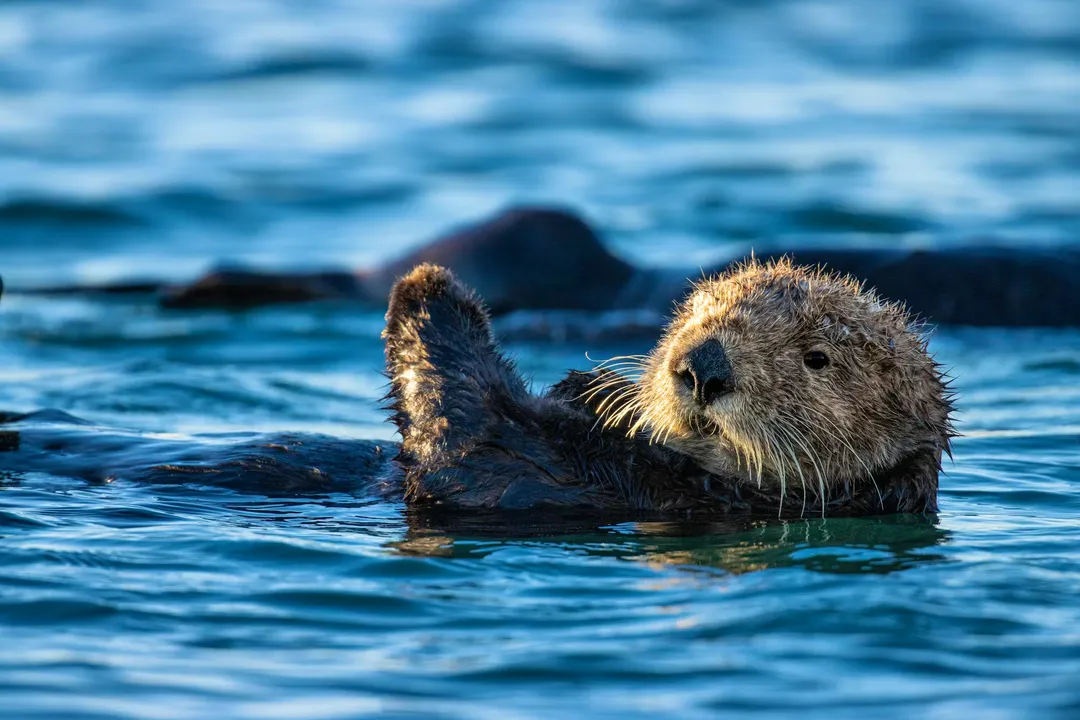
The grey wolf in the Greater Yellowstone Ecosystem serves as a textbook modern example. Before their systematic removal in the early twentieth century, wolves kept populations of elk and deer in check. Once the wolves vanished, the elk numbers surged. These elk then overgrazed the woody browse species, particularly the willows and conifers growing along riverbanks. This lack of riparian vegetation had a secondary effect: without the root systems to stabilize the banks and the trees to shade the water, the rivers experienced increased erosion and higher water temperatures, negatively impacting fish and invertebrate life. The reintroduction of wolves in the 1990s demonstrated the reverse effect. As wolf presence re-established "ecology of fear," elk avoided vulnerable riparian areas to evade predation, allowing willows to recover. This, in turn, supported the return of beavers, whose dams restored crucial wetland habitat, benefiting aquatic species like trout.
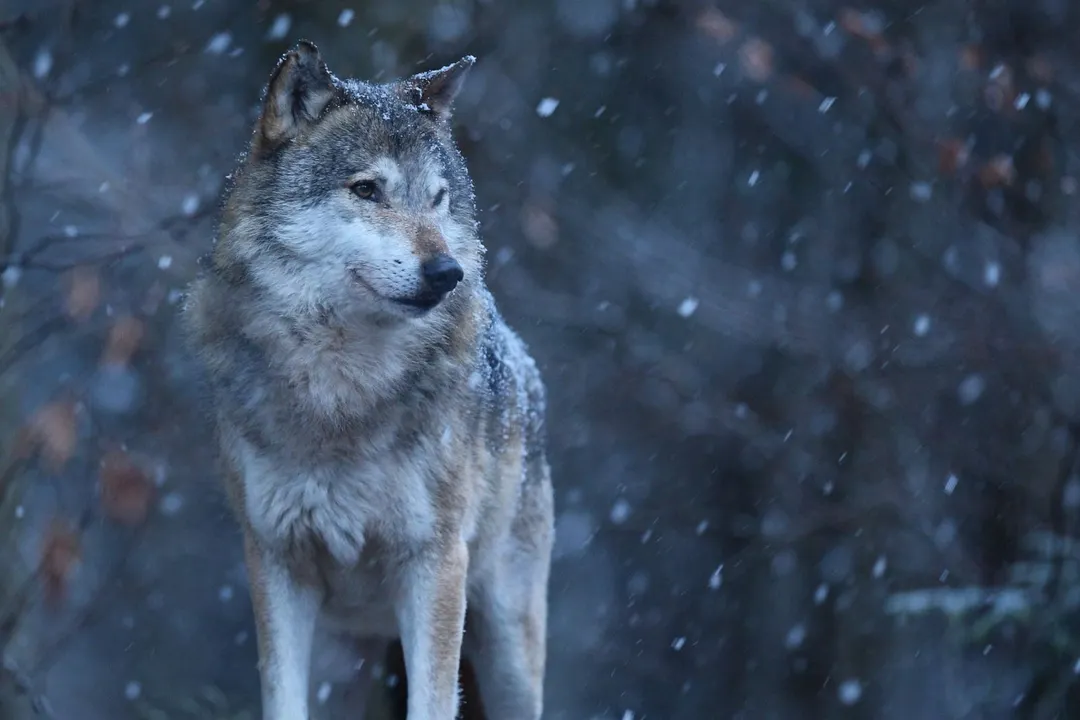
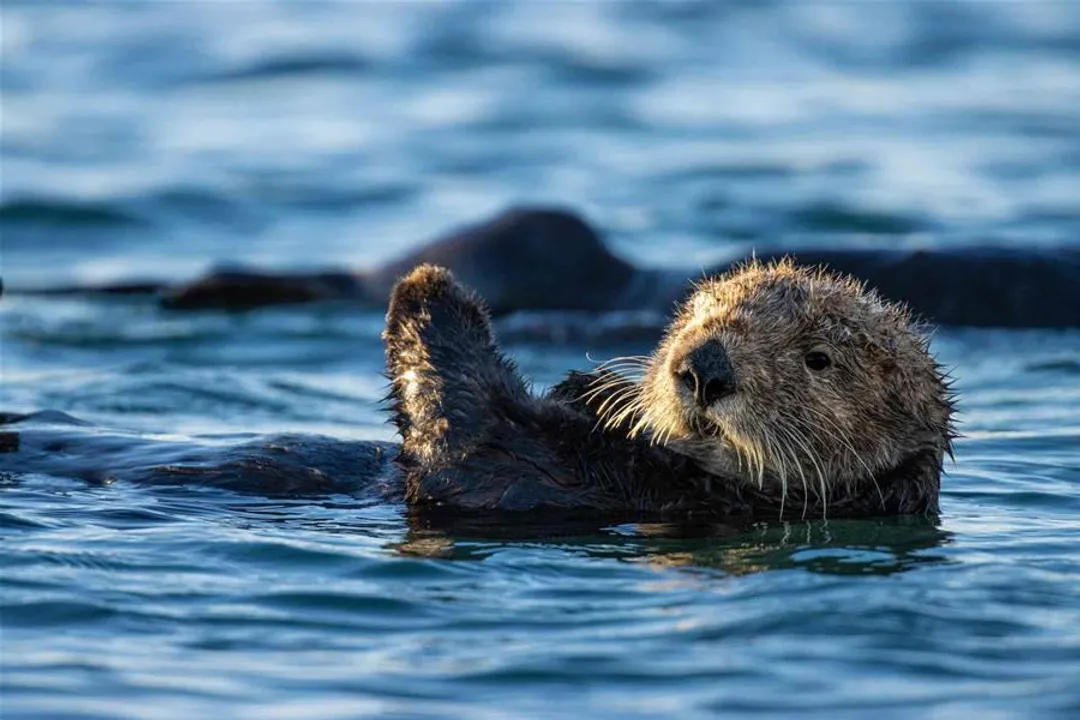
A classic marine parallel involves the sea otter. Hunting them nearly to extinction for their fur removed the primary check on sea urchin populations along the North American west coast. Sea urchins, unchecked, then rapidly multiplied and devoured the kelp forests, which are vital nurseries and habitats for countless other species. When otter populations recovered, the urchins were controlled, and the kelp forests bounced back, restoring habitat complexity. It is important to note that even these apex keystones are themselves prey; sea otters are hunted by orcas, linking predator dynamics across different oceanic zones.
# Habitat Architects
Beyond predation, some species maintain or fundamentally reshape the physical environment, earning them the label of ecosystem engineers. Their activities create the very conditions necessary for many other species to thrive.
Beavers are the quintessential engineers in many temperate freshwater systems. By felling trees and constructing dams, they convert fast-flowing streams into ponds and wetlands. These altered environments not only provide unique habitats for amphibians, songbirds, and fish but also provide critical ecosystem services by moderating environmental extremes, such as reducing flood impacts downstream or retaining water during droughts. If beavers are removed, the dams degrade, rivers speed up, and the associated wetland biodiversity is lost.
In drier, vast landscapes, large herbivores often play this structural role. Elephants in the African savanna, for instance, act as natural landscape managers. Their heavy grazing and trampling break up dense grasslands and forests, creating space and promoting the growth of grasses that support other grazers like zebras and antelopes. Furthermore, elephants travel great distances, depositing seeds in their dung, which helps maintain the genetic diversity of tree species across the landscape, sometimes dispersing seeds up to 65 kilometers.
In North America’s grasslands, the prairie dog functions as an engineer on a smaller scale. Their extensive burrow systems aerate the soil, helping rainwater infiltrate rather than run off, and they actively trim surrounding vegetation, which keeps woody shrubs from displacing the essential grasses of the prairie. Their abandoned or active burrows provide essential shelter for species like the burrowing owl. The removal of prairie dogs can initiate a subtle but profound shift, turning grassland into woody shrub ecosystems.
# Vital Links
A keystone species does not have to be a large predator or a landscape architect; sometimes, its role as a critical food source or a mutualistic partner makes it irreplaceable.
The Pacific salmon is a compelling example of a keystone prey species whose influence stretches far beyond the water's edge. Salmon are vital food for everything from grizzly bears, who rely on the seasonal feast to build up fat reserves for hibernation, to coastal orcas, whose diet can consist of eighty percent salmon. However, their most far-reaching impact might be ecological subsidy: when salmon die after spawning, their nutrient-rich carcasses decompose along the riparian zone. Studies suggest that up to 80% of the nitrogen in some coastal forests is derived from these ocean-sourced salmon remains, directly fueling the growth of local flora that supports all other terrestrial life, including grazers like elk and pika.
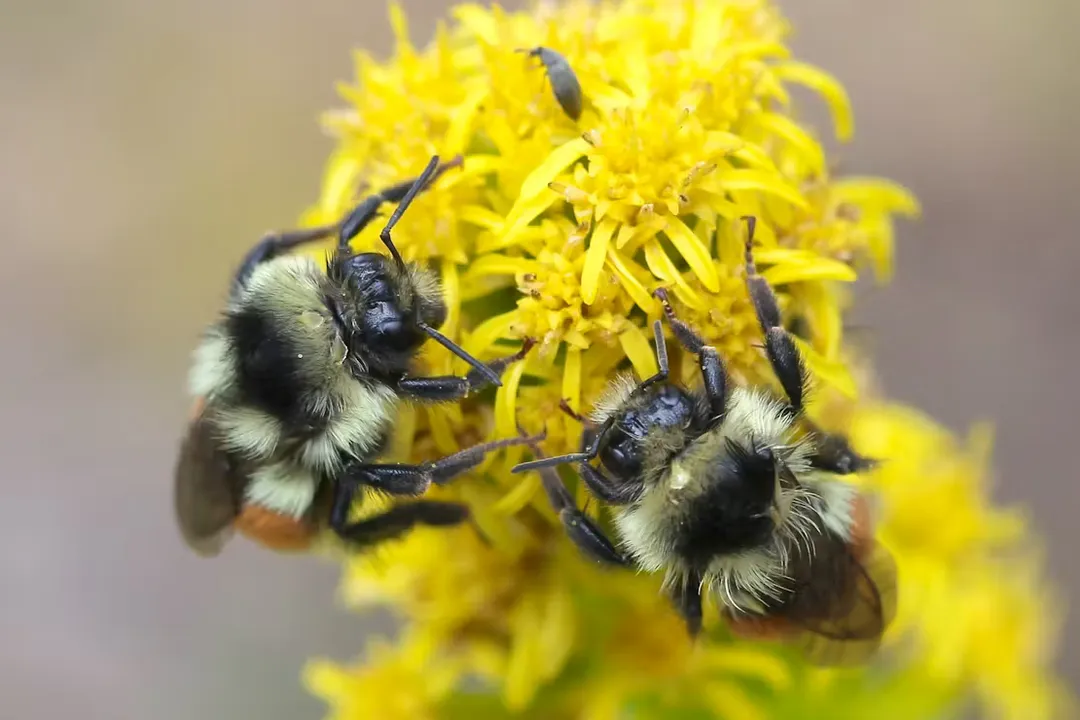
In the plant kingdom, the impact is often tied to reproduction. Pollinators are widely recognized as keystone mutualists. While the importance of bees is well-known—they pollinate roughly 90% of the world’s plants, supporting billions of dollars in food production annually—other less obvious species also qualify. In the tropical rainforests, the fig tree is noted for its year-round fruit production, feeding over 1,200 types of birds, bats, and other species consistently, making it a critical lifeline when other food sources are scarce. Similarly, the cassowary in some regions acts as a vital seed disperser, as certain tree seeds require passage through its digestive tract to germinate properly.
# Contextual Science
The sheer diversity of roles—from the sea star preventing mussel dominance to the fig tree feeding a thousand species—highlights a complexity that the initial concept sometimes glossed over. Ecologists have noted that the term "keystone species" has been applied so broadly that it risks losing its specific meaning. This stretching means a species identified as a keystone in one study might not hold that status elsewhere. For instance, the very starfish Paine studied was less crucial in sheltered bays where wave action wasn't present to distribute the mussels it ate. This contextual dependence is a vital lesson: there is no universal list of keystones; their importance is strictly local and situational.
When analyzing an ecosystem, it is often tempting for the public and conservation agencies to focus on the charismatic megafauna, like wolves or sharks. However, a true ecological assessment requires looking for the species whose absence causes an immediate, disproportionate collapse, regardless of its size or profile. For example, while a homeowner might not be able to protect a gray wolf pack, they can directly influence the health of their local environment by supporting native plants that act as keystone flora. In many eastern North American ecoregions, trees like oaks, willows, cherries, pines, and poplars are foundational, supporting the caterpillars of dozens of butterfly and moth species, which in turn become essential food for nesting birds. Recognizing that this impact is layered—a single keystone plant supports the base of the food web through its leaves, which feeds the larvae, which feeds the birds—reveals a deep interdependency that can be easily overlooked when only looking at direct predator-prey interactions. A local land manager, understanding this layering, might prioritize protecting a specific native shrub over an arguably "more impressive" but less functionally redundant animal species, as the shrub’s ability to support insect diversity is the engine for avian life in that small area.
Another key distinction arises when we compare keystone species to foundation species, which are defined by their sheer abundance and the physical structure they create—like vast coral reefs or massive forests. While a foundation species contributes structure through sheer biomass, a keystone species contributes structure through a specific interaction. A forest is built by many trees (foundation), but a specific type of tree whose fruit is the only available food source during a lean winter month is the keystone providing that temporal stability.

# Conservation Value
The primary value of identifying keystone species lies in conservation strategy. Since biodiversity loss and ecosystem collapse are recognized as major global threats, focusing limited resources on protecting the functional linchpins offers the highest return on investment for ecosystem health. If an endangered species is also a keystone—like the sea otter or wolf—its protection yields exponential benefits for the recovery of the entire habitat.
This concept provides ecologists and policymakers with a powerful tool for communication, allowing them to argue for the protection of a single species as a proxy for protecting a complex suite of other dependent organisms and ecological processes. For instance, protecting the habitat for the jaguar in Central and South America safeguards the numerous plant communities and over 87 prey species it consumes, making it an umbrella species as well. Understanding the role of the keystone—whether it is locking stones in place through predation, building a wetland, or delivering ocean nutrients to a forest—is essential for maintaining the delicate balance that allows diverse life to persist over the long term.
Related Questions
#Citations
What is a Keystone Species? | Defenders of Wildlife
What are Keystone Species | Prairie Nursery
Eli5: What are keystone species and why are they important?? - Reddit
Keystone species - Wikipedia
What are keystone species, and why do they matter?
SCIplanet - Keystone Species and Their Role in Ecosystems