Did NASA discover a bacteria that can play dead?
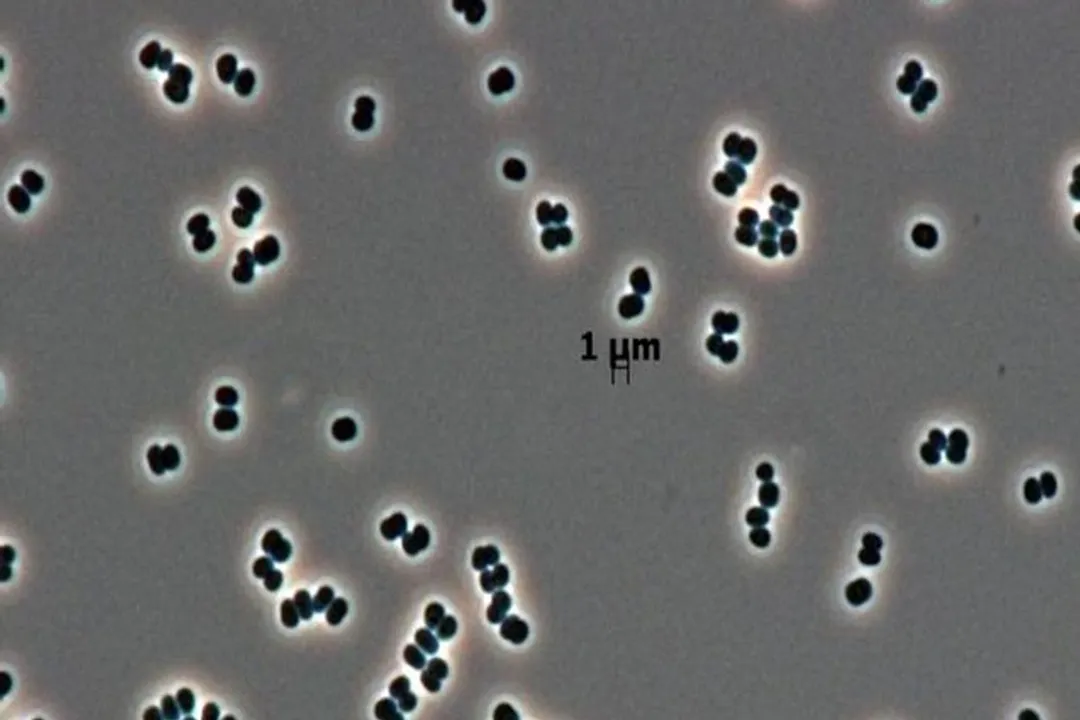
The idea of life persisting against impossible odds is a staple of science fiction, but recent findings related to NASA’s efforts to keep spacecraft pristine suggest that reality is far stranger than fiction. Scientists examining microbes found in the highly controlled environments where spacecraft are assembled have uncovered certain bacteria capable of entering a state so profoundly inactive that it mimics death, a kind of biological sleight of hand that challenges our understanding of microbial persistence. [3][6] These organisms, found not on distant moons but right here on Earth in the very facilities designed to keep our probes sterile, seem to have perfected an extreme form of survival that could have implications for missions heading to places like Mars. [8]
# Clean Room Life
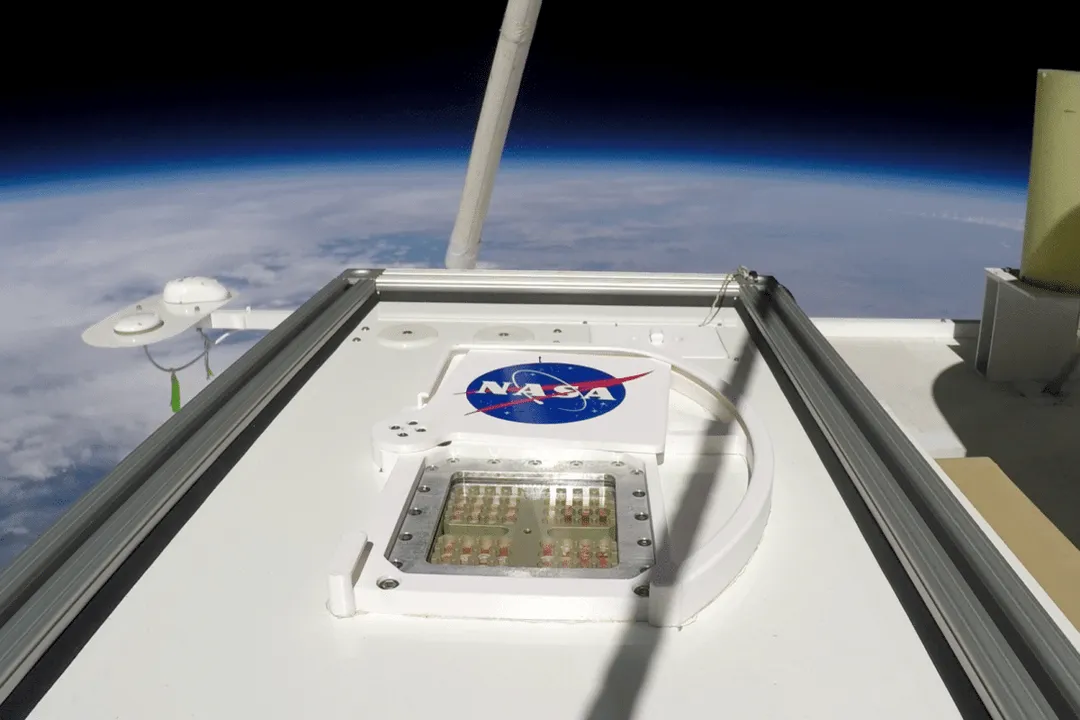
The location of this discovery is as important as the discovery itself. These resilient microbes were isolated from the clean rooms at NASA’s Jet Propulsion Laboratory (JPL) in Southern California. [1][2] These are not ordinary laboratories; they are meticulously maintained environments where spacecraft, like those destined for Mars, are assembled and tested. [8] The air quality, particulate matter, and microbial load in these facilities are strictly controlled, often requiring personnel to wear specialized "bunny suits" to prevent contamination. [2] The goal is to prevent terrestrial biology from hitching a ride to another world, adhering to strict Planetary Protection protocols. [8][6]
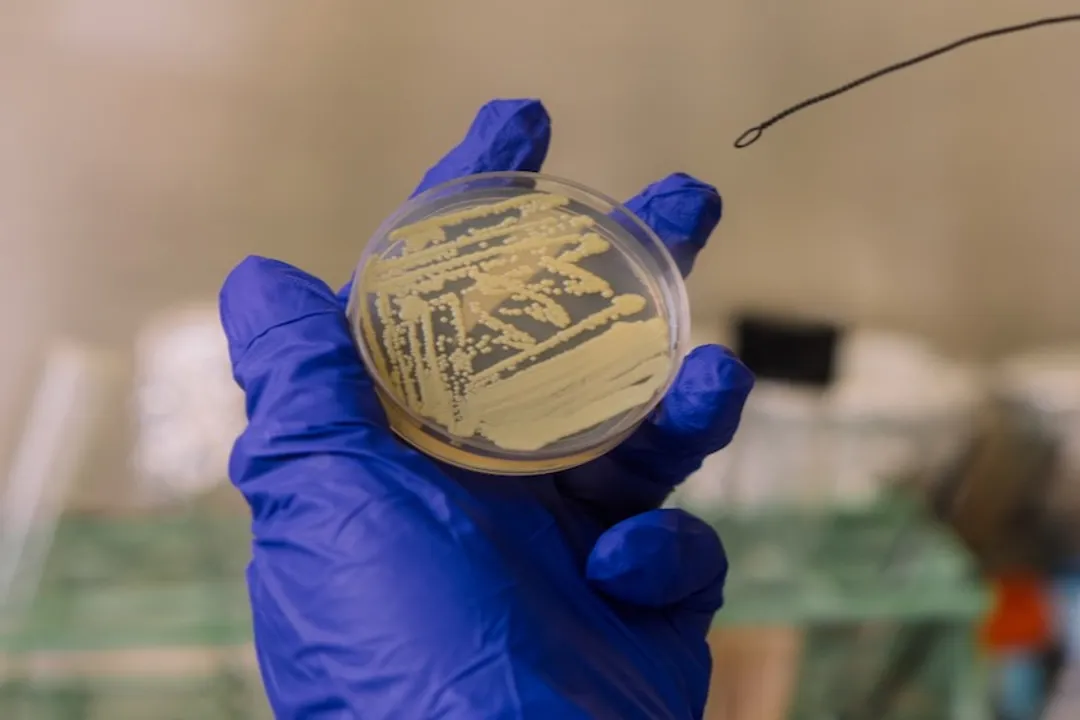
However, even with rigorous cleaning protocols involving chemical washes, high heat, and UV light, certain hardier life forms persist. [3] Researchers working at the University of Houston, collaborating with NASA scientists, focused their attention on these surviving colonies, specifically looking for microbes that managed to evade standard sterilization procedures. [1] The bacteria identified in these studies, often species of Bacillus, are notorious for their ability to form tough, protective structures called endospores. [2][3] These spores are the ultimate survival mechanisms, allowing the bacteria to endure conditions that would kill most other life forms. [6]
# Deep Sleep
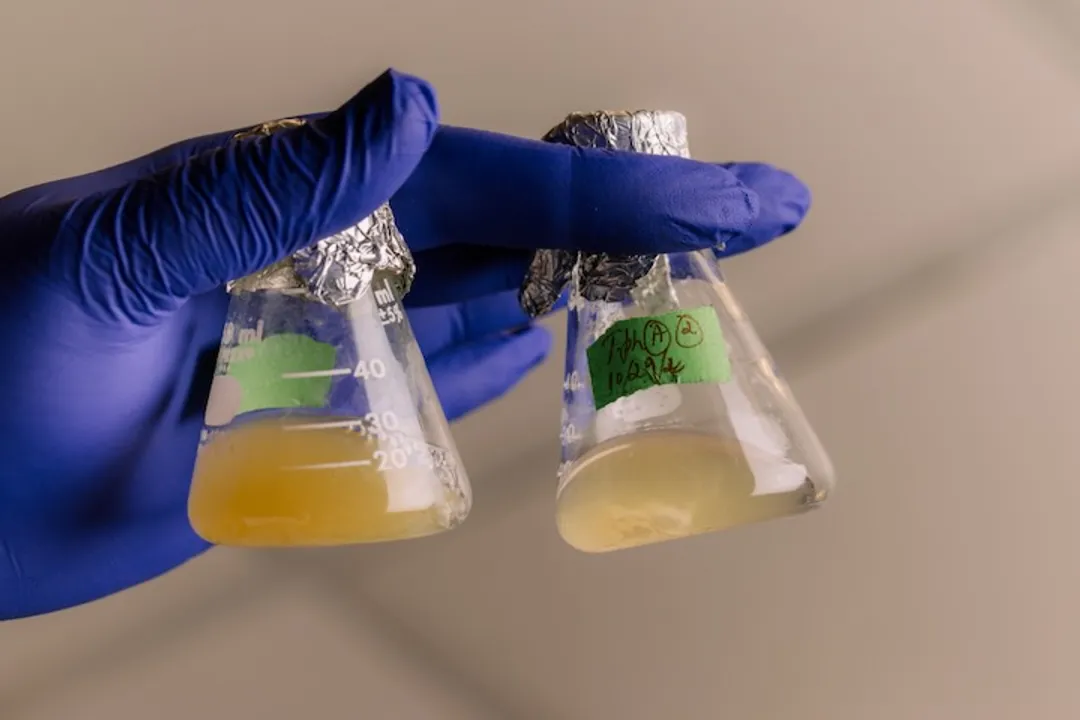
What makes the discovery noteworthy is the depth and duration of the dormancy these bacteria achieve. [3] The term "playing dead" accurately captures the state where the organism sheds virtually all signs of life, making it nearly undetectable by standard biological assays. [3][6] These spores represent a survival strategy where the microbe essentially hits the pause button on its life cycle indefinitely. [3]
When exposed to harsh conditions, the bacteria transition from their active, vegetative state into these dormant endospores. [2] This process involves extreme dehydration and robust chemical changes within the spore core, protecting the DNA from damage. [2] Sources indicate that these bacteria can remain in this near-death state for incredibly long periods, far exceeding the typical survival window expected of most terrestrial microbes, potentially for years or even centuries. [3][7] Crucially, the challenge for scientists lies in resuscitation. [3] The microbes appear dead or inactive during testing, but when returned to favorable conditions—like a nutrient broth or the potentially milder environment of a future planet—they can reactivate and begin replicating again. [6][3] This evasion is significant because decontamination checks often rely on looking for active metabolic processes or growth; if the process of "playing dead" is perfect, the checks fail to register the living contamination. [3]

# Planetary Risk
The presence of these ultra-resilient spores in spacecraft assembly facilities raises significant Planetary Protection flags. [7][8] The primary concern is forward contamination: the unintentional transport of Earth microbes to other celestial bodies, particularly Mars, where life might exist or where we plan to search for past or present life. [8][6] If terrestrial bacteria are successfully deposited on Mars, they could potentially outcompete any native Martian organisms, or, more likely, compromise the scientific integrity of future life-detection experiments. [7] Imagine an instrument designed to find ancient Martian life concluding its mission only to discover it has been growing Earth bacteria all along. [8]
One perspective suggests that if any Earth life were to survive the harsh journey through space—exposure to radiation, vacuum, and temperature extremes—the organisms already adapted to the rigorous, dry, and often chemically treated environment of the clean room would be the prime candidates. [1] The bacteria that thrive in the clean room setting have already demonstrated an aptitude for surviving environments engineered by humans to be hostile, mirroring some aspects of the extreme conditions found off-world. [1]
It is worth considering the sheer volume of surface area on a complex spacecraft; even a minute failure in a sterilization process can leave behind millions of potential hitchhikers, and if even a fraction of those are these "playing dead" specialists, the risk profile changes. [2] Furthermore, this research isn't just about spacecraft; it highlights that standard sterilization methods, proven effective against common contaminants, might be inherently biased toward killing less hardy organisms while inadvertently selecting for these hyper-resistant spore-formers. [3]
# Microbial Resilience
Comparing these findings to general microbial resistance helps illustrate the novelty. Most bacteria die quickly when subjected to desiccation or sterilization agents. [2] The difference here isn't just forming a spore; it’s the near-perfect ability to sustain that spore state under conditions that scientists assumed would lead to irreversible damage or cell death over time. [3]
In essence, this discovery refines our view of the limits of life. We knew endospores were tough, but demonstrating their near-absolute resistance to inactivation within the specific context of a high-tech, controlled environment like a NASA clean room provides empirical data on how truly robust Earth life is. [1]
| Survival Feature | Typical Active Bacteria | Bacillus Endospore (Clean Room Survivor) |
|---|---|---|
| Metabolic Activity | High | Near zero/undetectable |
| DNA Protection | Standard repair mechanisms | Shielded by spore core proteins and low water content |
| Lethal Dose Resistance | Relatively low | Extremely high; can evade inactivation protocols [3] |
| Detection Method | Culturing or quick ATP tests | Requires specific, lengthy resuscitation protocols [3] |
If we apply this to a scenario: Imagine a piece of equipment sent to Mars. A typical microbe might need 100,000 rads of radiation to be fully deactivated, but an established, dormant spore might remain viable after exposure to 1,000,000 rads because its cellular machinery is effectively switched off and shielded. [2] This difference in magnitude is why scientists are paying close attention to the environmental selection pressures within the clean rooms themselves. [1]

# Sterilization Scrutiny
The practical takeaway from this research is a necessary re-evaluation of our decontamination standards. [3] If certain spore-formers are routinely slipping through the cracks, simply increasing the duration of UV exposure or the concentration of a chemical cleaner might not be the answer, as these treatments can be energy-intensive or damage sensitive equipment. [8]
One area for adaptation involves diagnostic technology. Instead of relying solely on methods that search for activity, future clean room monitoring might need to incorporate techniques that specifically search for the chemical signatures or structural markers of these highly dehydrated, spore-like states, even if the microbe isn't metabolizing. [3] This moves the goalpost from proving something is dead to proving something cannot wake up.
From a materials science perspective, this research offers an unintended service: it identifies the weak links in our equipment or cleaning protocols. Any surface that repeatedly harbors these survivors must be re-examined. Perhaps it is the texture of the sealant, the material of a specific gasket, or an area that is simply shielded from the full blast of the sterilizing agent that provides a micro-refuge for these hardiest tenants. [1] For future planetary missions, this means engineers might need to design access panels or testing bays where absolute sterility can be guaranteed, perhaps through localized vapor sterilization rather than broad-spectrum surface wipes, ensuring that the only life traveling to other worlds is the one we send intentionally. [7] The ability of these microbes to endure suggests that Earth is biologically far more tenacious than we often credit it for, a profound thought when looking up at the stars.
Related Questions
#Citations
University of Houston Scientists Learn that Rare Bacterium 'Plays ...
NASA discovered a bacteria that can 'play dead' - National Geographic
Bacteria in Spacecraft Clean Rooms Can Go Dormant, Evading Death
NASA discovered a bacteria that can 'play dead'—and might have ...
Bacterium evades detection in spacecraft facilities - Facebook
Bacteria That "Play Dead" May Have Been Accidentally ... - IFLScience
NASA discovers bacteria 'playing dead' to survive extreme space ...
This Microbe 'Plays Dead' in NASA Clean Rooms, and We May ...
Meet the bacterium that “plays dead” to survive. UH microbiologists ...