Did NASA discover bacteria that can play dead?
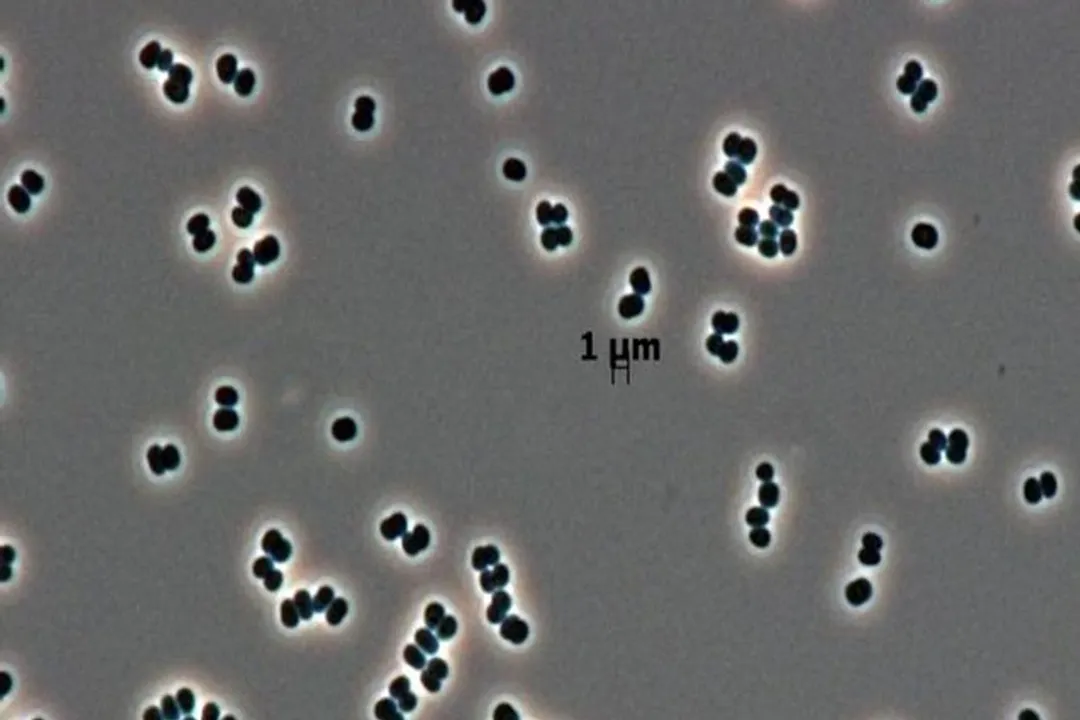
The phenomenon observed in NASA’s highly controlled assembly environments suggests that some terrestrial bacteria possess an almost unbelievable ability to cheat death, entering a state so profoundly dormant that they effectively "play dead" to survive extreme challenges. [1][7] This isn't merely hibernation; it's a near-total metabolic shutdown that renders them nearly invisible to standard detection methods, a survival strategy with profound implications for space exploration and planetary protection protocols. [3][6]
# Clean Room Life
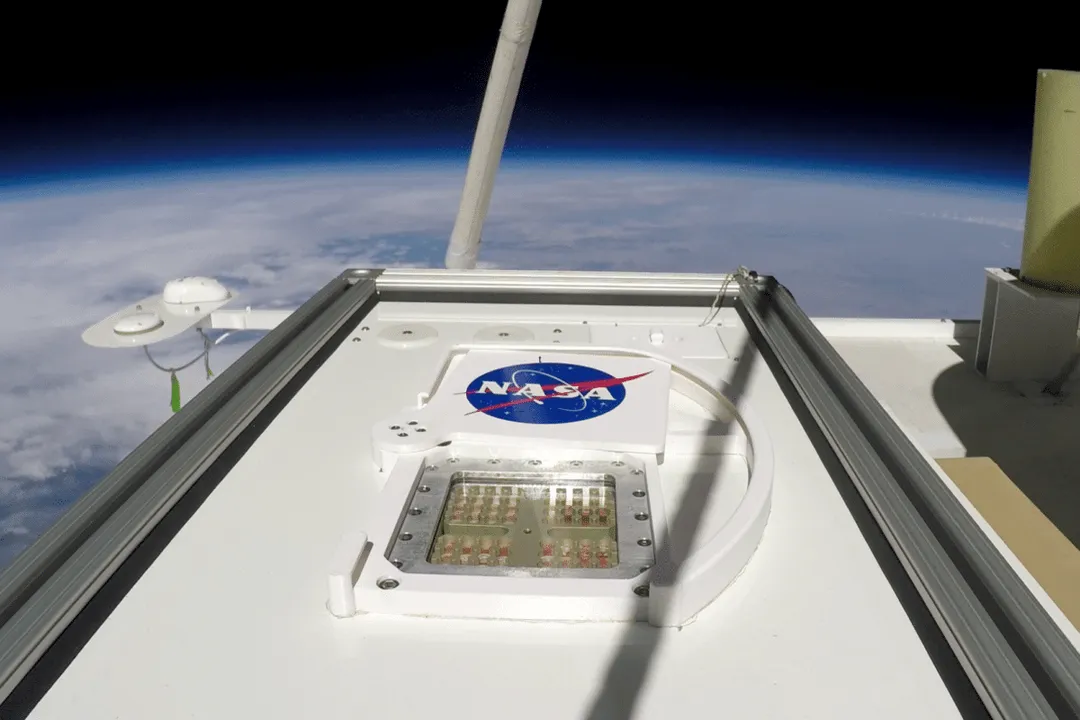
The research centers on microbes found within the specialized clean rooms where spacecraft destined for other worlds are built and prepped. [1][8] These facilities are supposed to be the most sterile human-made environments on Earth, maintained under strict standards to prevent forward contamination—the accidental transport of Earth-based life to other celestial bodies. [2] Yet, even within these pristine settings, certain bacteria manage to persist on surfaces and within materials used for assembly. [1][2]
What scientists found, particularly when examining samples from hardware intended for missions like Mars exploration, was that these microbes could enter a deep state of non-growth or persistence. [8] This state is characterized by an almost complete halt in cellular activity, making them difficult, if not impossible, to culture using conventional laboratory techniques. [3] It’s akin to finding a soldier perfectly camouflaged in a barren landscape; the soldier is present, but their activity signature is zero. [6]
# Survival Strategy
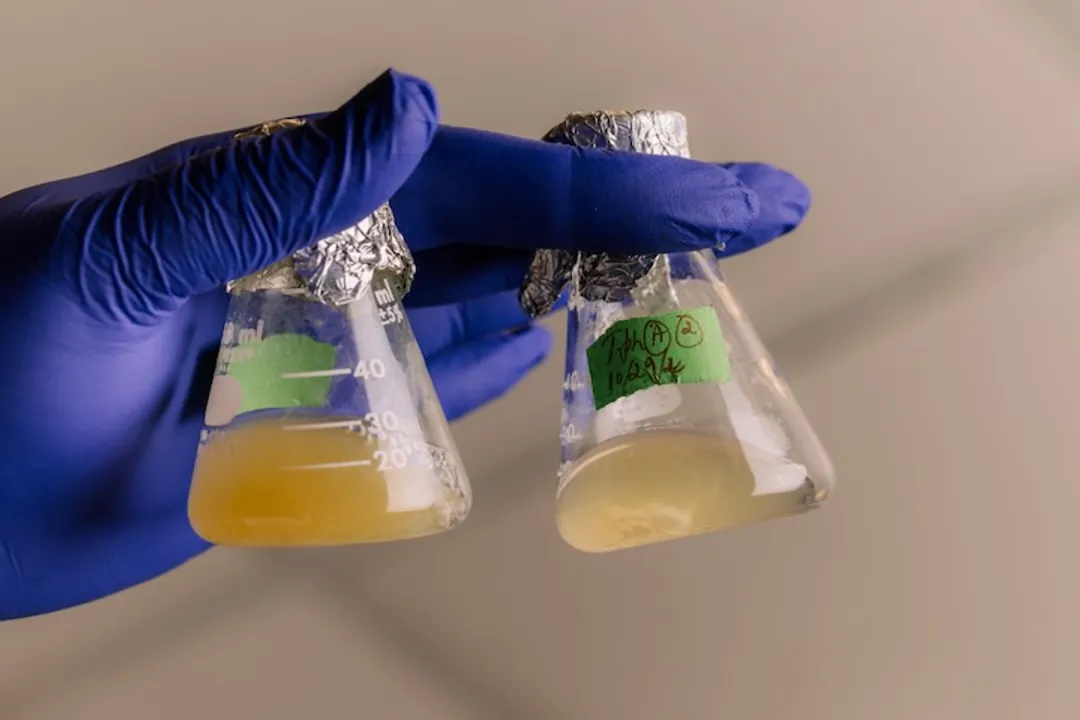
The term "playing dead" captures the essence of this extreme persistence. When facing environmental stressors—like the extreme dryness, radiation exposure, or temperature fluctuations they might experience during transit or on an alien surface—these organisms dramatically reduce their metabolic rate. [3] They are not actively replicating, consuming, or repairing in a way that standard tests can register. [5] They essentially wait out the catastrophe, conserving every last bit of internal energy until conditions might improve. [6]
Researchers, including those associated with the University of Houston, have noted that this level of dormancy goes beyond what is typically considered simple bacterial survival. It represents a highly evolved mechanism to bypass the very measures we employ to declare a surface clean or sterile. [1] Imagine a scenario where standard sterilization procedures are meant to reduce microbial load by a factor of one million; these "playing dead" organisms seem specifically adapted to belong to that extremely rare fraction that survives the reduction, seemingly untouched by the lethal treatment. [1][7]
This behavior differs significantly from typical spore formation, although spores are also a survival mechanism. While spores are a specific, structured form of dormancy, the behavior observed here seems to be a more flexible, context-dependent metabolic collapse in vegetative cells. [3]
# Sterilization Limits
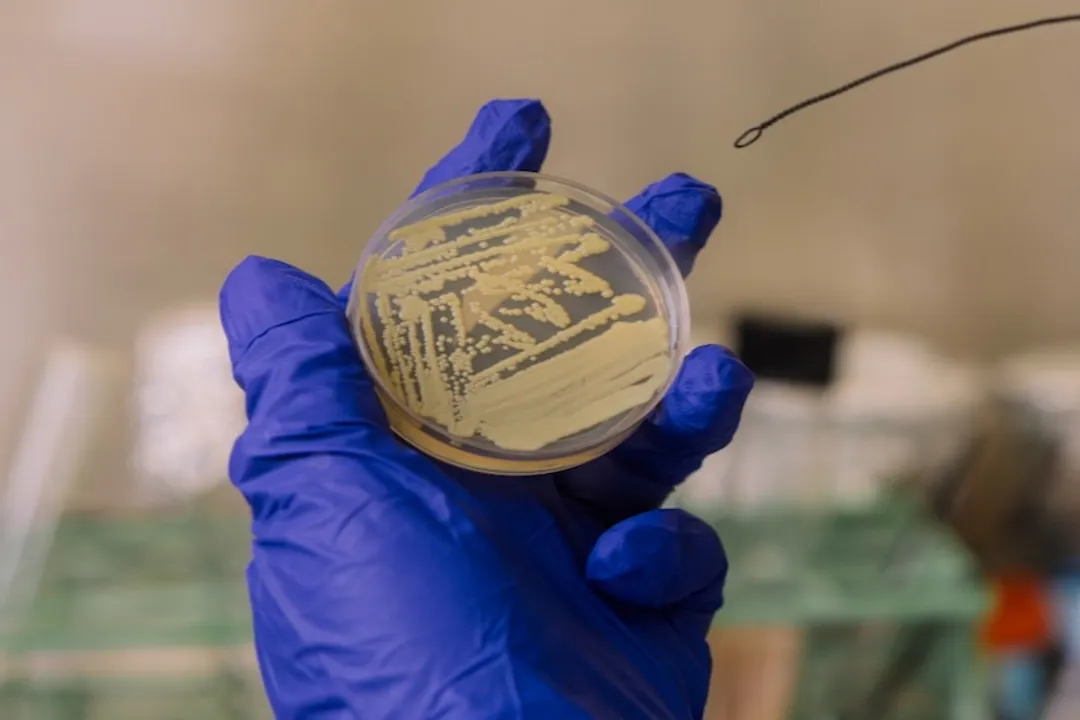
The existence of these deep-dormant microbes forces a critical re-evaluation of how we define and test for sterility in aerospace hardware. Traditional bioburden testing relies heavily on culturability—providing the environmental conditions (nutrients, moisture, temperature) necessary for a cell to start growing and multiplying so it can be counted. [3] If a microbe can switch off its life signs to a point where it won't grow in the lab, standard testing will report a significantly lower, and dangerously inaccurate, microbial count. [5]
This gap between what is culturable and what is truly viable is where mission assurance teams face their greatest challenge. For example, if the baseline decontamination protocol is engineered to eliminate $99.999%$ of active, growing bacteria, the true threat might be carried by the remaining $0.001%$ that were metabolically suppressed during the test but remain capable of reactivation upon landing on a receptive environment like Mars. [1] The key insight here is that our current "gold standard" for cleanliness might only be measuring the actively engaged life forms, overlooking the latent population that is merely waiting for liquid water or organic matter to wake up. This suggests that the development of rapid, non-culturable viability assays—methods that detect cellular structures or immediate metabolic precursors to growth rather than full replication—needs increased priority for future planetary probes. [3]
# Mission Risk Factors
The stakes are incredibly high due to the principle of planetary protection. NASA and other space agencies must adhere to strict international agreements designed to prevent biological cross-contamination. [2] If Earth microbes are carried to, say, Mars or Europa, they could potentially obscure the search for native extraterrestrial life or, worse, thrive in that new environment, fundamentally altering the world we sought to study. [2][7]
The fact that these bacteria have survived the rigorous cleaning processes inside the assembly facility—a process involving specialized chemicals and UV light exposure—raises serious questions about whether they can survive the sheer duration and severity of interplanetary travel. [6] The journey itself, involving exposure to cosmic radiation and prolonged periods of near-absolute zero temperatures outside the shielding of a spacecraft, is a significant stress test. [7] If they can withstand the clean room, it suggests they might possess the resilience needed to survive years en route to the outer solar system.

# Future Travel
The lessons learned from these persistent organisms directly shape the engineering requirements for upcoming missions. For missions targeting potentially habitable worlds, such as the icy oceans of Jupiter's moon Europa or subsurface water reservoirs on Mars, the tolerance for biological contamination shrinks almost to zero. [7]
When we consider sending habitats or sample return vehicles, the focus shifts from merely cleaning surfaces to understanding the long-term persistence of biological material integrated into the vehicle’s structure. [8] If a microbe can effectively pause its existence for the duration of a multi-year mission and then reactivate upon arrival, then spacecraft designers must account for this possibility in their sterilization and risk assessment models. The presence of life that can play dead means that our definition of "dead" in the context of spaceflight is likely too narrow, demanding a more conservative approach to biological risk management for the next generation of deep space explorers. [4][6]
Related Questions
#Citations
University of Houston Scientists Learn that Rare Bacterium 'Plays ...
NASA discovered a bacteria that can 'play dead' - National Geographic
Bacteria in Spacecraft Clean Rooms Can Go Dormant, Evading Death
NASA discovered a bacteria that can 'play dead'—and might have ...
Bacterium evades detection in spacecraft facilities - Facebook
Bacteria That "Play Dead" May Have Been Accidentally ... - IFLScience
NASA discovers bacteria 'playing dead' to survive extreme space ...
This Microbe 'Plays Dead' in NASA Clean Rooms, and We May ...
In 2013, NASA scientists discovered a new microbe in two sterile ...