What role do fossils play in evolutionary theory?
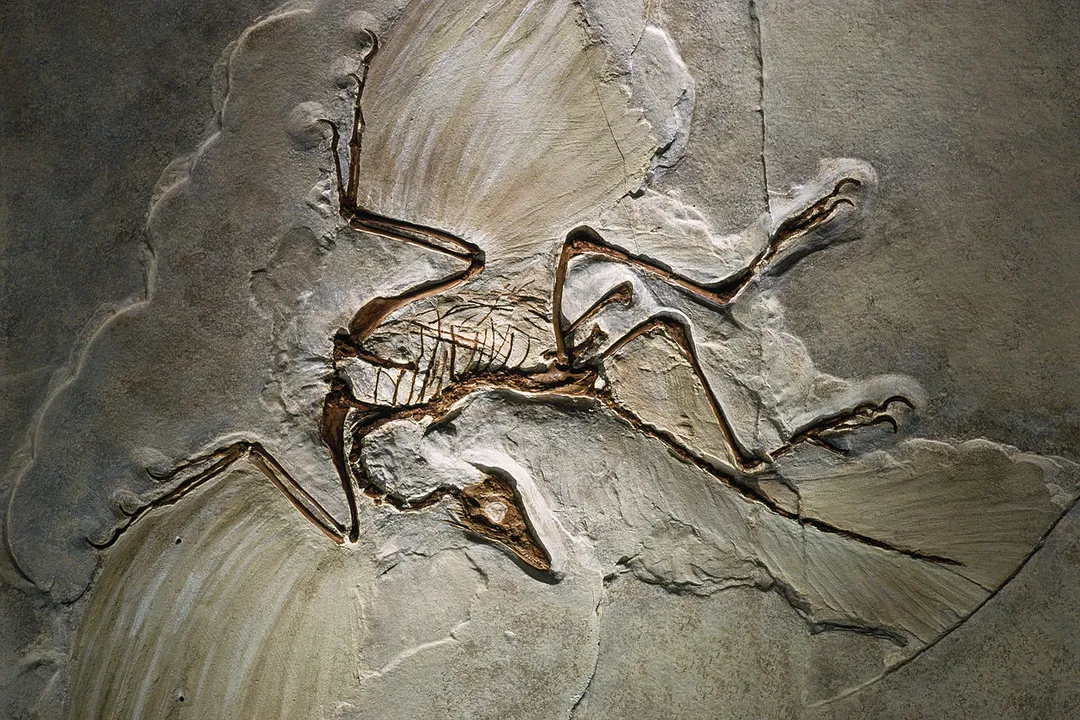
The physical remains locked within the earth—fossils—offer a tangible window into life across vast stretches of time, making them an indispensable line of evidence for understanding evolutionary theory. [1][6] They move the discussion of biological change from the purely theoretical or molecular realm into documented history, providing physical documentation of life forms that existed long before humans began systematic observation. [5] Essentially, the fossil record chronicles the biodiversity of the past, marking when different groups appeared, how they changed once they were here, and documenting the fact of extinction—the permanent loss of lineages. [7]
# Record Keeping
Fossils serve as direct documentation of life existing in the past, demonstrating that the organisms alive today are not the only forms that have populated the planet. [6] By studying the succession of life forms found in sedimentary layers, scientists observe a predictable ordering; simpler life forms tend to appear in older strata, with more complex, modern forms appearing in younger rocks. [3][7] This sequence itself speaks volumes about historical change and diversification across geological time scales.
Furthermore, the sheer scope of what the record contains allows us to verify major evolutionary concepts, such as common descent. When we look at major groups—say, fish, amphibians, reptiles, and mammals—the fossil layers often present creatures exhibiting characteristics intermediate between these modern groups. [6] These specimens act as markers showing how one major biological organization gave rise to another over eons. [1]
However, it is important to acknowledge that the fossil record is inherently incomplete because fossilization is a rare event, requiring specific conditions like rapid burial, lack of oxygen, and specific mineral composition. [1] This incompleteness means that the fossil record rarely provides a continuous, unbroken chain for any single lineage. Instead, it offers scattered snapshots. While some interpretations of the record focus on this incompleteness as a weakness, from the perspective of evolutionary theory, the fact that these snapshots do show systematic change and recognizable patterns of succession is the primary point of validation. [7] Conversely, some viewpoints suggest the geological layering reflects not gradual ascent, but a catastrophic burial event that preserved distinct "kinds" of life rapidly, leaving no true intermediates between those kinds. [8][9] Understanding the role of fossils requires acknowledging that the interpretation of the physical evidence varies significantly across scientific and philosophical viewpoints. [2][4]
# Lineage Tracing
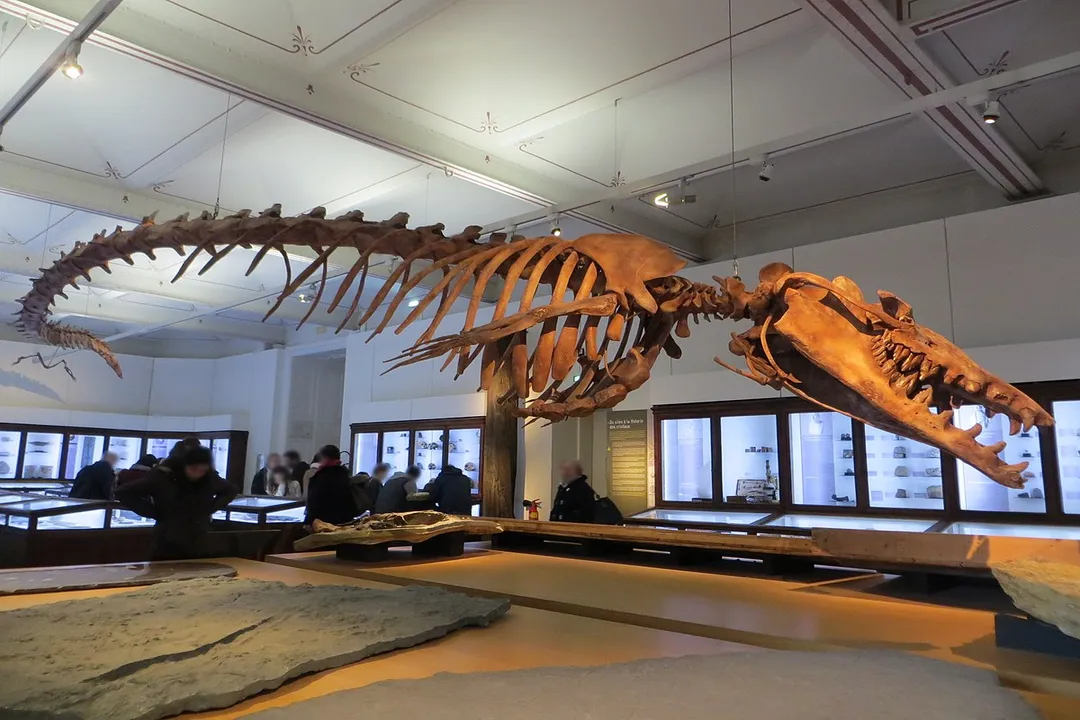
One of the most compelling roles fossils play is in providing concrete examples of transitional forms—organisms displaying a mosaic of traits found in both an ancestral group and its descendant group. [3] These specimens are critical because they illustrate the step-by-step modification of body plans over time, which is central to macroevolutionary change. [6]
A classic example often cited is the evolution of whales from land mammals, documented by fossils showing progressive adaptations to aquatic life, such as the shift in the position of the nostrils toward the top of the skull and changes in the structure of the hind limbs. [3] Similarly, the transition from fish to four-legged terrestrial animals (tetrapods) is illuminated by fossils that possess both fins and limb-like structures. [6]
These finds directly challenge the idea that major shifts in body structure happened instantaneously. Instead, they suggest that incremental, heritable changes, accumulated over deep time, directed the course of life’s major diversification events. [1] They provide the physical geography for the tree of life. When comparing the fossil record against patterns derived from molecular biology, the anatomical evidence found in stone often aligns remarkably well with the hypothesized branching points derived from genetic sequencing. [5]
# Tempo Observed
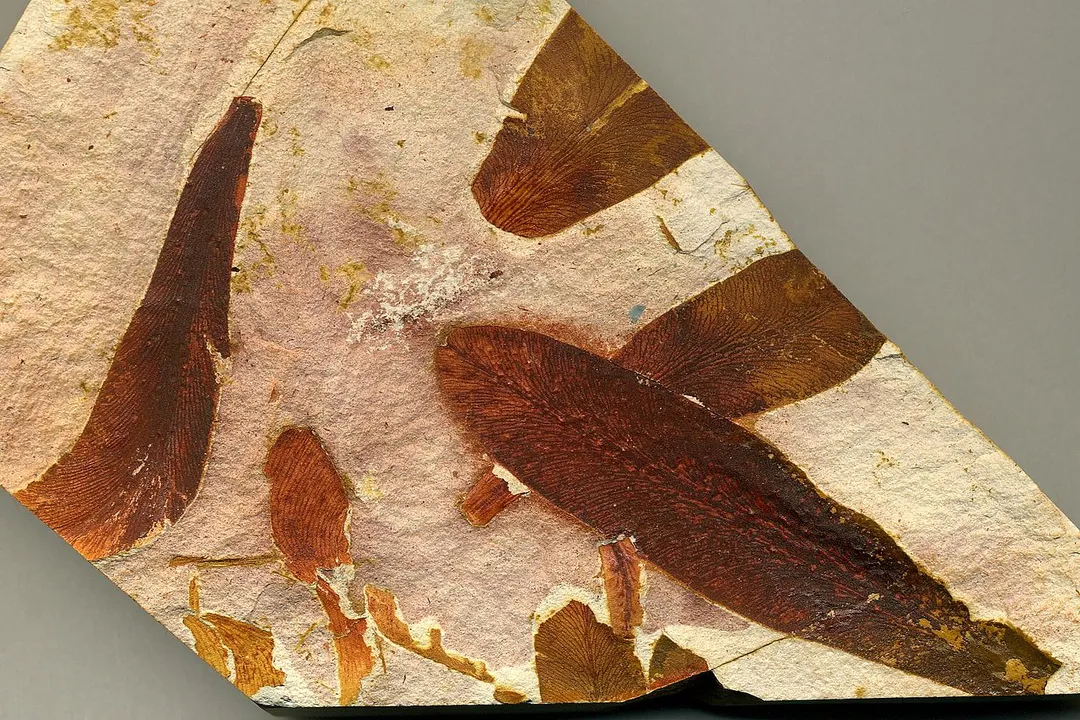
Beyond simply documenting that change occurred, fossils help scientists understand how quickly or slowly evolution proceeded in different lineages. This provides empirical data regarding the tempo of evolution, a concept that has been significantly shaped by paleontological discoveries. [3]
For instance, the fossil record illustrates instances of stasis, where species appear highly similar across millions of years of rock layers, suggesting long periods of relative stability. [3][7] Juxtaposed against stasis, we find evidence for rapid bursts of change associated with speciation events. This observation led to the proposal of the theory of punctuated equilibrium, which posits that evolutionary change is concentrated in relatively brief periods associated with speciation, followed by long periods of stasis. [3] Whether evolution proceeds gradually or in fits and starts—anagenesis or cladogenesis—is determined by examining the spacing and morphological differences between fossils in successive strata. [7]
A particularly interesting point arises when comparing the inferred rates. Molecular clocks, based on mutation accumulation rates in DNA, estimate divergence times. Fossils anchor these estimates in actual time. If molecular data suggests two groups diverged 50 million years ago, finding the physical fossil representatives of those groups dating to that specific period validates both lines of evidence. This synergistic relationship, where genetics provides the mechanism and fossils provide the temporal reality check, is where the greatest strength of evolutionary science lies. Without the physical fossils, molecular divergence dates remain powerful hypotheses about genetic drift, but lack concrete historical confirmation within the geological timeline. [5]
# Geological Context
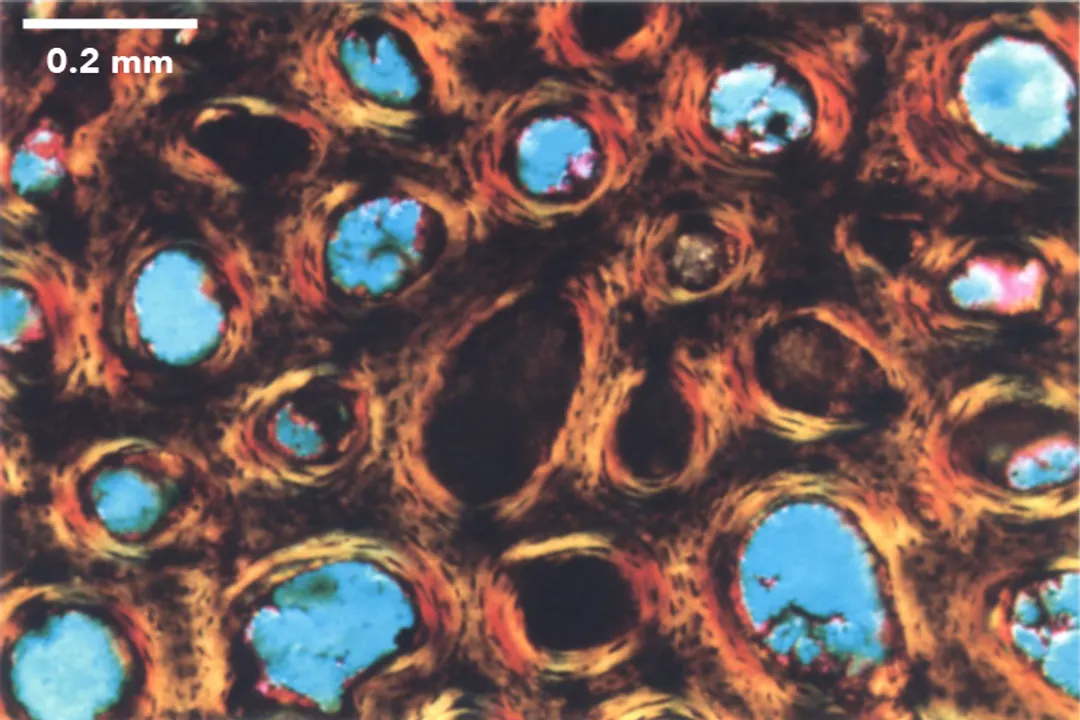
Fossils are not just biological specimens; they are critical tools in historical geology. Every fossil is inherently tied to the matrix of rock it is found in, offering vital clues about the environment that existed when that organism was alive.
For example, finding a fossilized clam in a limestone layer high in a mountain range tells geologists two things simultaneously: first, that the organism belonged to a marine environment, and second, that the landmass has experienced significant uplift since that organism was alive. This immediate environmental calibration is invaluable; if a fossil sequence appears to show an aquatic creature evolving into a terrestrial one, the surrounding rock strata must first confirm that the ancient environment actually shifted from marine or lacustrine (lake) conditions to terrestrial ones over those layers. If the strata show persistent deep-sea deposits, the interpretation of terrestrial adaptation becomes much harder to support through physical evidence alone.
Furthermore, fossils are essential for biostratigraphy, the dating of rock layers based on the fossils they contain. [5] Index fossils—species that existed for a relatively short time but were geographically widespread—allow geologists to correlate rock layers across continents, establishing a relative timeline for major geological and biological events globally.

# Interpretation Debates
While the physical existence of fossils showing sequence and change is not disputed across major scientific communities, the interpretation of what this evidence means for the theory of evolution remains a point of focus, particularly for those holding non-evolutionary views. [2]
From the perspective of evolutionary theory, the patterns observed—the succession of forms, the presence of intermediates, and the correlation between geological timing and morphological complexity—collectively confirm descent with modification. [1][3] The framework uses fossils to map out macroevolutionary events like mass extinctions and the adaptive radiations that followed them. [7]
However, critics often point to the gaps in the record, arguing that the absence of every theoretical intermediate form undermines the theory of gradual transformation. [4] This perspective emphasizes the discrete nature of the fossilized remains, suggesting they represent fixed types rather than stages in a continuous process. [9] In response, evolutionary science emphasizes that the record displays patterns consistent with evolutionary theory (like punctuated equilibrium) and that the fossilization process itself necessitates gaps, yet the existing body of evidence strongly favors evolutionary scenarios over static creation or instantaneous appearance. [3][5] The relevance of fossils, therefore, is not just in what they are, but how they fit into a larger explanatory model when combined with genetics, comparative anatomy, and geology. [2] They provide the indispensable historical backbone necessary to test and refine hypotheses about life's history on Earth.
Related Questions
#Citations
Fossil evidence - Understanding Evolution
How relevant is the fossil record for a case on evolution? - Reddit
Evolution - Fossils, Species, Adaptation - Britannica
What Do the Fossils Say? | Answers in Genesis
The role of fossils for reconstructing the evolution of plant development
What is the role of fossils in understanding evolution? - Quora
What Does the Fossil Record Show? - Common Question - BioLogos
Fossil Record | The Institute for Creation Research
Evolution Part II: Fossils as Evolutionary Tools - OpenGeology