What is the theory that the Earth is alive?
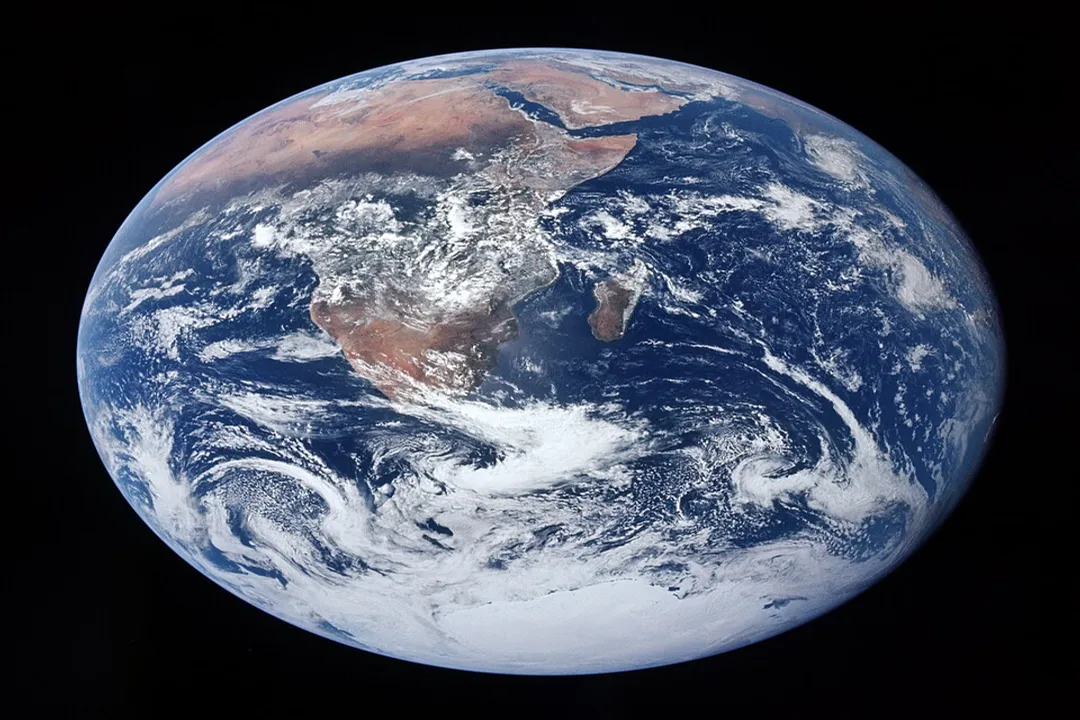
The idea that our planet might not just host life, but be alive itself, forms the basis of one of science’s most provocative and enduring concepts: the Gaia hypothesis. This theory suggests that the Earth’s living organisms—the biota—are intricately linked with their inorganic surroundings, such as the air, oceans, and rocks, forming a single, large, self-regulating complex system. This integrated entity, named Gaia after the Greek primordial deity of the Earth, actively maintains the physical and chemical conditions necessary for contemporary life to persist.
# Hypothesis Origin
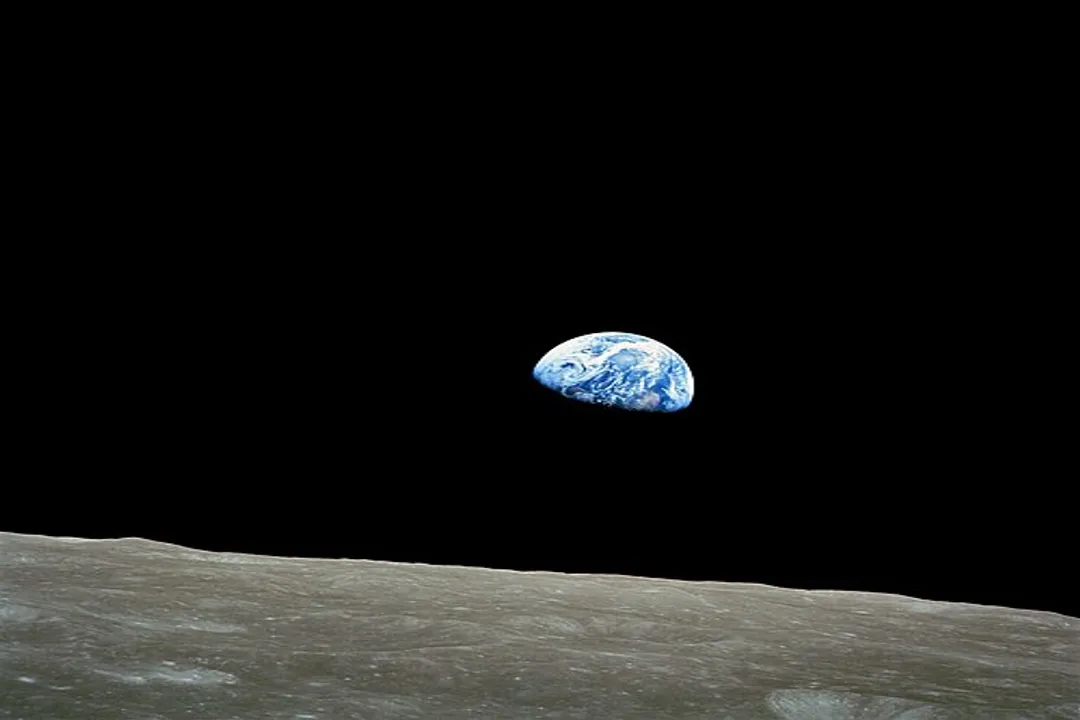
This concept did not spring from purely mystical roots, though it bears a mythological name. The theory was scientifically formulated in the 1970s by chemist James Lovelock, with significant collaboration from microbiologist Lynn Margulis. Lovelock developed the initial idea in 1965 while working at NASA, attempting to devise reliable methods for detecting life on other celestial bodies. He observed that planets like Mars and Venus possessed atmospheres in chemical equilibrium, but Earth’s atmosphere was wildly out of balance—containing reactive gases like oxygen and methane simultaneously. This chemical disequilibrium, Lovelock argued, was prima facie evidence that life was actively sustaining the planet’s unique atmospheric cocktail. It was novelist William Golding, Lovelock’s neighbor at the time, who suggested the evocative name, Gaia.
# Atmosphere Disequilibrium
The core observation that spurred the hypothesis relates to stark chemical differences when comparing Earth to its dead neighbors. The Sun has steadily increased its energy output by 25 to 30 percent since life first appeared on Earth. Without intervention, this increased solar energy, combined with continuous volcanic outgassing of carbon dioxide (), should have triggered a runaway greenhouse effect, boiling the oceans, much as it occurred on Venus. Yet, Earth’s surface temperature has remained within habitable margins for eons. Furthermore, the presence of , a highly reactive element, persists in a stable state, as does methane, which should readily combust in an oxygen-rich environment. The very air we breathe, Lovelock proposed, is the product of a living planetary process, not mere chemical chance.
# System Regulation
Gaia theory contends that the global system maintains a state of homeostasis, similar to how a body regulates its internal temperature, but on a planetary scale. This regulation extends beyond atmospheric gases to include factors like the salinity of the oceans, which has remained remarkably constant at about 3.5% for a very long time, despite constant salt influx from rivers.
Life, especially through the actions of microorganisms, is seen as intimately involved in establishing this control system. For example, the carbon cycle relies on life for significant removal. Plants and algae sequester carbon, which is then buried in the ocean floor through the formation of shells (calcium carbonate) by organisms like the coccolithophore Emiliania huxleyi. When levels rise, the temperature increases, which may stimulate greater plant growth and, consequently, greater processing and removal, thus dampening the temperature rise. Similarly, the CLAW hypothesis, inspired by Gaia, suggests phytoplankton produce dimethyl sulfide, which influences cloud cover and reflects sunlight, acting as a negative feedback loop to stabilize global temperatures.
When considering the scale of planetary self-correction versus the scale of human-induced disruption, it becomes striking. Geological evidence shows that catastrophic events, like the Snowball Earth periods, were eventually reversed by bio-geophysical processes. While these historical shifts were extreme, they eventually returned toward a stable state conducive to life. The processes governing atmospheric composition and temperature stabilization evolved over billions of years, suggesting mechanisms with immense inertia. If we consider the geological record, the biosphere has managed the Sun's steady brightening across billions of years. However, the current injection rate of due to fossil fuel combustion is a perturbation occurring over mere centuries, which may overwhelm these ancient, slow-acting negative feedback loops, turning them into positive, accelerating feedback systems. Observing the slower cycling of elements like sulfur, which is naturally carried from ocean to land by dimethyl sulfide—a compound predicted by Gaia theory—shows a planetary logistics system in place. Our current industrial activity introduces imbalances on a timescale that the planetary system may not have been evolved to buffer effectively.
# Daisyworld Model
A major early critique against the hypothesis was that maintaining equilibrium suggested purpose, foresight, or group selection—a teleological interpretation that orthodox science rejects. To counter this, Lovelock and Andrew Watson developed the Daisyworld simulation. This simple, elegant mathematical model showed that self-regulation could emerge purely from the self-interested competition between two types of organisms, negating the need for conscious planning.
The model planet is covered in either black daisies (which absorb sunlight and warm the local area, thriving in cooler conditions) or white daisies (which reflect sunlight and cool the area, thriving in warmer conditions). As the sun’s heat output changes, the most successful daisy type out-competes the other, causing a global shift in albedo that pushes the temperature back toward an intermediate, habitable optimum—the point where both species’ growth rates are equal. The key insight here is that global altruism (maintaining habitability) arises from individual selfishness (competing for the best local temperature for reproduction). This showed that planetary homeostasis could be a consequence of biological evolution, not its goal. It is fascinating to consider that if one were to model the real world using this principle, adding greater functional diversity—more species beyond just black and white—tends to increase the overall system's stability and resilience, lending weight to the "rivet-popper" hypothesis over the "species redundancy" view.
# Hypothesis Forms
The initial concept was broad, leading critics like James Kirchner to delineate several distinct ideas within the umbrella of Gaia. These are often organized along a spectrum of scientific acceptance:
- Weak Gaia (or Influential Gaia): This is the least controversial version, stating simply that organisms influence the abiotic environment, and that life and the environment co-evolve. The fact that photosynthetic bacteria radically shifted the atmosphere to an oxygen-rich state supporting complex life is a key example.
- Strong Gaia (or Optimizing Gaia): This posits that the biota actively manipulates the physical environment specifically to create optimal or favorable conditions for life as a whole, suggesting a form of planetary management. This version was the source of much early scientific resistance due to its perceived teleology.
The evolution of the theory itself reflects a shift from the stronger, more controversial claims toward the scientifically observable, co-evolutionary aspects. By 2000, conferences focused less on whether Gaia was teleological and more on the specific mechanisms of short-term homeostasis within long-term evolutionary change. The consensus in Earth system science has largely embraced the co-evolutionary view, recognizing the close links between life’s evolution and environmental shifts.
# Scientific Acceptance
The initial reception of the Gaia hypothesis by scientists was often hostile or dismissive. Critics, including Stephen Jay Gould and Richard Dawkins, pointed out the lack of a clear, testable mechanism and questioned how organisms could coordinate such regulation without foresight. Gould famously labeled it "a metaphor, not a mechanism". Lovelock countered that biological and ecological fields already accept that many complex phenomena are understood without isolating a single, linear cause. Furthermore, he noted that the highly specialized nature of his interdisciplinary hypothesis meant it was often met with suspicion by specialists trained in narrower fields.
Despite early skepticism, the theory generated fruitful predictions that eventually bolstered its scientific credibility. The successful prediction of widespread marine production of dimethyl sulfide as a sulfur carrier to land, for instance, was a stimulus provided by the Gaia framework. By 2001, many scientists were signing declarations supporting the view that the Earth System behaves as a single, self-regulating entity. While outright rejection remains for the strongest forms of the theory, the principles underlying the co-evolution of life and environment are now considered credible and are studied within disciplines like geophysiology and Earth system science. The theory’s contribution lies in its insistence on a holistic approach, forcing scientists to study the biota and environment as a single, coupled entity rather than separate subjects.
# Modern Interpretations
While Lovelock firmly maintained that Gaia does not imply conscious planning, later interpretations have sometimes drifted into metaphysical territory. Some contemporary thought connects the idea to planetary consciousness or views humanity as an agent of Gaia itself. Stephan Harding, a former student of Lovelock, suggests that humans possess an inherent, aboriginal understanding of the Earth as alive, but that the modern culture driven by greed is disrupting these vital planetary feedbacks, pointing to phenomena like the coronavirus as an emerging "feedback to control this species, the species of modernity".
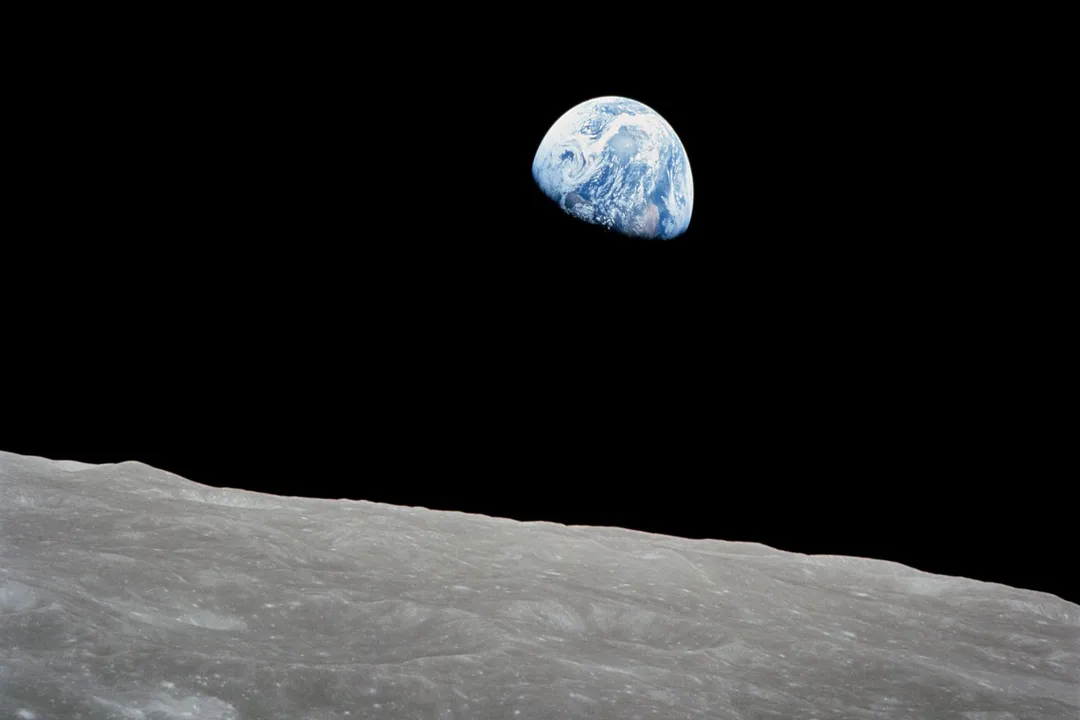
Astronaut Ron Garan, having viewed Earth from orbit, stated he doesn't view it as a hypothesis but as "obvious"—seeing a "living, breathing organism" from outside the frame. This shift—from a biochemical feedback mechanism to a more spiritual or moral imperative—highlights the theory's broad impact. Lovelock himself, though advocating for optimism through self-restraint, urged readers to recognize their role within this system, not as owners, but as interdependent partners, suggesting that exploiting the system ruthlessly is as foolish as mining one's own liver for short-term gain. We find ourselves now in a fascinating position: the core scientific mechanisms—biogeochemical cycling, homeostasis, and co-evolution—are increasingly integrated into climate models, even as the popular notion of a sentient Earth inspires new environmental ethics focused on our action within that system. The challenge becomes translating the geological wisdom of slow, balancing feedback into effective human behavior on a contemporary timescale.
#Videos
Living Planets: The Gaia Hypothesis - Is Earth Alive? - YouTube
Related Questions
#Citations
Gaia hypothesis - Wikipedia
[PDF] Gaia hypothesis - Harvard University
The Earth as a Living Organism - Biodiversity - NCBI - NIH
Living Planets: The Gaia Hypothesis - Is Earth Alive? - YouTube
Imagining Gaia, the Earth, as 'one great, living organism'