What is the biggest producer of methane on Earth?
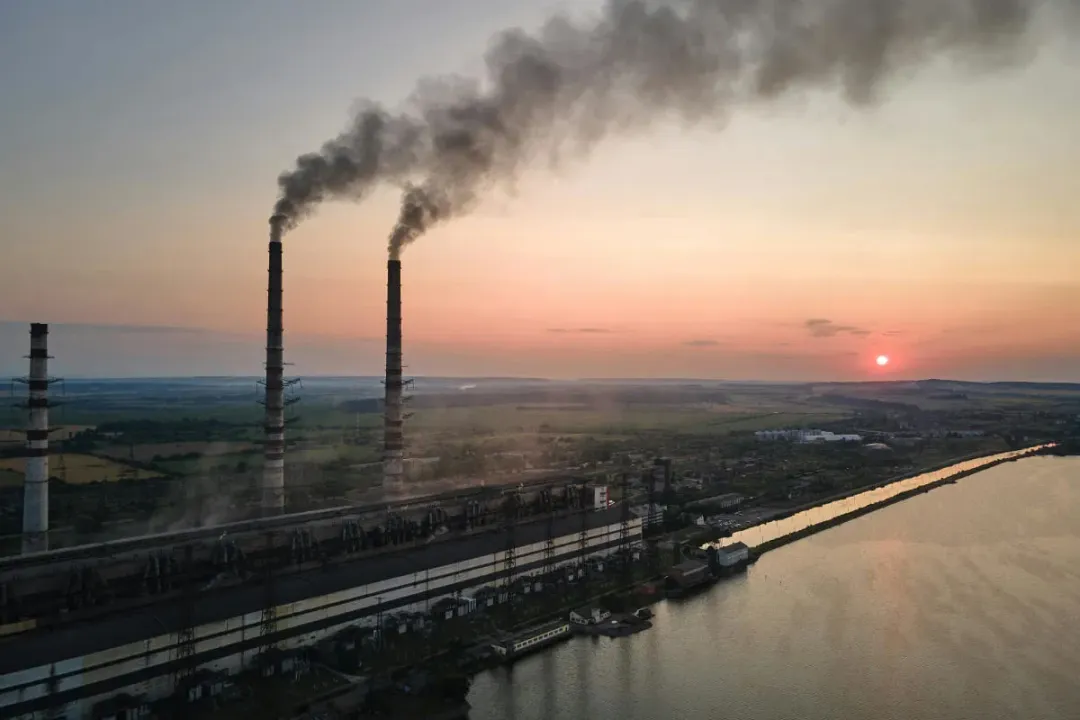
Methane () is a gas with an outsized impact on the climate, possessing a warming potential significantly greater than carbon dioxide over the short term. [7] Determining the absolute "biggest producer" on Earth is not a simple identification of one entity; rather, it requires separating natural processes from human activities and comparing the relative scale of different industrial sectors. [2][4] Methane is recognized as the second most important contributor to global warming following . [5] Globally, the sources are diverse, spanning from the digestive systems of livestock to leaks in oil and gas infrastructure and natural geological seeps. [2][4]
# Human Sources
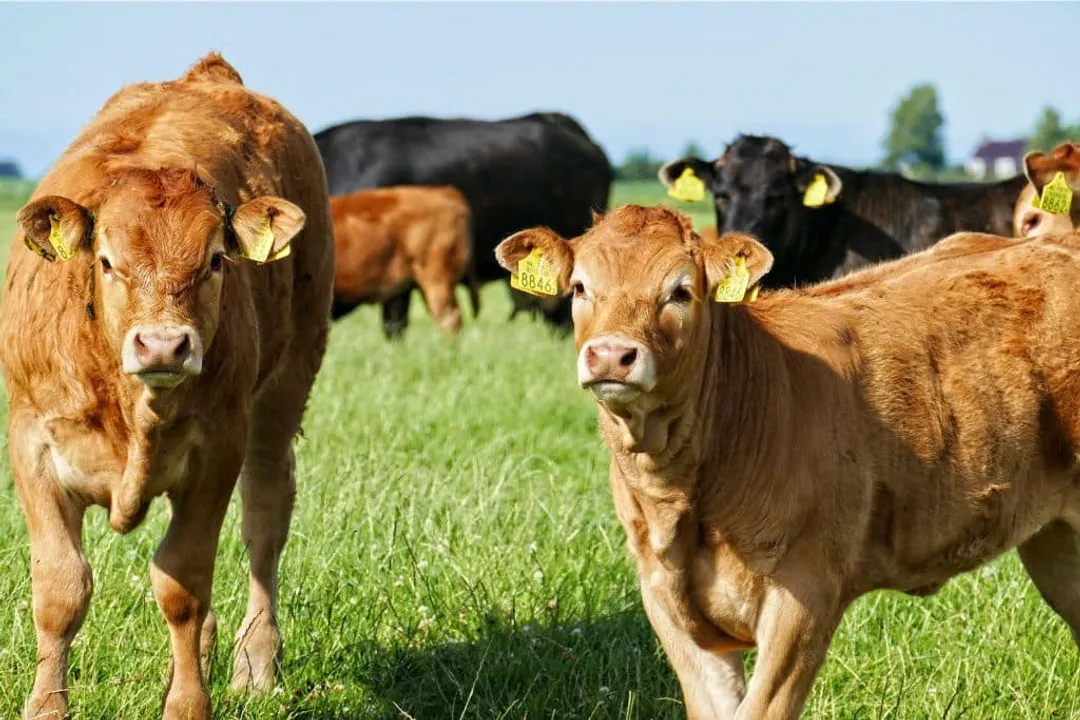
When we restrict the focus to emissions caused by human endeavors—anthropogenic sources—the picture sharpens, typically highlighting three major areas: agriculture, the energy sector, and waste management. [2][5] Different inventories prioritize these differently. For instance, agriculture, dominated by livestock, is often cited as the single largest source of human-caused emissions. [4][5] However, the energy sector, including oil, natural gas, and coal operations, presents emissions that are often larger than officially reported by nations, particularly when accounting for fugitive emissions and venting. [1]
# Energy Fossil Fuels
The fossil fuel supply chain—from extraction to transport—is a continuous source of methane leakage. Natural gas systems are a prime culprit, as methane is the primary component of natural gas. [2][9] Significant amounts are released through leaks in pipelines, compressor stations, and storage facilities. [9][1] Similarly, oil production generates substantial methane, often released through processes like venting and flaring. [3] Furthermore, coal mining operations contribute through methane that is naturally trapped within coal seams; as the coal is extracted, this gas is released into the atmosphere. [2] Satellite data monitoring has repeatedly shown that these energy infrastructure sites are responsible for some of the most intense, persistent plumes of methane detected across the globe. [3][6]
# Farms Waste
Outside of energy, the agricultural sector represents a massive source, largely inescapable without fundamentally changing global diets or farming techniques. Ruminant animals, such as cattle and sheep, release methane as a natural byproduct of their digestive process, known as enteric fermentation. [2][9] This biological process alone accounts for a very large portion of global agricultural methane. [9] Beyond livestock, the decomposition of organic materials plays a significant role. Landfills, where waste breaks down without oxygen, generate substantial amounts of landfill gas, which is rich in methane. [4] Wastewater treatment processes also contribute to these methane releases. [9] In the context of the United States, for example, the combination of livestock and natural gas systems frequently occupy the top two positions in annual greenhouse gas accounting. [9]
# Wetland Flux
When assessing all sources, both natural and human-caused, the answer shifts to natural environments. Wetlands—marshes, swamps, and bogs—are widely acknowledged as the single largest natural source of methane emissions on the planet. [2][4] These environments are characterized by anaerobic (oxygen-free) soil conditions, which promote the microbial activity that produces methane. [2] While the total global volume from wetlands can rival or even surpass the total from all human activities combined, depending on climatic conditions and measurement techniques, these natural emissions have been relatively stable over the pre-industrial era. [4]

# Global Emitters
Examining the issue from a national perspective reveals which countries are the largest contributors to the total anthropogenic load. Rankings fluctuate, but major industrialized nations and large developing economies with vast energy sectors or significant agricultural bases consistently rank at the top. [8] Countries like China, the United States, and India frequently lead in total national methane emissions when tallied across all sectors. [8] This geographical data is essential because it points toward where policy intervention and technology deployment can have the most immediate impact on overall global concentrations. [8]
# Satellite View
The ability to accurately identify the biggest producers has dramatically improved with modern remote sensing technology. Satellites, such as the European Space Agency’s Sentinel-5P, carry sophisticated instruments designed to map atmospheric composition, including methane concentrations. [6] This monitoring capacity allows scientists to identify "super-emitters"—specific sites, like a particular oil field or landfill, that are releasing massive quantities of methane in a concentrated plume. [3][6] While overall sector data is important for trend analysis, satellite observations provide the granular detail necessary for immediate correction. For example, observing a continuous super-emitter event over a specific transmission line provides immediate, actionable intelligence that high-level sector reporting misses, forcing operators to address site-specific infrastructure failures quickly. [3] This shift in monitoring capability moves accountability from broad national estimates down to precise, local infrastructure points. [6]
# Short Lifespan
Understanding methane’s producer must also account for its behavior in the atmosphere. Methane is a short-lived climate pollutant (SLCP) because it breaks down much faster than , with an atmospheric lifespan measured in years rather than centuries. [7] This characteristic means that reducing methane emissions yields disproportionately large benefits in the near term, effectively slowing the rate of near-term warming more effectively than an equivalent reduction in alone. [7] If we imagine the atmosphere as a bathtub: reducing is like slowly turning down the faucet, whereas reducing methane is like quickly plugging a massive, actively overflowing drain; the immediate drop in atmospheric concentration provides a crucial cooling effect over the next two decades that reductions cannot offer in that timeframe. [7] This urgency underscores why identifying and fixing the largest, most persistent leaks in the energy sector—which are often the easiest to plug—is considered one of the fastest ways to mitigate near-term climate change. [1][7]
In summary, the title of "biggest producer" is conditional. Naturally, wetlands hold the title for raw, ongoing geological output. [2] Among human activities, when considering the sheer volume from biological processes, agriculture often takes the lead. [5] However, for immediate, addressable climate impact through infrastructure correction, the concentrated, persistent leakage from the global oil, gas, and coal infrastructure often represents the most critical target for reduction. [1][3]
Related Questions
#Citations
Overview – Global Methane Tracker 2022 – Analysis - IEA
Methane emissions - Wikipedia
The search for the world's largest methane sources - BBC
What Are the Major Sources of Methane in the Atmosphere?
Breakdown of carbon dioxide, methane, and nitrous oxide emissions ...
ESA - Top 10 persistent methane sources - European Space Agency
Methane | Climate & Clean Air Coalition
Methane Emissions by Country 2025 - World Population Review
Methane Emissions | US EPA