What is the oldest crater on Earth?
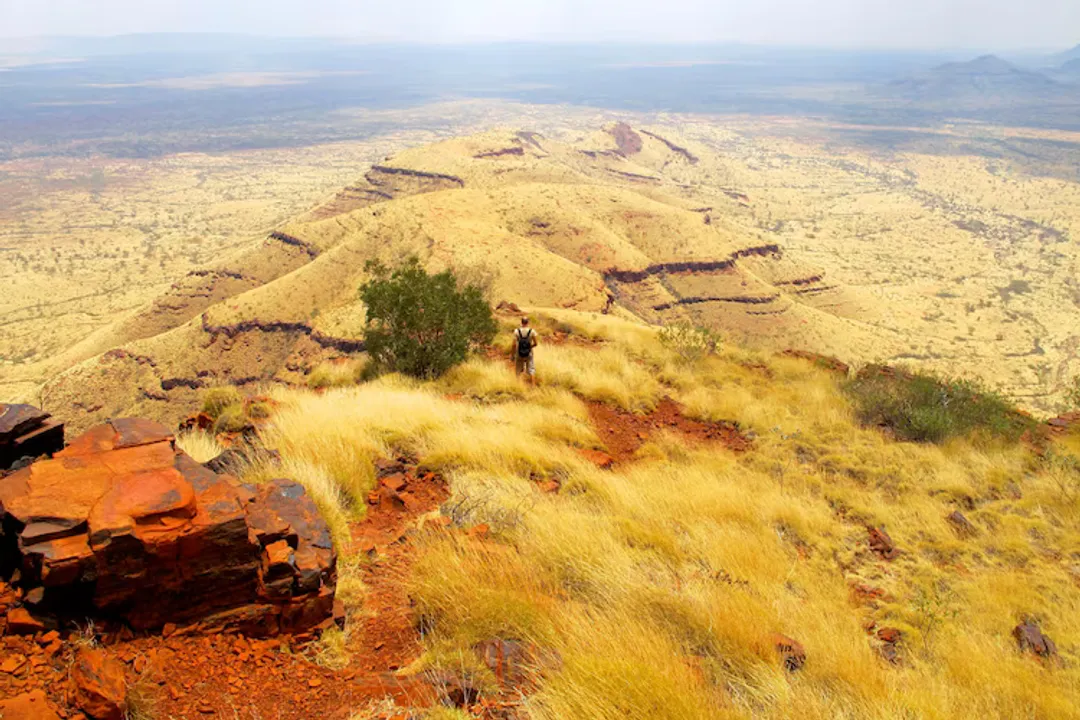
The designation for the oldest known impact structure on our planet now belongs to a site in the remote reaches of Western Australia, known as the Yarrabubba impact structure. This discovery required looking far deeper into Earth's history than previous geological records suggested was possible for such features, pushing the confirmed record for a terrestrial impact back by nearly two billion years. The impact event responsible for creating Yarrabubba is now dated to approximately 3.26 billion years ago (3.26 Ga). This places the collision in the Paleoarchean era, an ancient time when life on Earth was still in its earliest single-celled stages.
# Record Structure
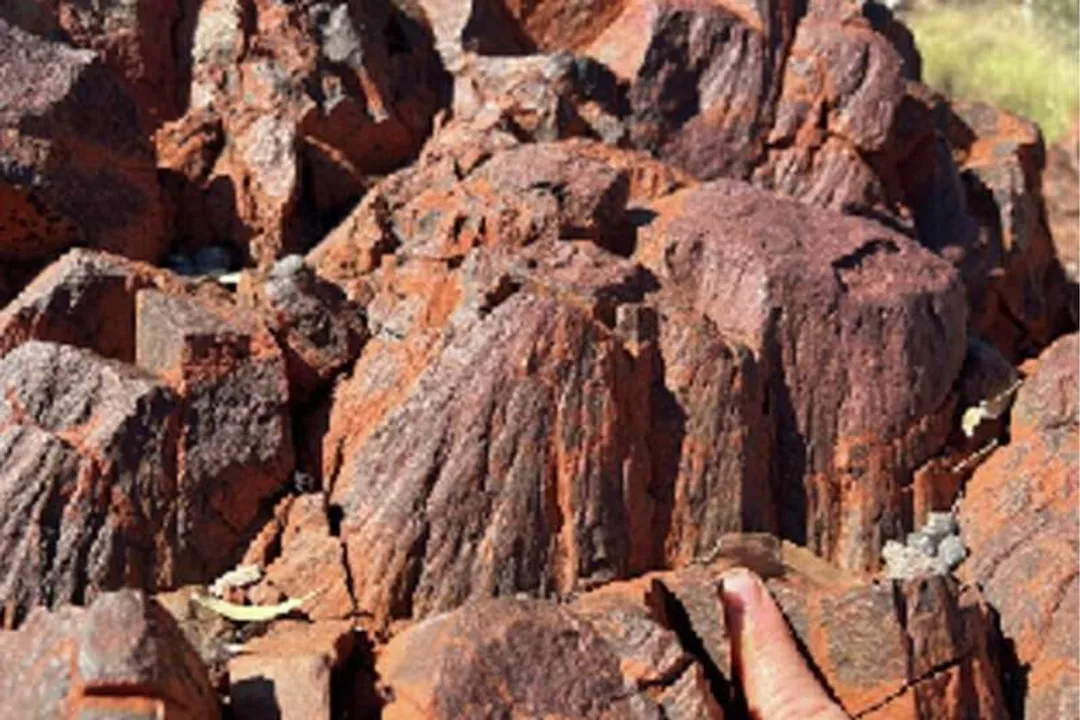
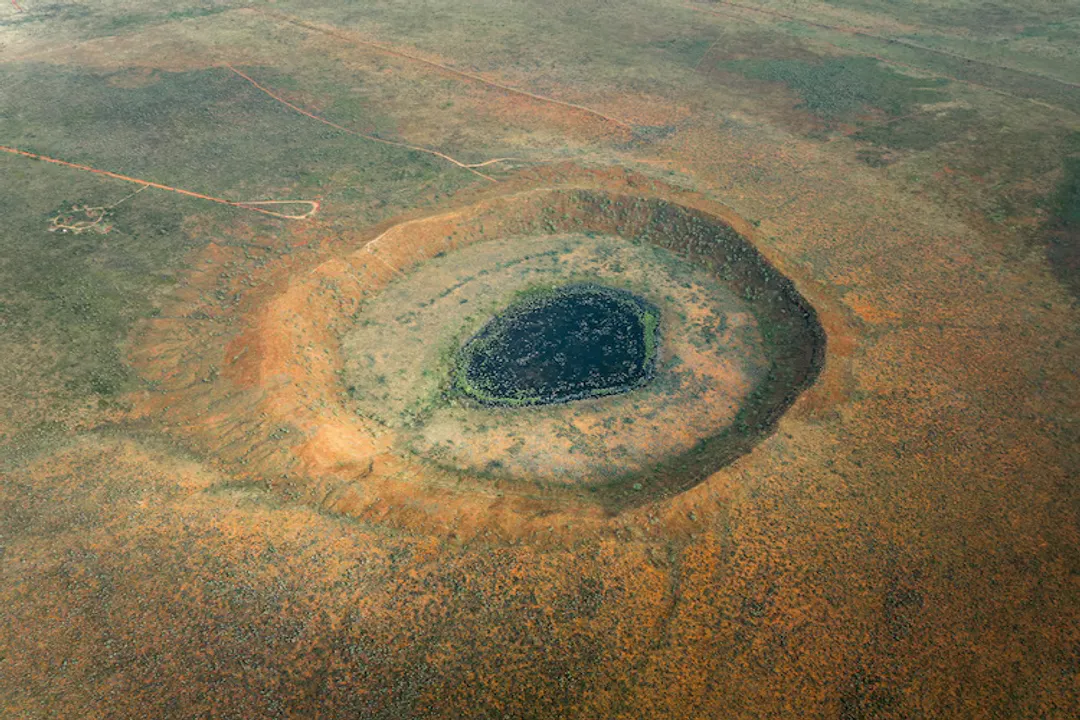
The Yarrabubba structure is not immediately obvious on the surface today. Erosion, tectonic activity, and the immense passage of time have worn down the landform significantly. The researchers, primarily from Curtin University and MIT, had to employ deep drilling techniques to retrieve the necessary rock samples from beneath the surface. The impact site sits within the ancient Yilgarn Craton, an extremely stable block of the continental crust in Western Australia. While the eroded remnant is all that remains, the geological signatures embedded deep within the rock confirmed its origin as a massive meteorite strike.
# Zircon Clues
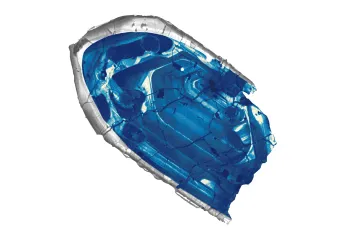
The method used to definitively date the impact represents a significant advance in planetary science. Scientists focused on microscopic mineral grains called zircon found within the impact breccia—rock shattered and melted by the impact shockwave. Zircon crystals are renowned for their ability to lock in the chemical and thermal history of the rock they form in. When the intense pressure and heat of the impact occurred, existing zircon crystals were vaporized, and new ones crystallized from the melt very quickly.
The research team utilized highly precise uranium-lead dating techniques on these newly formed zircons. Because the rock material itself could have been much older—some of the original granite in the area dates back billions of years—it was critical to isolate the material formed during the impact event. The age determined from these shocked, impact-generated zircon grains—around 3.26 billion years—provides a reliable minimum age for the strike. This process successfully isolated the moment of collision from the preceding geological history of the host rock.
# Crater Size
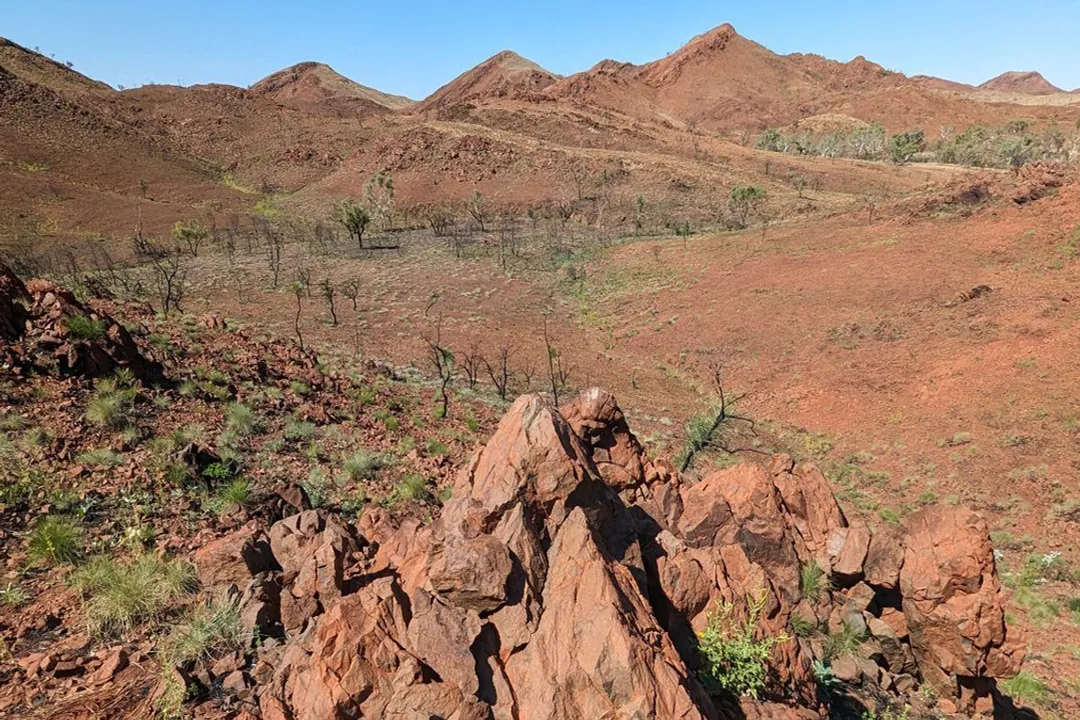
Estimating the original dimensions of an ancient, heavily eroded structure is challenging, but the analysis suggests Yarrabubba was a truly colossal event. Based on the distribution and composition of the shock features found in the recovered rocks, the initial crater diameter is estimated to have been approximately 70 kilometers (about 43 miles) across.
To put that immense scale into perspective, one can consider that Yarrabubba’s estimated diameter is comparable to the size of the modern city of Perth, where the research institution that discovered it is based. This impactor struck with incredible force, releasing energy estimated to be equivalent to a blast of 20 million megatons of TNT. Such a massive impact would have caused widespread devastation across the landscape of the time.
# Ancient Bedrock
The location of Yarrabubba within the Yilgarn Craton is important to understanding why this structure survived while others from that era might have vanished entirely. Cratons are the oldest, most stable sections of continental crust on Earth, having resisted major deformation for eons. This inherent stability meant that the deep rock layers containing the impact evidence remained relatively intact, even as billions of years of surface erosion stripped away the actual crater rim and ejecta blanket. The research, led by scientists like Antony Bekker, involved analyzing material drilled from depths reaching hundreds of meters to reach the signature impact melt rock. It is this preservation of deep seismic markers, rather than surface topography, that defines the structure today.
# New Timeline
The recognition of Yarrabubba pushes the known timeline for major, large-scale impacts back significantly. Prior to this finding, the accepted record holder for the oldest confirmed impact structure was often considered to be the Sudbury structure in Ontario, Canada, which dates to about 1.85 billion years ago.
The difference in age is striking: Yarrabubba is almost twice as old as the structure previously holding the record. This revision directly impacts our understanding of the Late Heavy Bombardment (LHB) period, though Yarrabubba predates the main LHB phase commonly studied. The existence of a 70 km impact crater at 3.26 billion years ago demonstrates that Earth experienced severe bombardment events much earlier than models traditionally accounted for. This suggests that the early solar system was ejecting planet-destroying objects toward the inner planets well before the commonly assumed timeframe for the most intense bombardment phase.
# Evolving Record
The history of identifying the oldest crater is constantly being revised as analytical techniques improve and geologists search deeper into ancient terrains. Before the detailed zircon analysis became common, identifying impact structures often relied on finding classic shock features like shatter cones or extensive ejecta blankets. However, over geological timescales spanning billions of years, these surface features are almost entirely erased by plate tectonics and weathering.
The Yarrabubba discovery highlights a critical shift in methodology: the focus has moved from searching for the shape of a crater to reading the history recorded within the deep bedrock that survived the event. This implies that there could be even older, more heavily eroded impact sites hidden within other ancient cratons globally, provided scientists can locate the precise, shock-metamorphosed zircon crystals needed for dating. The research itself serves as a model for future investigations into Earth's earliest violent encounters with space debris. Future work will likely involve applying this precise zircon dating technique to other ancient, ambiguous circular geological features around the world.
Related Questions
#Citations
Yarrabubba impact structure - Wikipedia
World's oldest impact crater found, rewriting Earth's ancient history
New record for oldest impact crater on Earth - EarthSky
3.5 billion-year-old crater created by meteorite impact found in ...
Earth's Oldest Crater May Have Jumpstarted Life - Popular Mechanics
Earth's oldest asteroid crater found... (BBC News) - NCBI
Scientists have discovered the world's oldest known meteorite ...
Scientists discover Earth's oldest impact crater in Australia - Space
World's oldest meteorite impact crater found, rewriting Earth's ...