How many years of iron are left on Earth?
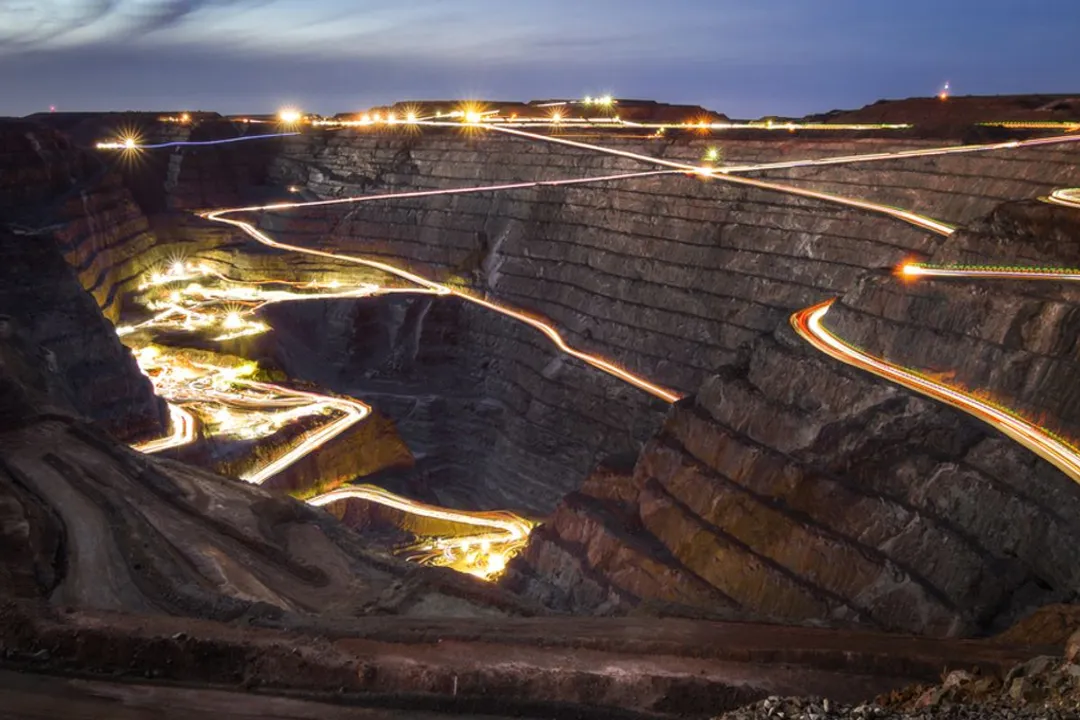
The immense scale of global construction and manufacturing means that the Earth’s fundamental building blocks, particularly iron, are being extracted at an astonishing pace. This reality naturally leads to discussions about longevity and scarcity concerning this vital metal, which forms the basis of nearly all modern infrastructure through its processed form, steel. [2][3] While it is a metal that makes up a large fraction of the planet’s total mass, the economically accessible supply on the surface is a different matter entirely.
# Consumption Timelines
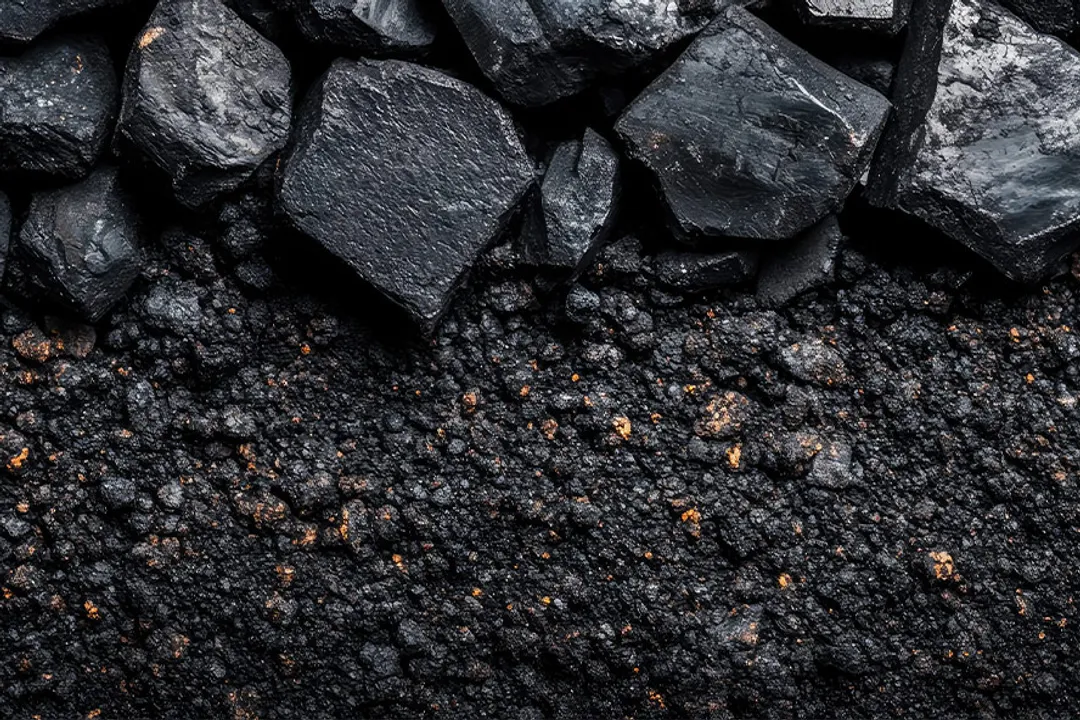
Estimates for how long accessible iron ore reserves will last vary, largely depending on the assumptions made about future consumption and what counts as a "reserve." One frequently cited figure suggests that at current rates, the world has only about 95 years of iron ore left. [1] This projection is based on the sustained high demand for steel production globally. [3] However, defining that 95-year limit requires careful consideration of terminology, as reserves are not the same as total geologic resources. [2] The longevity calculation is inherently a moving target, intimately linked to the growth or stabilization of global industrial activity. [3] If consumption accelerates due to developing economies increasing their infrastructure buildout, that estimated lifespan shrinks considerably. [1]
# Reserves Versus Resources

Geoscientists and mining analysts distinguish between what is categorized as a reserve and what is considered a resource. [5] Reserves are defined as the portion of an identified resource from which future economic extraction is justified under current economic conditions and operating costs. [5] In contrast, resources include all known deposits, even those that are currently too deep, too low-grade, or too expensive to mine profitably. [5] For example, in the early 2010s, the world’s measured iron ore reserves were estimated at around 150 billion tonnes. [5] To put that number into perspective, if we consider the yearly global production of iron ore, which was around 2.5 billion tonnes in 2012, the 150 billion tonne reserve estimate yields that approximately 60 years of supply if production remained flat at that 2012 level. [5] This highlights that the 95-year figure likely incorporates more recently identified reserves or slightly different consumption models. [1][3] The sheer volume of iron in the Earth's crust—it is the fourth most abundant element—is not the limiting factor; the limiting factor is the concentration that can be economically processed into steel. [6]
When comparing specific resource estimates, it is interesting to note that certain regions hold massive quantities. For instance, in 2014, a significant geological survey indicated that the Earth contained an estimated 3.5 trillion tonnes of iron in its crust, though this represents the total elemental presence, not just mineable ore. [7]
My own quick analysis of these figures reveals a critical dependency: if annual production were to drop by just 20% from the 2.5 billion tonnes figure (to 2.0 billion tonnes), the lifespan of the 150 billion tonne reserve extends from 60 years to 75 years. This simple reduction shows how sensitive the "run-out date" is to minor shifts in industrial output, which is why expert consensus is so variable. [1][3]
# Geological Footprint
Understanding where iron comes from adds crucial context to discussions about its longevity. Most of the world’s commercially mined iron ore originates from Banded Iron Formations (BIFs). [4][9] These formations are ancient geological structures, predominantly dating back over 1.3 billion years. [9] They represent a massive event in Earth’s history when oxygen first began to accumulate in the atmosphere, causing dissolved iron in the oceans to precipitate out as iron oxides. [4][8] These deposits, like the vast ones found in Western Australia, are immense, often containing billions of tonnes of iron-rich rock. [9] The scale of these formations implies a vast historical reservoir, but the challenge remains extracting the high-grade material economically. [8]
The chemical makeup is also important. Iron ore must be concentrated enough to be worthwhile. Hematite, an iron oxide with an iron content that can reach 70%, is highly sought after. [5] Magnetite is another key ore, often requiring more intensive processing, such as magnetic separation, to concentrate the iron content before smelting. [5] The existence of these colossal, ancient formations confirms that the supply exists geologically, but the ease of access is continually decreasing as easily accessible, high-grade deposits are depleted. [4]
# Production Dynamics
The current landscape of iron ore production is dominated by a few key players and large-scale operations. [7] Iron ore is not just used for construction steel; it is fundamental to nearly every manufactured metal product. [6] Australia, for example, is a dominant producer, with its massive deposits being central to global supply. [7][9] Iron ore itself is a bulk commodity, meaning that transportation costs and proximity to markets heavily influence which deposits are considered economically viable reserves at any given time. [2]
The material's role in infrastructure development in major economies directly dictates demand. When infrastructure spending slows, the pressure on iron ore prices and mining rates eases, potentially extending the "economic life" of marginal deposits. [3] Conversely, periods of rapid global development mean these deposits are drawn down faster. [1]
Here is a simplified comparison of typical iron ore classifications:
| Ore Type | Typical Iron Content (Approximate) | Processing Requirement |
|---|---|---|
| Hematite | Up to 70% | Relatively low; direct smelting feasible |
| Magnetite | 25–35% (must be concentrated) | Higher; requires magnetic concentration |
| Limonite | Lower grade, often hydrated | Significant beneficiation needed |
| Taconite (a type of BIF) | Variable | Often requires complex processing |
# Managing Scarcity
If the world were to truly face the exhaustion of easily accessible, high-grade iron ore, the consequences would be significant, fundamentally challenging the backbone of modern society. [6] Running out of affordable iron ore would mean that infrastructure maintenance and expansion would become prohibitively expensive. [2] This isn't a sudden cliff edge, but rather a gradual increase in the cost of steel as miners are forced to process lower-grade ores or move to deeper, more remote locations. [2]
One crucial countermeasure is recycling. Steel is incredibly well-suited for recycling, and this is where genuine long-term sustainability lies. [2] Scrap steel can be melted down and reused almost indefinitely without significant loss of material quality, unlike some other materials. [6] An original perspective to consider is that the total amount of iron on Earth isn't changing, only its location and concentration. As primary extraction becomes harder, the economic incentive to develop more efficient, lower-energy methods for recovering iron from slag heaps, old landfills, and demolished structures will naturally increase. Therefore, the lifespan of usable iron on Earth is far longer than the lifespan of mineable ore, provided society invests in the necessary recovery infrastructure and technology. [2] The challenge then shifts from geology to materials science and waste management.
The definition of what is depletable also needs to be framed around quality. If steel production requires an average of 60% iron content in the feedstock to be economically viable, then any ore concentration falling below, say, 30% might as well be considered non-existent until technology or price shifts change that calculation. [5] This dynamic classification of resources means that while 95 years is a stark warning based on current economic parameters, geological exploration continues to add new, high-grade targets, even if on a smaller scale than the ancient BIFs. [9]
# Future Outlook
The path forward involves a two-pronged approach: optimizing the use of what we have and drastically improving recovery. [2] Given that iron ore deposits, particularly the massive BIFs, are geological relics from an ancient, oxygen-poor Earth, we will not see new formations of similar magnitude created in the near future. [4][9] This reinforces the need for careful stewardship of existing reserves. While the element itself is abundant, the readily available, high-purity source material that makes modern steel cheap is finite. [6] The question, therefore, becomes less about if we will stop mining iron and more about when recycling and secondary sources will become the dominant input for the global steel industry. [2] This transition away from primary extraction is perhaps the most significant long-term consideration stemming from these depletion forecasts. [1][3]
Related Questions
#Citations
Only 95 years of Iron ore left? : r/collapse - Reddit
How Much Iron is Left, Will We Run Out, and What Happens if We Do?
At current rates of consuption, how long will Earth's iron ore last for ...
A billion-year shift in the formation of Earth's largest ore deposits
How Many Years of Iron Ore are Left? - AZoMining
What Minerals And Metals Might Humans Deplete On Earth?
Earth's largest iron ore deposit may have formed later than thought
Iron - Geoscience Australia
Earth's largest iron ore deposits exposed a 1.3-billion-year-old ...