How do Earth's systems support life on Earth?
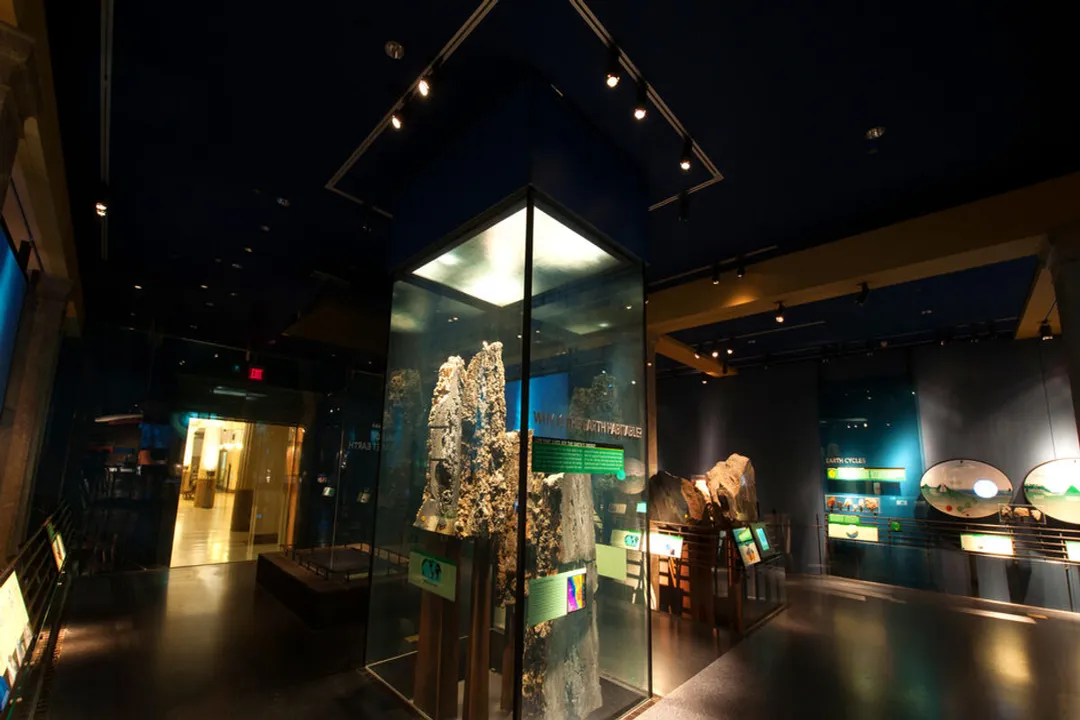
This planet sustains life through a complex, dynamic interplay of interconnected components operating on scales from the microscopic to the planetary. Life on Earth does not exist in isolation; it is entirely dependent on the continuous cycling, exchange, and regulation performed by the planet’s various spheres working in concert. [1][8] Without the mechanisms that govern our atmosphere, the presence of liquid water, the cycling of materials within the crust, and the influence of living organisms themselves, Earth would likely resemble other, barren celestial bodies. [2] Understanding how these systems function together is fundamental to appreciating the unique nature of our home. [8]
# Major Components
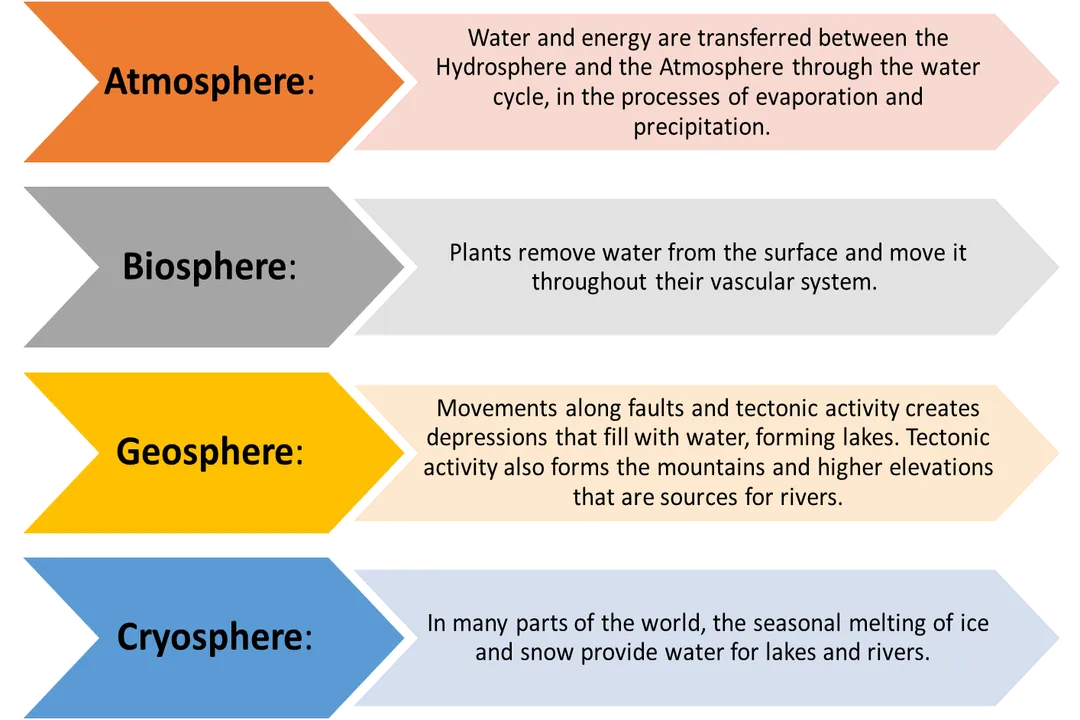
Earth is often described as being made up of four major, interactive systems, or spheres, which constantly exchange energy and matter. [1][5][9] These are the Atmosphere, the layer of gases surrounding the planet; the Hydrosphere, which includes all the water in liquid, solid, and gaseous forms; [3][5] the Geosphere, encompassing the solid Earth, including the crust, mantle, and core; [5] and the Biosphere, which is the sum of all living things and their environments. [1][5][9] The interaction between these components is what maintains conditions suitable for life. [8] For instance, the Biosphere is intrinsically linked to the Hydrosphere, as life requires water, and life processes, like photosynthesis, actively change the composition of the Atmosphere. [1]
# Water Essential

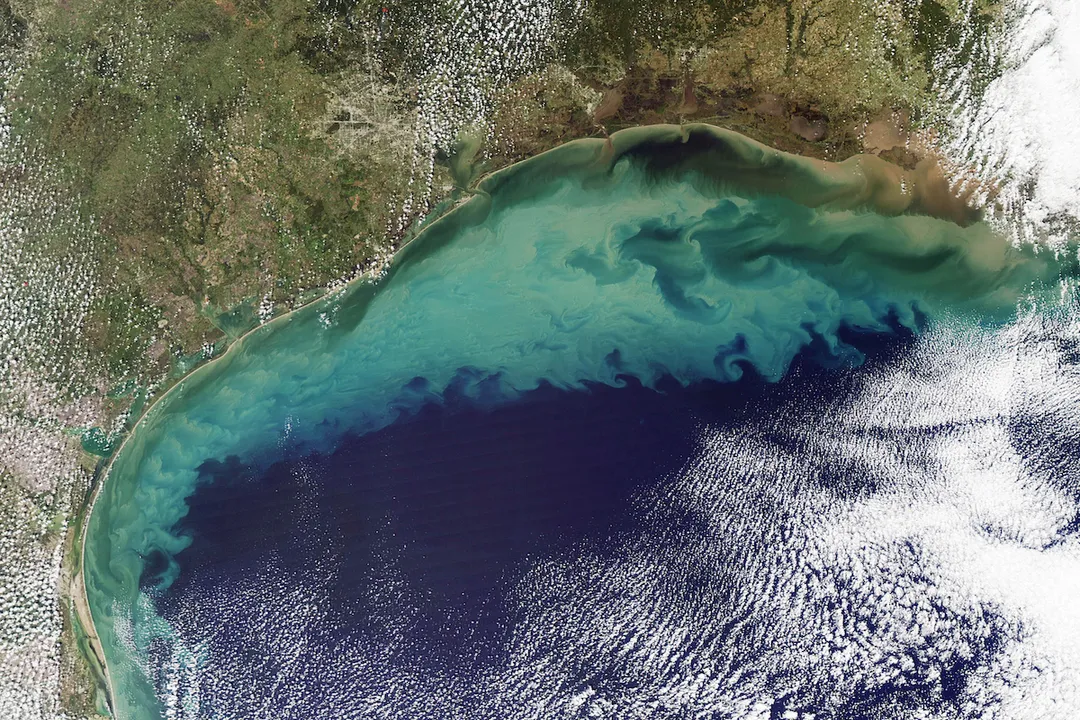
The presence of liquid water is perhaps the most defining feature that allows Earth to support life as we know it. [2][7] Water, in its various states—ice, liquid, and vapor—is the central component of the Hydrosphere. [3] This sphere is vast, covering about 71% of the Earth’s surface with oceans, lakes, rivers, and groundwater. [3] It is also present in the atmosphere as water vapor and in the geosphere as ice and snow. [3][5]
Water’s unique chemical properties make it an unparalleled solvent, meaning it can dissolve more substances than any other liquid. [2] This solvent action is essential because it allows chemical nutrients and materials necessary for biological processes to be transported throughout the environment and into living cells. [2] Furthermore, water has a very high specific heat capacity. [2] This characteristic allows large bodies of water, like the oceans, to absorb enormous amounts of heat energy without drastically changing their own temperature. [2] This acts as a global thermostat, moderating temperature extremes across the planet, which is vital because many biological processes are sensitive to temperature fluctuations. [2][7] When water evaporates, it stores a significant amount of solar energy, which is released when it condenses into clouds or rain, helping to redistribute heat from the tropics toward the poles. [3]
# Protective Blanket
The Atmosphere, a shell of gases, serves multiple protective functions essential for habitability. [2][7] It is composed primarily of nitrogen () and oxygen (), with trace amounts of argon and carbon dioxide (). [7] The presence of sufficient oxygen is non-negotiable for the respiration of most complex life forms. [7]
One of the Atmosphere’s most critical tasks is temperature regulation. While it allows solar energy to pass through, it also traps some of the outgoing longwave radiation, a phenomenon often called the greenhouse effect. [2][7] Naturally occurring greenhouse gases like water vapor and carbon dioxide create a blanket that keeps the Earth significantly warmer than it would be otherwise—about warmer, in fact, preventing the planet from freezing solid. [2] Without this insulating layer, surface temperatures would drop too low for liquid water to persist. [7]
Beyond thermal regulation, the atmosphere provides a physical shield. It burns up most incoming meteors before they can strike the surface, preventing frequent, catastrophic impacts. [2] The upper layers also contain the ozone layer, which absorbs much of the sun’s harmful, high-energy ultraviolet (UV) radiation, preventing it from sterilizing the surface environment. [2]
# Dynamic Interior
The Geosphere provides the physical foundation for all surface life and drives essential biogeochemical cycles. [5] While we live on its surface, the processes occurring deep within the Earth are intrinsically linked to surface conditions. [8] For example, volcanic activity releases gases that contribute to the atmospheric composition, including water vapor and , which are essential for the carbon cycle and atmospheric insulation. [2]
Plate tectonics, the movement of the Earth's rigid outer layer, is a slow but powerful process driven by heat convection in the mantle. [2] This movement is vital for recycling materials over geological timescales. Over millions of years, plate tectonics helps regulate the amount of in the atmosphere through processes like the weathering of silicate rocks and subduction zones. [2] This long-term feedback loop helps prevent the atmosphere from becoming overloaded with carbon dioxide, which could lead to a runaway greenhouse effect, similar to what is observed on Venus. [2] The very continents and ocean basins upon which the Hydrosphere and Biosphere interact are shaped by this internal dynamism. [2]

# Life's Footprint
The Biosphere is not merely a recipient of the planet’s support; it is an active, modifying component of the Earth System itself. [1][4] Life fundamentally alters the other spheres to make them more hospitable for itself. [4] The most dramatic historical example is the Great Oxidation Event, where early photosynthetic organisms drastically changed the atmospheric chemistry by producing massive amounts of free oxygen, paving the way for complex animal life. [1] Today, processes like respiration, decomposition, and photosynthesis continuously cycle carbon, nitrogen, and oxygen between the atmosphere, hydrosphere, and geosphere. [1]
The Biosphere also influences the Geosphere and Hydrosphere through biological weathering and soil formation. [8] Plant roots break down rock, creating soil, and the organic matter in that soil affects water retention and nutrient availability. [8] A dense forest canopy, for instance, slows down rainfall, allowing more water to soak into the ground rather than immediately running off the surface, which mitigates erosion. [1]
# System Interaction
The true genius of Earth's life support lies not in any single sphere, but in the coupling between them. [8] Scientists studying these systems focus on the interfaces—where spheres meet and interact—because that is where the greatest regulatory work happens. [1][4] For instance, the exchange of water vapor between the Hydrosphere and the Atmosphere drives weather patterns. [3] Similarly, the Biosphere’s interaction with the Geosphere through the cycling of nutrients directly supports ecosystem health. [8]
Consider the local water balance. When a large area of forest (part of the Biosphere) is cleared, the immediate effects are seen in the soil (Geosphere) losing its ability to hold moisture and in local cloud formation (Atmosphere/Hydrosphere) potentially decreasing, leading to drier local conditions even if regional rainfall patterns remain statistically similar overall. [1] This immediate local feedback loop—where changing the surface cover alters the local energy balance and evapotranspiration rates—demonstrates how quickly changes in one sphere can cascade through the others, often leading to shifts in habitability at the micro-level. [6]

# Fine Balance
Earth maintains its life-supporting state because it resides within the Sun’s habitable zone, where temperatures allow for persistent liquid water on the surface. [2][7] However, habitability is also a matter of regulation provided by the systems themselves, not just location. [2] The interplay between the atmosphere’s composition and the oceans’ buffering capacity keeps surface temperatures within a manageable band. [2][7] This equilibrium is delicate. Life itself, through the carbon cycle, has helped fine-tune the atmospheric levels over billions of years to maintain this stability. [2]
For observers on the ground, recognizing this fine balance translates into understanding local resilience. When we look at a local stream system, for example, we can gauge the health of the surrounding land by how quickly the water clarity recovers after a heavy rain event. If the water remains murky and silty for days, it indicates that the Geosphere (soil structure) and Biosphere (vegetative cover) are failing to adequately buffer the Hydrosphere from erosive forces, signaling a local breakdown in system support. [6] A quick return to clear water shows the integrated spheres are functioning effectively to manage the hydrological impact. [8] This local measure of system recovery—how fast the equilibrium is re-established after a disturbance—is a tangible way to assess the integrity of the life support mechanisms around us. [4]
The stability of the Earth System is a cumulative result of these ongoing, interconnected processes—the constant movement of materials, the cycling of energy, and the continuous chemical transformations mediated by life and geology working together over immense timescales. [1][8] When these systems are disturbed significantly, either by natural events or human activity, the conditions that support complex life are inevitably threatened. [6]
# Cycles Driving Life
The actual support for life hinges on the continuous movement of essential elements, which are neither created nor destroyed within the system but are perpetually recycled. [8] These biogeochemical cycles link all four spheres:
- The Water Cycle (Hydrologic Cycle): Involves evaporation, condensation, precipitation, runoff, and infiltration, moving water between the hydrosphere, atmosphere, geosphere (groundwater), and biosphere (transpiration). [3][5]
- The Carbon Cycle: Carbon moves between the atmosphere (as ), the oceans (dissolved carbonates), the geosphere (rocks), and the biosphere (organic compounds). [1] Photosynthesis removes from the air, while respiration and decomposition return it. [1]
- The Nitrogen Cycle: While most of the atmosphere is nitrogen, most life cannot use it directly. Bacteria in the soil and water (Biosphere/Geosphere interaction) are necessary to fix atmospheric nitrogen into forms usable by plants. [8]
These cycles ensure that the raw materials required for metabolism and growth are continuously available, preventing the essential building blocks of life from becoming permanently locked away in unusable reservoirs. [8] The Geosphere slowly weathers rocks to release minerals, which the Hydrosphere transports to the Biosphere, where they are incorporated into living matter, eventually returning to the soil or ocean floor upon death. [8]
# Sustaining Energy Flow
While material cycling is vital, the entire system is powered by an external energy source: the Sun. [2] The Earth system is an open system regarding energy; it constantly receives solar radiation. [1] This influx of energy drives the atmospheric and oceanic circulation, powers photosynthesis—the base of almost every food web—and fuels the water cycle through evaporation. [2][3] If the energy input were to change significantly, the delicate temperature and weather balances that rely on this energy flow would collapse. [7] The stability of Earth's orbit and the sun's consistent output are therefore foundational external conditions for life. [2]
The sheer scale of interconnectedness implies that any major alteration to one process will have cascading effects elsewhere. Understanding Earth as a system compels us to see ourselves not as separate from nature, but as an active, powerful part of its immense regulatory mechanism. [6] Maintaining the conditions that support us requires recognizing and respecting the delicate linkages among the gases we breathe, the water we drink, the ground beneath us, and the life that thrives on the surface. [4][8]
# Conditions for Life
To summarize the environmental prerequisites that the systems satisfy, Earth offers a specific combination found nowhere else nearby:
| Condition | Supporting Sphere(s) | Why It Matters |
|---|---|---|
| Liquid Water | Hydrosphere, Atmosphere, Geosphere (underground) | Essential solvent for biological chemistry. [2][7] |
| Moderate Temperature | Atmosphere (Greenhouse Effect), Hydrosphere (Oceanic Buffer) | Keeps water liquid; prevents biological processes from halting due to extreme cold or heat. [2][7] |
| Atmospheric Composition | Atmosphere, Biosphere | Provides oxygen for respiration and sufficient for plant life. [7] |
| Geological Activity | Geosphere | Recycles essential nutrients and regulates long-term atmospheric . [2] |
This careful alignment of physical conditions, maintained by the dynamic interaction of the four major spheres, defines our habitable world. [2][8] The sustained ability of Earth's systems to recycle matter and regulate energy influx is what allows biodiversity to flourish year after year. [4] The integrity of these planetary functions is not guaranteed; it requires the continuous, balanced activity of the atmosphere, hydrosphere, geosphere, and biosphere. [6]
# Understanding Impacts
Because the systems are so tightly coupled, human activities can generate disproportionate effects by pushing one sphere out of its historical range of variation. [6] For example, introducing large amounts of certain gases into the atmosphere changes its energy-trapping ability, which then influences ocean temperatures and evaporation rates in the hydrosphere, eventually affecting biological productivity in the biosphere. [6] Recognizing these systemic linkages is the basis of global change science—it moves the analysis beyond simple pollution toward understanding how a change in one part of the Earth System alters the behavior of the whole. [6][8] When we study the Earth system, we are studying the conditions necessary for our own existence and the ways in which we are currently modifying them. [4] The awareness that all these components—from the deepest mantle layer to the highest cloud—work together means that stewardship of the planet requires a perspective that honors the interconnectedness of all Earth science disciplines. [8]
Related Questions
#Citations
Earth's Systems - National Geographic Education
Why is the Earth habitable? | AMNH
About The Hydrosphere | MyNASAData
Earth's life support systems discussed in an open-access special issue
[PDF] Interactions of Earth's Systems - Accelerate Learning
Earth's systems, our impacts: Understanding global change
Why Earth Supports Life | CK-12 Foundation
BIG IDEA 3 | University of Cape Town - UCT Science
Learn About Earth's Spheres - Generation Genius