How is the planet Earth able to support life?
The capacity of our world to sustain the intricate web of life, from the simplest microbe to complex ecosystems, is not a matter of sheer chance, but a precise alignment of physical and chemical conditions that have persisted over billions of years. [2][3] This ability stems from a collection of interconnected features that separate Earth from every other known body in our solar neighborhood. [5] Simply being in the right place is not enough; Earth possesses an active geological engine, a protective gaseous layer, and the chemical prerequisites for biological activity. [1][6]
# Orbital Sweetspot

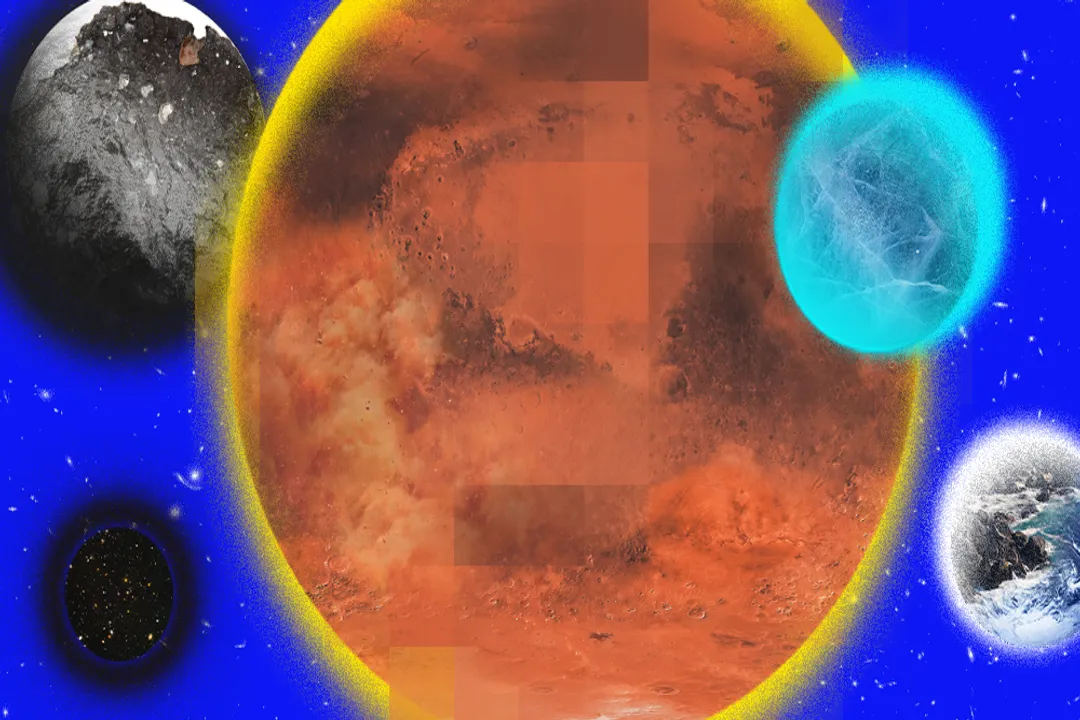
A primary requirement for supporting life as we understand it is finding the correct thermal environment, often described by astronomers as the "habitable zone" or the "Goldilocks zone". [3] This zone designates the region around a star where temperatures allow liquid water to exist on a planet's surface. [3] If a planet orbits too close to its star, any surface water boils away into space, similar to the fate of Venus. [3] If it orbits too far out, like Mars, any water freezes solid. [3] Earth maintains its position within this narrow band relative to the Sun. [3][5]
The Sun itself plays a critical role here. Earth orbits at approximately $1$ Astronomical Unit () from the Sun, receiving just the right amount of energy input to maintain surface temperatures conducive to liquid water. [5] This orbital distance dictates the planet's equilibrium temperature, which is a foundational constraint for habitability. [3] This positioning is so critical that even minor shifts could drastically alter the planet's climate, perhaps boiling the oceans or freezing them solid over geological timescales. [3]
It is worth noting that the precise definition of the habitable zone is complex; it is not just about distance, but also about the planet's atmosphere, which can trap heat (the greenhouse effect) or allow it to escape. [3] However, Earth's initial distance set the stage for its atmosphere to become an effective moderator rather than a runaway heat trap, distinguishing it from our scorching neighbor, Venus. [3][5]
# Water Essential
The presence of liquid water is perhaps the most universally cited necessity for life as we know it. [1][6] Water acts as an exceptional solvent, meaning it dissolves many substances, allowing chemical reactions—the basis of metabolism—to occur easily within cells. [1] Without this fluid medium, the complex organic molecules necessary for life cannot mix, interact, and build the structures required for self-replication and energy transfer. [1]
Earth has an abundance of water, locked in its oceans, which cover about $71%$ of the surface. [6] The state of this water—liquid—is directly tied to the planet's distance from the Sun and the pressure provided by its atmosphere. [1][3] Furthermore, water plays a substantial role in regulating global temperatures through ocean currents, distributing heat around the globe and preventing extreme thermal swings between day and night or between the equator and the poles. [6]
Consider the implications of its dual role: Earth maintains a surface temperature that keeps a vast reservoir of in its liquid phase, while also having polar ice caps and atmospheric vapor, indicating a natural global thermostat is functioning correctly. [6] If Earth were slightly cooler, the oceans might freeze over entirely, leading to a "Snowball Earth" scenario, which, while potentially recoverable, would drastically halt the evolution of surface life for extended periods. [6]

# Gaseous Blanket
Earth's atmosphere is not just a passive envelope of air; it is an active, protective, and life-sustaining component. [6] It serves multiple vital functions, acting as a thermal blanket, a shield against radiation, and a reservoir for necessary gases. [1]
One crucial function is atmospheric pressure. The gaseous layer above the surface creates enough pressure to keep water in its liquid state, even at temperatures near or slightly above the boiling point, further safeguarding the solvent necessary for biology. [1]
Perhaps even more critical is the protection the atmosphere offers from space. It intercepts harmful high-energy radiation, such as ultraviolet () rays, and a large portion of incoming meteoroids. [6] The ozone layer, a region within the stratosphere, absorbs most of the Sun's damaging radiation, preventing it from sterilizing the planet's surface. [6] Smaller particles burn up upon entry, creating the familiar sight of meteors, thereby preventing constant bombardment by space debris. [6]
The composition of the atmosphere is also directly relevant. While the current atmosphere is dominated by nitrogen () and oxygen (), the presence of free oxygen—a highly reactive gas produced by early life forms through photosynthesis—is essential for the energy processes of complex aerobic organisms. [6] This reactive gas is constantly replenished, preventing it from being locked away in surface rocks, a testament to ongoing biological activity that maintains the atmospheric chemical balance. [6]
# Planetary Dynamics
Life requires more than just surface conditions; it depends on the engine running deep beneath our feet. Earth is differentiated into a core, mantle, and crust, and this internal structure drives critical surface processes like plate tectonics. [1] Tectonics, the movement of the crustal plates, is essential for recycling materials over geological timescales. [1]
Plate tectonics acts as a planetary thermostat through the carbonate-silicate cycle. [1] This cycle involves the slow weathering of silicate rocks on land, which draws carbon dioxide () from the atmosphere, transporting it via rivers to the oceans, where it eventually gets locked into carbonate sediments. [1] Volcanic activity, associated with plate boundaries, then releases this back into the atmosphere. [1] This long-term feedback loop maintains a relatively stable level of greenhouse gas, preventing the climate from either plunging into a deep freeze or overheating due to excessive accumulation. [1]
The internal heat also generates Earth's global magnetic field, the magnetosphere. [6] Generated by the movement of molten iron in the outer core—a process called the geodynamo—this field extends into space and deflects the solar wind, which is a continuous stream of charged particles emanating from the Sun. [6] Without this magnetic shield, the solar wind would slowly strip away the atmosphere over millions of years, much like what is believed to have happened to Mars. [6] The magnetic field is the invisible boundary keeping our vital atmosphere intact. [6]
One fascinating aspect that is often overlooked when discussing habitability is the speed of these internal processes. While the carbonate-silicate cycle operates over hundreds of thousands of years, providing long-term climate stability, the magnetosphere acts on human timescales, needing constant churning in the core to remain strong. [6] The Earth’s relatively large size, which allows it to retain sufficient internal heat for this prolonged activity, is a key factor when comparing it to smaller, geologically dead bodies like Mars.

# Chemical Building Blocks
The physical location and planetary machinery are only half the story; life also requires the right raw materials. [1] The universe is primarily composed of hydrogen and helium, but life on Earth relies on a specific suite of heavier elements, often summarized by their acronyms or positions on the periodic table. [1][6]
The essential elements for life include Carbon (), Hydrogen (), Nitrogen (), Oxygen (), Phosphorus (), and Sulfur (). [6]
- Carbon (): The backbone of all known organic molecules, due to its ability to form four stable bonds, creating long, complex chains. [1]
- Hydrogen () and Oxygen (): Primarily delivered through water (), these form the solvent and are critical for energy transfer. [1]
- Nitrogen (): A key component of proteins and nucleic acids (DNA/RNA). [1]
- Phosphorus (): Essential for the structure of DNA and , the cell's energy currency. [1]
- Sulfur (): Found in various amino acids and proteins. [1]
The key insight here is that Earth is made of materials forged in previous generations of stars—these heavier elements, called "metals" by astronomers, were concentrated in our solar system's formation region. [6] Earth has managed to retain these materials through its formation and geological history, whereas lighter elements like hydrogen and helium have largely escaped into space due to the planet's smaller mass relative to gas giants. [1]
A useful comparison of these elements against their planetary abundance might illustrate Earth's uniqueness. While hydrogen and helium dominate the universe, Earth’s composition strongly favors the rocky, metallic components rich in , , , and . [6]
| Element Class | Example Elements | Primary Role on Earth | Origin/Retention Reason |
|---|---|---|---|
| Life Essentials | , , , | Organic structure, genetics, metabolism | Concentrated during solar system formation; retained due to planetary size/gravity. |
| Solvent/Atmosphere | , , | Temperature regulation, chemical reaction medium, respiration | Retained via gravity and continuous geological/biological cycling. |
| Planetary Structure | , , | Core dynamo, mantle, crust | Formed the bulk of the rocky planet during accretion. |
This required inventory of elements, delivered and cycled efficiently over billions of years, provides the substrate upon which the origin of life itself could occur, a process believed to have happened relatively early in Earth’s history once conditions stabilized. [8]
# Future Stability
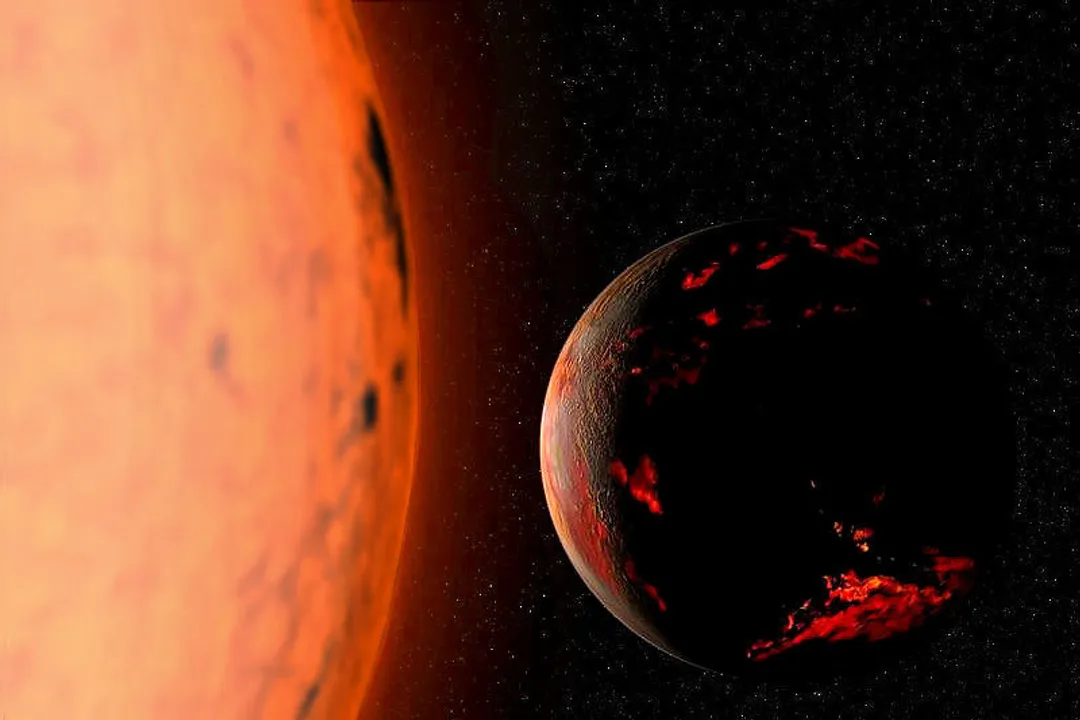
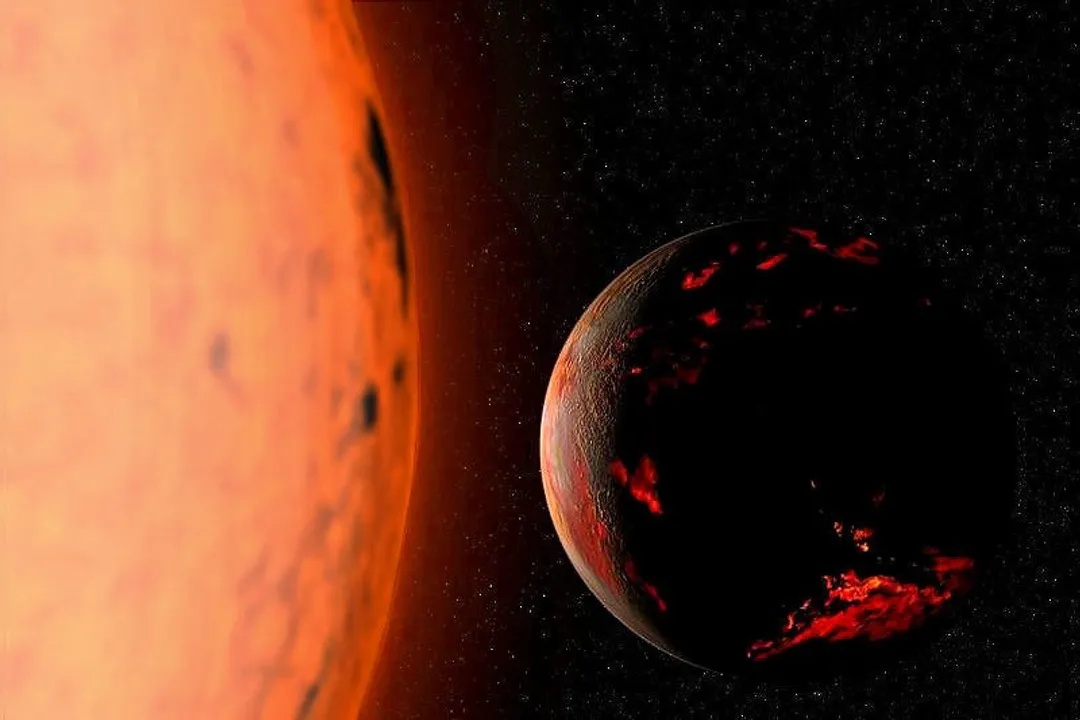
The question of how Earth supports life is intrinsically linked to how long it will continue to do so. [9] Earth’s current habitability is not guaranteed indefinitely; it is tied to the lifespan of the Sun and ongoing planetary processes. [9] The Sun is steadily increasing in luminosity as it ages, meaning that in the distant future—likely hundreds of millions to a billion years from now—Earth will become too hot, leading to a runaway greenhouse effect that boils off the oceans. [9]
Before that distant solar catastrophe, changes in Earth's orbit and the eventual loss of via the carbonate-silicate cycle (as weathering continues to draw it down) will cause global temperatures to drop, eventually leading to a permanent Snowball Earth state where life may struggle to persist outside of volcanic vents or deep subsurface environments. [9]
The current stability, however, has allowed life to diversify and, in turn, modify the environment to support its own continuation, as seen with the rise of oxygen. [6] This demonstrates that life is not just a passive beneficiary of planetary conditions but an active participant in regulating them. [6] Our planet has maintained conditions suitable for life for billions of years, a span far longer than any other world in our solar system is expected to remain so. [9]
In summary, Earth's life-supporting capacity is a delicate balancing act: it is protected from solar extremes by its orbit, buffered by liquid water, shielded by its magnetic field and atmosphere, and constantly renewed by an active, heat-driven interior that cycles essential nutrients—a rare combination that has persisted long enough for biology to take hold and thrive. [1][2][6]
#Videos
Planet Earth - What Makes It Habitable? - YouTube
Related Questions
#Citations
Why is the Earth habitable? | AMNH
Why is there life on Earth? - Bob the Alien's Tour of the Solar System
What makes a planet habitable - SEEC - NASA
Planet Earth - What Makes It Habitable? - YouTube
Why Is Earth The Only Planet In Our Solar System That Supports Life?
Why Earth Supports Life | CK-12 Foundation
Conditions That Support Life - Learn Genetics Utah
The origin of life on Earth, explained | University of Chicago News
Future of Earth - Wikipedia
Eight ingredients for life in space | Natural History Museum