How did comets help life on Earth?
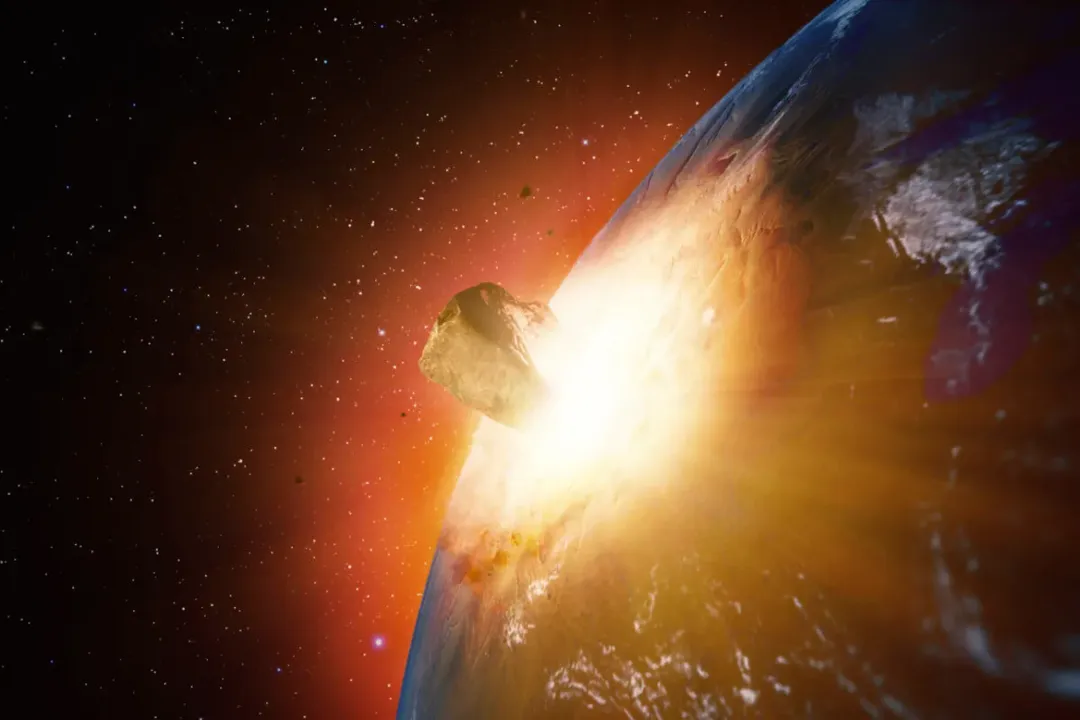
The mystery of how life first sparked on our planet remains one of science's greatest inquiries, but a compelling line of evidence suggests that the necessary raw materials arrived from the cold, dark reaches of space. Far from being mere icy dirtballs, comets may have functioned as the essential delivery vehicles, acting like cosmic storks that ferried the prerequisite components for biology across the vast expanse of the early solar system to a waiting Earth. [6] These visitors from the outer solar system offered a direct pipeline of matter that could have fundamentally shaped the chemical inventory of our nascent world. [8]
# Early Delivery
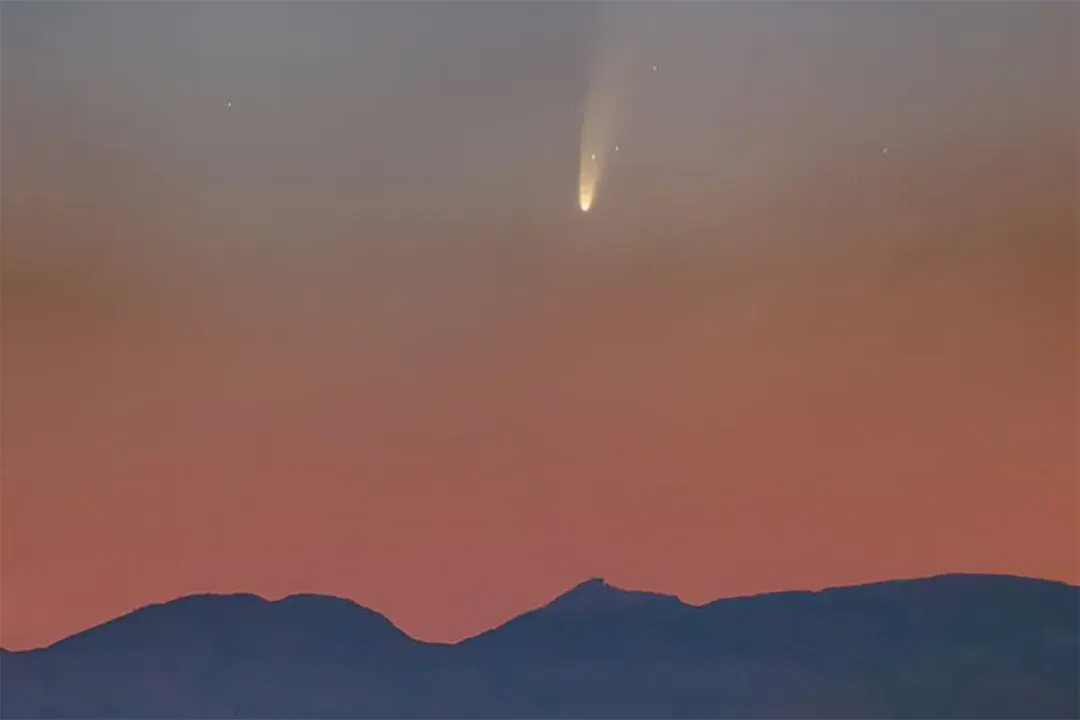
The early Earth experienced a period of intense bombardment, where impacts from space objects were commonplace. [2] While asteroids contributed to this influx, comets—which are essentially massive, dirty snowballs containing significant amounts of frozen water and various ices—were uniquely positioned to seed the planet with vital ingredients. [1][6] The material locked within these objects represents a pristine snapshot of the conditions present in the solar nebula before the planets fully formed.
# Water Delivery
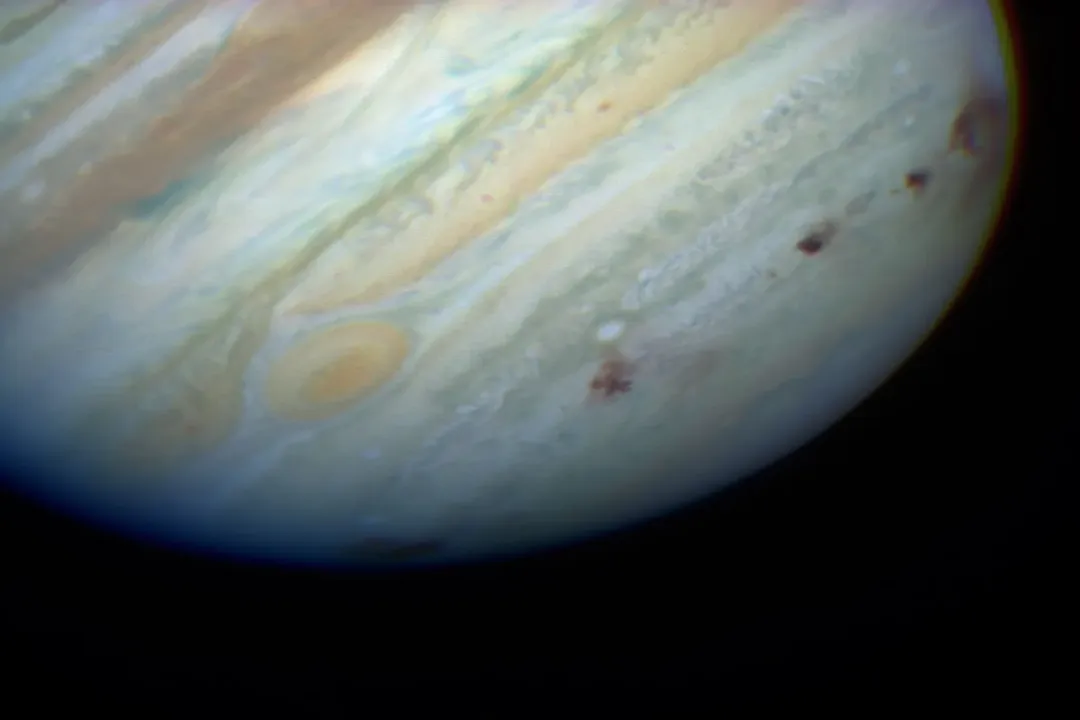
One of the most crucial components for life as we understand it is liquid water. Scientists hypothesize that comets provided a substantial fraction of Earth's surface water, particularly during the Late Heavy Bombardment period. [7] Because comets originate in the frigid outer regions of the solar system, their composition is naturally rich in water ice. [1] When these icy bodies struck the early Earth, they vaporized their contents into the atmosphere, eventually condensing to form the planet's oceans and surface water bodies. [6] While subsequent study of water isotopes in comets has complicated the exact percentage attributable solely to them, their role in replenishing or significantly boosting Earth's water budget is strongly supported. [9]
An interesting point to consider, which separates the comet contribution from that of other objects like asteroids, relates to the timing of the impacts. As the Earth cooled and stabilized following its most violent formative stage, the continued arrival of comets—which maintained highly elliptical orbits that brought them into the inner solar system—provided a sustained, relatively mild infusion of water and organics when the surface conditions were finally beginning to favor the stability of liquid water pools, rather than having the water instantly boiled away by unchecked volcanism or heat from constant major impacts. [1]
# Organic Molecules

Beyond simply delivering water, comets are thought to have imported the necessary complex organic molecules required for life to arise from non-living chemistry—a process known as abiogenesis. [2] These objects are known to harbor amino acids, which are the fundamental building blocks that link together to form proteins. [5] Finding these complex carbon-based molecules within cometary material confirms that the initial chemical complexity needed for biology did not necessarily have to form in situ on Earth, but could have been pre-formed in space.
The presence of these molecules in comets means that the early Earth did not start its chemical evolution from scratch; it received a head start loaded with functional molecular precursors. [2][5] This shifts the question from "Could life form from basic elements?" to "Could life assemble from these pre-made components?" which represents a significant difference in complexity.
# Dust Role
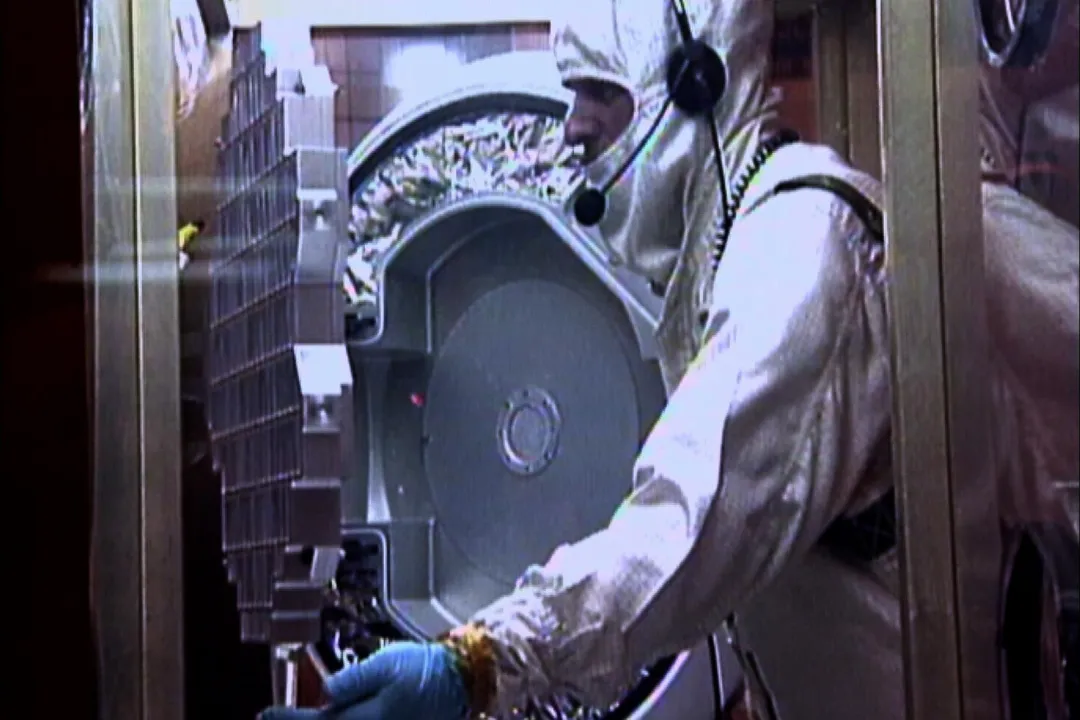
While large impacts from comets provided major deliveries of water and bulk organics, the continuous shower of finer material, known as cosmic dust, also played an important, if less dramatic, part. [3] This dust, composed of tiny particles orbiting the Sun, constantly rained down onto the Earth over billions of years. [3] These microscopic grains are also rich in organic compounds.
The contribution of cosmic dust is distinct from that of large cometary impacts. Where a major comet impact provides a massive, sudden influx of resources, the dust offers a steady, low-level background source of raw material. [3] This constant, gentle peppering might have been vital for maintaining a baseline level of complex chemistry in the early oceans and atmospheric environments, preventing the chemical environment from stagnating between major collisions. The sheer volume of accumulated dust over eons is estimated to be considerable, making its overall contribution to Earth’s elemental inventory non-trivial. [3]

# Scientific Investigation
The idea that extraterrestrial objects seeded life is not just theoretical speculation; it is actively investigated through space missions and laboratory work. For instance, research programs have analyzed the composition of materials thought to originate from comets to confirm the presence of the organic compounds needed for biology. [8] Missions like Rosetta, which studied Comet 67P/Churyumov-Gerasimenko up close, provided direct data on the composition of cometary ices and dust, helping scientists refine models of how these materials survived entry into Earth's atmosphere. [9]
The data gathered through such projects allows researchers to assess the feasibility of the cometary delivery hypothesis. By comparing the chemical makeup of comets with the hypothesized chemical needs of early life, scientists can build a more coherent picture of the processes involved in abiogenesis. [1][9]
# Synthesis
The combined evidence points to comets and other extraterrestrial debris being far more than just agents of destruction in Earth's early history; they were agents of creation. They supplied the solvent (water) and the crucial instruction sets (organic molecules) necessary for assembling the first self-replicating systems. [1][5] Life on Earth appears to be a direct beneficiary of this celestial logistics chain.
It is important to recognize that the significance of cometary delivery might lie not only in what was delivered but how it was delivered. A continuous influx of essential, pre-formed building blocks over millions of years allows for chemical systems to experiment and assemble complex structures incrementally, rather than relying on a single, perfect, high-energy event to supply everything needed simultaneously. This slow, steady input provided the foundational chemistry in an environment that was gradually becoming more habitable, creating the perfect chemical context for the transition from complex chemistry to simple biology. [8]
Related Questions
#Citations
Did comets bring life to Earth? | BBC Sky at Night Magazine
Life on early Earth could have been seeded by comets, meteorites
Cosmic Dust Could Have Helped Get Life Going on Earth
Life on Earth - NEO Basics
Comets Deliver Amino Acids to Earth | NOVA: Finding Life Beyond ...
Did icy comets serve as storks for life on Earth - University of California
How exactly did comets deliver 326 million trillion gallons of water to ...
Evidence that comets could have seeded life on Earth - Berkeley News
ESA - Where life began - European Space Agency