Did China find bacteria in space?
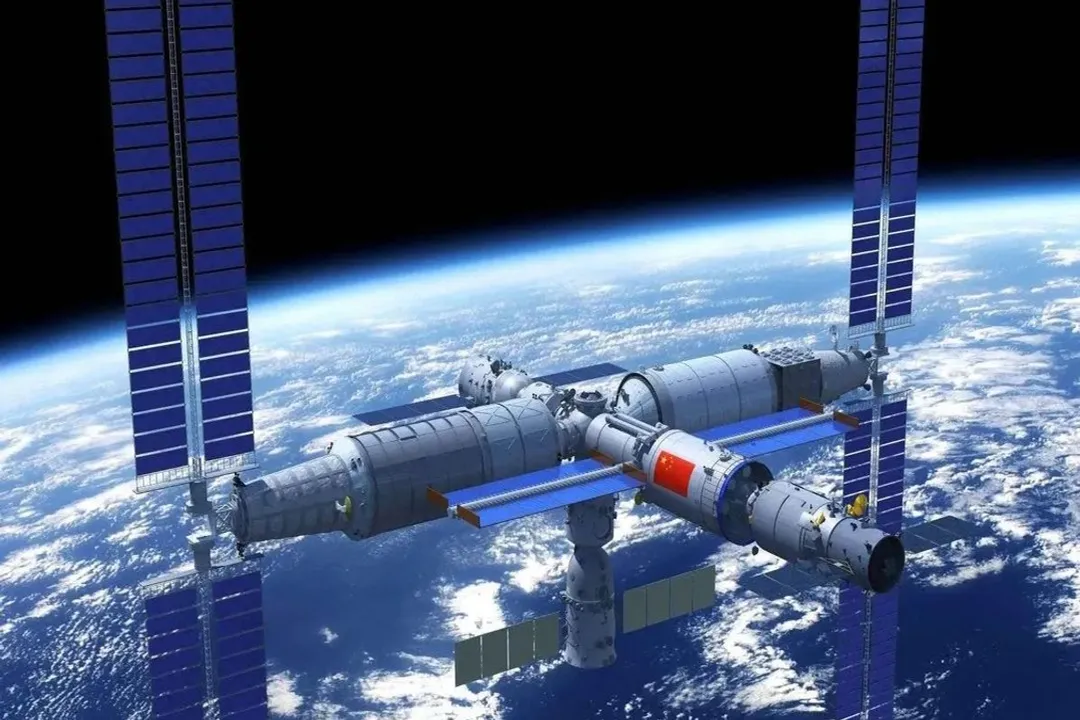
The identification of a previously unknown strain of bacteria on the exterior of China’s Tiangong space station marks a significant moment in astrobiology and space engineering. Scientists studying samples retrieved from the orbiting outpost confirmed the presence of this unique microbe, suggesting life can persist and perhaps even evolve under the harsh conditions found just outside a protective hull. [1][4][7] This finding is particularly compelling because the exterior of a spacecraft is subjected to an unforgiving environment, characterized by extreme temperature fluctuations, high levels of radiation, and the near-perfect vacuum of space. [1]
# Tiangong Samples
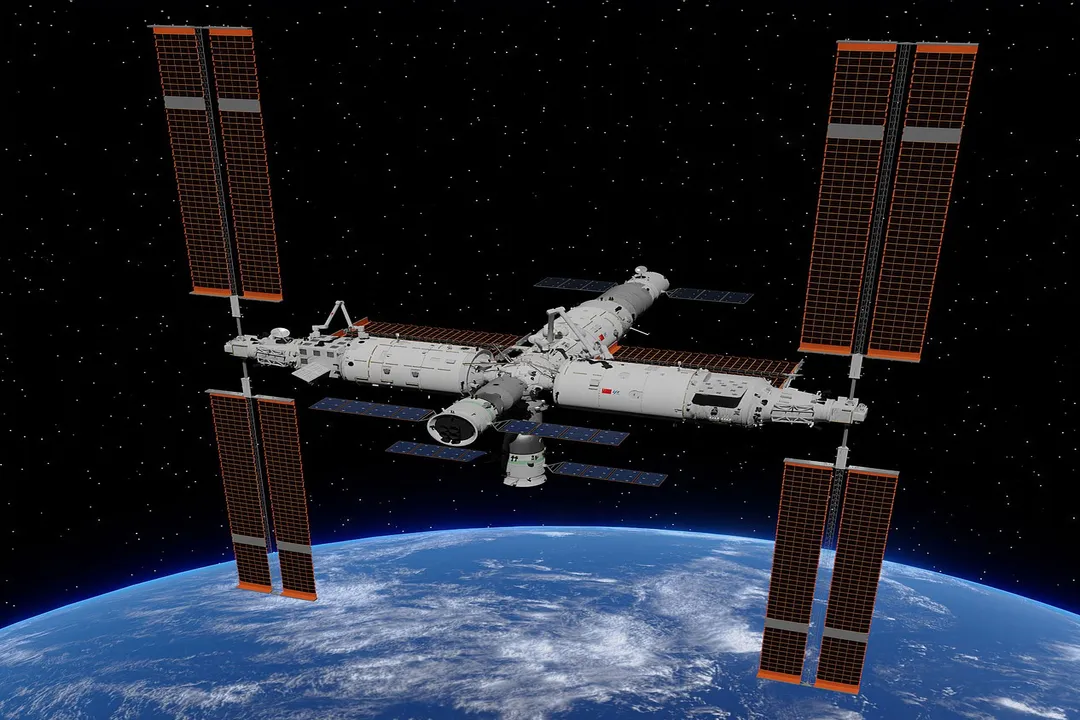
The discovery was made by Chinese researchers analyzing biological specimens collected during space missions involving the Tiangong orbital outpost. [7][8] While space agencies routinely monitor microbial life inside stations—where it is often attributed to terrestrial contamination from crew members or supplies—the focus here was on organisms found clinging to the station’s structure, exposed to the elements. [4] This external location dramatically raises the stakes regarding what these microbes have endured. [1]
The research teams successfully isolated and cultured several bacterial strains from the collected materials. [7] Among these, one specific strain stood out due to its resilience and distinct genetic makeup, prompting deeper analysis. [6][7] This isolation process, which involves retrieving samples from the station’s surface and then successfully reviving them in a lab setting, is a non-trivial step in confirming true extraterrestrial or space-adapted life, even if the original source was terrestrial in origin. [1]
# New Species
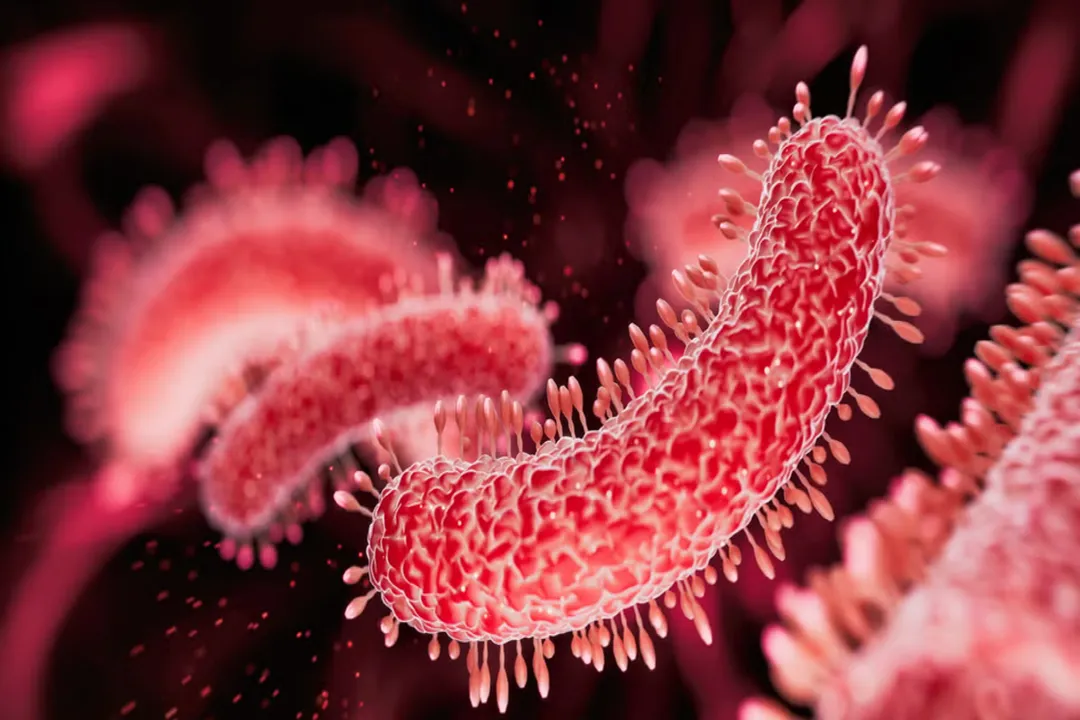
Genetically, the newly discovered organism belongs to the genus Bacillus. [1][6][7] This genus is well-known on Earth for producing hardy, dormant structures called spores, which allow many species to survive difficult conditions. [1] However, the specific characteristics of the strain found on Tiangong suggest it is more than just a resilient Earth hitchhiker. Preliminary analysis indicates it may represent a new species, one that has adapted significantly to its unique orbital existence. [4][7]
This finding echoes previous work done by Chinese scientists involving samples returned from the Moon via the Chang’e 5 lunar mission, where they also found Bacillus strains that displayed surprising survivability. [1] What sets the Tiangong discovery apart is the active environment it survived. Lunar samples have been exposed to space, but they spend most of their time shielded within rock or dust, or on the Moon’s surface where radiation is high but the vacuum is stable. [1] In contrast, the bacteria on Tiangong were seemingly enduring the daily cycles of vacuum, thermal stress, and solar/cosmic radiation bombarding the station’s hull. [1]
One important distinction to make when evaluating such findings is separating biological persistence from biological novelty. Many terrestrial bacteria, especially spore-formers like Bacillus, can remain viable for years after being subjected to the vacuum and radiation levels found in space. The critical question for researchers is whether this strain evolved a unique mechanism to deal with space, or if it is simply an exceptionally tough survivor of an Earth origin. [1] The researchers suggest that its properties place it in the category of a space-adapted microbe. [1]
# Survival Mechanisms
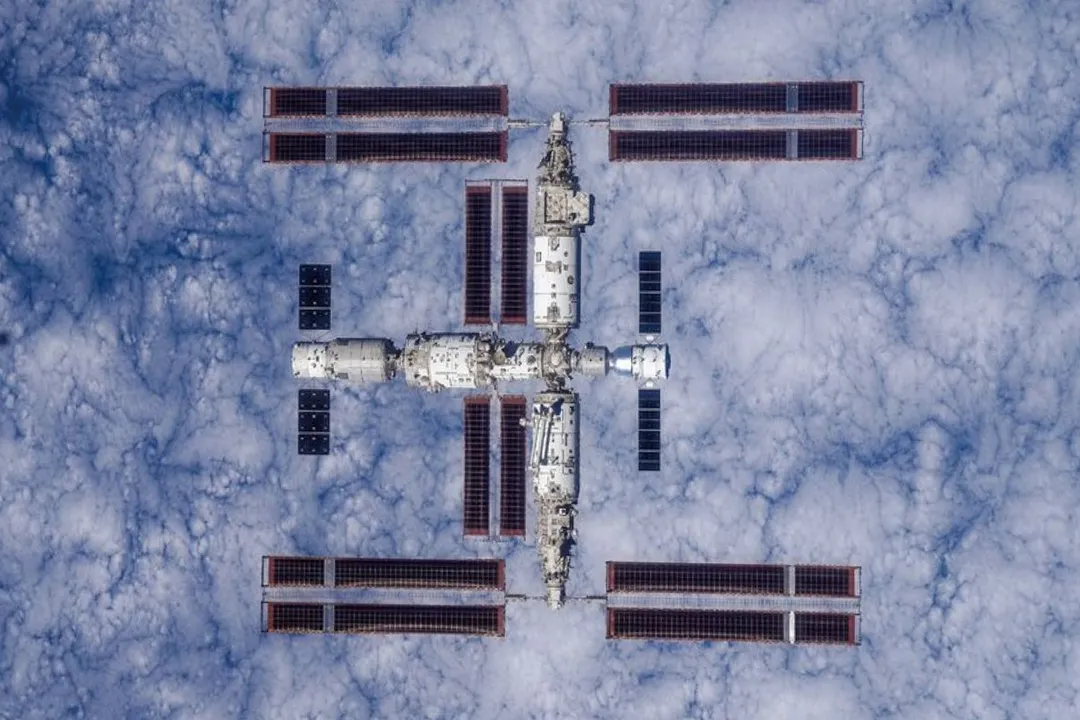
The conditions external to a spacecraft are hostile to almost all known terrestrial biology. The vacuum causes water to sublimate rapidly, and the complete lack of atmosphere means that high-energy radiation, including heavy ions from cosmic rays and solar flares, penetrates much deeper than it does on Earth. [1] This necessitates an extremely effective defense system for any organism wishing to survive long-term exposure. [1]
For the Bacillus strain found, researchers theorize that its survival hinges on highly effective DNA repair mechanisms. [1] Exposure to intense radiation causes irreparable damage to genetic material. If this organism can efficiently repair breaks and mutations caused by this energy, it secures its viability for future rehydration or metabolic activity when conditions momentarily stabilize or when it is returned to a laboratory environment. [1]
Considering the constant bombardment, a terrestrial bacterium’s immediate expectation is to enter dormancy (sporulation). The fact that this strain was isolated and studied implies it could be revived from a near-dormant or dormant state after significant time in orbit. From an engineering perspective, understanding how it repairs its DNA could offer insights into designing radiation-hardened electronics or protective layers for future deep-space probes. [1] If a microscopic organism can manage its internal repairs against high-energy particles, perhaps engineers can mimic those biological strategies in synthetic materials.
# Research Implications
The confirmation of actively surviving or adapted microbes outside a station opens up several avenues for scientific investigation and practical application. This is not just about contamination control; it’s about understanding the limits of life itself. [1] The comparison between microbes found on lunar dust samples, which were largely shielded, and those found on the constantly bombarded exterior of an orbiting station provides a gradient of environmental exposure against which to test biological resilience. [1]
This specific discovery prompts a necessary evolution in how we prepare hardware for long-duration missions, such as voyages to Mars. While current sterilization protocols focus heavily on preventing the transport of Earth microbes to other worlds—a process known as planetary protection—we must now also account for the evolution of transported microbes in space. [4] A bacterium that returns from a multi-year mission might be genetically distinct enough from its Earth parent to require reclassification, potentially complicating biosecurity protocols upon return. [4]
It’s valuable to consider the scale of the challenge. While the sample collection on Tiangong might target specific crevices or surfaces, the sheer volume of the vacuum environment means that any successful survivor has outperformed countless others that perished instantly. [1] The next logical step in this research, beyond sequencing the genome, would be a side-by-side comparison of the Tiangong strain’s radiation tolerance compared to its closest terrestrial relatives grown under simulated space conditions in a lab. This would definitively quantify its "space adaptation."

# Future Habitats
The data gleaned from these successful space hitchhikers has direct relevance for designing future space habitats. If a Bacillus strain can persist on the exterior, what about more complex, unintended biofilm formations? Future external materials—especially those destined for long stays on the Moon or Mars—must be designed with microbial resistance in mind, not just against initial contamination, but against the selective pressures of the space environment causing mutations. [1]
For instance, imagine a scenario where a standard polymer coating used on a Mars habitat begins to fail due to UV degradation. If a hardy bacterium is present, the stress might push it toward a more aggressive metabolic state or encourage the development of a tougher, more pervasive biofilm specifically adapted to the degraded coating material. This moves the concern from simple failure prevention to managing self-propagating biological degradation across decades of isolation. [4] The research coming out of China on the Tiangong station is, therefore, a practical pilot study for the material science challenges facing sustained human presence in the solar system.
#Videos
New Bacteria Discovered Aboard China's Space Station! - YouTube
Related Questions
#Citations
New species of space-adapted bacteria discovered on China's ...
New Bacteria Discovered Aboard China's Space Station! - YouTube
Researchers Discovered An Unknown Microbe on a Space Station.
New Bacteria Have Been Discovered on a Chinese Space Station
Scientists Discover New Microbe on China's Tiangong Space Station
New strain of bacteria found on China's Tiangong space station
Unknown strain of bacteria found on China's Tiangong Space Station
Chinese Scientists Discover Mysterious Bacteria On Tiangong ...
Mysterious Bacteria Not Found on Earth Are Growing on China's ...