Why do astronauts grow in space?
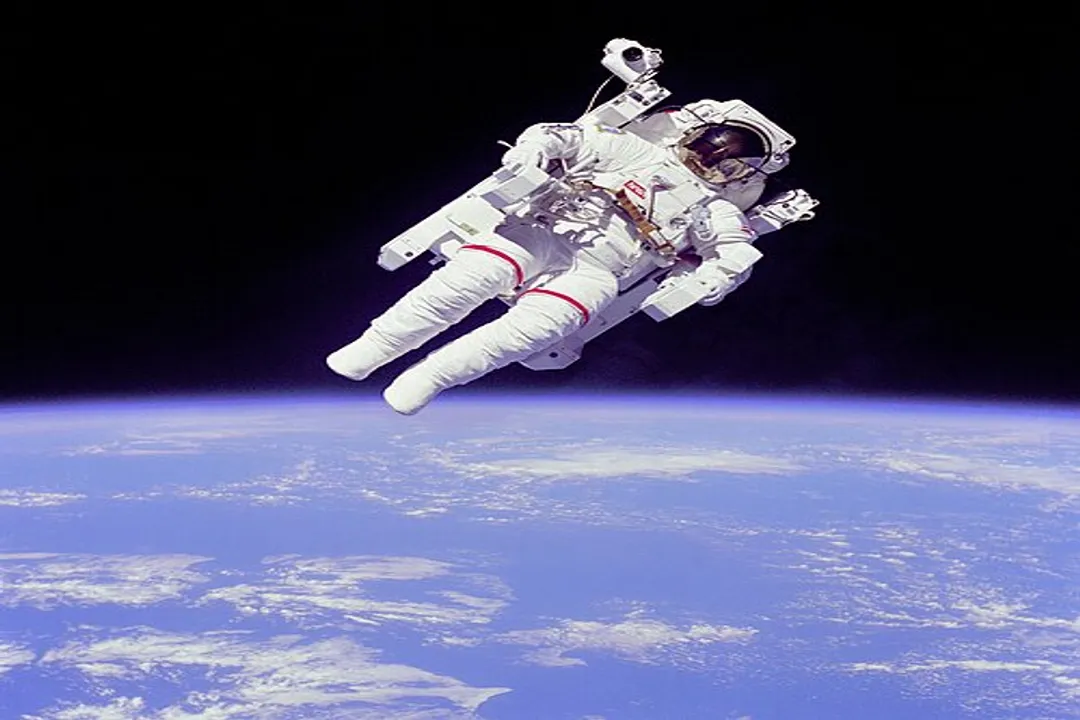
The shift in an astronaut's stature while orbiting Earth is one of the more immediate and surprising physical changes experienced in microgravity. It’s not a dream of being taller that comes true, but a measurable, albeit temporary, physical expansion. When people first hear that astronauts grow in space, it often sparks curiosity about whether it’s a trick of the eye or a substantial change in human physiology, and the answer confirms a real biological response to the absence of planetary gravity.
# Spinal Unloading

The primary mechanism behind this temporary height increase involves the spine, the body's central support structure. On Earth, gravity exerts a constant downward force, which compresses the structures that make up the backbone. This compression is especially noticeable across the intervertebral discs—the soft, gel-filled cushions situated between the vertebrae. These discs act as shock absorbers, and their composition, which includes a high water content, makes them susceptible to pressure changes.
In the microgravity environment of space, this constant gravitational loading vanishes. Without the weight of the upper body pulling down, the discs can decompress and absorb surrounding fluid, effectively swelling outwards. This swelling increases the space between each vertebra, leading to an overall increase in the length of the spinal column. The change is analogous to how a person is slightly taller after lying down for a night compared to standing after a full day of activity. While we experience this tiny fraction of lengthening daily due to resting overnight, astronauts experience a sustained, magnified version of this effect for the duration of their mission.
# Measuring Stature
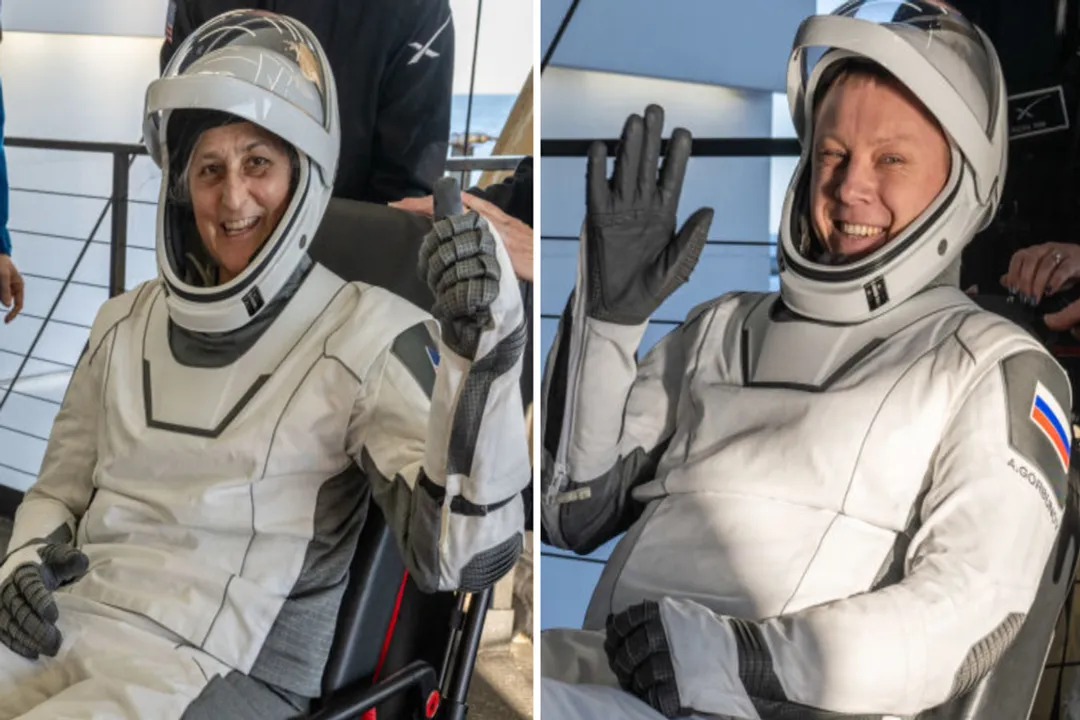
The resulting increase in height is significant enough to be tracked and measured. Astronauts can experience growth equivalent to about 3% of their original height. For an astronaut standing six feet tall, this translates to gaining nearly two inches in overall height while aboard the International Space Station (ISS). This temporary elongation is a documented physical phenomenon that NASA monitors, recognizing it as a clear indicator of the body adapting to a weightless environment.
It is worth noting that this phenomenon differs fundamentally from developmental growth. This is not the addition of new bone tissue or permanent changes to skeletal structure in an adult; rather, it is a temporary mechanical change in the spacing of existing components. The body structures themselves—the bones and discs—are momentarily existing in their non-compressed state, which they cannot fully achieve while subjected to Earth’s gravity.

# Fluid Shifts
The change in height is closely related to another physiological adjustment known as cephalad fluid shift. On Earth, gravity pulls bodily fluids downward, toward the legs and lower extremities. In space, without this downward pull, fluids shift toward the head and torso. This redistribution of fluids contributes to the "puffy face" appearance often noticed in astronauts, and it also plays a role in the spinal expansion, as the swelling of the discs is partially due to this altered fluid equilibrium.
This upward shift of fluids can sometimes be a source of discomfort. Some astronauts report experiencing headaches or sinus pressure as a direct result of the increased fluid pressure in the head and upper body, often feeling most noticeable in the first few days after arrival in orbit.
# Effects on Equipment
The physical reality of growing taller has practical implications for the working environment on the ISS. Astronauts’ clothes may become tighter, and their footwear might feel cramped. More critically, the height increase can affect how they interact with specialized equipment designed for their pre-flight height. While the station itself is designed with significant tolerance and adaptability, fine motor tasks or using specific restraints or suits could potentially become less comfortable or slightly less precise when the user's dimensions have temporarily changed.
It’s fascinating to consider that on Earth, the tallest recorded human heights are generally measured in the morning before gravity has had a chance to compress the body throughout the day. An astronaut in space is essentially locked into that "morning measurement" state permanently for the duration of their mission, experiencing that stretched feeling continuously. This offers a unique, albeit confined, experimental baseline for human posture without gravitational resistance.
# Reverting to Normal
The most critical point about space-induced height gain is its impermanence. The transformation does not last once the astronaut returns to the pull of a planet. As soon as the crew re-enters the atmosphere and lands, gravity immediately begins to reassert its compressing force on the body.
The intervertebral discs begin to squeeze the fluid back out, and the spine shortens back to its original, Earth-adapted length. This return to normal height often occurs quite rapidly, sometimes within just a day or two of being back on solid ground. While this rapid shrinking might feel strange, it is the body returning to its necessary equilibrium for prolonged life under 1G conditions. The rapid shift back to normal height is perhaps the most immediate physical reminder that the physical laws governing their bodies have fundamentally changed again.
# Counterpoint to Expansion
While the height gain is an interesting curiosity, it is only a small, superficial side effect compared to the more serious challenges the human body faces in microgravity. The very same lack of load that allows the spine to decompress also signals the body that the supporting structures are no longer needed. This results in the well-documented loss of bone mineral density and muscle mass, as the body begins to resorb calcium from the bones and atrophy muscle tissue that isn't constantly required for movement or posture.
This trade-off is stark: temporary elongation comes at the price of weakening the musculoskeletal system required for long-term health. Therefore, space agencies mandate rigorous exercise regimens—often two hours or more daily—to counteract this deconditioning by artificially loading the bones and muscles, essentially simulating gravity’s necessary resistive work. The spine might enjoy the break, but the long-term skeletal integrity requires constant, proactive effort to maintain.

# Adapting for Re-entry
The temporary nature of the height change impacts mission planning, particularly regarding procedures performed immediately post-landing. Because astronauts are taller and their vestibular system (balance) is still recalibrating, immediate post-landing assessments must account for their altered physical state. Medical teams are prepared for this temporary height anomaly. Considering that the fluid shift also affects equilibrium and vision, returning crew members are not expected to function at peak efficiency immediately upon touching down; their bodies require time to redistribute fluids and adjust the musculoskeletal system back to bearing weight.
#Videos
Why Do You Grow Taller In Space? - YouTube
Related Questions
#Citations
Strange but True: Astronauts Get Taller in Space | Scientific American
[PDF] what's your space height? | nasa
ELI5: Why do astronauts grow taller in during their time in space?
What Caused This Astronaut to Grow Taller While Living in Space?
Why Do You Grow Taller In Space? - YouTube
Why do astronauts grow an inch in space? - Quora
Space Makes Astronauts Grow Taller, But It Also Causes Back ...
Astronauts arrive home temporarily taller - Student News Daily
Effect of spaceflight on the human body - Wikipedia