What kills you first in space?
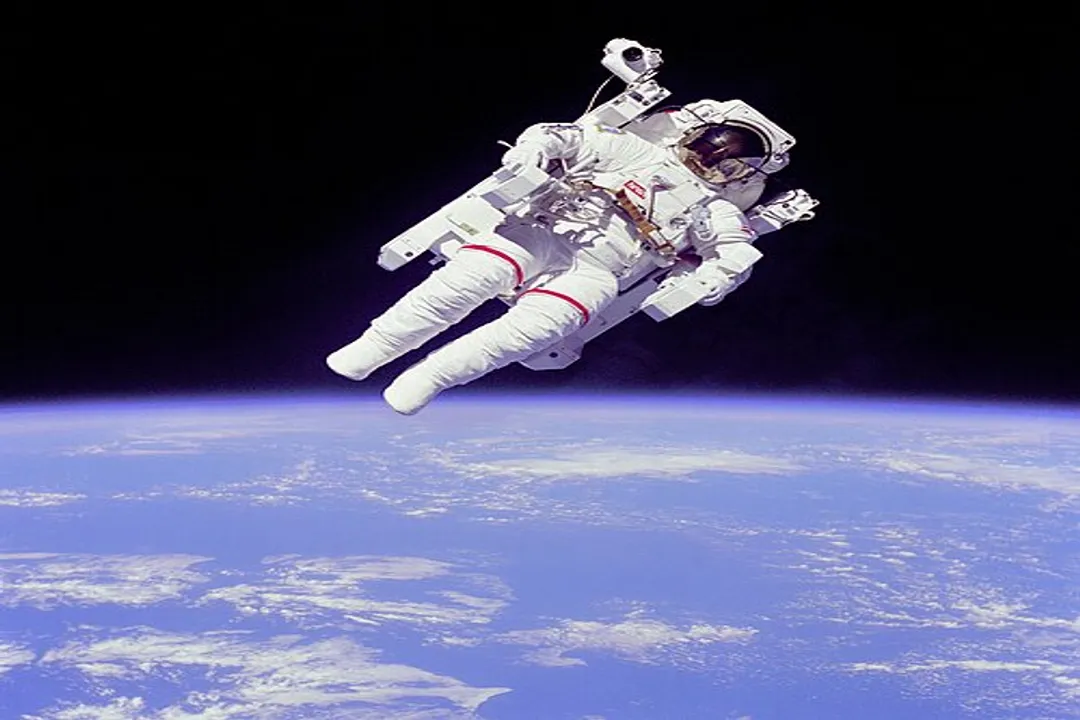
The instant a human is ejected from a pressurized environment into the void of space, the body is confronted by an environment hostile to life on multiple fronts simultaneously. Yet, the concept of first is critical here, as the process of dying in a vacuum is not a single event but a rapid sequence of physiological failures. [6] Contrary to dramatic portrayals in science fiction, immediate explosion or instant freezing is not what awaits an unprotected astronaut. [2][4] The actual sequence unfolds over mere seconds and minutes, with the lack of air being the most urgent threat.
# Oxygen Loss

The factor that incapacitates a person quickest is the near-total absence of breathable oxygen. [1][6][9] In a vacuum, the air inside the lungs is rapidly forced out due to the immense pressure difference between the body's interior (at about near sea level) and the near-zero external pressure. [4][5] While one might instinctively hold their breath, this action is highly damaging, as the rapid expansion of gases in the lungs against the vacuum can cause catastrophic barotrauma and rupture lung tissue. [1][6]
If the person manages to exhale or if the air simply rushes out, the remaining oxygen dissolved in the bloodstream is quickly depleted. [6][9] This leads to hypoxia or anoxia. Within approximately 10 to 15 seconds, the brain starves of oxygen, resulting in a complete loss of consciousness. [1][6] This timeframe is paramount; while the body endures several other traumas, the ability to perceive or react ends in less than a quarter of a minute. [9] Therefore, by definition of incapacitation, the lack of oxygen is the first successful assault on life support. [6][10]
# Fluid Vaporization

While consciousness fades, another dramatic physical process begins almost immediately: ebullism. [2][4] Ebullism refers to the boiling of body fluids due to the extremely low ambient pressure, which lowers the boiling point of liquids to below normal body temperature (about ). [2][6] This boiling starts in the exposed, moist surfaces, such as the eyes and tongue, within seconds. [4]
The resulting effect is that the body starts to swell significantly, potentially doubling in volume. [6][10] However, the common misconception of violently exploding is just that—a misconception. [2] Human skin and the circulatory system retain enough structural integrity to keep the body largely intact. [6] The blood itself will not boil immediately within the closed circulatory system because the blood vessels offer some resistance against the vacuum, maintaining pressure above the liquid’s boiling point for a short while. [4] Nevertheless, the water in the tissues and the plasma will turn to vapor, causing massive swelling and severe tissue damage. [6][10] This intense physical stress accompanies the silent fading of awareness caused by the lack of oxygen. [2]
If we consider the pressure mechanics, the difference between internal pressure and external vacuum is stark. At Earth's sea level, the air pushes on you with roughly (), or . [5] In space, the pressure is effectively zero. [5] This massive gradient is what drives ebullism and the potential for lung rupture if breath is held. Understanding this pressure differential makes it clear why the body’s structural integrity, while impressive, has a limit against such an overwhelming force. [4]
# Temperature Myths
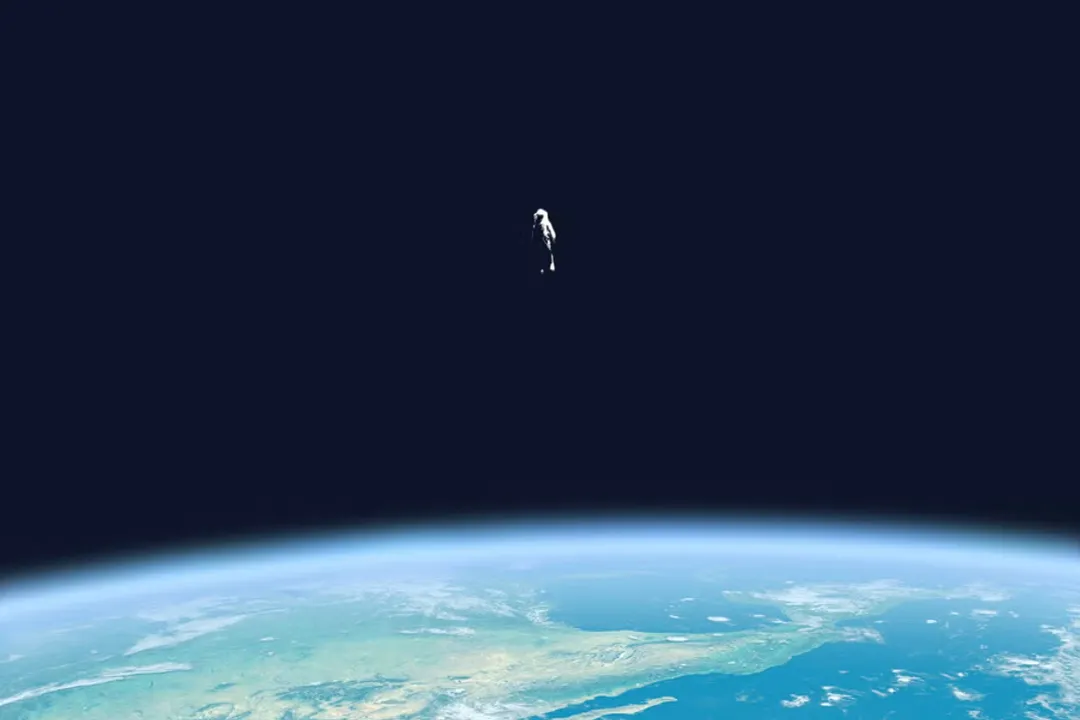
One of the most persistent myths about space exposure is that a person would instantly freeze solid. [2][6] This is fundamentally untrue because heat transfer in a vacuum relies primarily on radiation, a relatively slow process, as there is no air or water to conduct or convect the heat away. [2][6]
While space is cold—the background temperature of deep space is around () [2]—the transfer of your body heat to that environment takes time. [6] The body’s primary mode of cooling in this scenario is thermal radiation. [2] If exposed to direct, unfiltered sunlight, the side facing the Sun would absorb intense solar radiation and heat up rapidly, while the shaded side would cool slowly. [2] In the shade, freezing would eventually occur, but it would take hours, long after death has already been caused by other factors. [6][10] The initial effects of ebullism and asphyxiation happen in seconds or minutes, while significant deep-freeze takes much longer. [9]
# Secondary Threats
Beyond the immediate killers—lack of oxygen and pressure-induced boiling—other factors contribute to the certainty of fatality, though they arrive later in the sequence. [2]
# Radiation Exposure
Space is filled with ionizing radiation, including solar flares and cosmic rays. [2] For an unprotected human, this radiation is dangerous, causing cellular and DNA damage. [2] However, this threat operates on a biological time scale, not an acute one. The effects of this radiation exposure would only become relevant long after the person has already succumbed to the vacuum and asphyxia. [2][9]
# Dehydration
As the body fluids vaporize due to ebullism, severe dehydration would be a major contributor to long-term damage if survival were somehow possible. [6] The vaporization process essentially desiccates the exposed tissues rapidly. [10]

# Lethality Timeline
Synthesizing these factors paints a grim picture that unfolds with horrifying speed. The consensus among various scientific explanations is that the timeframe for incapacitation and death is very short. [6][10]
| Event | Approximate Time After Exposure | Outcome |
|---|---|---|
| Lungs empty | $< 5$ seconds | Relief of barotrauma risk (if breath was exhaled) |
| Ebullism begins | seconds | Boiling of surface moisture; body swelling starts |
| Loss of Consciousness | $10$ to $15$ seconds | Due to anoxia (no oxygen in the blood) |
| Circulation stops | minute | Heart function severely impaired by lack of oxygenated blood |
| Death | seconds to $2$ minutes | Asphyxiation is the terminal event [6][10] |
It is worth noting that while unconsciousness arrives at the 15-second mark, the actual cessation of life processes takes longer. [6] Death, primarily caused by anoxia, is generally considered to occur within about 90 seconds to two minutes. [6][10] Survival beyond this window, even in ideal laboratory conditions mirroring the vacuum, is highly improbable without immediate re-pressurization and intervention. [9]
The scenario of being thrown into space without a suit serves as a stark illustration of how finely tuned the human body is to its specific atmospheric conditions. We are creatures of specific pressure and composition; remove those parameters, and the body begins to fail immediately, with the need for oxygen proving to be the most unforgiving and immediate deadline for survival. [1][6]
Related Questions
#Citations
If a human was thrown out into space, what would kill him first? Low ...
Boil, Burn Or Explode? How You Die In Space : 13.7 - NPR
How long can a human survive in outer space without a spacesuit?
If a human is thrown in space without a space suit, what will kill it first ...
What Would Happen To Your Body In Space? - YouTube
Here's Exactly How You'd Die in the Vacuum of Space
Effect of spaceflight on the human body - Wikipedia
What would actually happen to a person jettisoned into space?
Survival in Space Unprotected Is Possible--Briefly | Scientific American
Boil, burn or explode? How you die in space - MPR News