Is human DNA from outer space?
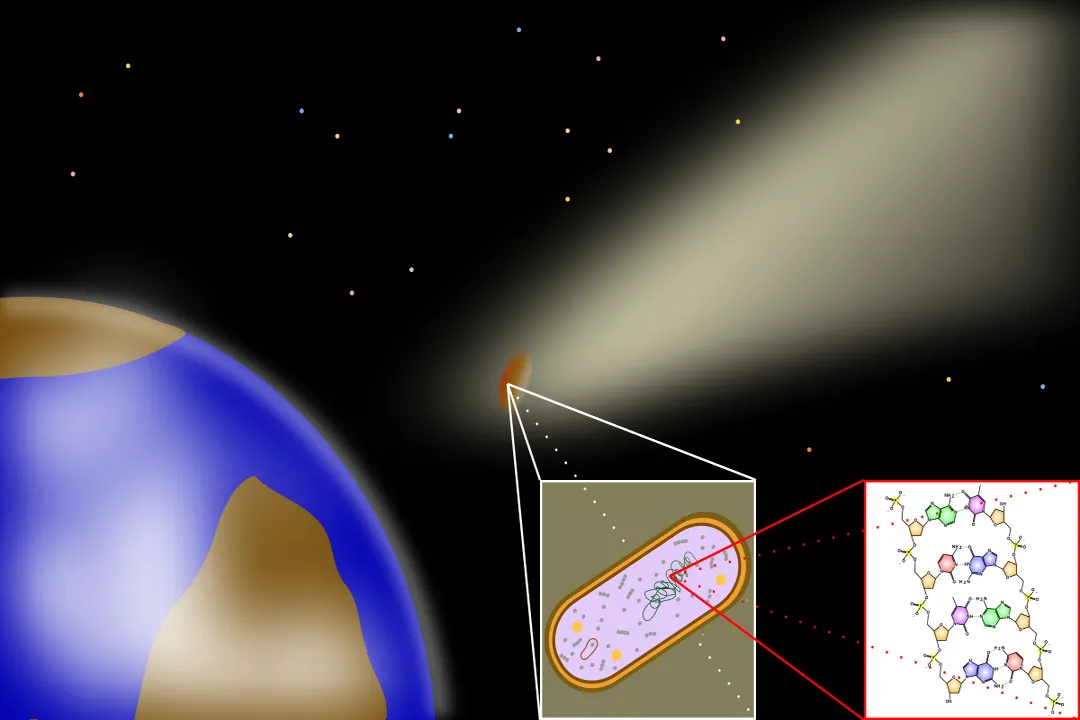
The notion that the intricate code defining humanity might have origins tracing back to the vast emptiness between stars captures the imagination like few other scientific concepts. While the idea of fully formed human genetic material arriving via interstellar travelers sounds more like science fiction than established fact, recent discoveries strongly suggest that the fundamental ingredients of our DNA were certainly delivered to Earth from beyond our atmosphere. Scientists have moved beyond mere speculation by finding key molecular components necessary for life scattered across our solar system, hidden within ancient space rocks that predate our planet’s recognizable history.
# Delivery Vehicles
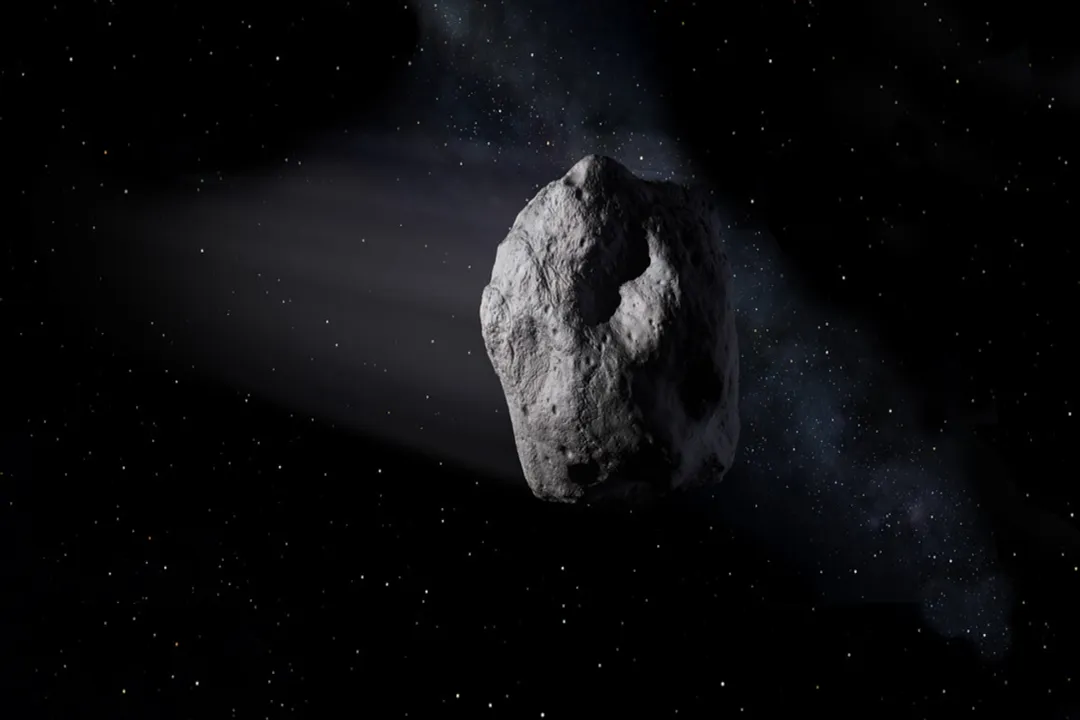
The concept that life’s building blocks may have traveled through space is not new; it falls under the broader umbrella of panspermia. This ancient hypothesis suggests that life, or at least the necessary chemical precursors for it, spreads throughout the universe, hitching rides on comets, asteroids, or meteoroids. Modern research has lent considerable empirical weight to the softer versions of this theory, specifically lithopanspermia, where microbes or organic molecules are transported embedded within rocks ejected from one celestial body and landing on another.
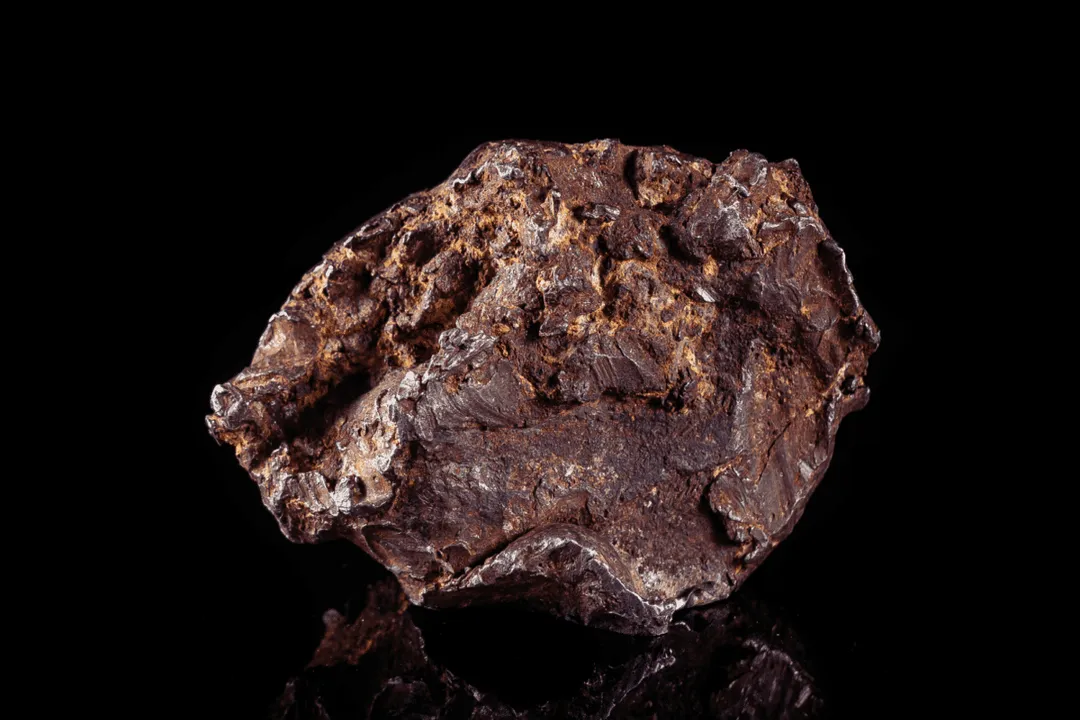
Meteorites, the remnants of ancient space debris that survive atmospheric entry, serve as time capsules, offering direct samples of the chemistry present billions of years ago in the solar nebula. When scientists examine these rocks, they are looking for evidence of prebiotic chemistry—the processes that led to the complex organic molecules that eventually formed the first life on Earth. The importance of these extraterrestrial imports cannot be overstated, as early Earth was a chaotic, high-energy environment, and forming the complex structures needed for life de novo (from scratch) in those conditions presents significant chemical hurdles. Having these necessary components delivered ready-made offers a compelling alternative pathway for abiogenesis.
The specific delivery mechanism is critical to understanding this cosmic contribution. Comets and carbonaceous chondrites—a type of primitive meteorite—are rich in carbon and volatile compounds. These objects were likely abundant in the early solar system, bombarding the young Earth frequently, effectively acting as a chemical delivery service that seeded our oceans and crust with the raw materials for biology.
# Nucleobase Confirmation
Perhaps the most scientifically compelling evidence supporting this cosmic sourcing relates to the nucleobases: the specific chemical units that form the rungs of the DNA and RNA ladders. DNA is composed of four bases—adenine (A), guanine (G), cytosine (C), and thymine (T)—while RNA uses uracil (U) in place of T. For life to begin, all five of these specific molecules needed to be present, either synthesized on Earth or delivered from elsewhere.
Remarkably, scientists have now confirmed the presence of all five of the DNA and RNA bases within samples of meteorites. This discovery is a significant milestone because it resolves a long-standing chemical puzzle. While some individual bases, like adenine, had been found in space materials before, confirming the presence of all of them together in extraterrestrial samples removes the need to explain how Earth managed to synthesize all five unique, complex structures perfectly during the initial prebiotic soup phase.
For example, studies of meteorites have identified molecules like adenine, along with other nitrogenous bases. The identification of uracil, cytosine, guanine, and thymine in meteorites strengthens the argument that the entire chemical library required for modern genetic systems was available extraterrestrially. Think of it this way: assembling a functioning lock requires five very specific, uniquely shaped keys. Finding all five keys inside a delivery package you didn't manufacture yourself simplifies the subsequent process of opening the door to life considerably.
It is interesting to consider the relative rarity of some of these molecules in terrestrial synthesis experiments compared to their detection in space samples. While Earth’s early environment was theoretically capable of producing these compounds, the efficiency and co-occurrence of all five bases in space samples suggest a chemical pathway that was widely active throughout the protoplanetary disk.
# Martian Speculation
A particularly dramatic, though scientifically scrutinized, claim involved reports suggesting traces of human DNA found within a 2-billion-year-old Martian meteorite. Such a headline, while electrifying, requires immediate scientific context. Given the overwhelming consensus that the building blocks arrived from space, the finding of intact human DNA—which requires billions of years of evolution and cellular protection—in a Martian rock is highly improbable and points strongly toward sample contamination in terrestrial labs. The more measured, accepted scientific conclusion aligns with the finding of precursors like nucleobases, rather than highly evolved biological sequences, originating off-world. This distinction between a foundational molecule and the complex sequence built from it is crucial when discussing cosmic origins.
# Component Difference
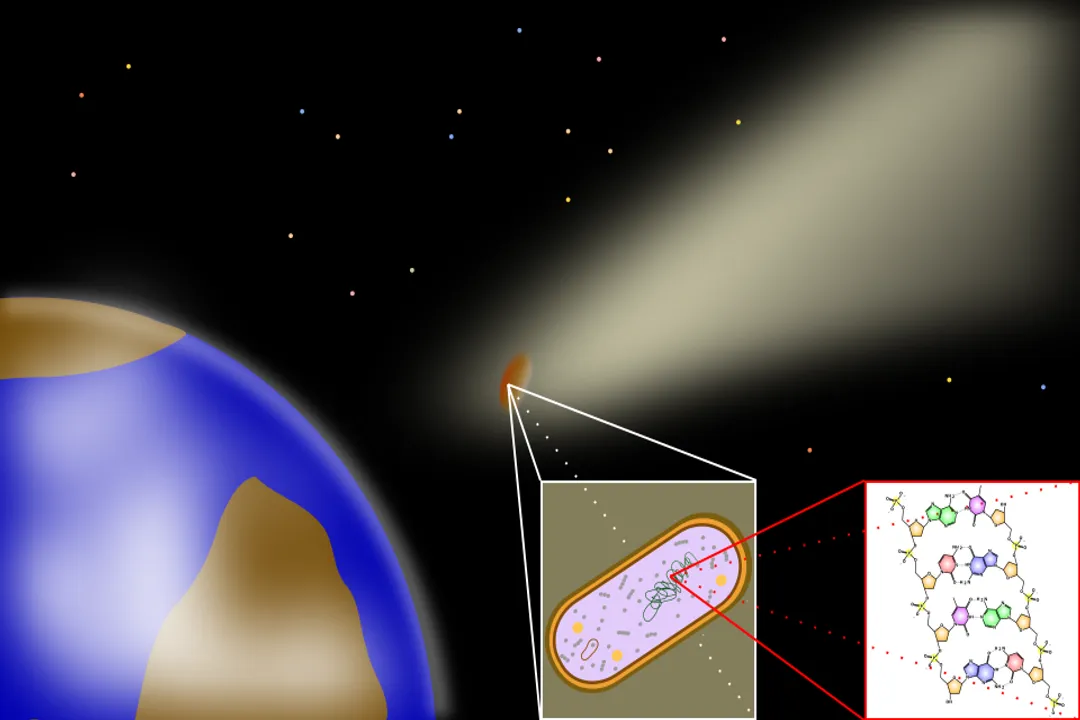
The critical distinction to maintain is between a precursor and the final product. The discovery confirms that the ingredients list for genetic material—the A, T, C, G, and U—can originate in space. This is vastly different from stating that the entire blueprint for Homo sapiens arrived intact.
Imagine constructing a custom house. If meteorites delivered the lumber, nails, copper wiring, and insulation (the precursors), that is a major logistical contribution. It does not mean the meteorites also delivered the architect's specific drawings for a suburban split-level home (the assembled genome). The sophisticated, multi-billion-year evolutionary process that transformed simple self-replicating molecules into the complex double helix of human DNA occurred after these components arrived and accumulated on our developing planet.
To illustrate this chemical gap between input and outcome, one can compare the complexity:
| Feature | Cosmic Input (Meteorites) | Terrestrial Product (Human DNA) |
|---|---|---|
| Composition | Individual nucleobases (A, G, C, T, U) | Nucleotides (Base + Sugar + Phosphate) |
| Structure | Simple organic molecules | Double helix polymer chain |
| Function | Potential for polymerization | Information storage and replication |
| Age | Billions of years (pre-Earth formation) | Evolved over ~3.7 billion years on Earth |
This table clarifies that even if the chemical alphabet came from space, the language and the novel written by terrestrial evolution required immense time and specific planetary conditions to develop into human characteristics.
# Terrestrial Chemistry
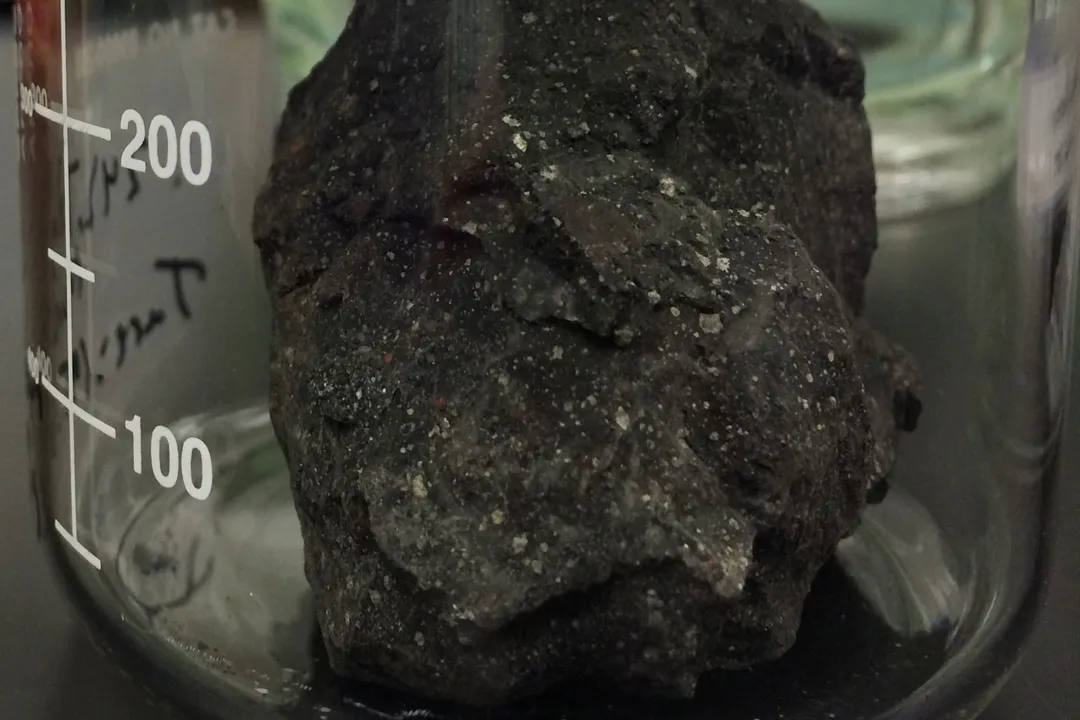
The role of extraterrestrial delivery, therefore, shifts the focus from whether life could have started on Earth to how efficiently it could have started. The delivery of nucleobases and other organic molecules like amino acids lowers the chemical activation energy needed for life’s initial steps. Instead of relying solely on random, high-energy terrestrial reactions to produce these precise components, life began with a significant head start provided by cosmic chemistry.
This input likely provided the necessary starting materials for the RNA world hypothesis, a widely discussed precursor state where RNA acted as both the genetic material and the catalyst (enzyme) for early reactions. Having the correct bases readily available would have made the transition to self-replicating RNA structures far more feasible than if those bases had to be assembled from inert terrestrial materials alone. The ability of primitive Earth systems to then link these bases with the correct sugars and phosphates to form actual RNA strands represents the crucial, next phase of chemical evolution, a step that happened here, utilizing the imported raw materials.
The continued study of primitive meteorites, therefore, isn't about finding little green men; it's about understanding the initial supply chain for biology. Every time a new organic molecule is confirmed in a pristine sample from an asteroid, it further grounds the origin of life in the universal laws of chemistry, suggesting that the ingredients for life are not unique to Earth but are likely common features wherever solar systems form. This knowledge informs astrobiology, suggesting that if we look elsewhere in the galaxy, we might find planets that received the same chemical package we did, increasing the probability of finding life elsewhere.
#Videos
Your DNA's Codes Are (Probably) From Outer Space - YouTube
Our DNA Came from Space, Says New Scientific Study! - YouTube
Related Questions
#Citations
Your DNA's Codes Are (Probably) From Outer Space - YouTube
The Stuff of Life Came from Outer Space - UTMB
Traces Of Human DNA Found In 2-Billion-Year-Old Martian Meteorite
Meteorites could have brought DNA precursors to Earth
DNA's Building Blocks May Have Their Origins in Outer Space
Scientists have found all five DNA and RNA nucleobases in samples ...
Panspermia - Wikipedia
All of the bases in DNA and RNA have now been found in meteorites