Was human DNA found in meteors?
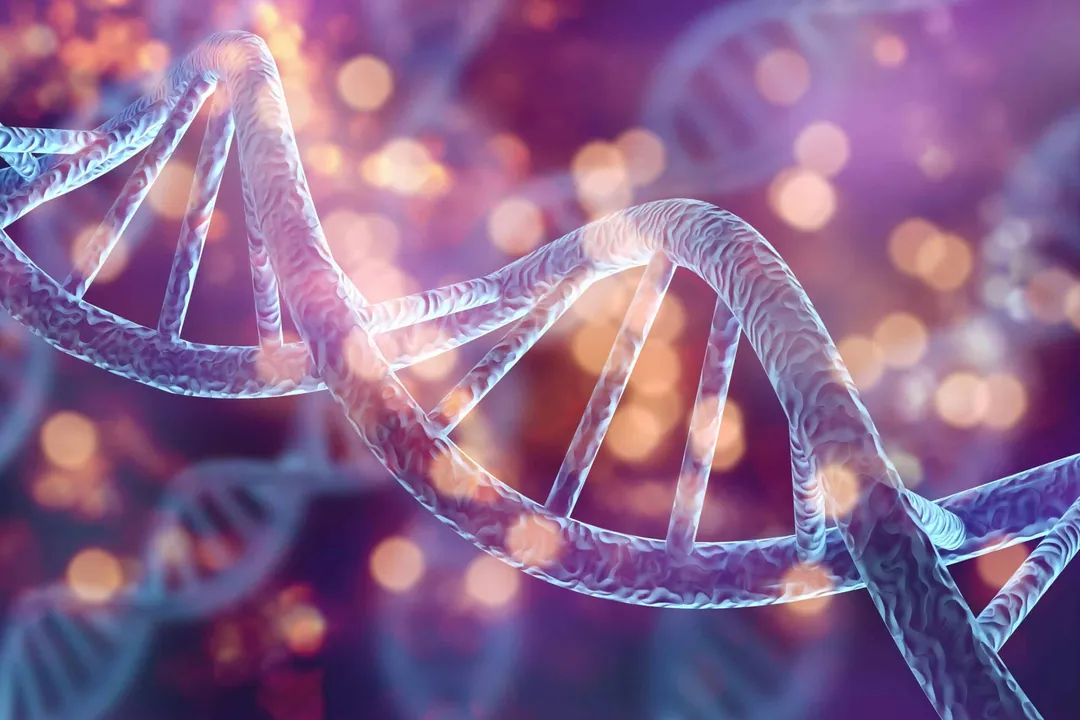
A specific report surfaced detailing the purported discovery of traces of human DNA within a Martian meteorite estimated to be two billion years old. [6] This claim, reportedly announced by a research team led by an Israeli scientist during a press conference, suggested that segments of Homo sapiens genetic material were present in the ancient space rock. [6] While this headline is certainly attention-grabbing, it sits in stark contrast to the established understanding of molecular stability and the much more scientifically accepted findings regarding life's fundamental components in meteorites. [5]
# Martian DNA
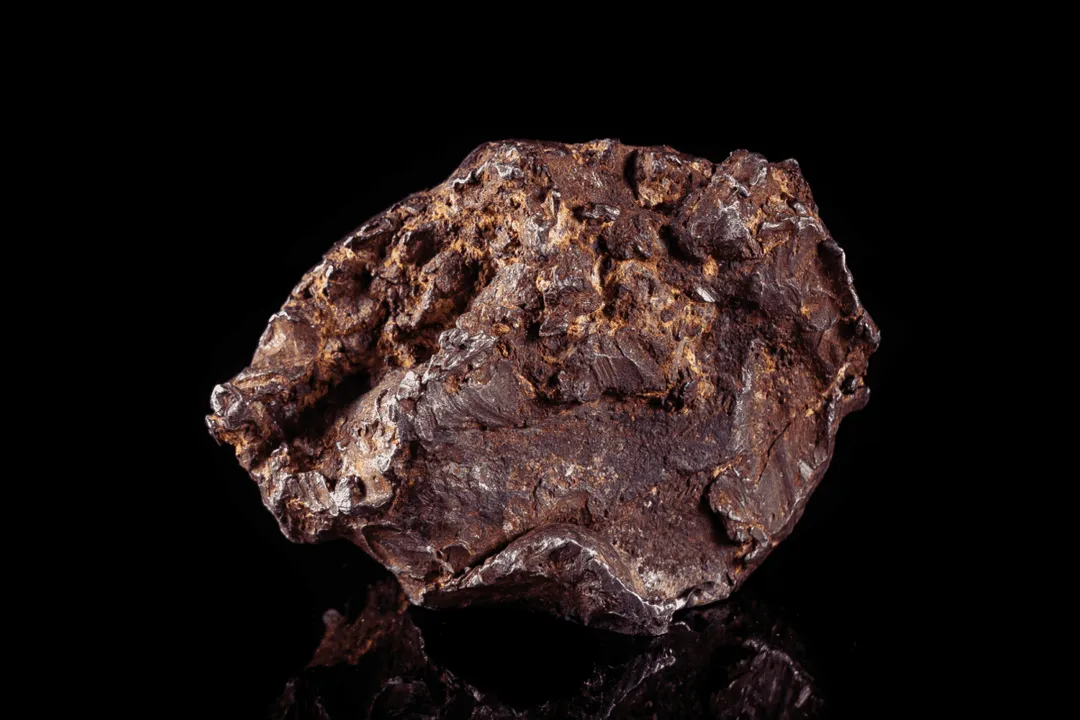
The assertion about finding human DNA in an extraterrestrial sample raises immediate and significant scientific questions about preservation, contamination, and the limits of molecular survival across cosmic distances and eons. [6] DNA, a highly complex double-helix structure, is fragile; it degrades relatively quickly even under optimal terrestrial conditions, requiring specialized laboratory environments to keep it intact for extended periods. [1] The idea that a complete, or even fragmented, human sequence could survive two billion years within a meteorite, potentially subjected to radiation, vacuum, and thermal stress, challenges fundamental biochemistry. [6] Therefore, when such a claim is presented, the immediate scientific community response pivots toward stringent verification, contamination control, and replication, as the implications would radically rewrite our understanding of terrestrial life's origins and the potential ubiquity of complex biological information in the universe. [5]
# Nucleobase Presence
What the scientific community has robustly confirmed, and what provides a solid foundation for astrobiology, is the extraterrestrial origin of the basic ingredients for DNA and RNA. [8] Scientists have successfully identified all five nucleobases—the essential chemical units that form the genetic code—within meteorites. [1][9] These five bases are adenine (A), guanine (G), cytosine (C), thymine (T, found in DNA), and uracil (U, found in RNA). [1][3]
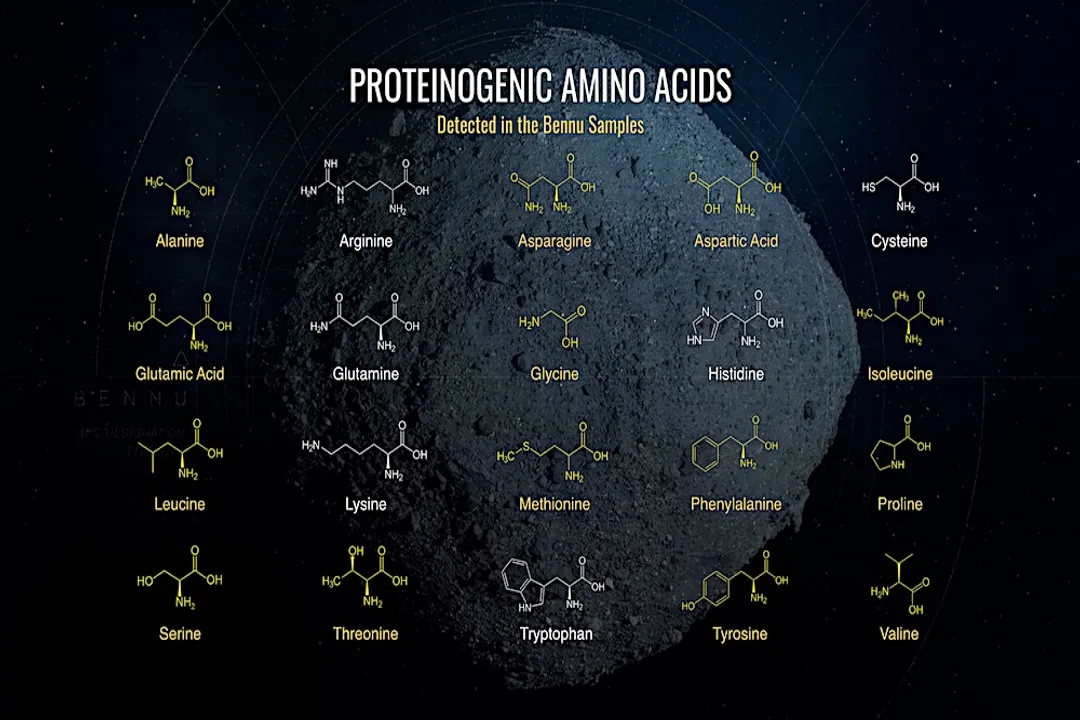
The search for these building blocks has spanned multiple decades and various missions. Key evidence has come from analyzing carbonaceous chondrites, a type of meteorite rich in organic molecules. [8] Crucially, the detection of these bases has not been limited to just one type of sample; for instance, some components were found in samples returned from the asteroid Bennu by the OSIRIS-REx mission, confirming that these molecular precursors are actively being collected from space. [4]
It is important to distinguish between a nucleobase and a complete nucleic acid sequence. A nucleobase is analogous to a single letter in the alphabet, while DNA or RNA is an entire novel written with billions of those letters arranged in a specific order. [1] The discovery confirms that the universe produced the alphabet necessary for life as we know it. [2] The presence of all five bases, A, G, C, T, and U, in meteorites suggests that the chemical prerequisites for both DNA and RNA arrived on early Earth via impacts from space. [8]
# Chemical Origins
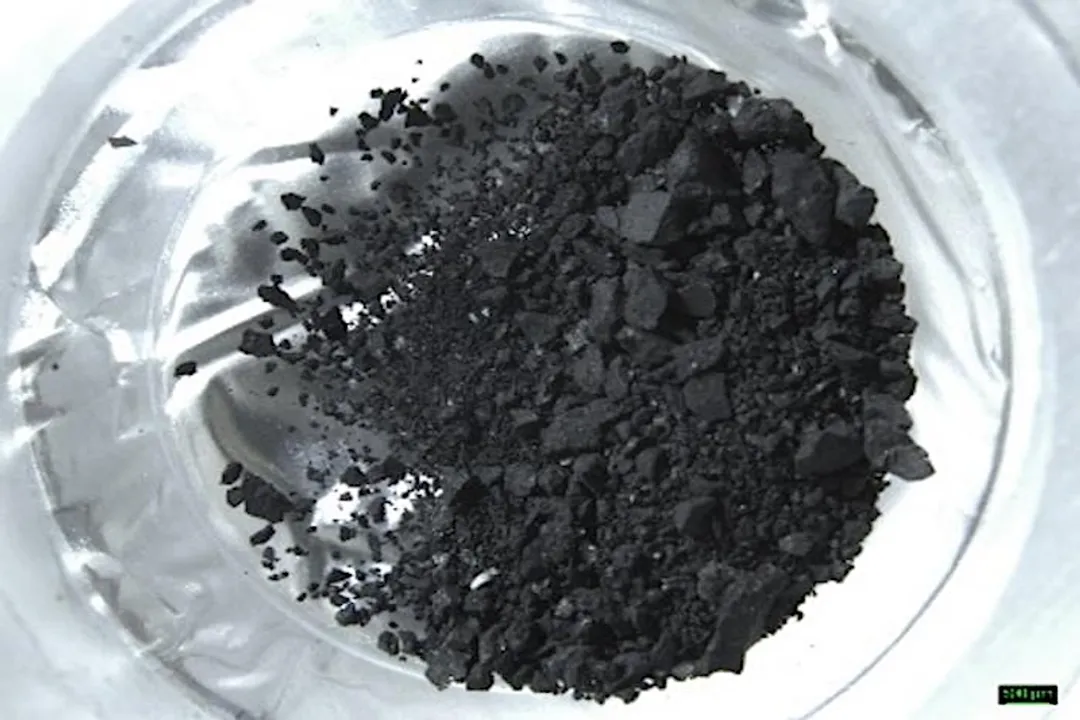
The formation of these organic molecules appears to happen readily in the cold, non-living environments of space, specifically within asteroids. [2] Researchers analyzing meteorites have found not only the nucleobases but also other essential components of life, such as sugars and amino acids. [2] This suggests that the chemical pathway from simple interstellar compounds to the complex organic molecules required for biology is a natural, rather than purely Earth-bound, process. [8]
To better appreciate the significance of these findings, we can compare the chemical complexity required for the established discoveries versus the unverified claim of human DNA:
| Component Type | Examples Found in Meteorites | Complexity Level | Implication |
|---|---|---|---|
| Amino Acids | Various organic molecules | Low (Building blocks of proteins) | Natural chemical synthesis in space [2] |
| Nucleobases | Adenine, Guanine, Cytosine, Thymine, Uracil | Medium (Letters of the genetic code) | All necessary genetic letters delivered from space [1][9] |
| Human DNA | Reported Traces [6] | Extremely High (Complex polymer chain) | Suggests survival of complex biological data or massive contamination [5] |
The confirmed presence of all five nucleobases is a massive step, as it shows that the ingredients were there to begin with. [2][9] It addresses the "where did the letters come from?" question, pointing toward space delivery. [8] It does not, however, address the question of how those letters assembled into a self-replicating system—the jump from precursor chemistry to actual, functioning life remains the grand challenge of abiogenesis. [2]
# Contextualizing Claims
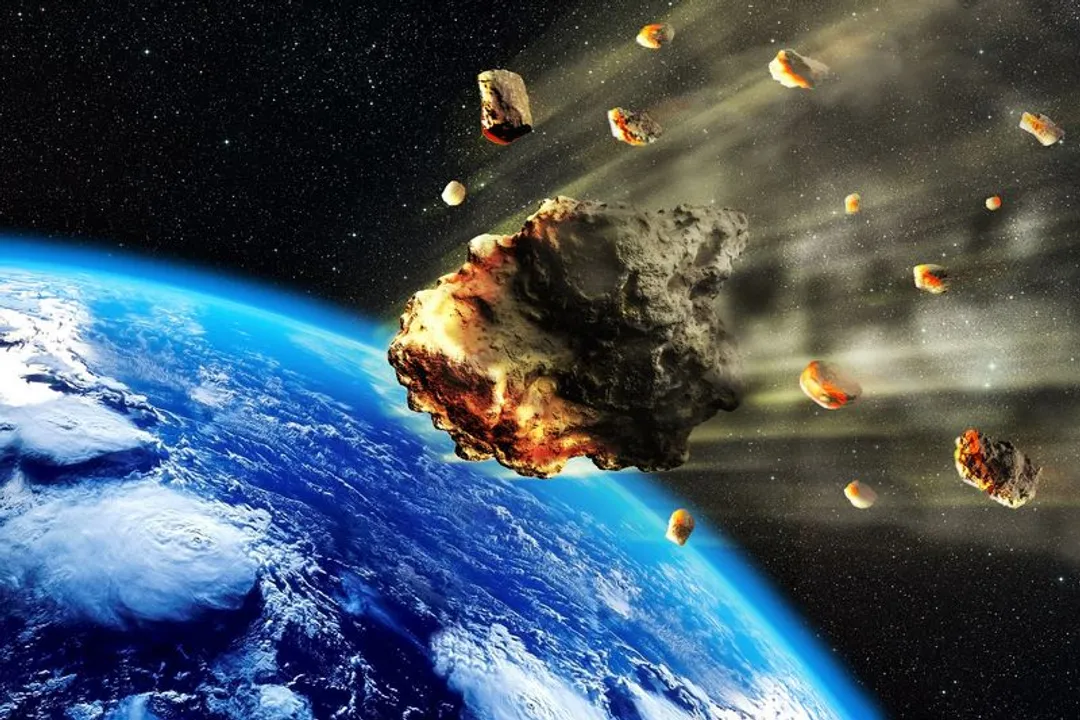
When evaluating news about extraterrestrial biology, understanding the distinction between a molecular precursor and a complex biological structure is paramount for general readers. [5] The confirmed science is that asteroids delivered the necessary chemical components for life's machinery. [8] The reported finding of human DNA, conversely, suggests that a fully formed, recognizable, and relatively recent terrestrial biological signature was transported across space and preserved for billions of years. [6] Given the sheer improbability of the latter scenario surviving detection or contamination until now, it warrants extreme skepticism unless confirmed by multiple independent labs using rigorous, non-destructive methods specifically designed for ancient, trace analysis.
This difference in scale is something to keep in mind when reading reports that seem almost too dramatic to be true. The scientific consensus supports the idea that space dust and meteorites acted as a delivery service for basic organic chemistry, priming Earth for life to take the next steps. [8] It is a fundamental piece of our understanding of cosmic chemistry, showing that the building blocks are universal. [2] However, implying that Earth's specific genetic material has been found floating around on ancient rocks shifts the narrative from precursors to proof of cosmic contamination or an entirely different, advanced cosmic biology, which is a far greater claim requiring far greater evidence. [5] The excitement over the discovery of the nucleobases is warranted because it shows the universe is chemically predisposed to supporting life, even if the sensational human DNA report remains an outlier requiring further, intense scrutiny.
Related Questions
#Citations
All of the bases in DNA and RNA have now been found in meteorites
Could the Blueprint for Life Have Been Generated in Asteroids?
Scientists have found all five DNA and RNA nucleobases in samples ...
Life's Building Blocks Discovered In Samples From Asteroid Bennu
A Fake Headline, and a Real One, About DNA - Evolution News
Traces Of Human DNA Found In 2-Billion-Year-Old Martian Meteorite
Human dna found in ancient meteorite supports earth ... - Facebook
Meteorites could have brought DNA precursors to Earth
All RNA and DNA Base Types Are Found in Meteorites, Study Claims