What defines a biological species?
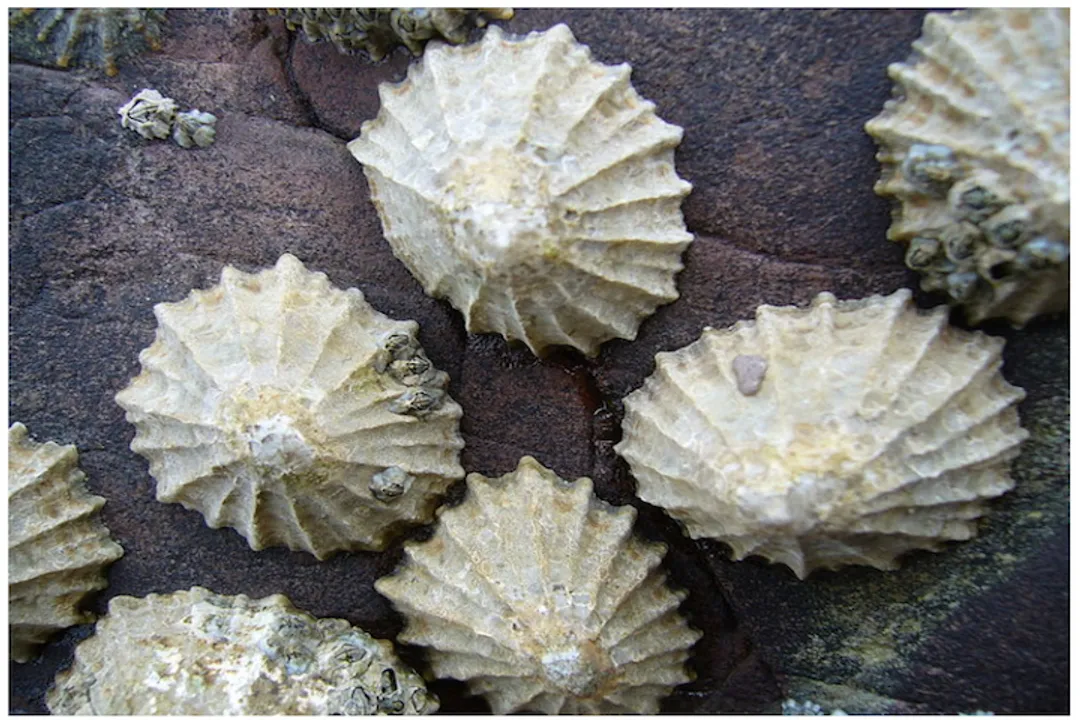
The classification of life, that fundamental attempt to categorize the diversity we see around us, hinges on a single, surprisingly contentious question: What exactly is a species? Biologists have grappled with this definition for centuries, not because they lack observation skills, but because life rarely conforms to neat boxes. The most influential attempt to formalize this concept centers on the ability of organisms to reproduce successfully among themselves. [1][4]
# Species Core
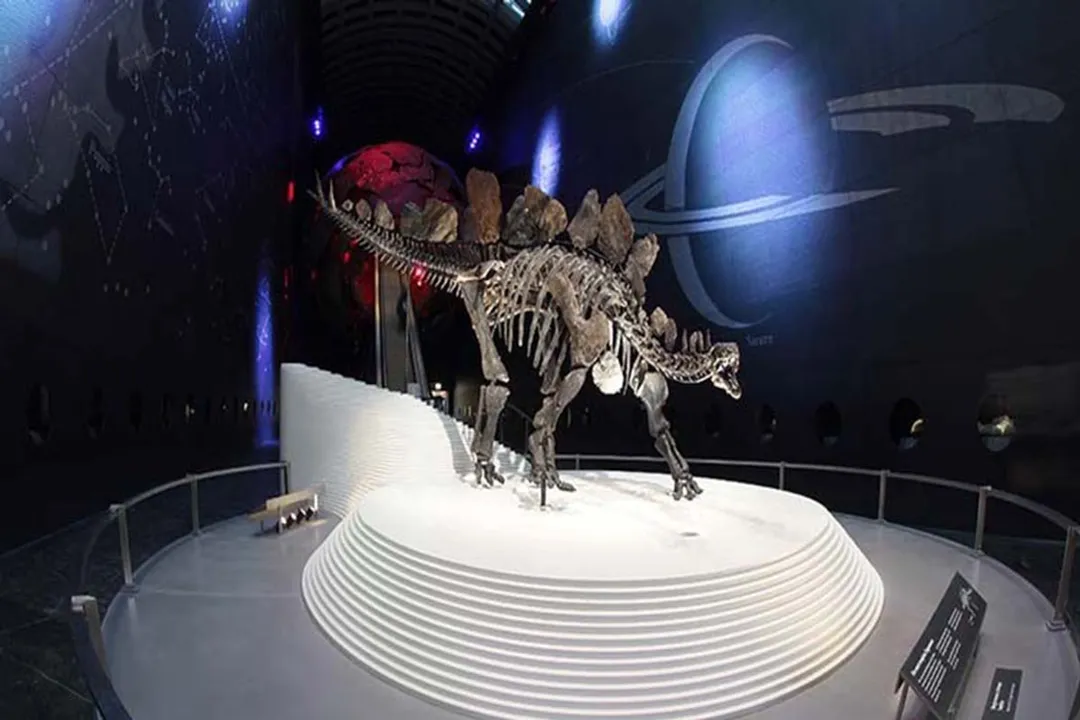
The dominant modern approach is known as the Biological Species Concept (BSC), famously articulated by Ernst Mayr. [1] This concept defines a species as a group of actually or potentially interbreeding natural populations that are reproductively isolated from other such groups. [1][2][4] The key implication here is gene flow: members within a species can exchange genetic material, while members of different species cannot, or at least do not successfully produce viable, fertile offspring. [2][8] This concept focuses on the mechanics of evolution and descent, prioritizing the flow of genetic information within a population boundary over superficial similarities. [2]
If two groups of organisms, such as two different species of finch, look almost identical but never breed together in the wild, or if their mating attempts result in sterile offspring, the BSC considers them distinct species. [1][4] The emphasis is on the potential to interbreed in nature, which is why the concept is so foundational in evolutionary biology; it describes the mechanism by which lineages diverge and maintain their differences. [2][8]
# Reproductive Walls
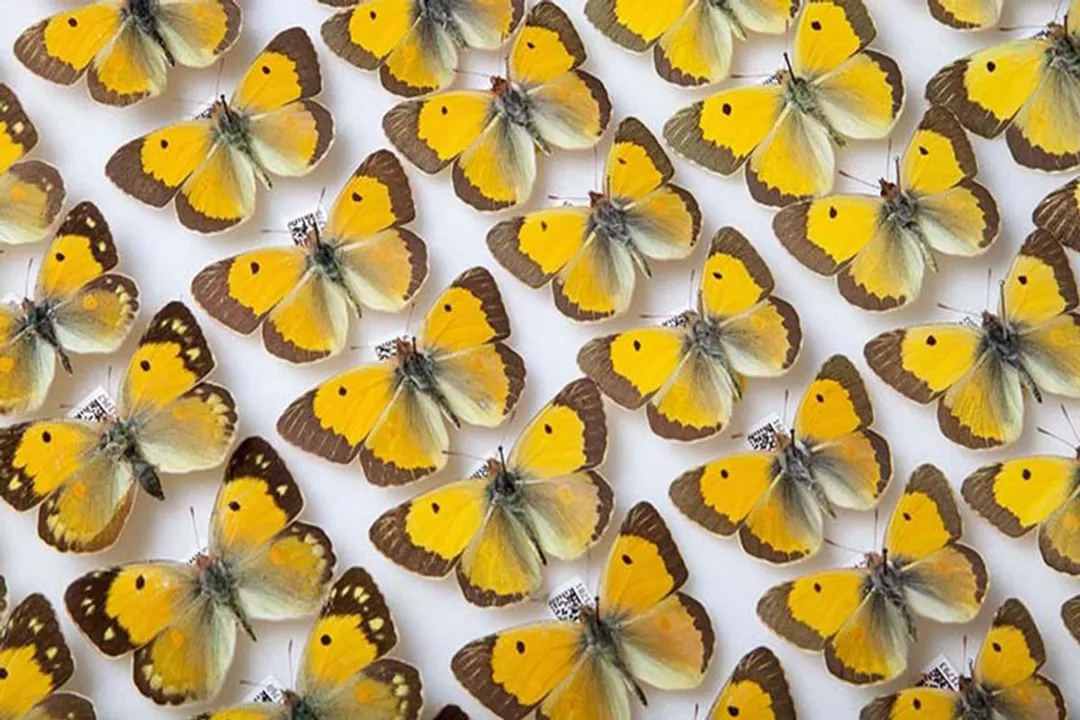
Reproductive isolation is the linchpin holding the BSC together, serving as the barrier that prevents different species from merging their gene pools. [2] These barriers are generally categorized based on when they act in the reproductive process: either before fertilization (prezygotic) or after fertilization (postzygotic). [2][4]
# Prezygotic Hurdles
Prezygotic barriers stop mating from ever occurring or prevent fertilization if mating is attempted. [4] These mechanisms are highly varied and often environment- or behavior-dependent:
- Habitat Isolation: Two species might live in the same geographical region but occupy different habitats, making encounters rare. For example, one type of garter snake might live primarily in water while another stays on land. [2]
- Temporal Isolation: Species breed during different times of the day, different seasons, or different years. [2] Consider skunks that mate in late winter versus those that mate in summer.
- Behavioral Isolation: Differences in courtship rituals, songs, visual displays, or chemical signals prevent species recognition. [2][4] The specific dance of a bird or the unique pheromones released by an insect are critical signals that must match exactly for mating to proceed.
- Mechanical Isolation: Physical differences in genitalia or flower structure make successful copulation or pollination physically impossible. [2]
- Gametic Isolation: Even if mating occurs, the sperm of one species may be unable to fertilize the egg of another, perhaps due to incompatible surface receptors on the gametes. [2]
# Postzygotic Obstacles
When prezygotic barriers fail, postzygotic barriers step in to ensure that hybrid offspring are either non-viable or sterile, thus reinforcing the species boundary. [4]
- Reduced Hybrid Viability: The genes of the different parent species may interact in ways that impair the hybrid’s development or survival in its environment. [2] The hybrid embryo might not develop past a certain stage.
- Reduced Hybrid Fertility: This is perhaps the most famous example, where the hybrid offspring survives but is sterile. The classic case is the mule, the infertile offspring of a male donkey and a female horse. [2][4] The chromosomes cannot pair correctly during meiosis.
- Hybrid Breakdown: First-generation hybrids might be fertile, but when they breed with each other or with either parent species, subsequent generations lose fertility or viability. [2]

# Concept Limits
While the BSC offers a powerful, elegant definition rooted in genetics, it faces significant challenges when applied to the real biological world. [4] The definition relies entirely on the potential for sexual reproduction, which immediately renders it unusable for organisms that reproduce asexually, such as bacteria or many single-celled eukaryotes. [2][4] Furthermore, applying the BSC to fossils presents an insurmountable problem; we cannot test the reproductive compatibility of extinct organisms. [4][8] We must rely on morphology, which opens the door to other concepts.
Another practical issue arises when considering populations that are geographically separated (allopatric). If two populations have never had the chance to meet, the BSC labels them as distinct species if they could not interbreed if they did meet, but this is an assumption, not an observation of reproductive isolation. [1] Conversely, some instances of hybridization occur in nature—two groups meet and successfully produce fertile offspring, suggesting they are technically the same species, even if they rarely interact ecologically. [4] When considering how many distinct units conservation efforts should protect, the reality of these "leaky" boundaries becomes politically and practically important.
# Alternative Views
Because of the BSC's limitations, other species concepts have developed to better capture different aspects of evolutionary reality. [8] These concepts often serve as better tools depending on the group of organisms being studied or the specific scientific question being asked.
# Morphology Based
The Morphological Species Concept relies on observable physical traits—morphology—to distinguish species. [8] If two groups look consistently different across many characteristics, they are treated as separate species. This is often the most practical approach for paleontologists studying the fossil record or for field biologists initially surveying undocumented biodiversity. [4] A weakness, however, is that morphology can be misleading; two very different-looking organisms might be able to interbreed (cryptic species), or two very similar-looking organisms might be reproductively isolated. [8] Phenotypic variation within a single species can sometimes exceed the differences between two separate species.
# Evolutionary Lineages
The Phylogenetic Species Concept (PSC) focuses on evolutionary history. A species is defined as the smallest group of individuals that share a common ancestor and can be distinguished from other such groups based on a shared derived characteristic, often identified through DNA sequencing. [8] This concept is highly useful for studying asexual organisms or fossils because it relies on historical patterns preserved in the genetic code or physical form, rather than current breeding behavior. [8] The PSC tends to produce a much larger number of species than the BSC because it recognizes even small, persistent genetic differences as evidence of separate evolutionary trajectories.
Here is a comparison of how these major concepts approach different scientific needs:
| Species Concept | Primary Criterion | Best Applied To | Major Weakness |
|---|---|---|---|
| Biological (BSC) | Reproductive isolation | Living, sexually reproducing organisms | Cannot test on fossils or asexual life. [4][8] |
| Morphological | Measurable physical traits | Fossils, initial surveys, asexual life | Can be misled by cryptic variation. [8] |
| Phylogenetic (PSC) | Shared derived DNA sequence/history | Asexual organisms, microbial diversity | Can over-split lineages into very small groups. [8] |

# Defining the Wild
When we move from textbook definitions to real-world ecological monitoring, the lines blur even further. Imagine a scenario in a newly discovered tropical island chain where two bird populations look nearly identical. [1] If they are separated by miles of ocean, the BSC effectively treats them as separate species because potential gene flow is blocked by geography. Yet, if you brought them to a zoo and placed them in the same aviary, they might immediately begin interbreeding and produce fertile young, thus failing the BSC's requirement for reproductive isolation. In this context, the question of definition becomes less about inherent biology and more about geography and ongoing evolutionary potential.
This difficulty suggests that defining a species is often less about finding a single, perfect criterion and more about deciding which boundary is most informative for a given purpose—ecology, conservation, or evolutionary study. [1] From an ecological standpoint, if two groups occupy different niches and maintain distinct population dynamics even if they could hybridize, treating them as separate functional units might be more ecologically sound than insisting they are one species based solely on a latent genetic possibility. [1] The utility of the term "species" often depends on the scale at which you are observing the natural world.
The debate over defining species highlights that biology is descriptive rather than strictly prescriptive. We are observing an ongoing process—evolution—and attempting to freeze it at various moments in time with descriptive labels. Whether we prioritize the present mechanism of gene flow (BSC), the observable form (Morphological), or the historical trajectory (PSC), no single definition captures the entire phenomenon of biodiversity, leading scientists to recognize that "species" is a concept, not a universal, immutable entity. [4][8]
#Videos
The Biological Species Concept - YouTube
Related Questions
#Citations
Species - Wikipedia
Biological species concept - Understanding Evolution
species | Learn Science at Scitable - Nature
What is a species, and how many species are there?
Evolution- The Biological Species Concept Flashcards | Quizlet
Species Concepts and the Definition of "Species" - Faculty Web Pages
What makes a species? : r/biology - Reddit
2.1: Species Concepts - Biology LibreTexts
What defines a species? - UCR Palm Desert
The Biological Species Concept - YouTube