How do invasive species disrupt habitats?
The arrival of a species into an ecosystem where it did not naturally evolve is rarely benign; instead, it frequently initiates a complex sequence of events that unravel the established order of a habitat. These introduced, non-native organisms, which then spread aggressively, are termed invasive species, and their primary ecological impact is disruption, often leading to significant loss of biodiversity. [2][3] The disruption they cause spans everything from the chemistry of the soil to the balance of entire food chains, fundamentally altering the physical and biological structure of the area they colonize. [1][5]
# Competitive Edge
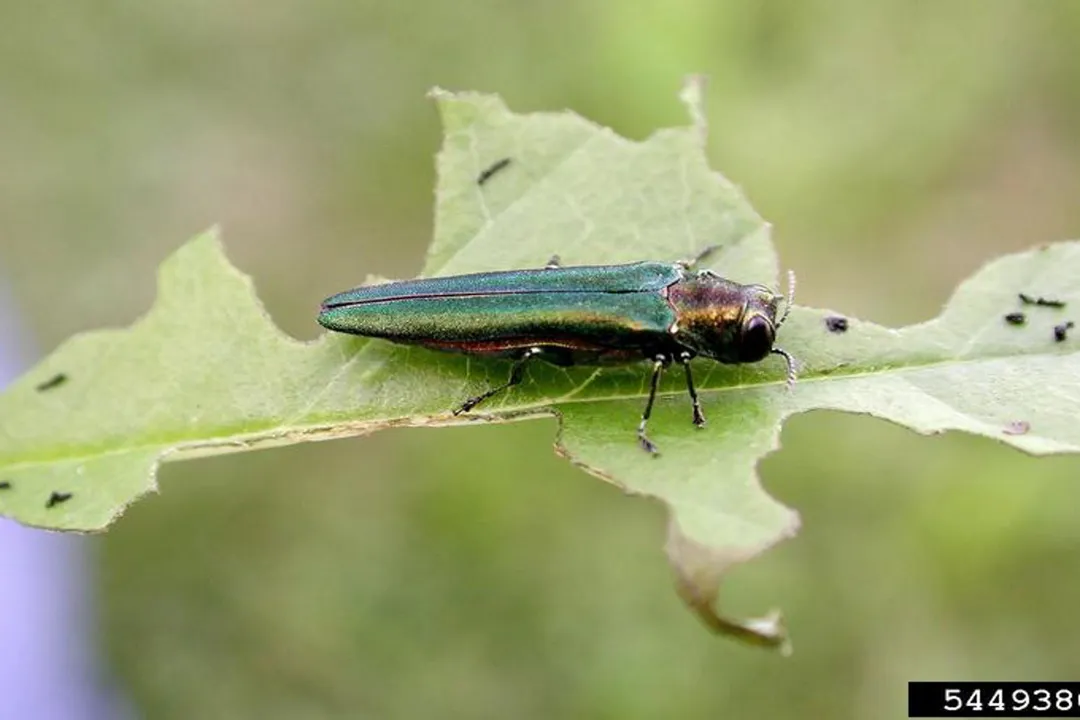
One of the most immediate ways an invasive species destabilizes a habitat is through direct competition with native organisms for essential, finite resources. [3] Invasives often arrive without the natural predators, parasites, or diseases that kept their populations in check in their home ranges. [5] This freedom allows them to multiply rapidly and dedicate more energy to growth and reproduction rather than defense. [7]
For plants, this often translates to superior competitive ability. They may grow faster, tolerate a wider range of soil conditions, or be more efficient at capturing sunlight and nutrients. [3] When a dense stand of an invasive grass or shrub overtakes a native meadow, it starves out the native flora underneath by monopolizing light and soil water, changing the very character of the plant community. [7] This shift in vegetation structure immediately affects every other organism relying on the original plant life for food or shelter. [1]
In animal communities, the competitive impact is equally severe. An introduced fish, for example, might consume resources—such as insects or small invertebrates—at a rate that native fish populations cannot sustain, leading to declines in the original inhabitants simply because the food runs out faster. [3] This resource monopolization is not just about sheer numbers; it's often about superior efficiency in utilizing marginal resources, allowing the invader to thrive when natives are stressed. [7]
# Habitat Alteration
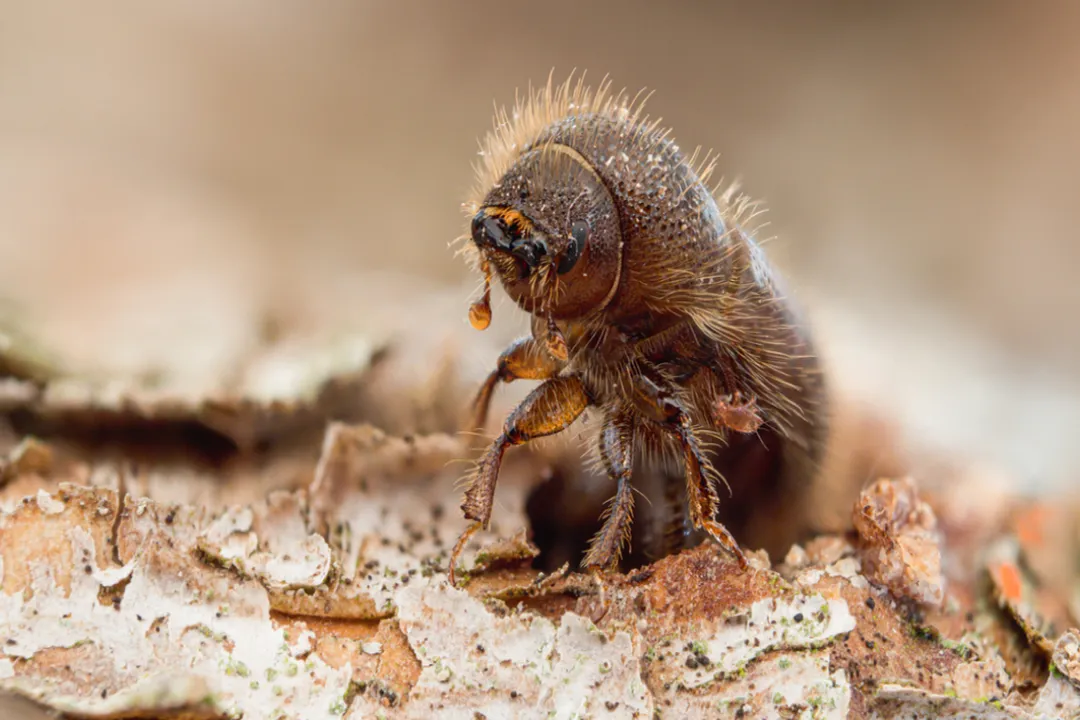
Beyond direct competition, many invasive species are ecosystem engineers—they physically and chemically redesign the habitat itself, often making it unsuitable for the native species that evolved there. [1][5] This alteration is often more insidious and long-lasting than simple over-consumption.
In terrestrial environments, invasive plants can dramatically change fire regimes. Some invasive grasses dry out earlier in the season than native vegetation, creating continuous, highly flammable fuel loads. [7] This can lead to fires that burn hotter, more frequently, or at times of the year that native plant seeds are not adapted to survive, creating a positive feedback loop where the invasive species promotes the conditions necessary for its own dominance while excluding natives. [1]
In aquatic habitats, disruption can involve changes to hydrology or water quality. Certain invasive mussels, for instance, can filter enormous volumes of water, increasing water clarity. While seemingly positive, this increased clarity allows sunlight to penetrate deeper, fueling algal blooms in new areas and altering the temperature stratification of the water body, which impacts native fish spawning cycles. [1] Other invasives might physically clog waterways or alter sediment deposition patterns, changing the flow and depth profile of rivers and wetlands. [5]
It is interesting to consider the timescale of these changes. Native flora and fauna have co-evolved over millennia, establishing intricate dependencies. When an invasive alters soil pH or nutrient cycling—a process that might take decades—the native species simply cannot evolve fast enough to keep pace, creating an immediate, insurmountable deficit for them that is measured in generations rather than evolutionary epochs. [7]
# Trophic Cascades
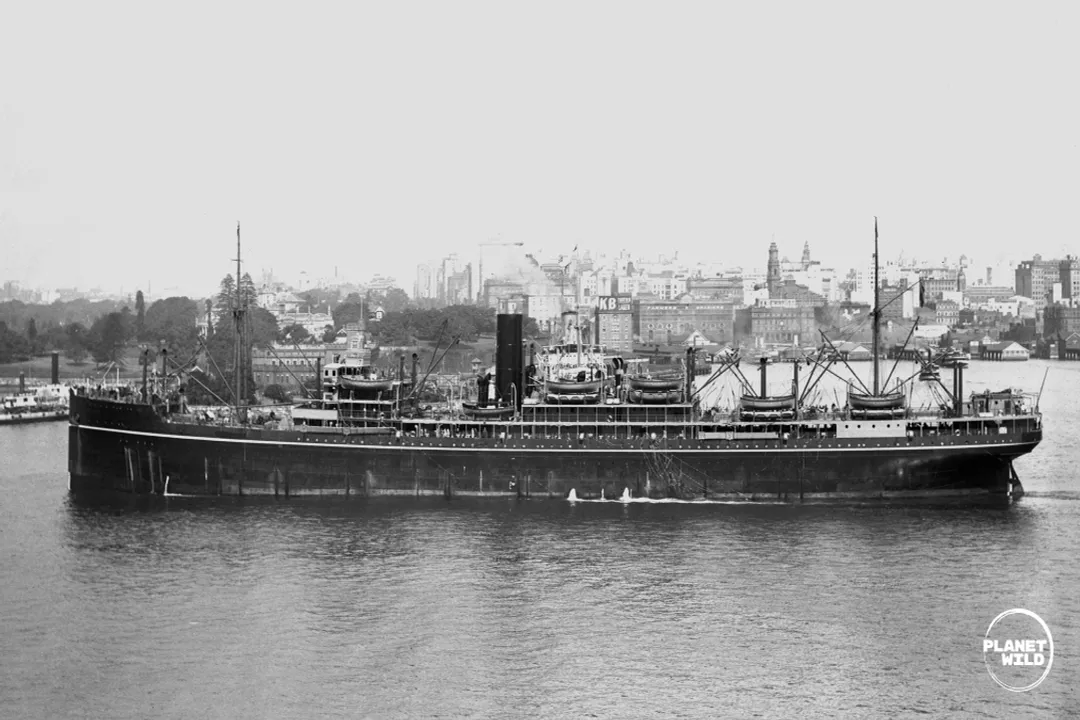
When an invasive species acts as a predator or consumes large amounts of specific native resources, the effect ripples upward and downward through the food web, a process known as a trophic cascade. [1] The removal or severe reduction of a native prey species can cause local extinctions not only for that prey but also for specialist predators that relied exclusively on it. [5]
One way to visualize the severity of this disruption is by looking at specialization versus generalization. A specialist native predator that relies on a single type of native insect, for example, will immediately face starvation if an invasive herbivore outcompetes that insect. [3] Conversely, if the invasive itself becomes a new, abundant food source, generalist native predators might thrive temporarily, but this boom is often unsustainable, leading to a subsequent crash when the invasive population inevitably fluctuates or moves on, leaving the predator population stranded without its primary new food source. [1]
# Disease Vectors
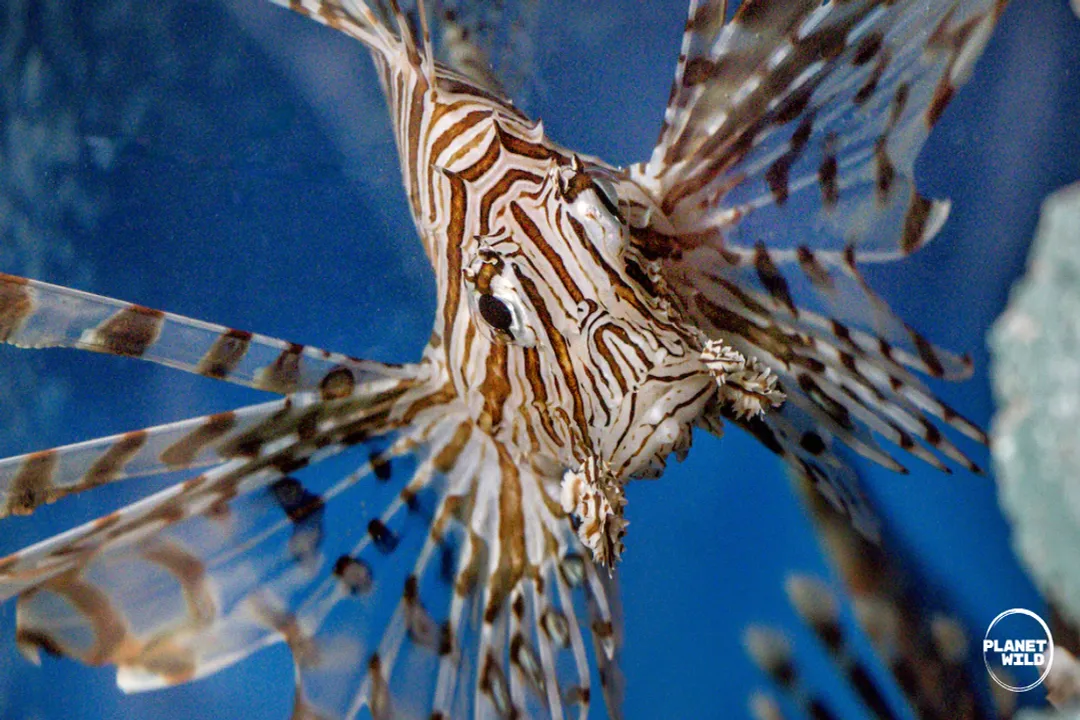
In addition to direct impacts, invasive species introduce entirely new biological threats: pathogens and diseases against which native populations have no evolved resistance. [5] Native wildlife has developed immune responses over vast stretches of time to local diseases, but a novel virus or bacterium brought in by a non-native host can spread unchecked, leading to mass die-offs. [3]
For example, certain introduced fish or amphibians can carry parasites that devastate local, defenseless populations of similar native species. [5] These novel pathogens can rapidly decimate sensitive populations, creating an ecological void. Understanding the disease transmission pathway is often difficult because the invasive carrier might show no symptoms itself, acting as a silent, persistent reservoir of infection in the habitat. [3]
# Impact on Biodiversity
The cumulative effect of competition, habitat alteration, predation, and disease is the erosion of biodiversity. [3][6] A habitat that was once characterized by numerous distinct species, each filling a unique niche, begins to homogenize, increasingly dominated by the successful invaders. [6] This reduction in species richness makes the entire ecosystem less resilient to future disturbances, such as drought or climate shifts. [5]
Ecologists observe this through various metrics, but the decline in endemic species—those found nowhere else in the world—is often the most alarming indicator of profound habitat disruption caused by invasives. [6] When a rare plant or amphibian vanishes from an island or a specific watershed due to an invader, that loss is permanent for the entire planet. [3]
To truly grasp the scale of risk in your local environment, one helpful exercise is a simple, localized biomass comparison. For instance, surveying a tenth of an acre of local parkland and estimating the percentage of total plant mass contributed by common invasives like English Ivy or Reed Canary Grass versus native species can offer a tangible, immediate sense of habitat dominance. If invasives account for over 60% of the visible biomass, the habitat is fundamentally compromised, regardless of the remaining native individuals present. [5] This localized dominance translates directly to reduced available resources for native insect life, which forms the base of many local food webs.
# Pathways of Spread
It is important to remember that these disruptive species don't usually arrive through natural means; their introduction is overwhelmingly tied to human activity. [2] Whether transported intentionally for ornamental purposes, as food sources, or accidentally via shipping containers, boats (via ballast water), or contaminated soil, the introduction event is the first step in the disruption sequence. [2][5] Control and management efforts, while costly, are essential to limit the expansion of established invaders and prevent new introductions, as management success is highest when action is taken early. [4][8] Federal agencies, for instance, dedicate substantial effort to monitoring transportation hubs and waterways to intercept potential invaders before they can establish self-sustaining populations that would inevitably lead to further habitat breakdown. [8]
# Minimizing Damage
While eradication is often the goal, complete removal of a deeply established invasive species is frequently impossible, meaning management shifts toward mitigation and control. [4] Successful mitigation requires an understanding of the invader's specific weaknesses. For example, if a specific invasive plant relies heavily on one native soil microbe for nutrient uptake, targeting that microbe in controlled settings, if possible without harming natives, could be a less broad-stroke approach than widespread chemical application. [1] This targeted approach recognizes that the habitat disruption is specific, and the solution must also be tailored to that specific ecological interaction. The overall aim is to reduce the invader's impact to a level where native communities can persist, even if they cannot fully rebound to pre-invasion conditions. [4]
Related Questions
#Citations
Environmental and Ecological Impacts
What is an invasive species? - NOAA's National Ocean Service
Invasive Species | National Wildlife Federation
Invasive Species Effects - Environment Impact & Solutions
Invasive species - Understanding Global Change
Invasive species are wreaking havoc on our ecosystems: Here's how
[PDF] How Invasive Species Affect Ecosystems - DigitalCommons@USU
Invasive Species | What We Do | U.S. Fish & Wildlife Service
Invasive Species: What You Can Do - The Nature Conservancy