What affects taste sensitivity?

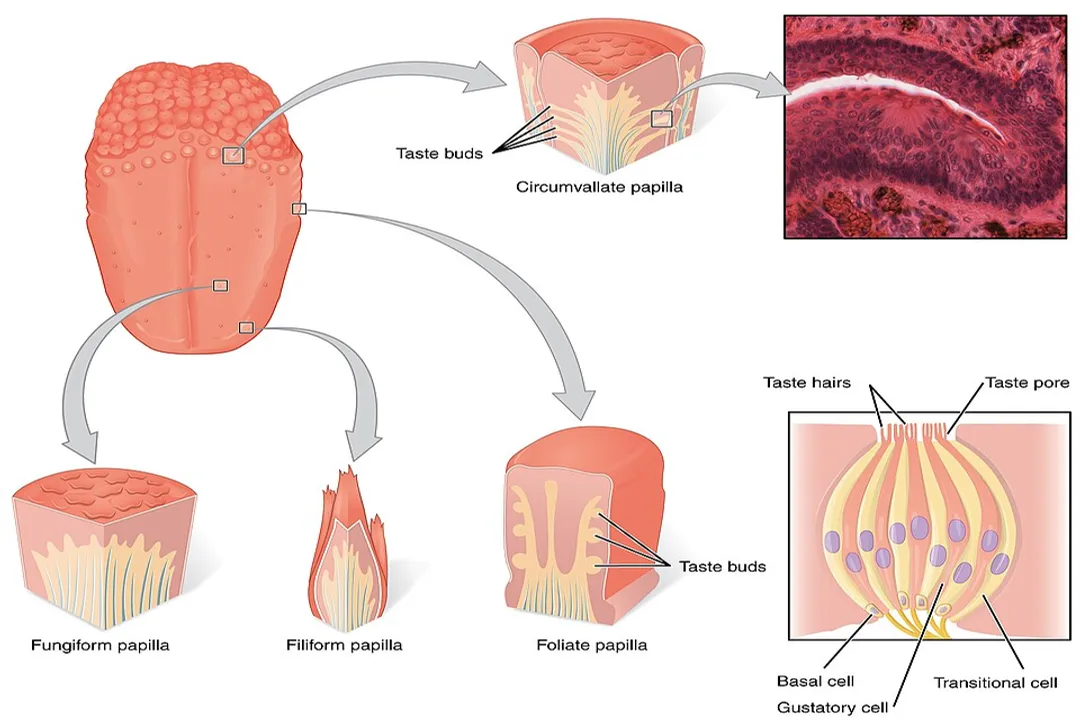
The experience of savoring food is far more intricate than the simple recognition of sweet, sour, salty, bitter, and umami on the tongue. What we commonly call "taste" is, in reality, a rich composite we refer to as flavor, woven together by numerous sensory inputs and internal conditions. [8] Understanding what influences our sensitivity to these basic tastes—or how our overall perception of flavor shifts—requires looking beyond the papillae on the tongue to examine everything from the air we breathe to the medications we take. [1][2]
# Smell Connection
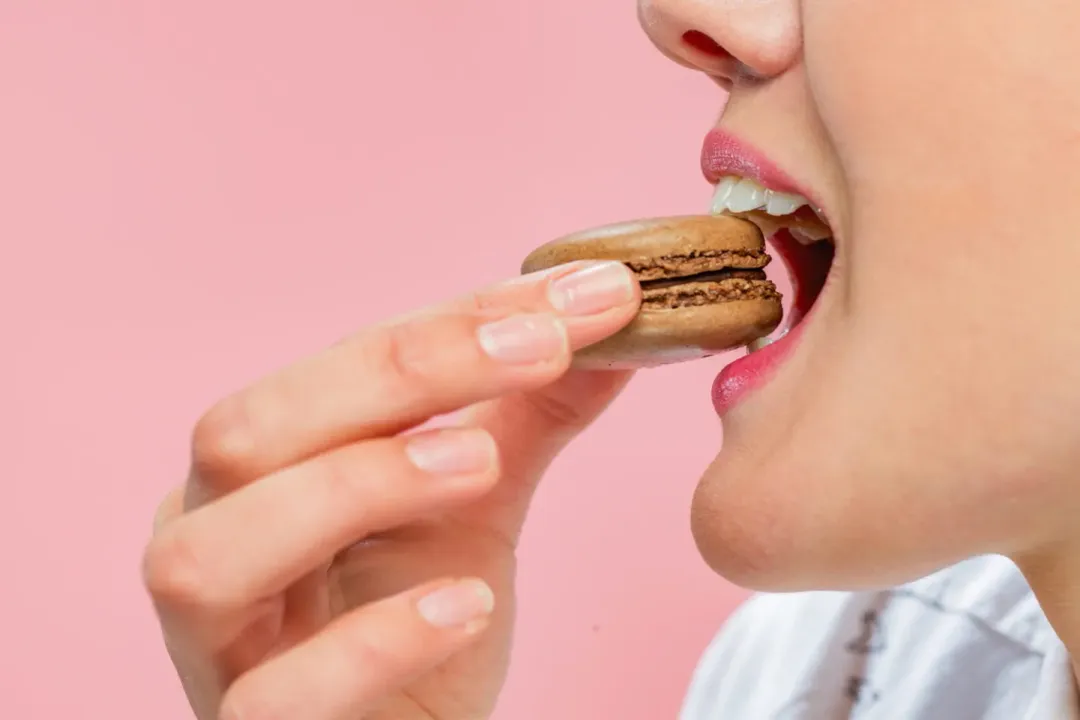
The most significant partner to our gustatory senses is olfaction, or the sense of smell. [5] While the tongue detects basic chemical tastes, the perception of specific flavors—like the difference between an apple and a pear, or coffee versus dark chocolate—relies heavily on volatile aromatic compounds reaching the olfactory receptors located high in the nasal cavity. [5] If the olfactory receptors cannot detect these molecules, the food registers as essentially bland, even if the sweetness or saltiness levels are perfectly normal. [2]
This intimate relationship means that anything obstructing the nasal passages immediately alters flavor perception. Common colds, sinus infections, or allergies effectively mute the complex dimension of flavor, leaving only the fundamental tastes. [5] Researchers note that the olfactory system sends signals directly to the brain regions responsible for processing taste, underscoring that flavor processing is centralized and interdependent. [5]
# Age Changes
One undeniable factor that modifies taste sensitivity is the passage of time. As we age, the body undergoes gradual changes that affect sensory acuity, including taste. [1] It is a common finding that taste sensitivity often diminishes in older adults. [1] This can manifest as a reduced ability to detect certain tastes, frequently noting a lower recognition threshold for both salt and sweet flavors. [1]
This decline isn't always uniform across all taste types, which can lead to dietary challenges. For instance, if an older individual struggles to taste salt, they might naturally over-season their food to achieve the expected level of savoriness, which could present dietary concerns like high sodium intake. [1]

# Oral Environment
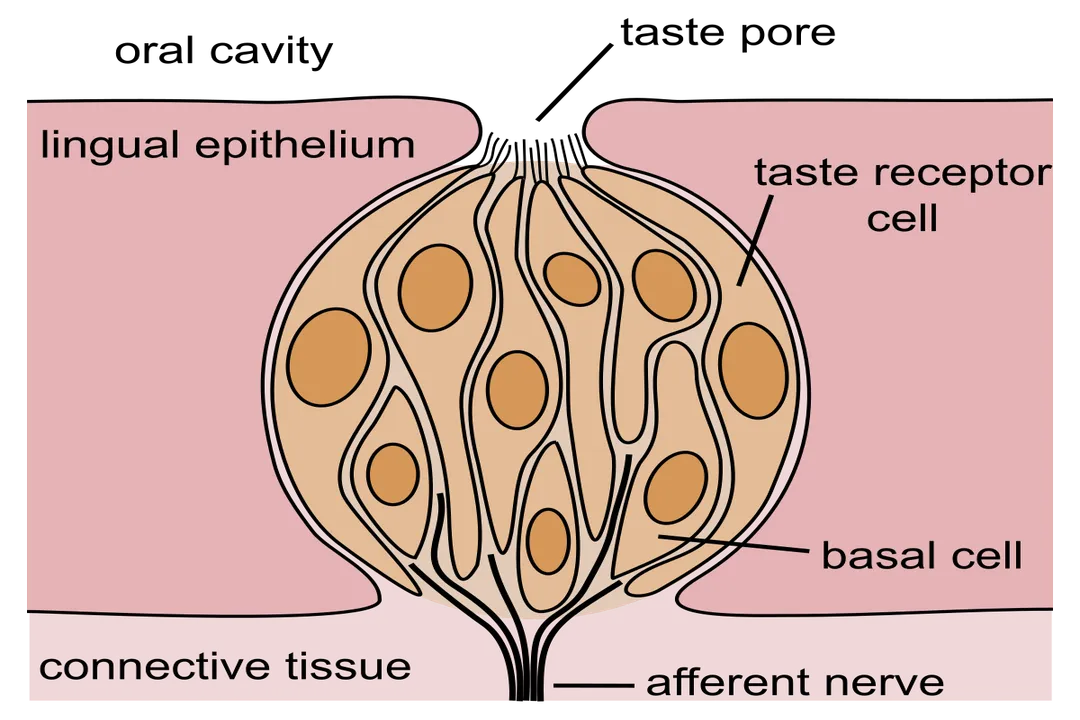
The immediate environment within the mouth plays a direct, physical role in how chemicals interact with taste receptors. [9] Saliva is crucial; it dissolves the chemical compounds in food, allowing them to stimulate the taste buds. [9] Conditions that cause a dry mouth, medically known as xerostomia, directly impede this process, leading to reduced taste perception because the flavor molecules cannot properly reach the receptors. [9]
Furthermore, the health of the oral cavity itself is paramount. Poor dental hygiene can affect the tongue's surface and the surrounding tissues. [9] Sometimes, taste distortion, known as dysgeusia, occurs, which can manifest as a persistent unpleasant taste, such as metallic or salty, even when no food is present. [4] This condition is frequently associated with underlying oral issues or systemic problems. [4]
# Food Characteristics
Taste perception is not purely chemical; it is heavily influenced by the physical attributes of the substance being consumed. [1] Temperature profoundly affects how intensely we perceive certain tastes. For example, sweetness is often perceived more intensely in cooler foods, while bitterness may be more pronounced when food is hot. [1]
Texture, often grouped under the term mouthfeel or somatosensation, also tricks the brain. The creaminess of a sauce or the crunch of a vegetable alters the overall flavor experience even if the chemical composition remains static. [7] Think about how a thick, viscous beverage is expected to taste sweeter or richer than the exact same liquid served thinly and watery—the brain sets an expectation based on the physical resistance the food offers, influencing perceived taste intensity. [1] This interaction between texture and actual taste intensity is one of the most fascinating areas where objective chemistry meets subjective experience.
To illustrate this sensory crossover, consider two identical servings of gelatin dessert, both containing the exact same concentration of sugar. If one is prepared with a firmer gel structure (higher viscosity) and the other is barely set (lower viscosity), many tasters will report the firmer gel as tasting significantly sweeter, even though the chemical stimulus is identical. [7] The brain integrates the tactile feedback (how hard the tongue has to work to move the substance) into the final flavor calculation.

# Medications Effects
A wide array of therapeutic agents can inadvertently modify taste perception, often resulting in dysgeusia. [4] This is a significant side effect for many patients, potentially leading to poor compliance with necessary treatments because the patient finds the taste unbearable. [2]
Medications can affect taste in several ways:
- They might alter the chemistry of saliva. [2]
- They can directly cause taste bud damage or change their signaling. [4]
- They can stimulate taste receptors themselves, generating an inappropriate signal, often described as a metallic or bitter aftertaste. [2]
Common culprits include certain antibiotics, anti-thyroid drugs, drugs used for high blood pressure, and many chemotherapy agents. [2][4] The effect can be immediate upon starting a course of medication or develop over time. [2]
# Nutritional Status
The building blocks for healthy sensory systems come directly from what we eat. If the diet is lacking in essential micronutrients, the regeneration and proper functioning of taste receptors can suffer. [3]
Taste buds have a relatively short lifespan, constantly regenerating, which requires a steady supply of nutrients for cell turnover. [6] Deficiencies in certain minerals are strongly implicated in altered taste sensitivity. [3] For instance, zinc is a well-documented cofactor essential for taste bud maintenance and the function of gustin, a protein important for taste signaling. [3] Insufficient zinc intake can lead to reduced taste acuity or chronic alterations in how things taste. [3] Similarly, deficiencies in Vitamin A or certain B vitamins can also compromise the health of the oral mucosa and the taste apparatus. [3]

# Habit Influence
Lifestyle choices can either sharpen or dull the sensory experience over time. Perhaps the most well-known behavioral factor influencing taste sensitivity is smoking. [1] Regular tobacco use has a significant, generally negative, impact on the ability to taste. [1] Over time, smokers often report a dulling of their senses, requiring more intense flavors to register the same level of satisfaction they once did. [2]
Conversely, sometimes the cessation of a habit can cause a temporary shock to the system. When a heavy smoker quits, their taste sensitivity often increases quite suddenly, sometimes leading to foods tasting intensely strong or even unpleasant for a period until their system readjusts. [2] This rapid swing highlights the brain's plasticity and its ability to adapt its sensitivity threshold based on continuous exposure to chemical stimuli.
To better visualize how these diverse factors converge, one might compare the impact of acute physical blockage versus chronic chemical interference. A simple stuffy nose (acute blockage) temporarily stops flavor input via the nose, which resolves quickly upon recovery. [5] In contrast, a medication causing a constant metallic taste (chronic chemical interference) actively misfires the taste signals 24/7, requiring a systemic change (stopping the drug or managing the side effect) to restore normal function. [4]
# Pathogen Interference
Illness, particularly that involving inflammation or viral assault, frequently disrupts taste mechanisms. [4] While respiratory infections cause temporary smell loss, some viral or bacterial infections can directly attack or inflame the taste receptors or the cranial nerves responsible for transmitting taste signals to the brain. [4]
When inflammation is high, or when the body is fighting an infection, general metabolic shifts can also indirectly affect the delicate balance required for accurate taste signal transduction. [6] This often explains why food tastes "off" during a bout of flu or even during periods of high stress, where systemic inflammatory markers are elevated. [4]
The complexity of taste sensitivity means that changing one variable—like starting a new supplement for nutrition or switching brands of toothpaste—can ripple through the entire sensory experience. Because the system relies on a highly coordinated effort between the tongue, the nose, the mouth's chemistry, and the brain's interpretation, any interference at any point in that chain will result in a change to the perceived flavor profile. [1][7]
Related Questions
#Citations
10 Factors Influencing Taste Perception - McCormick Flavor Solutions
10 Surprising Factors That May Affect Your Taste
Temporal patterns in taste sensitivity | Nutrition Reviews
Dysgeusia (Altered Taste): Causes & Treatment - Cleveland Clinic
Taste & Smell - Learn Genetics Utah
Taste Sensitivity - an overview | ScienceDirect Topics
Factors explaining individual differences in taste sensitivity and taste ...
Taste - Wikipedia
Why Might My Sense of Taste Change? - WebMD