What flower can last the longest without water?
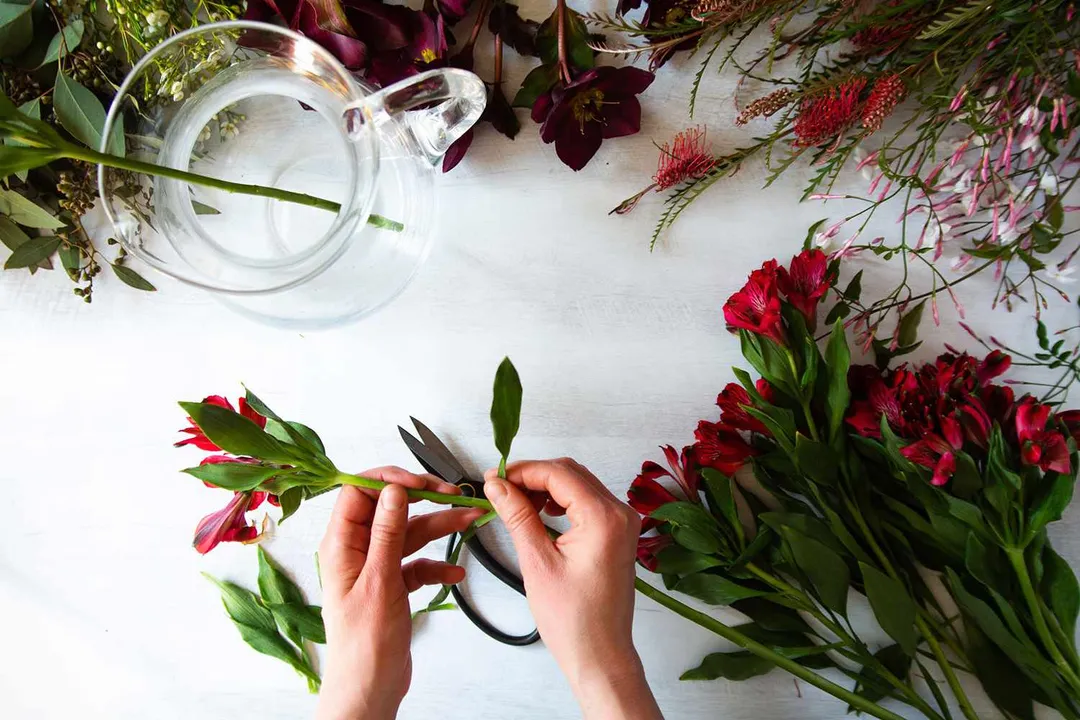
The quest to find the flower that boasts the supreme ability to remain visually appealing without a drop of water often leads down paths dominated by dried arrangements, but some fresh-cut varieties possess surprisingly robust structures that allow them to defy the vase life clock for an extended period. [1][3] It is less about which flower is the most beautiful and more about which botanical architecture is best suited to conserve internal moisture when external support is removed. [6] Certain flowers, such as those with thick, waxy petals or straw-like textures, simply have a lower rate of transpiration or are naturally predisposed to drying without losing their shape. [3]
# Drying Champions
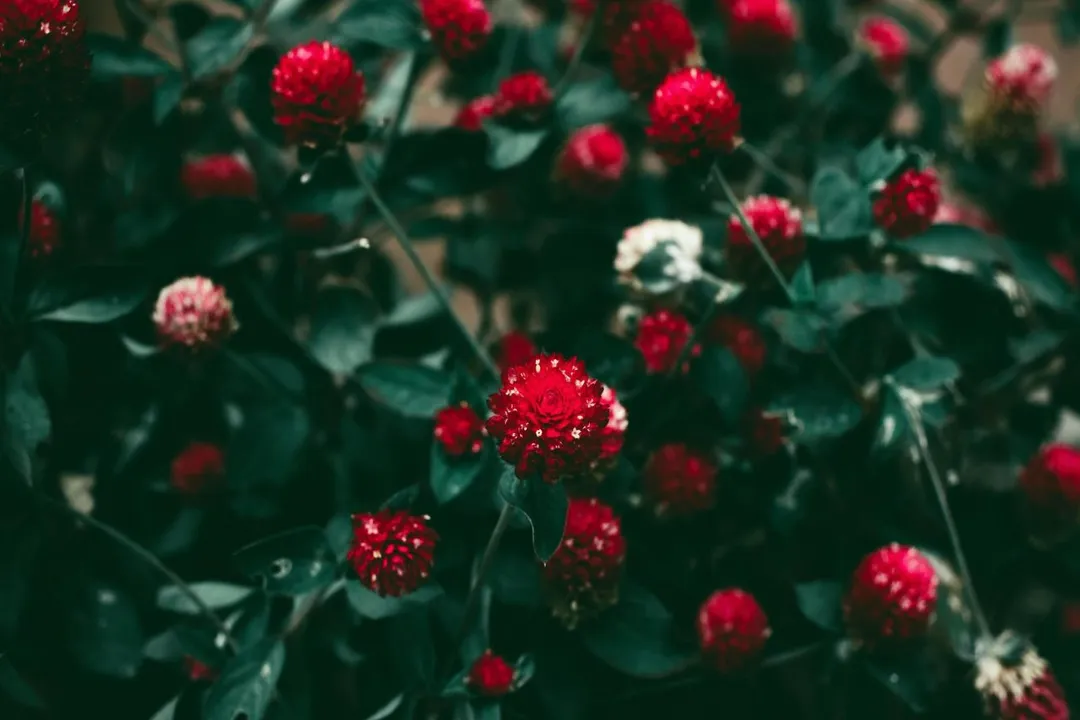
When the goal is longevity measured in weeks or months, the conversation shifts toward flowers that are either already semi-dried or are exceptionally good candidates for air-drying, retaining their color and form beautifully when completely removed from water. [1][5] These specimens are often the first choice for creating everlasting bouquets or incorporating into dried centerpieces.
Celosia, often called Cockscomb, stands out for its vibrant, plume-like, or brain-like heads. [1][5] It holds its brilliant colors incredibly well as it dries, making it a top contender for extended display without any water intervention whatsoever. [3][5] Similarly, Statice, also known as Sea Lavender, is famed in the floral world precisely because it retains its structure and hue when dried, capable of lasting indefinitely once dehydrated. [1][5] Its papery texture is a key indicator of its low internal water requirement relative to its appearance. [3]
Another excellent choice in this category is the Strawflower (Bracteantha bracteata). [3] As its name suggests, its bracts (the petal-like structures) are naturally dry and stiff, giving it a parchment feel even when freshly cut. [3] They are frequently used in crafts and arrangements where water is impractical or undesirable. Beyond these, Craspedia—the familiar, bright yellow Billy Balls—are structurally designed to dry perfectly upright and maintain their spherical form, often lasting for a very long duration once harvested. [5]
For those interested in non-traditional looks, succulents frequently come up in discussions about water independence. [6] While not always considered a "cut flower" in the traditional sense, a well-rooted succulent or even a detached rosette, given the right environment, will last far longer than almost any soft-petaled bloom because its primary function is water storage within its leaves. [7]
# Tough Structures
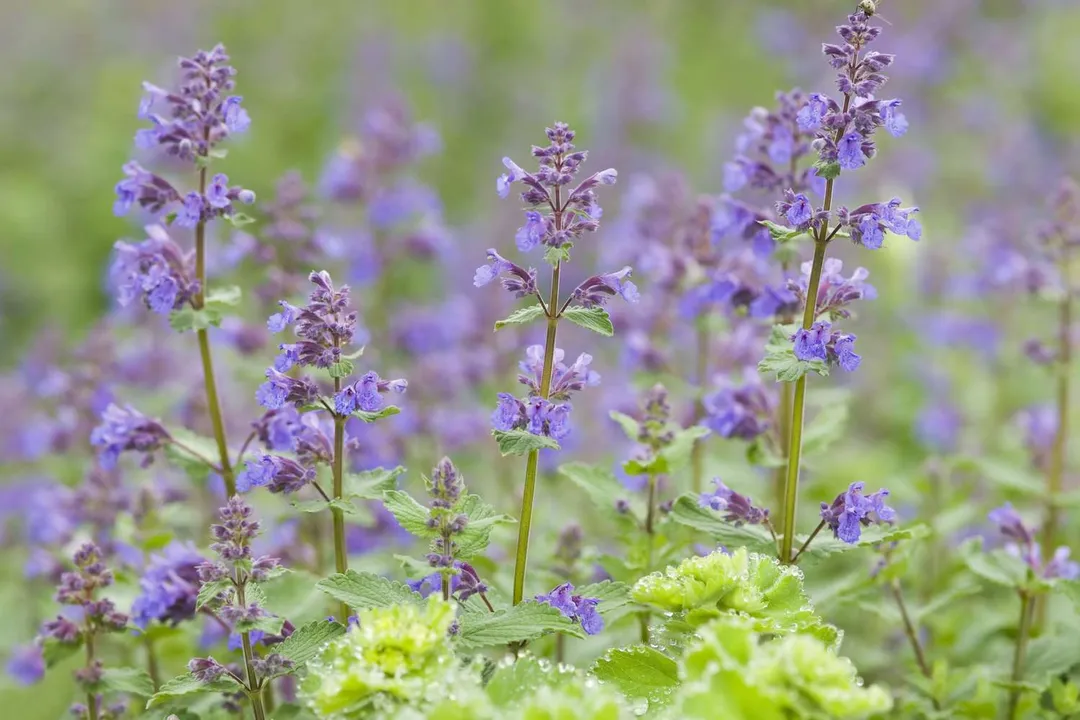
If the requirement is to keep a fresh flower looking good for perhaps a few days out of water—perhaps during transport, setup for an event, or as a temporary centerpiece decoration—the focus shifts to flowers with dense heads or robust, non-porous exteriors. [2][4]
Hydrangeas often surprise people with their ability to last out of water for a significant period. [8] This is partly due to their large, clustered heads which can act as a moisture reservoir, and some florists report that they can often be successfully brought back to life even after showing slight wilting, provided the stems are re-cut and placed in water quickly. [1][8] To get the most out of a Hydrangea head separated from water, ensuring the base of the stem is sealed or placed against a damp material can help buy a few extra hours. [1]
Proteas and their relatives, such as Leucadendrons, are known for their architectural, woody structure. [2][5] These South African natives are inherently durable. Their thick, often leathery petals and sturdy stems mean they naturally resist wilting compared to delicate flowers like tulips or poppies. [2] They are a favorite among florists who need elements that can withstand hours of handling and staging without immediate access to hydration. [2][4]
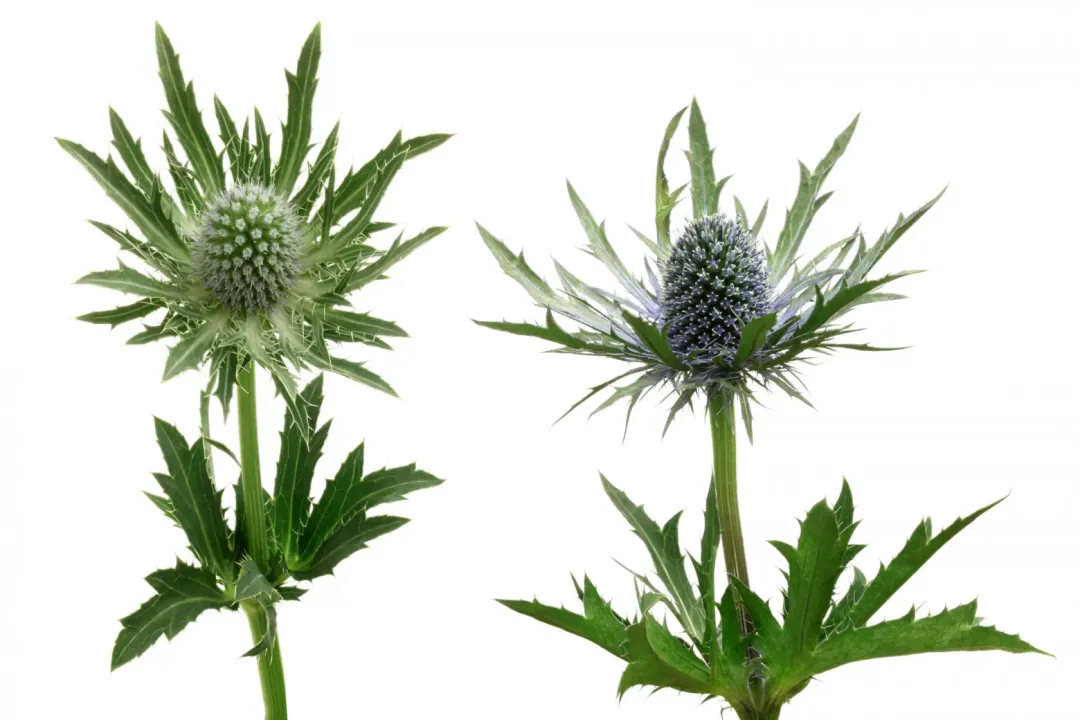
Thistles (Eryngium) also fall into this category. [2][5] Their spiky, silvery-blue heads offer a strong, structural element that tolerates being out of water far better than most standard filler flowers. They rely less on rapid water uptake and more on their inherent rigidity to hold their shape. [5]
| Flower Type | Primary Structure Feature | Typical Waterless Endurance | Best Use Case |
|---|---|---|---|
| Celosia/Statice | Papery/Dry Bracts | Weeks to Months (Dried) | Everlasting Arrangements |
| Protea/Leucadendron | Woody/Leathery Head | Days (Fresh) | Event Staging/Temporary Displays |
| Hydrangea | Large, Dense Head | Hours to 1-2 Days (Fresh) | High-Impact Temporary Decor |
| Craspedia (Billy Balls) | Small, Compact Sphere | Months (Dried) | Textural Filler/Color Pop |
| Roses/Lilies | Soft Petals/High Transpiration | Hours (Fresh) | Transport Only |
[1][2][3][5]

# Brief Survival
While the previous categories focus on long-term survival (days to months), sometimes the practical need is simply to keep flowers looking fresh during a short transition period—say, from the market to the home, or during the setup phase of a wedding or party. [4] In these brief windows, general tips can extend survival significantly.
Florists note that certain common flowers, despite their reputation for needing constant water, can manage for several hours if their stems are kept intact and cool. [4] Roses, Lilies, and Carnations can often handle a few hours out of water, especially if they were recently conditioned. [4] The key here is preventing stem blockage and reducing moisture loss from the leaves. A crucial piece of advice that applies universally, whether the flower lasts an hour or a month, is the immediate removal of any foliage that would sit below the waterline in a vase. [1] When flowers are temporarily out of water, removing leaves also minimizes the surface area available for transpiration, effectively reducing the plant's need to pull water it cannot access. [1]
One observation worth noting is the difference in vascular efficiency between flower families. Flowers with single, large stems, like many lilies or sunflowers, might wilt visibly faster than clusters of smaller, tougher blooms like Baby's Breath (Gypsophila) when deprived of water. [5] This is because the overall surface area of the leaves on the sunflower is far greater, increasing the overall evaporative demand on the limited water reserves in the stem and head. [1] Thinking about this transpiration rate—how quickly the flower "breathes" out water vapor—is more helpful than simply looking at petal thickness for short-term survival estimates.
# Maximizing Time
To squeeze every possible hour out of a flower that is intentionally kept dry, preparation methods borrowed from the preservation world can be adapted. [1] For flowers intended to be displayed dry, like Statice or Celosia, cutting them in the late morning when sap flow is naturally lower can yield better preservation results than cutting them when they are saturated early in the day. [1]
If you are aiming for a temporary, vase-less display lasting one or two days, consider the environment. A flower's worst enemy, besides no water, is heat and direct sunlight, both of which drastically accelerate the drying process and lead to premature browning or dropping of petals. [1] Keeping the display in a cool, shaded spot is paramount for extending the life of any cut flower, regardless of its inherent water tolerance. [1]
For truly ambitious displays that need to last more than a couple of days without a vase, incorporating floral foam—even if you don't plan to keep it wet indefinitely—can provide a damp medium for a short time, which can slightly prolong the "fresh" look compared to placing the stem ends on a totally dry surface. [1] However, for flowers truly meant to be waterless, the best approach is to use specialized, naturally dry materials or to dry the fresh blooms deliberately over time. [5]
# Waterless Display
The best strategy for truly long-term, water-free arrangements hinges on understanding that you are moving from fresh flower care to botanical art preservation. The flowers listed as "Drying Champions" succeed because their structural components—the bracts, the woody core, or the lack of soft, easily spoiled tissue—allow them to desiccate slowly and gracefully. [3]
It's interesting to compare the physical needs of a flower like a Rose versus a Protea when deprived of water. A Rose has thin, delicate petals that transpire rapidly and wilt dramatically when water pressure drops, meaning it might look defeated after just a few hours on a table. [4] In contrast, a Protea’s dense, almost armor-like structure maintains its volume and rigidity much longer, looking "alive" even when its internal water content has significantly decreased. [2] The former is optimized for rapid water uptake; the latter seems optimized for slow water retention.
For an arrangement that needs to last the entire week without thinking about water, focus exclusively on fully dried elements: Statice, Celosia, Craspedia, Strawflower, and preserved Eucalyptus or other sturdy foliage. [5] When sourcing these, look for blooms that have already started to dry naturally on the plant or those that feel fully rigid to the touch, rather than soft or pliable, signaling they are ready for an indefinite waterless lifespan. [3]
Related Questions
#Citations
Here's How Long Cut Flowers Can Go Without Being in Water
Floral hacks: Joseph Massie's Top waterless flowers - Marginpar
Which Flowers Last the Longest Without Water? (LA Guide)
Flowers that can handle being out of water for use in hairstyle?
Flowers and Foliage that Last Out of Water | Sunshine Bouquet
11 Flowers That Thrive With Little to No Water - Epic Gardening
10 Summer Flowers You'll Hardly Ever Have To Water
These Flowers Surprisingly Stay Fresh For The Longest Time
Keeping Flowers Beautiful: How Long Can Flowers Go Without Water?