What flower thrives in the harsh environment?
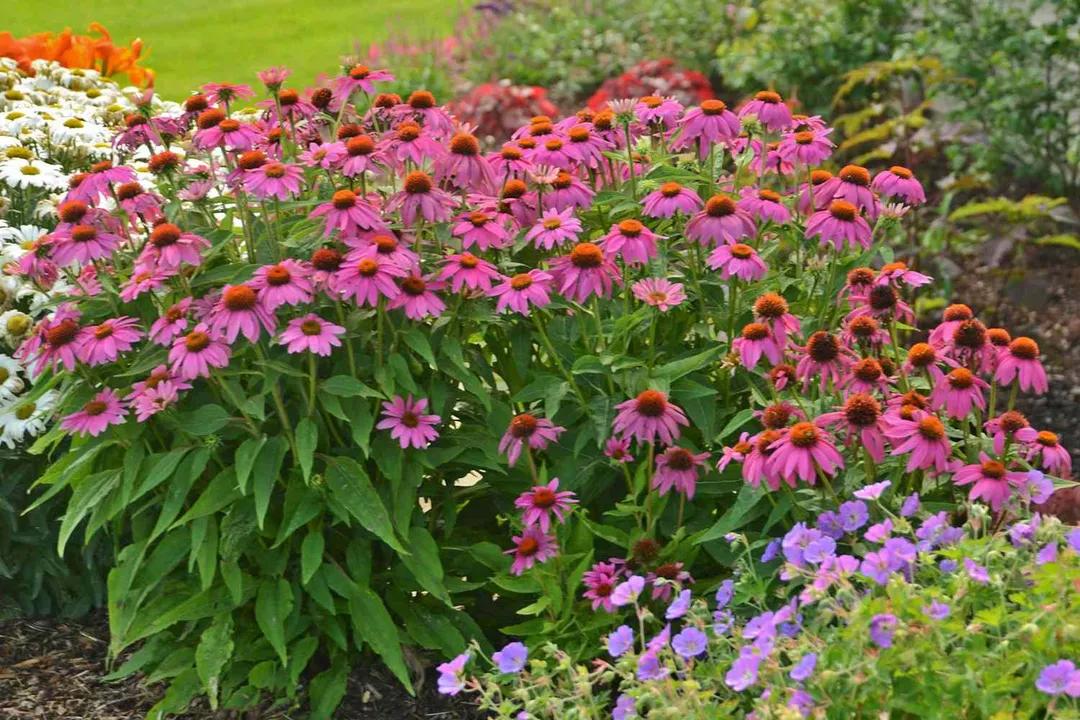
The search for a flower that can genuinely flourish where others wither is a quest that speaks to the gardener’s eternal hope for dependability. It is not enough for a plant to simply survive a difficult spot; true resilience means it puts out blooms and holds its structure year after year despite the odds. [1][3] These botanical champions have evolved specific characteristics, often trading delicate beauty for sheer tenacity, allowing them to thrive across conditions that would decimate less adapted species. [7]
# Defining Resilience
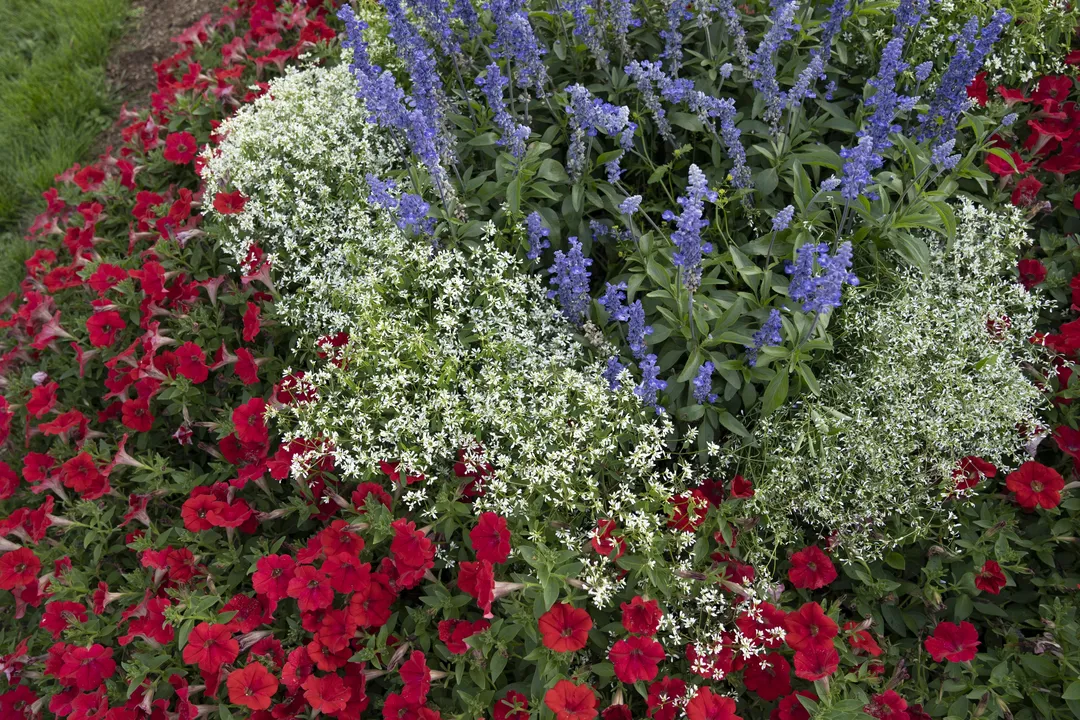
Understanding what makes a flower “tough” requires looking past simple hardiness zoning and examining its survival strategy. [3] A harsh environment is multifaceted: it could mean relentless, baking sun coupled with months of drought, prolonged periods of unexpected cold snaps, soil that is little more than crushed rock, or even high levels of physical disturbance. [1][4] Some plants, like those frequently encountered in tropical wedding arrangements in places like Hong Kong, must contend with intense, near-constant humidity alongside high heat, which breeds fungal challenges. [2] The ability to endure these stresses stems from anatomical differences—thicker, waxy cuticles on leaves to slow water loss, extremely deep or widely spreading root systems to scavenge moisture, or even just a growth habit that allows them to quickly bounce back after being crushed or heavily pruned. [1][7]
# Sun Scorched
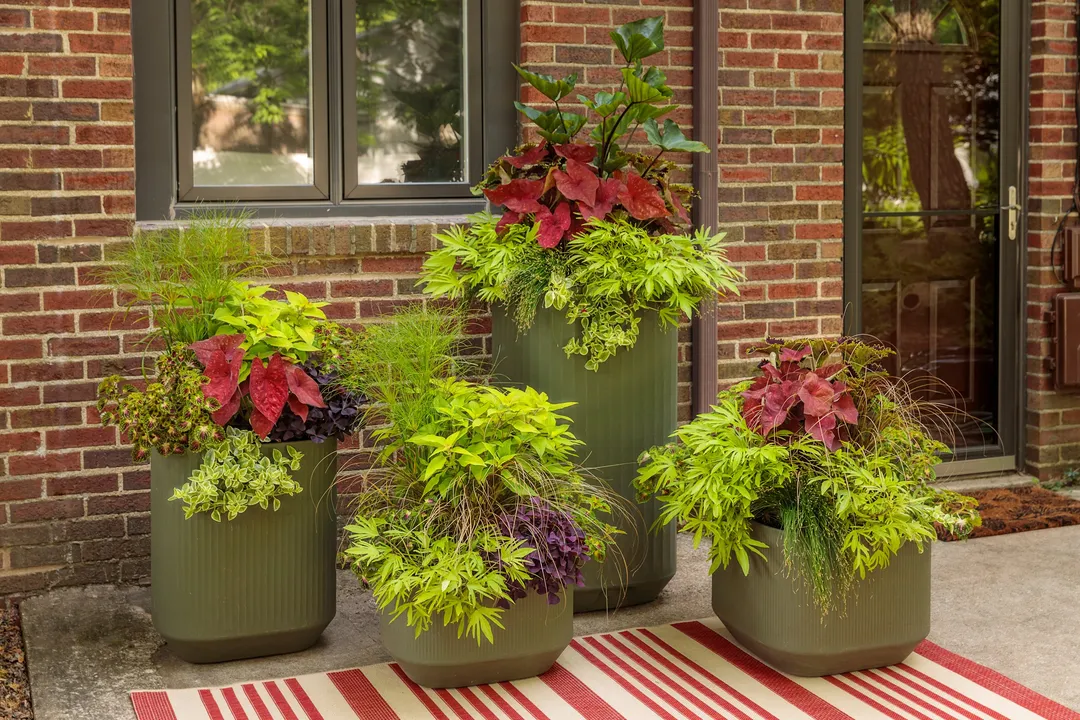
The midday summer sun, especially when paired with dry, fast-draining soil, acts as a major filter for garden selections. Plants that excel here often come from arid or semi-arid native regions. [8] Sedum (stonecrop) varieties are famous for this, possessing succulent leaves that store water, making them incredibly effective at weathering dry spells. [8] Similarly, certain yarrows, like Achillea millefolium, are noted for their tolerance to neglect and intense sun exposure, often preferring lean soil over rich, water-retentive loam. [1][3]
When considering species developed for high-heat endurance, many come from specialized breeding programs focused on durability. [8] Proven Winners highlights several that can handle hot weather without collapsing into a wilted mess, including Lantana camara cultivars, which are practically famous for flowering profusely even when temperatures soar. [8] Another excellent candidate for relentless southern exposure is Salvia greggii, or Autumn Sage, which handles heat well and often perks up with supplemental water but rarely demands it to survive. [8]
It is interesting to note the difference in adaptation strategies here: a Sedum survives heat by hoarding resources, slowing its metabolism, and resisting evaporation. [8] In contrast, a high-performing Lantana thrives by keeping its stomata (pores) nearly shut during the hottest part of the day but rapidly opening them to process CO2 and bloom whenever the temperature dips even slightly, maintaining high overall productivity despite the thermal challenge. [8]

# Winter Hardy
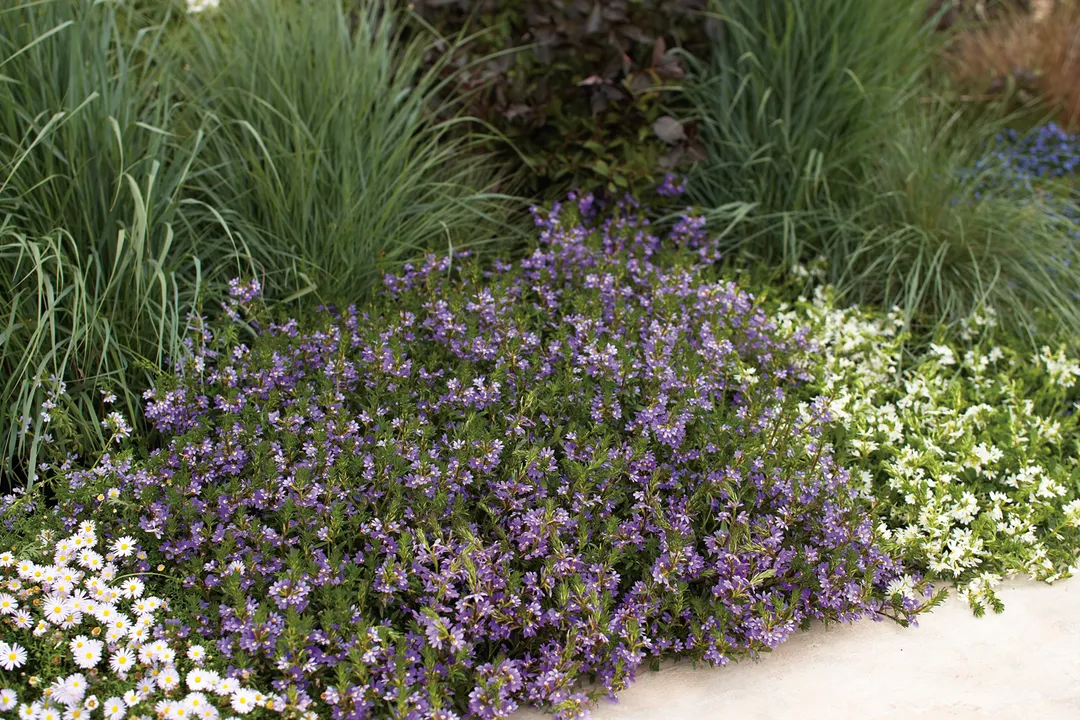
Conversely, thriving in a harsh environment can mean surviving a brutal winter where temperatures plunge far below freezing, often coupled with dry winter winds or heavy snow load. [7][9] Plants designated for toughness in the Midwest, for instance, must reliably return after periods where the ground freezes solid. [9]
Hosta species, while often associated with shade, are surprisingly tough perennials that can take abuse from frost and fluctuating spring temperatures, provided they have adequate moisture during the growing season. [1] Perhaps the most reliable cold-tolerant bloomers are many varieties of Hemerocallis (Daylilies). [7] They die back completely to the crown, waiting out the worst of the weather, and their root structure is deep enough to handle significant freeze-thaw cycles. [3][9] Certain Russian Sage varieties (Perovskia atriplicifolia) are also noteworthy; they demand excellent drainage, which helps prevent root rot during wet, cold winters, and they generally tolerate temperature swings well. [3]
# Poor Ground
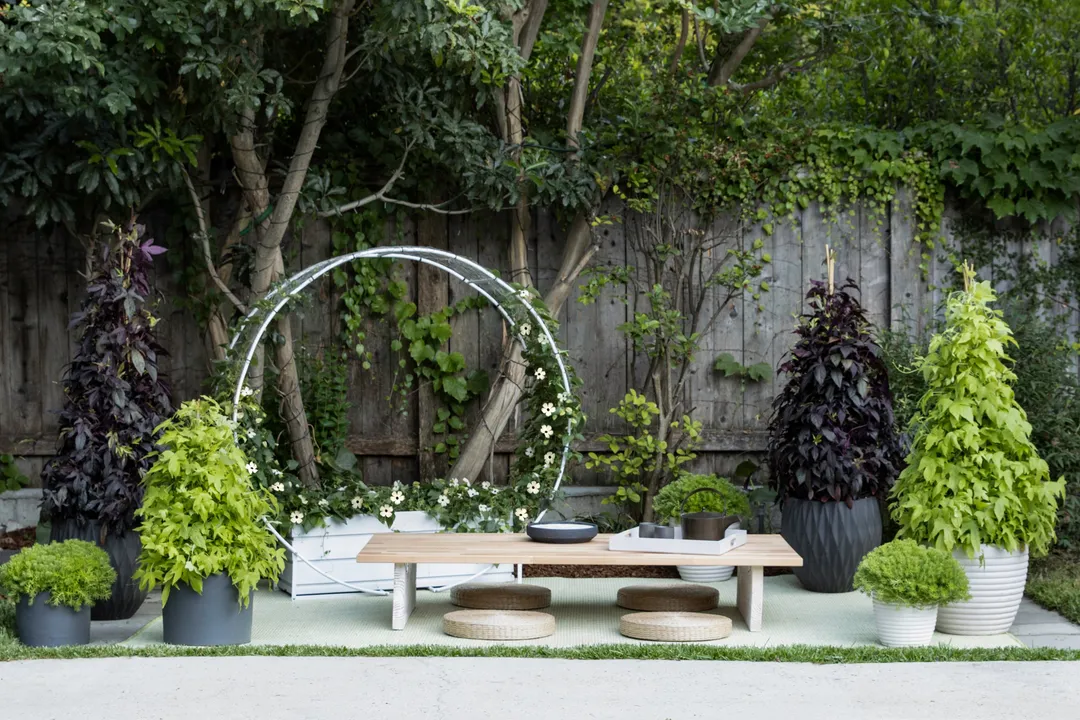
Not all harsh environments involve temperature extremes; sometimes the challenge lies solely in the substrate. Highly amended, perfectly balanced soil is a luxury that many plants cannot rely on, especially in xeriscaping or areas prone to soil erosion. [4] When soil quality is low—lacking organic matter, having extreme pH, or simply being compacted clay—the plant must be able to effectively mine whatever scarce nutrients are available. [1]
Coneflowers, particularly the native Echinacea purpurea, are remarkably adaptable to poor, dry soils, provided they aren't sitting in standing water. [3][7] Their long taproots anchor them firmly and seek out water deep below the surface, ignoring the poor topsoil. Black-eyed Susans (Rudbeckia hirta) share this characteristic, often naturalizing readily in disturbed or less-than-ideal spots. [1][3] For gardeners dealing with heavy clay, plants that have fibrous root systems which can slowly break up compaction, like certain ornamental grasses, often precede the flowering plants that follow, but some flowers adapt well enough to the density themselves. [9] If you are working in an area that receives heavy foot traffic, even inadvertently, looking for ground-hugging spreads rather than upright forms will dramatically increase perceived success, as the leaves are less likely to be stepped upon and broken off. [1]
# Physical Stress
The demands placed on a flower are not always environmental; sometimes they are purely mechanical. This includes wind exposure, salt spray near roads or coasts, or animals seeking shelter or food. [7] In the context of chaotic or heavily used areas, as discussed in permaculture circles, plants need to be able to sustain damage and not quit. [4]
For windy sites, plants with flexible stems that bend rather than snap are necessary. Ornamental grasses fit this description perfectly, absorbing the wind's energy. [9] Among traditional flowers, Yucca filamentosa (Adam's Needle) offers near-total immunity to damage from most common garden pests and severe winds due to its stiff, fibrous structure, though its bloom time is brief compared to continuous bloomers. [3] Where salt tolerance is an issue, often encountered near coastal regions or heavily salted winter sidewalks, Armeria maritima (Sea Thrift) is a strong contender, as it is naturally adapted to maritime environments. [3]
Here is a simple way to categorize these extreme adaptions based on the primary threat encountered:
| Primary Stressor | Key Adaptation Type | Example Flower (Based on Source Data) |
|---|---|---|
| Extreme Heat/Sun | Water Storage/Efficiency | Sedum (Stonecrop) [8] |
| Deep Freeze/Frost | Dormancy/Deep Roots | Hemerocallis (Daylily) [7][9] |
| Poor/Compacted Soil | Deep Taproot/Low Nutrient Need | Echinacea (Coneflower) [1][3] |
| High Humidity/Heat | Disease Resistance | Certain Tropical Bloomers [2] |
This table highlights that the mechanism of survival often dictates which plant works best, making the diagnosis of the environment slightly more critical than the simple act of planting. [3]
# Cultivation Realities
Even the toughest flower benefits from a thoughtful initial placement. While many incredibly resilient plants tolerate neglect, they usually establish their foundational structure best with one season of decent care. [3] For instance, even the heat-loving Lantana establishes its root system much more quickly if given moderate water during its first few months. [8] An important practical step, often overlooked by those seeking "zero maintenance" solutions, is ensuring that the initial hole dug for planting allows for good drainage, especially in clay soils, which can still suffocate the roots of even a tough perennial if the water cannot move away from the root crown. [9] Ignoring this initial drainage check can turn a potentially hardy plant into a short-lived failure, regardless of its genetic predisposition for toughness. [1]
Ultimately, finding a flower that truly thrives in a harsh environment means matching its specific evolutionary coping strategy—whether it's water storage, deep rooting, or flexible growth—to the specific challenge presented by your unique patch of ground. [1][3]
#Videos
15 Low Maintenance Perennials That Thrive in Tough Conditions
Related Questions
#Citations
14 Tough Perennials That Can Take Abuse (and Still Thrive)
Flowers That Thrive in the Most Extreme Conditions - BLOOM & SONG
Flowers that Grow in Harsh Conditions - Garden Crossings
What plants are going to thrive in chaotic, rapidly changing ... - Reddit
Flowers that thrive in harsh environments - Facebook
15 Low Maintenance Perennials That Thrive in Tough Conditions
These 10 Resilient Flowers Will Survive the Most Extreme Weather
20 Tough Plants for Full Sun & Heat That Thrive All Summer
18 Tough Plants for a Changing Climate - Midwest Living