What color of stars has the longest lifespan?

The color of a star is the most immediate clue we have to its potential lifespan, though perhaps not in the way one might initially expect. If you are looking for the universe’s marathon runners—the celestial bodies destined to shine for incomprehensibly long stretches of time—you need to look toward the dimmest, coolest objects: the red stars. [9] These faint denizens of the cosmos drastically outlive their brighter, more massive cousins, offering a study in cosmic patience. [7]
# Mass Determines Life
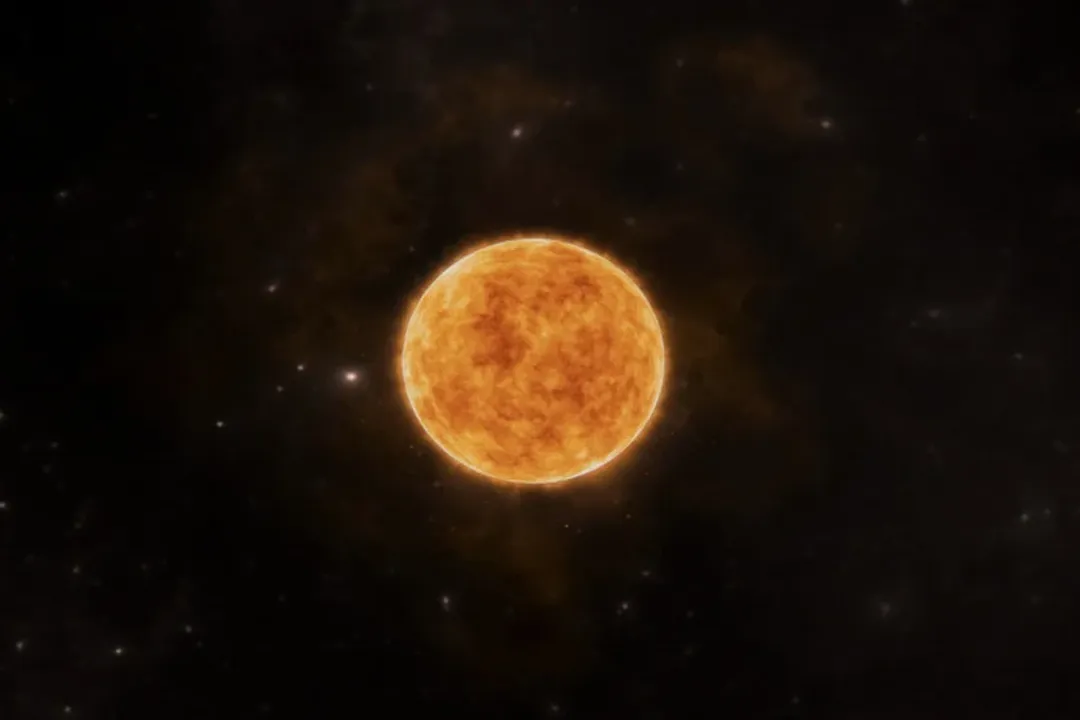
The fundamental principle governing how long any true star lives is its initial mass. [4] A star’s mass dictates its core temperature and pressure, which in turn controls the rate at which it fuses hydrogen into helium. A small star has a much lower fuel consumption rate than a giant one. [1][4] This relationship is an inverse one: the smaller and less massive the star, the longer its tenure in the galaxy. [7]
When we look at a star's color, we are essentially reading its surface temperature, which is a direct proxy for its mass. [9] Blue or white stars are the hottest and most massive; they burn through their vast fuel reserves in a furious blaze, lasting only a few million years. [4] Yellow stars, like our own Sun, strike a middle ground, enjoying a respectable tenure of around 10 billion years. [6][7]
# Red Dwarf Age
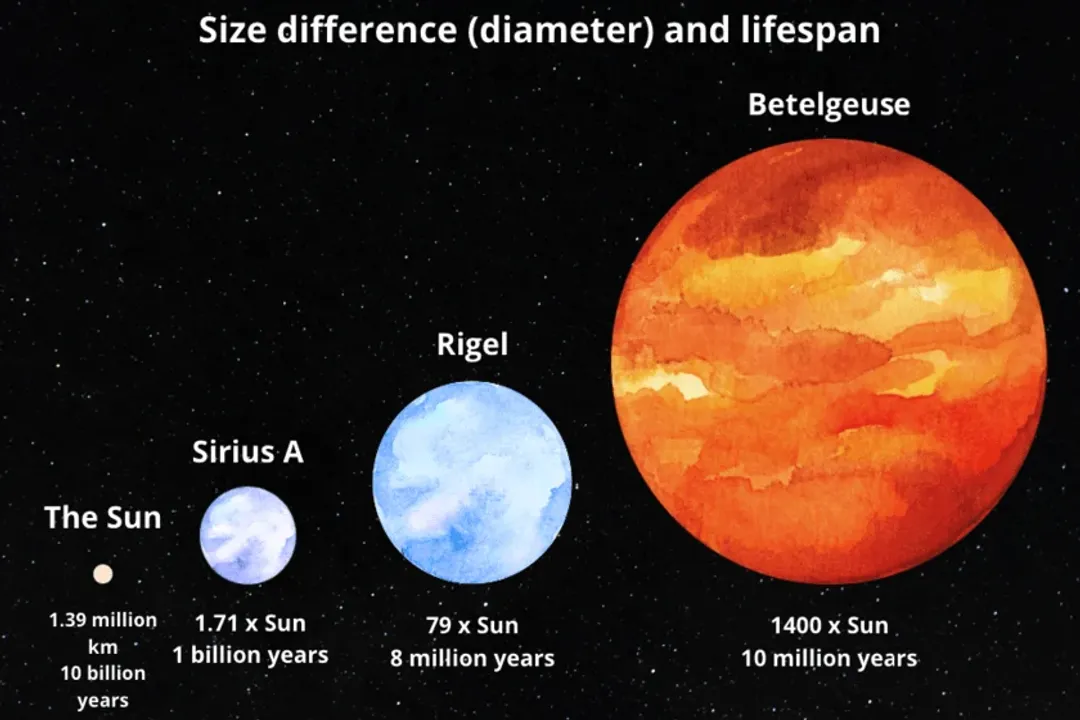
The winners in the longevity contest are the red dwarfs. [1] These stars are significantly smaller and cooler than the Sun, meaning they sip their nuclear fuel with extreme frugality. [1] Because their rate of consumption is so low, their predicted lifespans stretch into the trillions of years. [6]
For context, the current age of the universe is estimated to be around 13.8 billion years. [1] This means that every single red dwarf star that has ever formed throughout cosmic history is still burning today, simply because none have yet reached the end of their planned life cycle. [7] The brightest, shortest-lived stars exhaust their fuel reserves in a geological blink of an eye compared to the faint, steady glow of a red dwarf, which could outlast countless generations of human civilization. [1][6]
# Star Color Spectrum
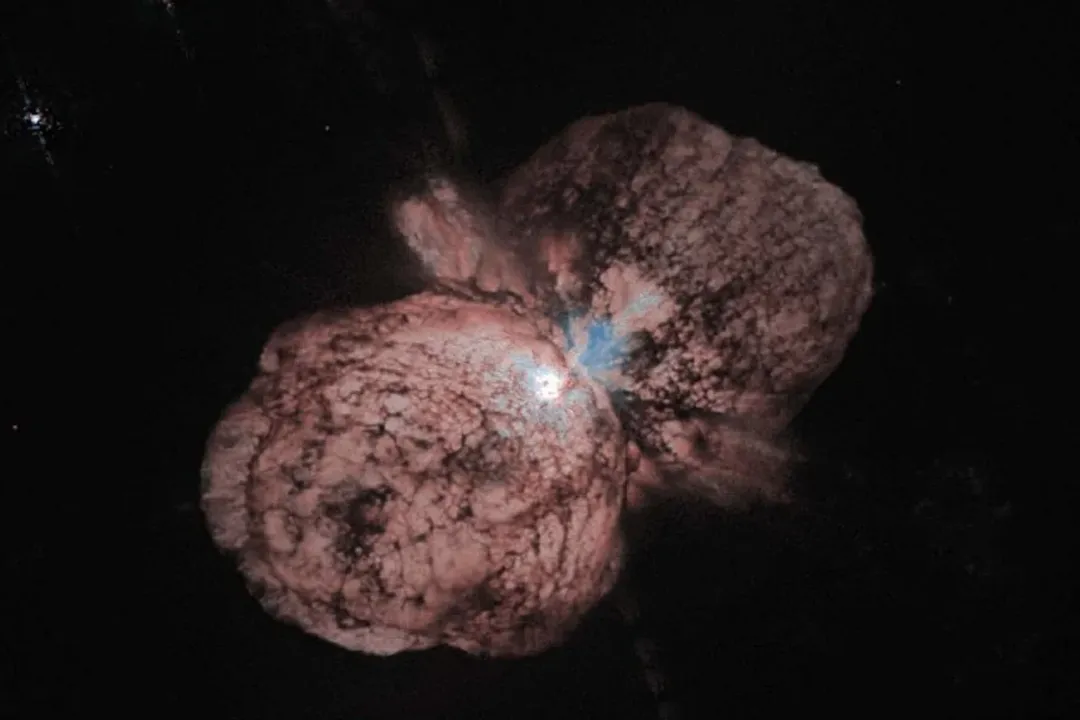
To visualize this extreme variance, it helps to compare the three main classes of hydrogen-burning stars:
| Star Color | Relative Mass | Typical Lifespan | Fuel Consumption |
|---|---|---|---|
| Blue/White | Very High | Millions of years | Extremely rapid |
| Yellow (Sun-like) | Medium | ~10 Billion years | Moderate |
| Red | Very Low | Trillions of years | Extremely slow |
This shows clearly that the cooler the star—the redder it appears—the longer the countdown until its main sequence fuel is spent. [9] The comparison makes it clear that what appears to be the dimmest, least impressive star is actually the universe's most durable light source. [1]
# Failed Stars
It is worth noting the category that sits just below the true stars in terms of mass: brown dwarfs. [8] These objects form like stars but never reach the critical core temperature and pressure needed to initiate sustained hydrogen fusion. [8] They are often described as "failed stars". [8] While they are cooler and fainter than even the smallest red dwarfs, they are fundamentally different because they do not engage in the same primary fusion process that defines a star's main-sequence life. Their cooling and fading process is distinct from the gradual consumption observed in true, hydrogen-burning stars like the red dwarfs. [8]

# Longevity Versus Brightness
When observing the night sky, the most dazzling points of light are often the massive, young, blue-white stars that simply do not live long enough to populate the older regions of the galaxy in great numbers. [4] Conversely, the faint, numerous red dwarfs dominate the stellar population precisely because they are the longest survivors. [3] This creates a fascinating scenario where the stars we can least easily see with the naked eye are the ones that will be around to see the farthest future of the cosmos. The sheer abundance of these long-lived, low-mass stars ensures that the red spectrum will continue to light the universe long after the giants and even our Sun have faded into remnants. [7]
Related Questions
#Citations
Red Dwarfs: The Most Common and Longest-Lived Stars | Space
Red Dwarf Stars' Long Lifespan and Characteristics - Facebook
Why are red clusters of stars much older than a cluster of mainly blue?
What is the average lifespan of stars? Which stars have longer or ...
This star is closest to eternity! - YouTube
How Long Do Stars Live? - Label Stars
What is the longest a star can live? | by Ethan Siegel - Medium
Brown dwarf - Wikipedia
Star color holds clue to life elsewhere in the universe - St. Cloud Times