What determines color perception?
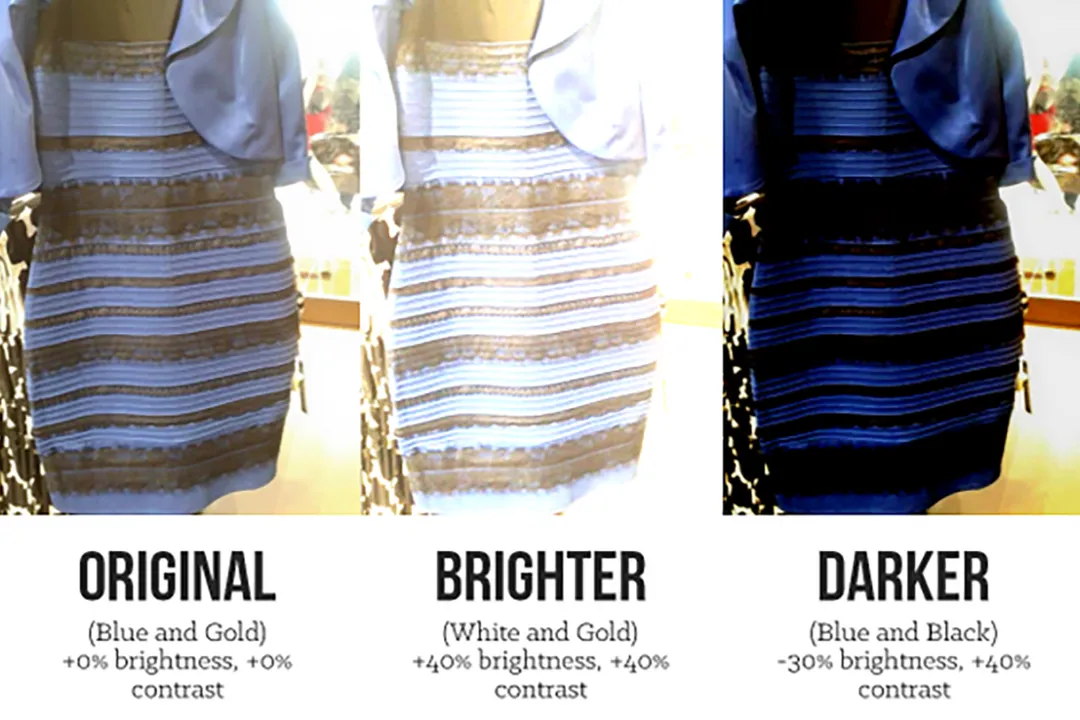
The color we experience is not an inherent property of an object, like its mass or temperature; rather, it is an interpretation, a sensation constructed moment-by-moment by our visual system in response to light bouncing off surfaces. This complex interaction requires three main components to function: a light source, an object to reflect that light, and a functioning observer—the eye and the brain working in tandem. When we talk about what determines color perception, we are really discussing the physics of light, the specialized biology of our retinas, and the sophisticated neuro-processing that turns electrical signals into the rich visual world we inhabit.
# Light Spectrum
Color perception begins entirely with light, which is a form of electromagnetic radiation traveling in waves. The electromagnetic spectrum covers a vast range of wavelengths, most of which are invisible to humans, such as radio waves or X-rays. Human vision is restricted to a very narrow band within this spectrum, typically ranging from about 380 nanometers (nm) to 700 nm, known as the visible spectrum.
When light strikes an object, the object selectively absorbs some wavelengths and reflects others. For example, a ripe banana appears yellow because its surface absorbs the blue and violet portions of the visible spectrum while reflecting the wavelengths corresponding to yellow and green. If an object reflects all visible wavelengths equally, we perceive it as white; conversely, if it absorbs nearly all incoming wavelengths, we see it as black. This reflection process means that the "color" of an object fundamentally depends on the light source illuminating it—a red object under pure blue light will look black because there are no red wavelengths present to reflect.
# Photoreceptors Activity
Once reflected light enters the eye, it is focused onto the retina, the light-sensitive tissue lining the back of the eyeball. The retina houses millions of specialized cells called photoreceptors, which include rods and cones. Rods are extremely sensitive to low levels of light, enabling us to see shapes and movement in dim conditions, but they do not contribute to color vision.
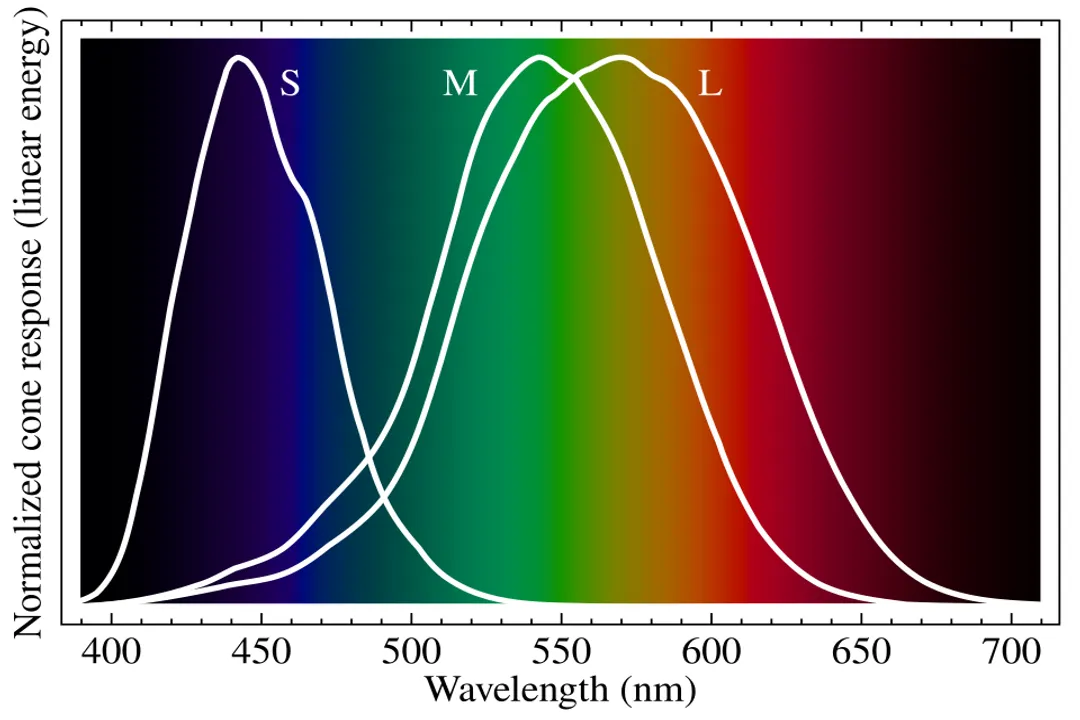
Color discrimination is the job of the cone cells. Most humans possess three distinct types of cones, each containing a different photopigment that is most sensitive to specific ranges of light wavelengths—short (S), medium (M), and long (L) wavelengths, which loosely correspond to blue, green, and red sensitivity, respectively. This mechanism is the basis of trichromacy. Color perception arises not from a single cone type firing, but from the ratio of activity across all three types. For instance, when viewing yellow light, both the L-cones (red-sensitive) and M-cones (green-sensitive) are stimulated strongly, while S-cones (blue-sensitive) are not, and the brain interprets this specific M-to-L ratio as yellow.
It is worth noting that the sensitivity curves for these three cone types significantly overlap, which is precisely what allows us to perceive millions of distinct hues rather than just three primary colors. If the overlap were less pronounced, our visual experience would be far more segmented.
# Neural Interpretation

The cones convert the light energy they absorb into electrical signals, which are then transmitted through layers of other retinal cells before traveling along the optic nerve to the visual cortex in the brain. This is where the raw data is processed and assembled into the subjective experience we call color.
While the initial stage in the retina is often described using the trichromatic theory (the three cones), the subsequent processing within the nervous system frequently employs the opponent-process theory. This theory suggests that color information is organized into opposing pairs: red versus green, blue versus yellow, and black versus white (luminance). Signals travel along these opponent channels, meaning that an area cannot signal both "red" and "green" simultaneously to the brain. This explains why we can see reddish-green hues only when transitioning between the two, but never a pure, simultaneous reddish-green. The brain interprets the resulting signal patterns from the cones—the specific ratios of excitation and inhibition across these opponent channels—to generate the final perception of color.
The brain is also involved in color constancy, a critical function that allows us to perceive objects as maintaining the same color despite drastic changes in the illumination source. This is a massive computational effort. For example, a white sheet of paper looks white under the yellow light of an incandescent bulb and under the cooler light of the afternoon sun, even though the actual wavelengths reflected are quite different.
# Environmental Variables
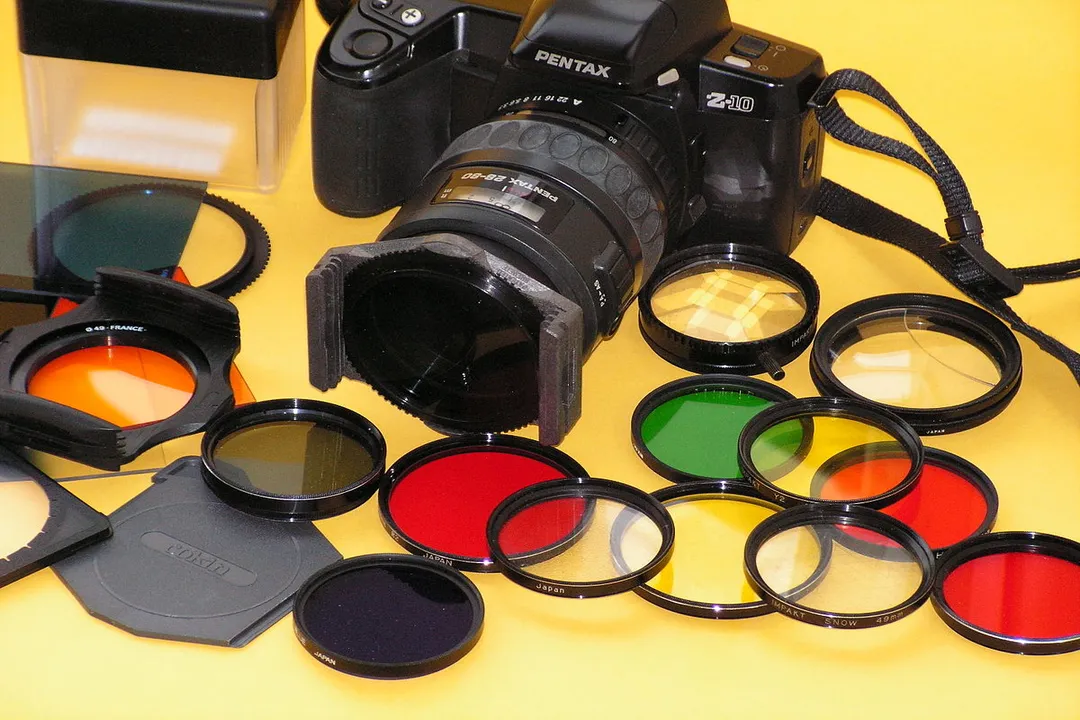
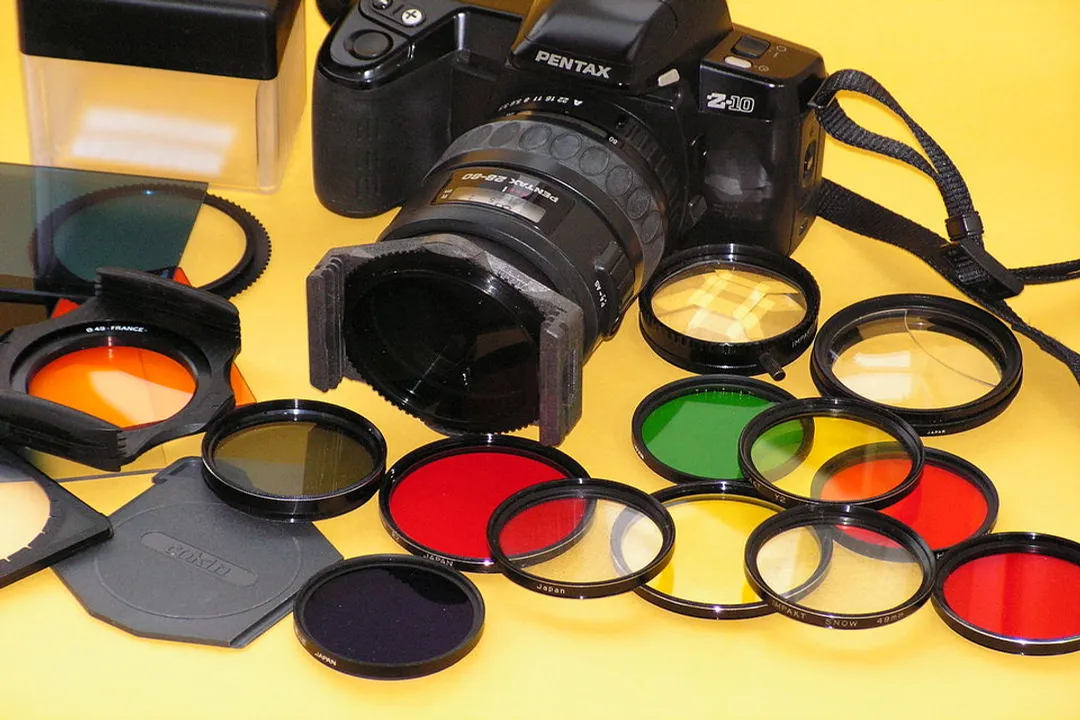
Beyond the fundamental physics and biology, the immediate viewing circumstances exert a powerful influence on perceived color, often causing disagreements about what color something truly is. One of the most significant factors is the spectral power distribution of the illuminant—the light source itself. Different light sources emit different mixes of wavelengths; a light source rich in blue will bias perception towards cooler colors, while one rich in red will enhance warmer tones.
Consider the difference between viewing a product under standard daylight simulation versus typical office lighting; the perceived shade can shift noticeably. For professions like graphic design or quality control in manufacturing, this variability necessitates controlled environments, often using standardized light booths that mimic specific illuminants like D65 (daylight at 6500K) or Illuminant A (tungsten light).
The background color surrounding the object also plays a role in how we see the foreground color, a phenomenon known as simultaneous contrast. A gray patch placed next to a bright blue area will appear to have a slightly reddish or yellowish cast because the visual system attempts to neutralize the strong blue input by exciting the opposite channel. This effect makes it challenging to judge color purity without isolating the sample.
To illustrate the interplay of these external factors, here is a comparison of the key environmental determinants of color perception:
| Factor | Mechanism of Influence | Perceptual Result |
|---|---|---|
| Illuminant | Determines available wavelengths for reflection | Shifts overall color cast (e.g., yellow under tungsten vs. blue under overcast sky) |
| Surround Color | Triggers simultaneous contrast in the visual cortex | A color appears altered based on the color immediately adjacent to it |
| Light Intensity | Affects the balance between cone and rod activity | Low light reduces saturation and shifts perception toward the blue end (Purkinje effect) |
| Viewing Geometry | Angle of incidence and observation | Glossy or metallic surfaces change appearance drastically based on viewing angle |
When managing color across different locations or mediums, the critical step is standardizing the viewing environment to remove as many of these external variables as possible. A practical application of this knowledge involves always evaluating a color sample against a neutral background—ideally a standardized Munsell neutral gray—before comparing it to the target color. This minimizes the influence of simultaneous contrast and forces the brain to rely more heavily on the inherent reflectance properties of the object rather than its surroundings.

# Individual Variation
Even if the light source and background are perfectly controlled, two people might still genuinely disagree on the exact shade they are seeing. This variance is rooted in the biological hardware of the individual observer. The most common form of difference stems from variations in the cone photopigments.
Color blindness, or color vision deficiency, often results from having fewer than the standard three types of functional cones or from having cone photopigments whose sensitivity curves are shifted abnormally. The most common type, red-green color blindness, usually involves reduced sensitivity in either the L- or M-cones, making it difficult to distinguish between those hues because the ratio of their signals is less distinct. Such variations are inherited, affecting a measurable percentage of the population.
Beyond clinical deficiencies, there are subtle, non-pathological variations in cone sensitivity even among people with "normal" color vision. Slight genetic differences in the opsin proteins that make up the cone photopigments mean that one person’s "standard green" cone might be slightly more sensitive to a wavelength that another person’s cone perceives as yellow-green. This means that while both observers might agree a color is "green," the precise subjective quality of that green sensation can differ at the neurological level.
Furthermore, the viewing experience is filtered through learned associations and memory. The brain has a catalogue of expected colors—we expect grass to be green and stop signs to be red. When presented with an ambiguous or unusual color stimulus, our memory and expectation can subtly push the perception toward the familiar category, a phenomenon related to categorical perception. For instance, in languages that do not distinguish between blue and green (as some historical languages did not), speakers may group shades that English speakers clearly separate into two distinct categories. This shows that cultural naming conventions and prior visual experience shape how we segment and label the continuous spectrum of color.
# Depth of Experience
The concept of color, while originating from physics, is perhaps best understood as an emergent property of consciousness. It is the qualia of vision—the subjective, phenomenal experience of redness or blueness—that has proven most difficult to explain scientifically. Physics describes the measurable energy; biology describes the receptor response; but the step from electrical impulse to the inner feeling of 'seeing' remains a profound mystery in neuroscience.
For instance, while we can measure the wavelength of light that causes a specific neural firing pattern, we cannot know if my subjective experience of looking at a pure 580 nm light is identical to yours. Color is inherently personal because the translation of physical energy into subjective experience occurs entirely within the individual nervous system. This deep subjectivity underscores why agreement on color is so challenging, moving the discussion from objective measurement to shared interpretation. The goal of color science, therefore, is not to force identical internal experiences, but to accurately predict the reported differences between individuals under specified conditions.
In essence, determining color perception requires tracking a cascade: starting with the spectral energy available, passing through the filtering effect of the object's surface, being transduced by the cone cells in the retina, being coded by opponent channels in the visual pathway, and finally being rendered by the brain, all while being constantly adjusted by the surrounding environment and the observer's biological history. It is this multi-stage, multi-variable process that makes the simple act of seeing "red" an incredibly intricate feat of nature.
#Videos
How do Humans Perceive Color? - YouTube
Related Questions
#Citations
The Fascinating Science Behind Color Perception - Datacolor
How Do We See Color? - Pantone
Color vision - Wikipedia
How We See Color | American Museum of Natural History
Factors Affecting How We See Color - X-Rite
Physiology, Color Perception - StatPearls - NCBI Bookshelf
An Introduction to Color Perception - iMotions
ELI5: How do humans perceive color? Is it just the way we see it or ...
How do Humans Perceive Color? - YouTube