What three components are required for the complex interaction of color perception?
Answer
A light source, an object to reflect light, and a functioning observer (eye and brain)
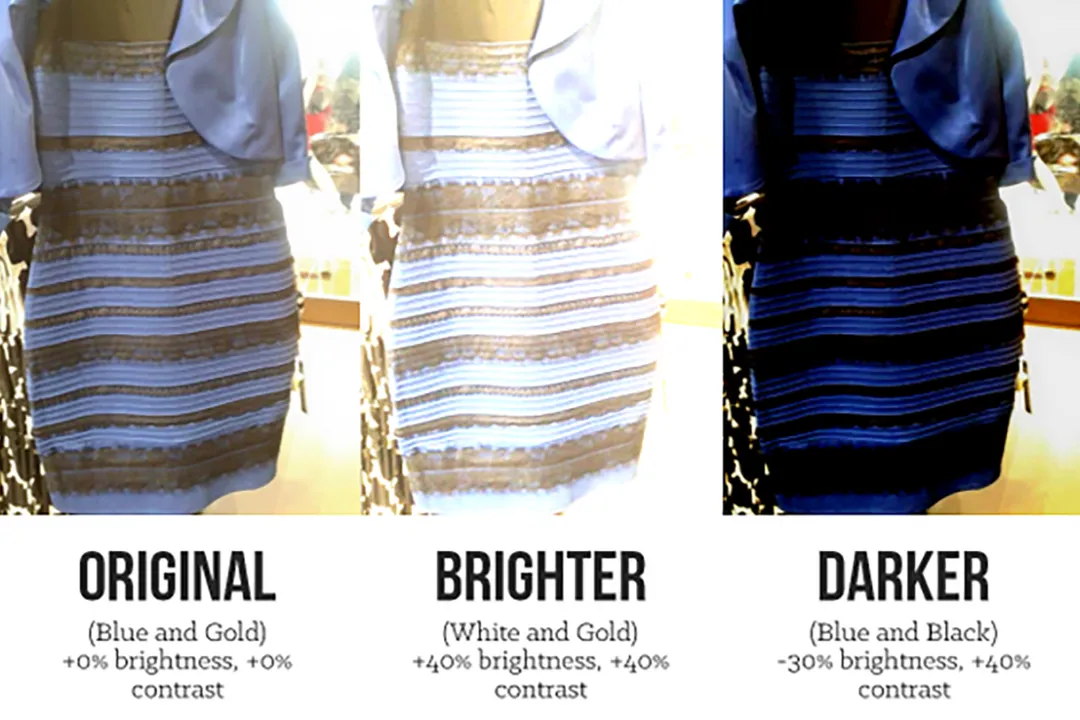
Color perception requires the interplay of three elements: a source emitting electromagnetic radiation (light), an object that interacts with that light via reflection, and an observer capable of processing the reflected energy.
#Videos
How do Humans Perceive Color? - YouTube
Related Questions
What is color experience fundamentally considered to be?What three components are required for the complex interaction of color perception?What range defines the visible spectrum restricted to human vision?If an object absorbs nearly all incoming wavelengths, how is it perceived?What is the function of rod photoreceptors in the retina?Color discrimination in humans is based on the activity ratio across which type of photoreceptor?What mechanism allows humans to perceive millions of distinct hues instead of just three primary colors?Which theory describes the organization of color information into opposing pairs within the nervous system?What function allows a white object to look white under both yellow incandescent light and cooler sunlight?What environmental factor causes a gray patch next to a bright blue area to appear slightly reddish or yellowish?What concept refers to the subjective, phenomenal experience of 'redness' or 'blueness'?