What determines reproductive strategies?

Reproductive strategy is not a conscious choice an organism makes but rather the evolved suite of behaviors, physiological specializations, and life history timing dictated by natural selection operating across generations. [5][7] It represents the culmination of compromises an organism must strike regarding how to allocate its finite energy budget to maximize the transmission of its genes into the future. [8] This strategy encompasses everything from the mechanics of mating, the degree of parental care provided, and the timing of maturity to the overall pattern of reproduction throughout its lifespan. [4]
# Energy Allocation

The fundamental constraint determining any reproductive strategy is the universal trade-off between different life functions: growth, maintenance (survival), and reproduction. [8] Because energy is a limited commodity, an organism cannot maximize all three simultaneously. If an individual invests heavily in reproduction—producing many large offspring—it must necessarily divert resources away from self-maintenance or slow its own growth rate. [8] This sets up the primary quantitative trade-off: whether to invest in quantity or quality of offspring. [1][5]
Species that prioritize quantity often evolve strategies characterized by producing numerous, small, cheap gametes, requiring little or no post-fertilization care. This approach is favored when the probability of any single offspring surviving to maturity is very low, often due to unpredictable environments or high predation rates. [8] Conversely, investing in quality means developing fewer, larger offspring, which requires substantial energy expenditure per unit, but these offspring have a higher probability of surviving their initial vulnerable period. [1][5] The determination of where on this quantity-quality spectrum a species falls is heavily influenced by the expected survival rate in their specific environment. [8]
# Sex Asymmetry
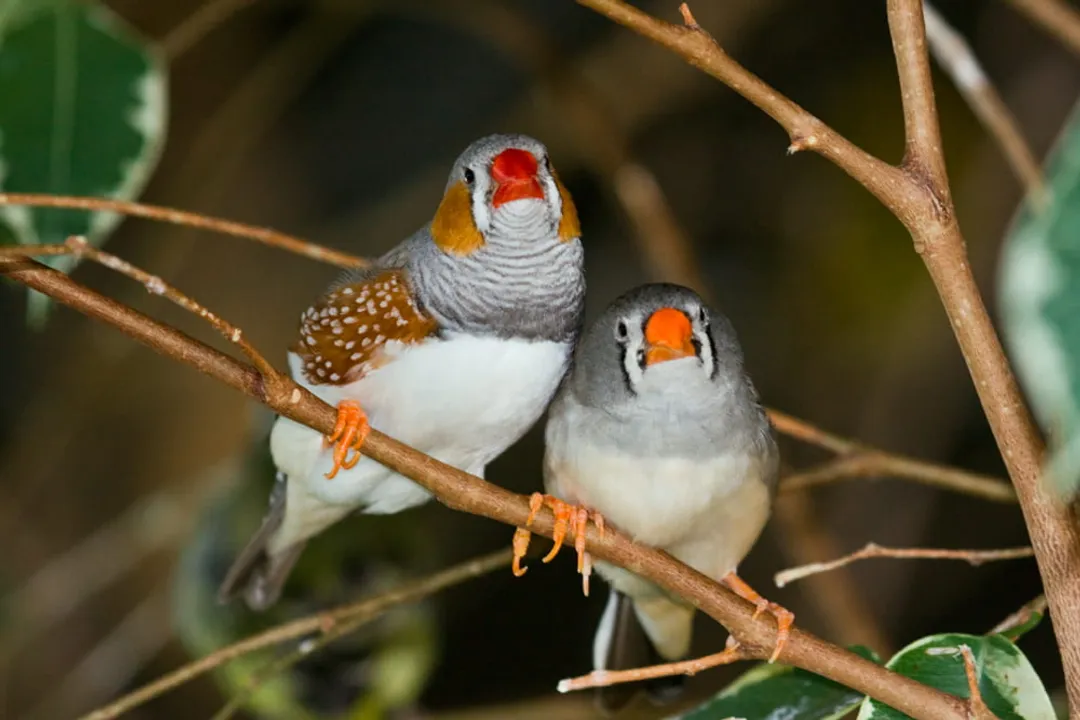
A major determinant of reproductive strategy stems from the fundamental biological differences in gamete investment between males and females, which establishes the baseline for sexual selection. [2][4] Females typically invest heavily in producing large, nutrient-rich ova, a process that is metabolically costly and time-consuming, thus limiting the total number of potential offspring they can produce in a lifetime. [4] This high initial investment means that female reproductive success is often limited by the number of successful matings or the quality of resources secured for offspring, rather than sheer gamete production. [2]
Males, on the other hand, produce numerous, small sperm with relatively low individual energetic cost. This allows a male to potentially fertilize a very large number of eggs if access to receptive females is available. [4] This discrepancy in initial investment creates an asymmetry: females are often the limiting resource, while males compete intensely for access to them. [4] The resultant tactics—male competition and female choice—are the behavioral manifestations of these underlying investment differences. [4]

# Mating Structures
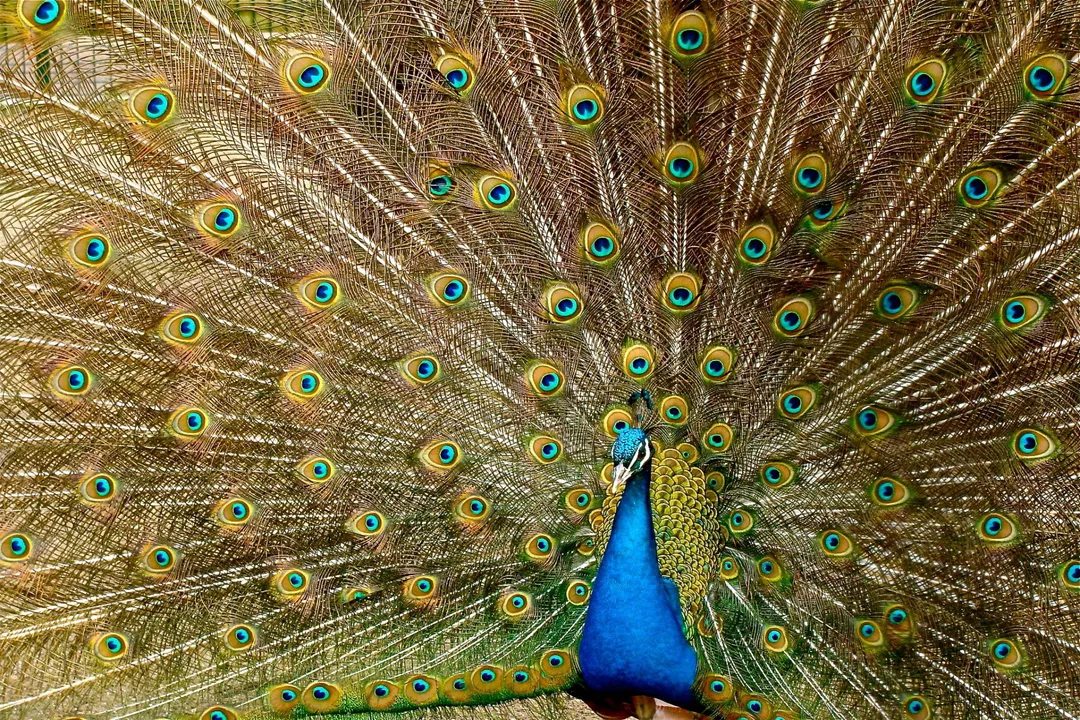
The social context and resulting mating system are direct evolutionary responses to investment asymmetry interacting with ecological factors. [4] The relative availability of receptive males versus receptive females, known as the operational sex ratio, is a key determinant of local competition levels. [4] If the ratio heavily favors one sex, that sex will typically engage in intense rivalry.
For example, in many primate societies, resource distribution dictates female grouping patterns. [2] If food is patchily distributed, females may be solitary or in small groups, which can create a scenario where male competition is diffuse or where a single dominant male can monopolize mating access to several females, leading toward polygyny. [2] In contrast, if resources are spread evenly, females might aggregate for safety or foraging efficiency, potentially leading to different mating dynamics, which might select for polyandry or certain forms of monogamy depending on other variables like offspring dependency periods. [2][4] The resulting mating strategy—whether it is monogamous, polygynous, or polyandrous—is essentially the equilibrium point reached where the costs of securing mating opportunities balance the benefits of fertilizing more eggs. [4]
A subtle interaction occurs where parental investment shapes not only mating access but also the very nature of sexual selection. Consider the difference between species where males compete directly for territory containing vital resources versus species where females provide all post-zygotic care. In the latter case, male success hinges entirely on being chosen by the heavily investing female, shifting the selection pressure toward traits that signal good genes or resource-holding potential. [2][4]
# Environmental Impact
The external physical environment exerts powerful determining forces on reproductive timing and mode. [2][8] Resource predictability is perhaps the most significant ecological factor. In environments where resources are abundant and stable, organisms can afford to follow a life history strategy characterized by slow growth, late maturation, and iteroparity—reproducing repeatedly over a long lifespan. [8] This slower pace is sustainable because the energy investment in each reproductive event is buffered by consistent food supply, and the probability of surviving to reproduce again next season is relatively high. [5]
Conversely, unpredictable environments—characterized by boom-and-bust cycles, high mortality risks, or short reproductive windows—drive strategies toward rapid maturation and semelparity (reproducing only once before death) or very frequent, small reproductive events. [8] This urgency ensures that at least some genes are passed on before mortality intervenes. [5] For instance, in species subject to high extrinsic mortality (like predation), the selection pressure favors earlier reproduction, even if it means achieving lower individual fecundity over a theoretical long life, because the probability of ever reaching that long life is low. [8]

# Life History Expression
The culmination of these pressures appears in observable life history traits. The age at which an organism first reproduces is a direct consequence of balancing the cost of delaying reproduction (missed chances if one dies young) against the benefit of delaying (larger body size or better resource acquisition leading to higher fecundity later). [8]
The length of the post-natal dependency period is another strategic choice. High-investment species, such as many mammals and birds, maintain a long dependency because the offspring require significant learning or nutritional support to survive independently. [5] This dependency period directly influences the potential spacing between successive litters or clutches, as the mother cannot invest in a new reproductive effort until the current one is self-sufficient or has reached a viable stage. [1]
When we analyze reproductive fitness, it is critical to look at the lifetime output relative to the energy spent, rather than simply the size of the current brood. A species that invests heavily in a few offspring that have an extremely high probability of reaching reproductive age—a characteristic often seen in iteroparous, long-lived species—might generate a higher lifetime fitness return than a species that produces numerous, low-survival offspring in a single massive event when environmental stability is low. [1][5] This temporal aspect of fitness maximization reveals that successful strategies are those that match the rate of reproduction to the consistent survivability afforded by the local habitat, not just the potential for massive output during a good season. [5][8]
Ultimately, reproductive strategies are complex, dynamic responses shaped by the continuous selection pressures arising from ecological constraints, the laws of energy conservation, and the inherent asymmetry in investment between the sexes. [7] An organism’s strategy is the best functional answer evolution has found to the recurring question of how to survive long enough to successfully pass on its genetic material under specific, local environmental conditions. [5][7]
Related Questions
#Citations
Evolution of Reproductive Behavior - PMC - PubMed Central - NIH
6.1.3: Reproductive Strategies - Social Sci LibreTexts
Optimal Reproductive Tactics - Utexas
Animal Reproductive Strategies - Organismal Biology - Georgia Tech
Reproductive Strategies - Fox - Major Reference Works
Reproductive strategies - Harvard Gazette
Reproductive Strategy - an overview | ScienceDirect Topics
Introductory Chapter: Reproductive Strategies and Biotechnologies ...
Reproductive strategies | Continuity and Change | Biology HL - Sparkl